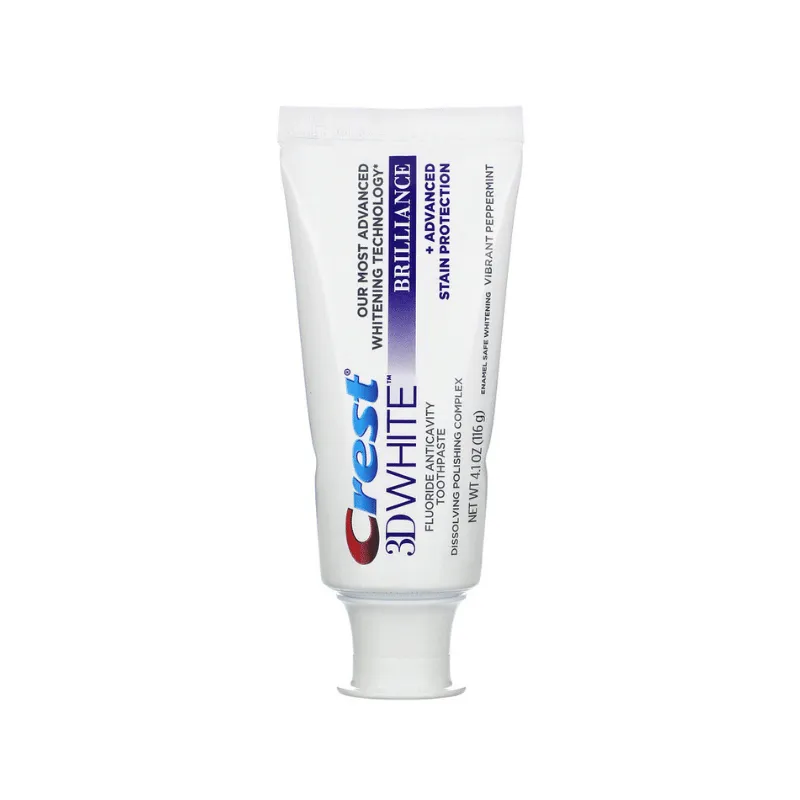
What is 3D Whitening Toothpaste?
3D Whitening Toothpaste is a specific type of toothpaste formulated to help remove surface stains and brighten the appearance of teeth. Unlike regular toothpaste, which primarily focuses on cleaning and preventing cavities, 3D whitening toothpastes contain special ingredients designed to address discoloration. These products are widely available in various brands and are a popular choice for individuals looking to enhance their smile’s aesthetics. They offer a convenient and accessible way to improve tooth whiteness without professional treatments. The term “3D” often refers to a multi-faceted approach, suggesting that the toothpaste works to clean, whiten, and polish teeth for a more comprehensive effect. This usually means that the product has a blend of ingredients such as abrasives, mild bleaching agents, and stain-removing compounds, all working together to improve the overall appearance of your teeth.
How Does 3D Whitening Toothpaste Work?
3D Whitening toothpastes generally work through a combination of physical and chemical actions. Physically, they employ mild abrasives that gently scrub the tooth surface, removing stains caused by things like coffee, tea, and food pigments. Chemically, they utilize ingredients like hydrogen peroxide or other bleaching agents in lower concentrations, which can penetrate the enamel and lighten the tooth’s color. These ingredients break down the stain molecules, making them less visible. The polishing action of the toothpaste helps to smooth the tooth surface, further enhancing its brightness by reflecting light more effectively. Some also contain pyrophosphates or other compounds that help prevent new stains from adhering to the teeth, offering a proactive approach to maintaining whiteness. The combination of these actions provides a comprehensive approach to whitening, ensuring that the teeth look cleaner and brighter with regular use.
Key Ingredients in 3D Whitening Toothpaste

The effectiveness of 3D whitening toothpaste is heavily influenced by its key ingredients. Abrasives such as hydrated silica, calcium carbonate, and dicalcium phosphate work to scrub away surface stains. These particles are designed to be gentle enough not to damage the enamel while effectively removing discoloration. Hydrogen peroxide or carbamide peroxide act as the bleaching agents, penetrating the enamel to lighten the teeth from within. These peroxides release oxygen, which breaks down stain molecules. Other ingredients like sodium pyrophosphate and zinc citrate help to prevent new stains from forming by inhibiting the buildup of plaque and tartar. Fluoride is often included to strengthen the enamel and protect against cavities, providing additional oral health benefits. Certain toothpastes also contain special optical brighteners, which reflect light to create a visual effect of whiter teeth.
Benefits of Using 3D Whitening Toothpaste
Using 3D whitening toothpaste offers several advantages beyond just cosmetic appeal. The most obvious benefit is the improvement in tooth whiteness, leading to a more confident and attractive smile. Regular use can effectively remove surface stains, resulting in teeth that appear cleaner and brighter. Many people report feeling a significant boost in self-esteem as a result. Furthermore, these toothpastes are generally affordable and easily accessible compared to professional whitening treatments. They can be incorporated seamlessly into your daily oral hygiene routine. Some formulations also provide additional benefits like fluoride for cavity protection and ingredients that help freshen breath. The combined effect is not only an improvement in the appearance of your teeth but also a contribution to overall oral health, making them a practical and convenient choice for many individuals.
Whitening Effects of 3D Whitening Toothpaste
The whitening effects of 3D whitening toothpaste can vary depending on the specific product and the individual’s oral condition. Typically, users can expect to see noticeable results within a few weeks of regular use. The degree of whitening is often measured by a shade guide, and while these toothpastes can lighten teeth, they generally do not achieve the same dramatic results as professional treatments. Factors such as the type and severity of stains, as well as the individual’s natural tooth color, influence the outcome. Surface stains from coffee, tea, and smoking are usually easier to remove than deeper stains caused by genetics or medication. Consistency is key: the more regularly the toothpaste is used as directed, the better the results. The overall effect is often a gradual improvement in the brightness of teeth, leading to a smile that looks healthier and more vibrant over time.
How Long Does 3D Whitening Toothpaste Take to Work?

The timeline for seeing results with 3D whitening toothpaste typically ranges from two to six weeks. The speed at which you see improvement depends on several factors, including the specific toothpaste formula, the frequency of use, and the nature of the stains. Some toothpastes contain stronger whitening agents that may produce quicker outcomes, while others offer a more gradual approach. Consistent use, as directed on the product packaging, is crucial for achieving optimal results. Most manufacturers recommend brushing twice daily for two minutes each time. You might start to notice a difference within the first few weeks, with continued improvement over time. If you don’t see any changes after several weeks of consistent use, you might consider trying a different product or consulting a dentist for alternative whitening solutions. It is also important to note that individual results vary, and patience is essential to see the full benefits.
Factors Influencing the Effectiveness of 3D Whitening Toothpaste
Several factors influence how effectively 3D whitening toothpaste works. The type and severity of stains play a significant role. Surface stains, which are typically caused by food and drinks, are generally easier to remove than deeper stains, such as those from tetracycline medication or fluorosis. The frequency and duration of brushing are also critical; brushing twice daily for two minutes each time is usually recommended for optimal results. The individual’s oral hygiene habits also have a substantial impact; regular flossing and professional cleanings can enhance the toothpaste’s effectiveness. Lifestyle factors such as diet and smoking habits influence the appearance of your teeth and your results. Furthermore, the specific ingredients and concentrations of the active components in the toothpaste affect the outcome. Therefore, selecting a product that aligns with your specific needs and following the instructions diligently will yield the best results, but this does not guarantee results.
How to Choose the Right 3D Whitening Toothpaste
Choosing the right 3D whitening toothpaste involves considering several key factors. Start by assessing the ingredients; look for toothpastes that contain proven whitening agents like hydrogen peroxide or mild abrasives such as hydrated silica. Consider your oral health needs, some toothpastes also provide fluoride for cavity protection or sensitivity relief. Evaluate the level of abrasiveness, as higher abrasivity can remove stains more effectively but might also increase sensitivity. Reading reviews and comparing different brands can also provide insights into their effectiveness and potential side effects. If you have sensitive teeth, opt for a toothpaste specifically designed for sensitivity. Consult your dentist for recommendations, as they can suggest a product that suits your specific needs and oral health conditions. Ultimately, the best toothpaste is one that effectively whitens your teeth without causing any discomfort or harm.
Comparing 3D Whitening Toothpaste to Other Methods

When considering teeth whitening options, it is important to compare 3D whitening toothpaste to other methods. Over-the-counter whitening strips and gels offer more potent whitening effects than toothpaste because they contain higher concentrations of bleaching agents. However, they can be more expensive and might cause increased sensitivity. Professional whitening treatments, such as those performed by a dentist, provide the most dramatic and long-lasting results. These treatments use powerful bleaching agents and can be customized to the individual’s needs. However, they are also the most costly. Compared to these options, 3D whitening toothpaste offers a more affordable and convenient approach for everyday use. While it may not provide the same degree of whitening, it is a good option for maintaining tooth brightness and removing surface stains. The choice depends on your desired level of whitening, budget, and oral health needs. For significant discoloration or faster results, other treatments may be more suitable.
Potential Side Effects of 3D Whitening Toothpaste
Although generally safe, 3D whitening toothpaste can cause potential side effects. The most common side effect is increased tooth sensitivity, especially if the toothpaste contains abrasive ingredients or high concentrations of bleaching agents. Some people might experience gum irritation or inflammation, particularly if they brush too aggressively or have pre-existing gum issues. In rare cases, prolonged use of highly abrasive toothpastes can lead to enamel erosion, making teeth more vulnerable to decay. Discomfort in the mouth or an altered sense of taste are also possible, though these are usually temporary. It’s important to monitor your teeth and gums for any adverse reactions, and if you experience persistent sensitivity or irritation, consult a dentist. Switching to a less abrasive or sensitive toothpaste or using a desensitizing toothpaste can help alleviate the issue. Always follow the product instructions carefully.
Maintaining Your Results After Using 3D Whitening Toothpaste
Maintaining the results of 3D whitening toothpaste involves consistent oral hygiene and certain lifestyle adjustments. Continue to brush with the whitening toothpaste twice daily, and maintain regular flossing to remove plaque and food particles that can cause stains. Avoid or minimize consumption of stain-causing foods and drinks, such as coffee, tea, red wine, and dark-colored berries. Consider using a straw when drinking beverages that can stain your teeth. Regular dental check-ups and professional cleanings can help remove any persistent stains and keep your teeth bright. If you smoke, quitting will significantly help maintain the whiteness of your teeth. You might also use a whitening mouthwash or incorporate a whitening booster product into your routine for an extra level of maintenance. Ultimately, combining these practices will ensure that your teeth stay as bright as possible for a long time.
Does 3D Whitening Toothpaste Really Work? The Verdict

So, does 3D whitening toothpaste really work? The answer is yes, but with a few caveats. It can effectively remove surface stains and slightly brighten teeth, particularly with consistent use. However, it is essential to have realistic expectations; it won’t provide the same dramatic results as professional whitening treatments. The effectiveness depends on the specific product, the type of stains, and individual oral hygiene habits. For minor discoloration and stain removal, 3D whitening toothpaste is a convenient and affordable option. Regular use can contribute to a brighter, healthier smile. It is a useful tool in your oral hygiene routine. While it might not be a miracle cure, it certainly offers noticeable benefits for many people, and the right product can make a significant difference in the appearance of your teeth over time.