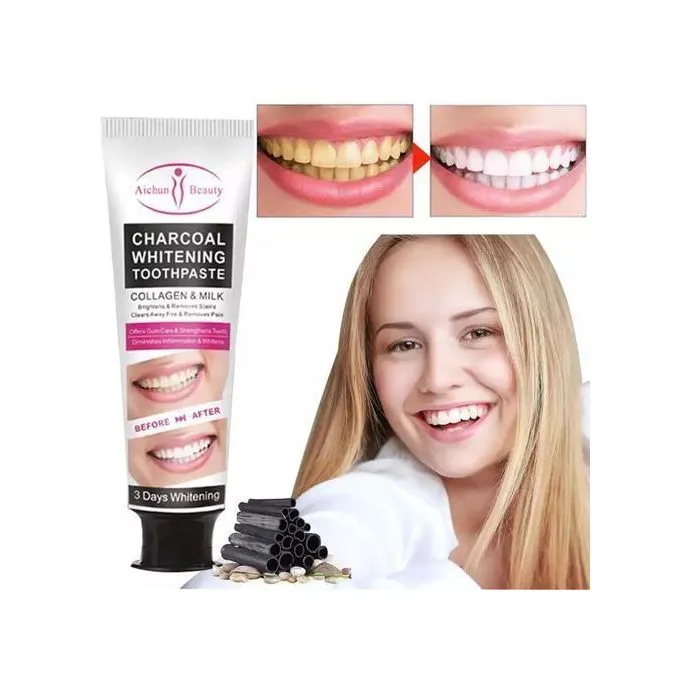
Active Charcoal Toothpaste Top 7 Whitening Benefits
Active charcoal toothpaste has become a popular choice for those seeking a natural approach to teeth whitening. Its rise in popularity is due to the purported benefits of using this unique ingredient derived from activated carbon. Many users are intrigued by the potential to achieve a brighter smile without harsh chemicals. This guide explores the top 7 benefits of active charcoal toothpaste, providing insights into its efficacy, usage, and what to consider before making it a part of your oral hygiene routine. Let’s delve into the science and the stories behind this black toothpaste and see if it’s the right choice for your teeth whitening journey.
Active Charcoal’s Stain Removal Power
One of the most celebrated advantages of active charcoal toothpaste is its ability to remove stains. The effectiveness of active charcoal lies in its porous structure, which acts like a magnet for impurities. This helps to lift surface stains caused by common culprits like coffee, tea, wine, and tobacco. Unlike abrasive whitening agents, active charcoal works through adsorption, attracting and binding to stain molecules without damaging the enamel. This gentle yet effective action contributes to a noticeable improvement in tooth brightness, making it a compelling option for those looking to enhance their smile naturally.
How Charcoal Absorbs Stains

Active charcoal is a highly porous substance, created by heating carbon-rich materials (like coconut shells or wood) to very high temperatures. This process increases its surface area, creating millions of tiny pores. These pores have a negative charge, which attracts positively charged particles like stain molecules. When you brush with active charcoal toothpaste, the charcoal particles bind to the stain molecules, lifting them away from your teeth. This process of adsorption is different from absorption; it’s a surface-level attraction that helps to gently remove the discoloration without penetrating the tooth’s structure. This unique characteristic makes it an effective stain remover.
Types of Stains Charcoal Targets
Active charcoal toothpaste excels at removing surface stains. These are the types of discoloration that affect the enamel, the outer layer of your teeth. Common targets include stains from coffee, tea, red wine, and dark-colored foods. Nicotine from tobacco products is another frequent source of surface stains. The porous nature of charcoal makes it efficient at attracting and binding to these stain molecules. However, it’s important to note that active charcoal is less effective on intrinsic stains. These are stains located within the tooth’s structure, often caused by factors like aging, certain medications, or trauma. For these, professional treatments may be necessary.
Active Charcoal Toothpaste for Natural Whitening
For those seeking a natural approach to teeth whitening, active charcoal toothpaste provides a compelling option. Its ability to remove surface stains is a key component in achieving a brighter smile without resorting to harsh chemicals. This natural approach often appeals to individuals who prioritize the use of plant-based ingredients and avoid artificial additives commonly found in conventional whitening products. The gentle nature of active charcoal makes it a preferable alternative for those with sensitive teeth. This offers a path to a whiter smile without the discomfort or potential side effects associated with stronger whitening agents.
The Importance of Natural Ingredients

The appeal of active charcoal toothpaste often lies in its natural composition. Many users are drawn to the idea of using ingredients derived from nature rather than synthetic chemicals. Often, active charcoal toothpastes are free of additives such as artificial colors, flavors, and sweeteners. This can be particularly important for individuals with sensitivities or allergies. Natural ingredients like essential oils (peppermint, spearmint) are frequently used for flavoring, contributing to a fresh and clean feeling. Embracing natural ingredients aligns with a broader trend toward holistic health practices and conscious consumerism, making active charcoal toothpaste a popular choice.
How Charcoal Differs from Chemical Whitening
The way active charcoal whitens teeth differs significantly from the approach of chemical whitening agents. Chemical whitening, often using hydrogen peroxide or carbamide peroxide, works by penetrating the enamel and chemically altering the stain molecules, breaking them down and changing their color. This process can lead to sensitivity and, in some cases, damage to the enamel if used improperly or excessively. Active charcoal, on the other hand, operates through adsorption. It lifts surface stains without altering the tooth’s structure. This gentler approach is often preferred by those seeking a less aggressive method of teeth whitening, minimizing the risks of sensitivity while still providing visible results.
Active Charcoal and Oral Health Benefits
Beyond whitening, active charcoal toothpaste offers additional oral health benefits. While research is ongoing, some studies suggest that charcoal may help in reducing plaque and bacteria in the mouth. This can contribute to fresher breath and overall improved oral hygiene. The abrasive nature of charcoal, when used correctly, can aid in removing surface debris and promoting a clean feeling. However, it’s crucial to be mindful of the potential for excessive abrasion and to choose products formulated to minimize this risk. Always consult with a dental professional to ensure the best oral health practices.
Charcoal’s Role in Detoxifying Your Mouth

Active charcoal is believed to have detoxifying properties due to its ability to bind to toxins and impurities. In the mouth, it can help to absorb bacteria and other harmful substances. This can contribute to a healthier oral environment. While the evidence is still emerging, some users report a noticeable difference in the cleanliness and freshness of their mouths after using active charcoal toothpaste. This detoxifying effect is a significant advantage for those looking for a comprehensive approach to oral hygiene, going beyond simple stain removal and contributing to a balanced oral ecosystem.
The Impact on Bad Breath
Active charcoal’s ability to absorb impurities also extends to volatile sulfur compounds (VSCs), the main culprits behind bad breath. By attracting and binding these compounds, active charcoal toothpaste can help to neutralize odors and promote fresher breath. Many users experience a noticeable improvement in breath freshness after regular use. The combination of stain removal, plaque reduction, and odor control makes active charcoal toothpaste a promising option for individuals seeking to enhance their oral hygiene and maintain a confident, fresh feeling. This benefit often adds to the appeal of the product, making it a valuable part of a daily routine.
How to Choose the Right Active Charcoal Toothpaste
Selecting the right active charcoal toothpaste involves several considerations to ensure effectiveness and safety. Not all products are created equal. The concentration and quality of active charcoal can vary. It is advisable to choose products from reputable brands and to read reviews from other users. Look for certifications, such as those from dental organizations, that indicate the product has been tested for safety and efficacy. Pay close attention to the other ingredients, ensuring that they align with your preferences and oral health needs, avoiding harsh chemicals or abrasives that could potentially damage your teeth or gums. Always consider your dentist’s recommendations before choosing a new toothpaste.
Reading the Ingredient List

Carefully examine the ingredient list before purchasing active charcoal toothpaste. Look for a high concentration of activated charcoal derived from a trusted source (coconut shells or wood are common). Avoid products with excessive abrasives, which can wear down enamel over time. The list should be free from potentially harmful additives such as sulfates, parabens, and artificial sweeteners. Consider the inclusion of beneficial ingredients, such as fluoride for cavity protection, essential oils for flavoring and antibacterial properties, or other natural components that support oral health. Making informed choices based on a careful ingredient analysis helps ensure you select the right product.
Choosing a Toothpaste Without Harmful Additives
When choosing active charcoal toothpaste, it’s important to prioritize products free from potentially harmful additives. Avoid toothpastes that contain sodium lauryl sulfate (SLS), a foaming agent that can irritate sensitive tissues. Steer clear of parabens, which are preservatives that some individuals are concerned about. Additionally, be mindful of artificial sweeteners, such as saccharin, and choose toothpastes that use natural alternatives like xylitol or stevia. By selecting a product with a minimal and natural ingredient list, you can reduce the risk of exposure to unnecessary chemicals and promote better oral and overall health.
Active Charcoal Toothpaste: Usage Tips
To get the most out of active charcoal toothpaste, it is essential to follow proper usage techniques. Wet your toothbrush and apply a pea-sized amount of toothpaste. Brush your teeth gently, using small, circular motions for about two minutes, ensuring that you reach all surfaces. Rinse your mouth thoroughly with water after brushing. Be mindful to avoid swallowing any toothpaste. The effectiveness and safety of active charcoal toothpaste are influenced by the user’s technique. Correct brushing contributes to effective cleaning and prevents unnecessary abrasion. Regular brushing habits are also important to ensure good oral hygiene.
Proper Brushing Techniques

Adopting the correct brushing technique is vital when using active charcoal toothpaste. Hold your toothbrush at a 45-degree angle to your gum line. Use gentle, circular motions, rather than scrubbing back and forth, to avoid damaging the enamel. Spend adequate time brushing each area of your mouth, ensuring you reach all surfaces of your teeth, including the inner and outer sides, as well as the chewing surfaces. Be sure to brush your tongue to remove bacteria and freshen your breath. Taking your time and using a careful approach helps to maximize the effectiveness of the charcoal toothpaste and protect the health of your teeth and gums.
Frequency of Use and Recommendations
While active charcoal toothpaste can be an effective part of your oral hygiene routine, it’s important to use it appropriately. Most dentists recommend brushing with active charcoal toothpaste once or twice a day, similar to standard toothpaste. Avoid overusing the product, as excessive brushing can lead to enamel erosion. Consider alternating between active charcoal toothpaste and a regular fluoride toothpaste to ensure optimal cavity protection. Follow the manufacturer’s recommendations and consult your dentist to tailor your oral care routine to your individual needs and oral health goals.
Potential Side Effects and Considerations
While generally considered safe, active charcoal toothpaste does have potential side effects to be aware of. The abrasive nature of charcoal can, in some cases, lead to enamel erosion, particularly with excessive use or when using a hard-bristled toothbrush. Some individuals may experience increased tooth sensitivity. Others might notice staining on their gums or temporary discoloration of their toothbrush. It is very important to understand these potential risks. Always remember to consult your dentist before incorporating active charcoal toothpaste into your routine.
Sensitivity Concerns

Increased tooth sensitivity is a potential side effect of active charcoal toothpaste, particularly if the enamel is already compromised or if you brush too aggressively. If you experience sensitivity, reduce the frequency of use or consider alternating with a regular fluoride toothpaste. Use a soft-bristled toothbrush to minimize abrasion. If the sensitivity persists, consult your dentist. They can assess the cause and provide guidance on how to mitigate the issue. Ensuring the health and comfort of your teeth is of utmost importance, therefore, it is very important to always be alert for possible complications and discuss them promptly with a dental professional.
Consulting with Your Dentist
Before incorporating active charcoal toothpaste into your oral hygiene routine, it’s highly recommended to consult with your dentist. Your dentist can assess your oral health, evaluate your teeth for any existing sensitivities, and offer personalized recommendations based on your specific needs. They can advise you on the suitability of active charcoal toothpaste for your teeth and gums. Discuss the frequency of use, appropriate brushing techniques, and any potential risks that might apply to your situation. A dental professional is your trusted source for information about ensuring that you are able to achieve a whiter smile while maintaining optimal oral health.