
What is Aloe Vera and Its Benefits
Aloe vera, a succulent plant species, has been utilized for centuries for its medicinal properties. The clear gel found within its leaves is a powerhouse of vitamins, minerals, and antioxidants. These components contribute significantly to skin health, making aloe vera a popular ingredient in skincare products. Its benefits extend beyond simple hydration; it possesses anti-inflammatory and wound-healing capabilities, soothing irritated skin and promoting cell regeneration. The rich concentration of vitamins A, C, and E further bolsters its skin-nourishing effects, contributing to a healthier and more vibrant complexion. Aloe vera is also known for its ability to protect the skin from sun damage, adding another layer of appeal for those seeking natural skincare solutions. Regular use can enhance the overall health and appearance of the skin, making it a versatile and effective natural remedy.
The Science Behind Aloe Vera and Skin Whitening
The skin whitening properties of aloe vera are largely attributed to its various active compounds. While aloe vera doesn’t directly bleach the skin, it influences factors that affect skin tone. One key mechanism is its ability to inhibit tyrosinase, an enzyme crucial for melanin production. Melanin is the pigment responsible for skin color, and by reducing its production, aloe vera helps to lighten the skin. Additionally, aloe vera’s antioxidant properties combat free radicals, which can cause oxidative stress and lead to hyperpigmentation. The plant also contains aloin and aloesin, compounds that have been shown to lighten skin by reducing melanin synthesis. These ingredients act as natural depigmenting agents. The combined effect of these mechanisms contributes to the gradual lightening of the skin and a more even complexion over time. Scientific studies support these claims, showcasing the efficacy of aloe vera in improving skin tone and reducing the appearance of dark spots.
How to Prepare Aloe Vera for Skin Whitening

To harness the skin whitening benefits of aloe vera, proper preparation is essential. Start by selecting a fresh aloe vera leaf from a healthy plant. Carefully cut the leaf at its base, ensuring you have a generous portion. Next, wash the leaf thoroughly to remove any dirt or debris. Then, using a sharp knife, carefully slice the leaf lengthwise to expose the clear gel inside. Gently scoop out the gel using a spoon, avoiding the yellow latex, which can irritate the skin. The extracted gel can be used directly or further processed. For optimal results, the aloe vera gel should be fresh. If storing the gel, keep it in an airtight container in the refrigerator for a maximum of one week. If you opt to purchase aloe vera gel, choose a product with a high concentration of aloe vera and minimal added ingredients to avoid any potential allergic reactions or irritation.
Aloe Vera Whitening Mask Recipes
Creating a whitening mask with aloe vera enhances its efficacy. One simple recipe involves mixing two tablespoons of fresh aloe vera gel with one tablespoon of lemon juice. The citric acid in lemon juice acts as a natural bleaching agent, while aloe vera provides hydration and soothing properties. Another effective mask combines aloe vera gel with honey. Honey is known for its antibacterial and moisturizing qualities. Mix equal parts of aloe vera gel and honey to create a smooth paste. For an exfoliating mask, combine aloe vera gel with a small amount of brown sugar or finely ground oats. The gentle scrubbing action removes dead skin cells, revealing a brighter complexion. Apply the mask to clean skin, let it sit for 15-20 minutes, and then rinse thoroughly with cool water. Regular use of these masks can gradually improve skin tone and texture.
Aloe Vera and Other Natural Ingredients
Combining aloe vera with other natural ingredients enhances its skin whitening effects. For example, mixing aloe vera gel with turmeric powder creates a powerful anti-inflammatory and brightening mask. Turmeric contains curcumin, a compound known for its antioxidant and skin-lightening properties. Another effective combination is aloe vera and sandalwood powder. Sandalwood has been used for centuries in skincare for its cooling and brightening effects. Mixing aloe vera gel with a few drops of rose water adds hydration and a pleasant fragrance. When combined with milk, the lactic acid in milk acts as a gentle exfoliant, aiding in the removal of dead skin cells. Always perform a patch test before applying any new combination to the face to ensure there is no adverse reaction. These combinations harness the combined power of nature’s best ingredients.
Using Aloe Vera for Different Skin Types
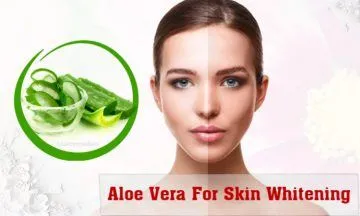
Aloe vera is generally safe for all skin types, but it is essential to adjust its application based on your skin’s specific needs. For oily skin, aloe vera’s light texture and antibacterial properties make it an excellent choice. Use a small amount of gel to avoid excess moisture, which can exacerbate oiliness. For dry skin, aloe vera provides much-needed hydration. Apply a generous layer of gel and consider combining it with moisturizing ingredients like honey or rosehip oil. For sensitive skin, perform a patch test before applying aloe vera to the entire face. If irritation occurs, dilute the gel or opt for products specifically designed for sensitive skin. For those with combination skin, target application on specific areas, using more gel on dry patches and less on oily areas. Tailoring the application method to the unique characteristics of your skin ensures optimal results and minimizes the risk of adverse reactions. The key is to observe how your skin responds.
Aloe Vera Application Techniques
Proper application is key to maximizing aloe vera’s skin whitening benefits. After cleansing your face, apply a thin, even layer of aloe vera gel. Gently massage the gel into your skin using circular motions, allowing it to absorb fully. For spot treatments, apply aloe vera directly to dark spots or areas of uneven pigmentation. For masks, leave the aloe vera on your skin for 15-20 minutes before rinsing. Using aloe vera as a daily moisturizer is a simple and effective method, making it an easy addition to your skincare routine. Consistency is crucial, so apply aloe vera regularly, preferably twice a day, for best results. Be patient, as noticeable changes in skin tone may take several weeks of consistent use. The frequency and method of application directly influence the efficacy of the aloe vera and overall outcome.
Aloe Vera Precautions and Side Effects
While aloe vera is generally safe, it is essential to be aware of potential precautions and side effects. Conduct a patch test before applying aloe vera to a large area of your skin, especially if you have sensitive skin. Apply a small amount of gel to a discreet area, such as the inner forearm, and wait 24 hours to check for any allergic reactions. Common side effects may include mild skin irritation, redness, or itching. Discontinue use if these symptoms persist. In rare cases, prolonged use of aloe vera can cause skin discoloration or increased sensitivity to sunlight. It is essential to protect your skin with sunscreen when using aloe vera, particularly during the daytime. Avoid applying aloe vera near the eyes or mouth, as it can cause irritation. Choosing high-quality, pure aloe vera gel reduces the risk of adverse effects. The precautions and side effects vary from person to person.
Aloe Vera Results How Long Does It Take

The time it takes to see results from using aloe vera for skin whitening varies depending on individual factors. These factors include skin type, the concentration of aloe vera used, the frequency of application, and the severity of the skin concerns. Generally, you may start to notice subtle improvements in skin tone and texture within a few weeks of consistent use. For more significant results, it may take several months. Patience and consistency are key. Regular application, combined with a healthy skincare routine and lifestyle choices, can accelerate the process. Results also depend on other products used and the skin conditions. Keep in mind that aloe vera provides gradual results. Setting realistic expectations is vital to staying motivated and achieving the desired skin whitening outcomes.
Maintaining Skin Whitening with Aloe Vera
Once you achieve your desired skin whitening results with aloe vera, it’s crucial to maintain them. Continue using aloe vera regularly, though you can reduce the frequency as needed. Incorporate aloe vera into your daily skincare routine as a moisturizer or mask. Protect your skin from sun damage by applying sunscreen with a high SPF every day, even on cloudy days. The sun’s rays can darken the skin and counteract the effects of aloe vera. Maintain a healthy lifestyle, including a balanced diet and adequate hydration. A diet rich in antioxidants and vitamins will promote overall skin health. Avoid harsh skincare products that can irritate the skin. Consider periodic exfoliation to remove dead skin cells and encourage cell turnover. By combining a consistent aloe vera regimen with these maintenance practices, you can sustain a brighter and more even skin tone for the long term.