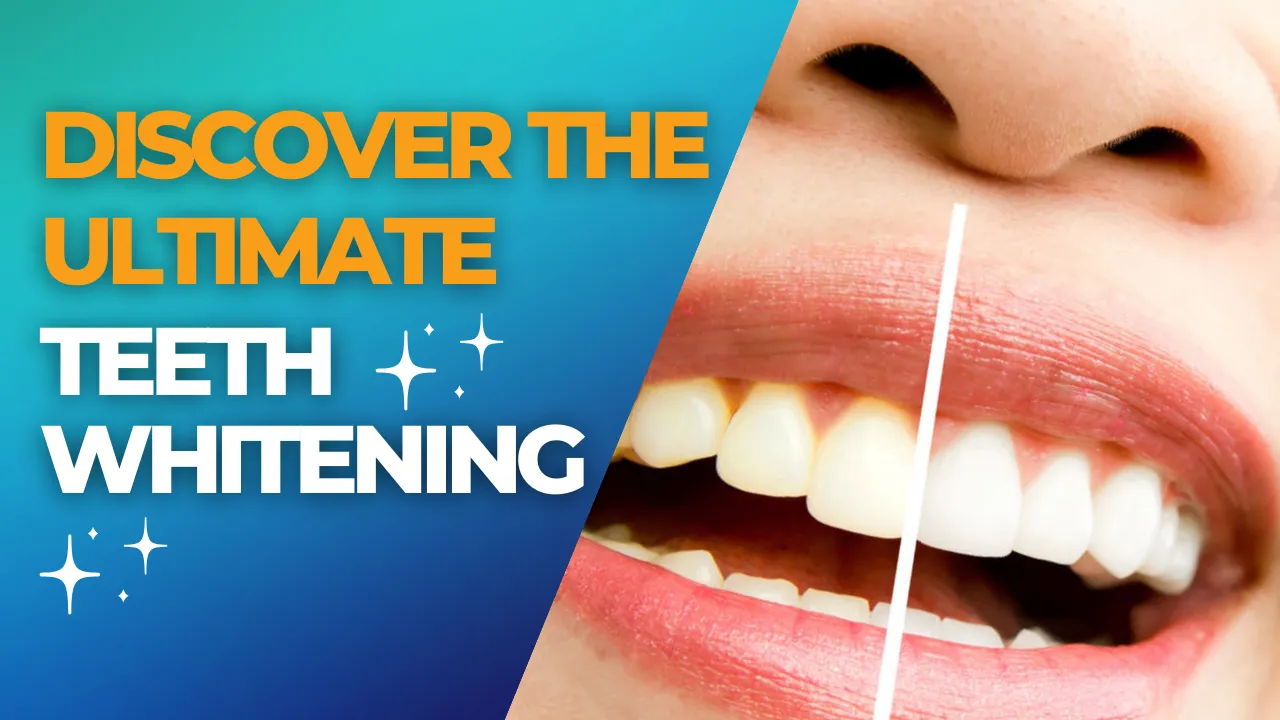
Are you dreaming of a brighter, more confident smile? Teeth whitening is one of the most popular cosmetic dental procedures, and for good reason. A dazzling smile can boost your self-esteem and make a lasting impression. However, navigating the world of teeth whitening can be daunting. This guide unveils the top 7 secrets for achieving the best teeth whitening results by a dentist, ensuring you make informed decisions and achieve a radiant, healthy smile. We’ll delve into professional methods, crucial considerations, and essential aftercare tips.
Top 7 Secrets for Best Teeth Whitening by Dentist
Understanding Teeth Whitening Options
The first step to achieving the best teeth whitening results is understanding the various options available. Teeth whitening treatments range from over-the-counter products to professional procedures performed by a dentist. Each method offers different levels of effectiveness and is suited for varying needs and budgets. Understanding the pros and cons of each option will empower you to make an informed decision and set realistic expectations. This initial understanding forms the foundation for a successful whitening journey, ensuring that you choose a method that aligns with your specific goals and dental health.
Professional vs Over-the-Counter Treatments

The primary distinction lies in the strength of the whitening agents and the supervision of a dental professional. Over-the-counter (OTC) products, such as whitening strips and toothpastes, contain lower concentrations of whitening agents and can provide modest results for surface stains. However, professional treatments, like those offered by a dentist, utilize higher concentrations of hydrogen peroxide or carbamide peroxide. This allows for more dramatic and quicker results. Moreover, a dentist can assess your oral health, identify any underlying issues, and customize the treatment to your specific needs. This personalized approach not only enhances the effectiveness of the whitening but also ensures the safety and health of your teeth and gums. Consider images like ’teeth-whitening-options’ to highlight the differences visually.
The Importance of a Dental Consultation
Before embarking on any teeth whitening treatment, a consultation with your dentist is crucial. During this consultation, the dentist will examine your teeth and gums to assess your overall oral health. This evaluation helps identify any pre-existing conditions, such as cavities, gum disease, or tooth sensitivity, that might affect the whitening process. A professional cleaning, performed by the dentist, may be needed to remove any surface stains and prepare your teeth for optimal whitening. Furthermore, the dentist will discuss your expectations, explain the different whitening options, and recommend the most suitable treatment plan for your specific needs. The consultation also involves discussing potential risks and benefits, ensuring you are well-informed and comfortable with the procedure. Use ‘dentist-consultation’ image to emphasize the importance.
Secret 1 Selecting the Right Whitening Method
Choosing the right whitening method is paramount to achieving the best results. Your dentist will consider factors like the severity of your stains, your desired level of brightness, and your budget to recommend the most appropriate treatment. This could involve in-office whitening, custom tray systems, or a combination of approaches. The selection process is highly individualized. Also it’s not a one-size-fits-all approach, emphasizing the importance of a dentist’s expertise in guiding your decision.
In-Office Whitening Procedures

In-office whitening offers immediate and dramatic results. This procedure involves the dentist applying a high-concentration whitening gel to your teeth and using a special light or laser to activate the whitening agent. The process typically takes about an hour and can lighten your teeth several shades in a single session. In-office treatments are ideal for those seeking rapid results or have significant discoloration. The dentist can monitor your progress and adjust the treatment as needed, ensuring the safety and effectiveness of the procedure. Consider the image ‘in-office-whitening’ to illustrate this process.
Custom Tray Whitening Systems
Custom tray whitening systems, often provided by your dentist, involve creating custom-fitted trays that snugly fit your teeth. You fill these trays with a whitening gel and wear them for a specified amount of time each day or night. This method offers a more gradual whitening process, allowing for greater control over the final shade. It is a great option for those who prefer to whiten their teeth at home while under professional guidance. The dentist will monitor your progress and provide guidance to ensure effective and safe treatment. This system offers a balance of convenience and professional oversight. An image of ‘custom-tray-whitening’ would be a great visual aid here.
Secret 2 The Role of Professional Cleaning
Before any whitening treatment, professional cleaning is essential. This cleaning removes plaque, tartar, and surface stains that can hinder the whitening process. These surface stains act as a barrier, preventing the whitening agent from effectively reaching the enamel. By having your teeth professionally cleaned, you ensure that the whitening treatment can penetrate the enamel evenly, leading to more consistent and brighter results. The cleaning also helps to assess overall oral health, allowing the dentist to identify any potential issues before starting the whitening procedure. Incorporate the image ‘professional-cleaning’ to visualize this concept.
Preparing Teeth for Whitening

Preparing your teeth involves more than just cleaning. Your dentist may recommend specific oral hygiene practices or desensitizing treatments to minimize potential sensitivity during the whitening process. These preparatory steps ensure that your teeth are in optimal condition for whitening, reducing the risk of discomfort and maximizing the effectiveness of the treatment. This proactive approach is vital for achieving a positive and comfortable whitening experience, setting the stage for a brighter, healthier smile.
Maintaining Oral Health
Maintaining excellent oral health is key to long-lasting whitening results. This involves brushing your teeth twice daily, flossing regularly, and using an antiseptic mouthwash. Regular dental check-ups and cleanings are also crucial for maintaining the health and brightness of your smile. Consistent oral hygiene helps prevent new stains from forming and ensures that your teeth remain healthy and beautiful. The goal is to integrate these practices seamlessly into your daily routine for enduring oral health benefits.
Secret 3 Choosing the Right Whitening Agent
The choice of whitening agent significantly influences the outcome of your treatment. Dentists use either hydrogen peroxide or carbamide peroxide, both effective bleaching agents. The concentration of the agent and the method of application determine the speed and intensity of the whitening. Understanding the differences between these agents helps you make an informed decision about the best treatment for your needs. It ensures your smile gets the brightness you desire, and that any potential discomfort is minimized.
Hydrogen Peroxide and Carbamide Peroxide

Hydrogen peroxide is a powerful whitening agent used in higher concentrations in in-office treatments. Carbamide peroxide, a milder form, breaks down into hydrogen peroxide and is often used in at-home whitening systems. The dentist will choose the agent and concentration based on your specific needs, the desired results, and the sensitivity of your teeth. Both agents effectively lighten teeth, but their application methods and strengths vary. The dentist’s expertise in choosing the right agent will maximize whitening effectiveness while maintaining your comfort and dental health. Consider using the image ‘whitening-agent’.
Concentration and Effectiveness
The concentration of the whitening agent directly impacts its effectiveness. Higher concentrations typically lead to faster and more dramatic results, but they may also increase the risk of tooth sensitivity. Your dentist will carefully assess your teeth and gums to determine the appropriate concentration for your treatment, balancing effectiveness with comfort. This balance is crucial for a positive whitening experience and helps avoid any unnecessary discomfort. It is this personalized approach which defines a professional whitening treatment.
Secret 4 The Impact of Diet and Lifestyle
Your diet and lifestyle choices can significantly affect the longevity and effectiveness of your teeth whitening. Certain foods and drinks stain teeth, while others can help maintain a bright smile. Awareness of these factors allows you to make informed choices that support your whitening efforts. You can actively maintain the brightness of your smile by making adjustments to your diet and adopting beneficial lifestyle habits. These choices contribute to the long-term success of your whitening treatment.
Foods and Drinks to Avoid

Foods and drinks that are high in staining agents should be minimized. These include coffee, tea, red wine, dark sodas, and highly pigmented foods like berries and curries. If you consume these items, rinse your mouth with water immediately afterward to reduce their staining effects. Avoiding these foods and drinks or consuming them in moderation will help preserve the results of your teeth whitening. Using the image ’teeth-whitening-diet’ can help illustrate the foods to avoid.
Lifestyle Choices and Teeth Whitening
Smoking and chewing tobacco can severely stain your teeth and diminish the results of whitening treatments. Quitting these habits is one of the best things you can do to maintain a bright smile and improve your overall health. Additionally, good oral hygiene practices, such as brushing and flossing, are essential for preventing stains and keeping your teeth looking their best. Your lifestyle choices, including your oral hygiene routine, significantly impact the longevity and appearance of your whitened smile. This proactive approach ensures that your investment in teeth whitening yields lasting results.
Secret 5 The Importance of Follow-Up Care
Post-whitening care is just as important as the whitening treatment itself. It ensures that you maintain your bright smile and address any potential issues that may arise. Following your dentist’s recommendations for aftercare will maximize the longevity of your results and keep your teeth healthy. These steps are crucial for a successful and satisfying whitening experience.
Post-Whitening Sensitivity Management

Tooth sensitivity is a common side effect of teeth whitening. Your dentist may recommend using a desensitizing toothpaste or fluoride treatment to help manage sensitivity. Avoiding excessively hot or cold foods and drinks for a short period can also reduce discomfort. Following your dentist’s recommendations ensures that you can manage any sensitivity effectively, making your experience as comfortable as possible. Your dentist’s guidance plays a vital role in reducing any discomfort and promoting a smooth recovery process.
Regular Dental Check-Ups
Regular dental check-ups and cleanings are essential for maintaining your bright smile. These visits allow your dentist to assess your oral health, address any new stains, and provide professional cleanings to keep your teeth looking their best. Schedule these appointments as recommended by your dentist, typically every six months, to ensure optimal oral health and the longevity of your whitening results. Regular check-ups are an investment in your long-term oral health and the maintenance of your beautiful smile.
Secret 6 Realistic Expectations and Results
Understanding what to expect from teeth whitening is crucial. The degree of whitening varies depending on the individual, the type of treatment, and the existing shade of your teeth. Setting realistic expectations ensures that you are satisfied with the results. Your dentist can help you understand what is achievable for your particular case and offer guidance on how to maintain your desired shade.
Understanding Individual Results
Teeth whitening results can vary significantly from person to person. Factors such as the natural shade of your teeth, the type and severity of stains, and your oral health all play a role. Your dentist will assess these factors to provide you with realistic expectations. Some people may achieve dramatic results, while others may see more modest changes. Understanding the individual nature of the results can prevent disappointment and ensure a positive experience. It is important to align your expectations with what is achievable for you.
Setting Realistic Goals
Before starting any whitening treatment, discuss your goals with your dentist. They can explain what you can realistically expect to achieve based on your individual circumstances. Setting realistic goals helps you avoid disappointment and ensures that you are happy with the final outcome. Understanding the potential results and aligning your expectations with reality leads to greater satisfaction. This collaborative approach with your dentist will maximize your chances of success and satisfaction.
Secret 7 Cost Considerations for Whitening
The cost of teeth whitening varies depending on the method chosen and the geographic location. It’s essential to consider the overall value, which includes the effectiveness, safety, and expertise of the dentist. While the cost is an important factor, it shouldn’t be the only determining factor. The long-term benefits of a brighter, healthier smile often outweigh the initial investment. Consider the total value you receive for your investment in achieving a dazzling smile.
Comparing Whitening Costs
The price of teeth whitening procedures can vary significantly. In-office treatments are generally more expensive than at-home options, but they offer quicker and more dramatic results. Custom tray whitening systems usually cost less than in-office treatments but require more time and commitment. Compare the costs of different options and consider the benefits of each. Look for a balance between cost, convenience, and effectiveness, and choose the method that best fits your needs and budget. Research the pricing structure and ask your dentist for a detailed breakdown of the costs.
Payment Options and Insurance Coverage
Many dental practices offer various payment options, including payment plans, to make teeth whitening more affordable. While teeth whitening is often considered a cosmetic procedure and not covered by insurance, some dental plans may offer partial coverage. Discuss payment options with your dentist to find a plan that fits your budget. Check with your insurance provider to determine if any portion of the treatment is covered. This transparency in cost management helps you plan and budget effectively.
In conclusion, achieving the best teeth whitening results by a dentist involves understanding your options, prioritizing your oral health, and setting realistic expectations. By following these 7 secrets – from selecting the right method to maintaining excellent oral hygiene – you can achieve a brighter, more confident smile. Remember to consult with your dentist to create a personalized treatment plan that meets your needs and goals. With the right approach, you can unlock the full potential of teeth whitening and enjoy a dazzling, healthy smile for years to come.