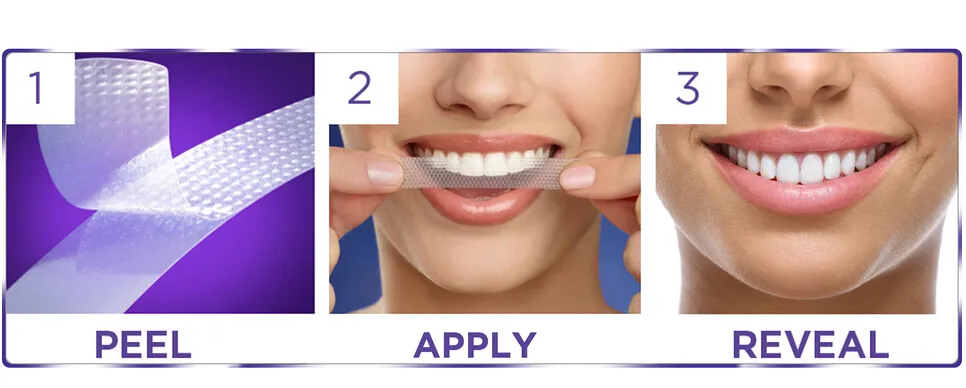
What Are Whitening Strips
Whitening strips are thin, flexible strips coated with a peroxide-based whitening agent, primarily designed to brighten the surface of your teeth. They are a popular over-the-counter cosmetic dental product. These strips offer a convenient and cost-effective method for achieving a whiter smile from the comfort of your own home. The active ingredient, typically hydrogen peroxide or carbamide peroxide, penetrates the enamel to break down stain molecules. They have become a go-to solution for individuals seeking to improve their smile aesthetics, offering a relatively simple process with noticeable results. It is important to understand that while they are effective, the results can vary based on individual factors such as the severity of stains and the condition of the teeth.
How Whitening Strips Work
The magic behind whitening strips lies in the chemical reaction between the peroxide agent and the stains on your teeth. When the strip is applied, the whitening agent comes into contact with the enamel surface. This agent then penetrates the enamel, breaking down the discolored molecules that cause stains. The process is similar to how bleach works on other surfaces, but is designed to be safe for teeth. As the stain molecules are broken down, they become less concentrated, and your teeth appear brighter. This is a gradual process, with visible results typically appearing after a few days or weeks of consistent use. It’s important to follow the instructions on the package to ensure the effectiveness of the process and to minimize any potential side effects.
Choosing the Right Whitening Strips
Selecting the right whitening strips can make a significant difference in your teeth-whitening journey. The market is flooded with options, so choosing the right one can feel overwhelming. Consider the concentration of the whitening agent; higher concentrations may yield faster results, but also increase the risk of sensitivity. Look for strips with a good reputation and positive reviews. It’s always a good idea to consult with your dentist before starting any teeth whitening treatment, especially if you have sensitive teeth or any underlying dental conditions. This will help you choose a product that is both effective and safe for your specific needs. Also, consider the ease of use and the length of time the strips need to be applied each day. Some strips are designed for shorter wear times, which might be more convenient for your lifestyle.
Things to Consider When Buying Strips
When purchasing whitening strips, several factors come into play. First, consider the brand’s reputation and read reviews from other users to gauge the product’s effectiveness and potential side effects. Secondly, pay attention to the concentration of the active ingredient, usually hydrogen peroxide or carbamide peroxide. Higher concentrations may offer quicker results, but they can also increase tooth sensitivity. The number of strips included in the package, along with the recommended treatment duration, should also be considered, as these factors impact the overall cost and convenience of the treatment. Those with sensitive teeth should seek out strips specifically designed for sensitivity, often containing a lower concentration of the whitening agent.
Different Types of Whitening Strips
The market features various types of whitening strips to cater to different needs and preferences. Standard whitening strips are the most common, offering a balance of effectiveness and affordability. Some strips are designed for sensitive teeth, featuring lower concentrations of the whitening agent to minimize irritation. There are also rapid-release strips, which offer faster whitening in a shorter time, though they may come with a higher risk of sensitivity. Additionally, some strips are designed to target specific teeth or areas of discoloration. Before choosing a type, consider your specific needs, including your sensitivity level, desired results, and time commitment.
Step-by-Step Guide to Using Whitening Strips

Using whitening strips effectively involves a few key steps to ensure optimal results and minimize potential side effects. Following these steps can help you achieve a brighter smile safely and efficiently. Remember to read and follow the instructions on the product packaging, as different brands may have slightly different application methods or wear times. Consistency is important; adhering to the recommended treatment schedule is crucial for achieving the best results.
Prepare Your Teeth
Before applying whitening strips, prepare your teeth by brushing gently. Avoid using abrasive toothpastes, as they can increase sensitivity. Floss your teeth to remove any food particles or debris that might interfere with the strips’ contact with your teeth. Ensure your teeth are dry before application; moisture can affect the adhesion of the strips. It is recommended to brush your teeth before applying the strips, but wait at least 30 minutes after brushing before applying the strips. This waiting period allows saliva to re-mineralize the enamel and minimize the chances of sensitivity.
Apply the Whitening Strips Correctly
Carefully peel the whitening strips from their backing. Apply the longer strip to your upper teeth and the shorter strip to your lower teeth. Align the strips along your gum line and gently press them to the surface of your teeth. Ensure the strips are securely adhered to all tooth surfaces, especially the front teeth, where staining is most noticeable. Avoid touching your gums excessively, as the whitening agent can cause irritation. If the strips overlap your gums, trim them slightly to avoid unnecessary contact and potential discomfort. The strips should cover the visible surface of your teeth.
Setting the Timer and Waiting

Once the strips are properly applied, set a timer according to the product instructions. The recommended wear time varies depending on the brand and the concentration of the whitening agent. Most strips require application for 30 minutes to an hour daily, but some may have shorter or longer wear times. During the waiting period, avoid talking excessively or engaging in activities that could dislodge the strips. Do not eat, drink, or smoke while the strips are in place. This is critical for achieving the best results. Keeping your mouth closed, but not tightly clenched, will help the strips stay in place and work effectively.
Removing the Strips and Rinsing
After the recommended wear time, carefully remove the strips. Peel them off slowly to avoid any discomfort or accidental damage to your teeth or gums. Dispose of the used strips properly. Rinse your mouth with water to remove any remaining whitening agent. Avoid swallowing the rinse. Some people find that rinsing with a fluoride mouthwash can help reduce sensitivity after using whitening strips. Do not brush your teeth immediately after removing the strips; wait for at least 30 minutes to allow your enamel to recover. This prevents potential irritation and minimizes the risk of sensitivity.
Maximizing Whitening Strips Effectiveness
To get the most out of your whitening strips, several factors can enhance their effectiveness. Consistency is key; adhere to the recommended usage schedule and treatment duration. This usually means using the strips once or twice a day for the period specified by the manufacturer, typically a couple of weeks. For optimal results, it’s essential to maintain excellent oral hygiene, including regular brushing, flossing, and dental check-ups. Avoid habits that stain teeth, such as smoking and consuming excessive amounts of coffee, tea, and red wine, particularly during the whitening treatment. This will help you get and maintain the best results.
Maintain Good Oral Hygiene

Proper oral hygiene is essential for maximizing the effectiveness of whitening strips and maintaining a bright smile. Brush your teeth at least twice a day using a fluoride toothpaste, and floss daily to remove plaque and food particles from between your teeth and along your gum line. Regular dental check-ups and cleanings are crucial for removing any surface stains and addressing potential oral health issues. Using an antibacterial mouthwash can further help reduce plaque and bacteria. Good oral hygiene is not only important for the appearance of your teeth, but also for your overall health. Brushing, flossing, and regular dental visits will make your teeth healthier and make your whitening treatment more successful.
Avoid Staining Foods and Drinks
Certain foods and drinks can stain your teeth and diminish the effects of whitening strips. During your teeth-whitening treatment, it’s important to avoid or minimize the consumption of staining substances. Coffee, tea, red wine, and dark-colored sodas are common culprits. Be careful with foods that are highly pigmented, such as berries, soy sauce, and curries. If you do consume staining foods or drinks, rinse your mouth with water immediately afterward to help prevent stains from setting in. This will help to maintain the results of your whitening treatment. By making smart dietary choices, you can significantly enhance and prolong the benefits of using whitening strips.
Whitening Strips for Sensitive Teeth
If you have sensitive teeth, using whitening strips requires extra care. Look for strips specifically designed for sensitive teeth; these typically contain lower concentrations of the whitening agent. Apply the strips for shorter durations and use them less frequently than the standard instructions. Consider using a toothpaste designed for sensitive teeth, which can help reduce discomfort. It might also be helpful to consult with your dentist. Your dentist might recommend using a desensitizing toothpaste for a couple of weeks before starting the whitening treatment. This will help reduce sensitivity and make the overall process more comfortable. It is important to monitor how your teeth react to the strips and stop using them if you experience excessive sensitivity.
Potential Side Effects of Whitening Strips

While whitening strips are generally safe, some potential side effects can occur. Tooth sensitivity is the most common, which can manifest as a sharp, temporary pain when consuming hot or cold foods and drinks. Gum irritation is also possible, causing redness, swelling, or discomfort along the gum line. In rare cases, uneven whitening or changes in tooth color can occur. These side effects are usually mild and temporary, disappearing shortly after the treatment is completed. If you experience severe or persistent side effects, it’s crucial to stop using the strips and consult with your dentist. Proper use and choosing the right product can help to minimize risks.
Best Practices to Minimize Sensitivity
Several practices can help minimize tooth sensitivity when using whitening strips. Use strips designed for sensitive teeth, which contain lower concentrations of the active ingredient. Apply the strips for a shorter duration than recommended on the package. Consider using a desensitizing toothpaste for a couple of weeks before starting the whitening treatment and during the treatment. Avoid consuming extremely hot or cold foods and drinks during the treatment. If sensitivity occurs, take a break from the treatment and consult your dentist. They may recommend using fluoride treatments or other solutions to alleviate sensitivity. Following these best practices will help to make your teeth whitening experience more comfortable.
Frequently Asked Questions
When using whitening strips, many questions often arise. Addressing these questions can help you understand the process and make informed decisions. Here are answers to the most commonly asked questions.
How Long do Whitening Strips Last

The longevity of the results from whitening strips varies depending on several factors, including your oral hygiene habits, diet, and lifestyle. Typically, the whitening effect can last from a few months to up to a year. However, if you regularly consume staining foods and drinks, or if you smoke, the results may fade more quickly. To extend the results, maintain excellent oral hygiene, avoid staining substances, and consider occasional touch-up treatments. Regular dental check-ups and cleanings can also help maintain your bright smile. The effects are not permanent, so maintenance is key to enjoying your brighter smile for as long as possible.
Are Whitening Strips Safe
Whitening strips are generally considered safe when used according to the manufacturer’s instructions. However, they are not suitable for everyone. Some people may experience side effects like tooth sensitivity or gum irritation. Whitening strips are not recommended for pregnant or breastfeeding women, or for children under the age of 12. If you have any existing dental issues, such as cavities or gum disease, it’s essential to consult with your dentist before using whitening strips. They can assess your oral health and advise you on the best course of action. Following safety guidelines and consulting with a dentist when necessary will help to ensure a safe and effective teeth whitening experience.
When Should I See Results
You can usually start to see results from whitening strips within a few days to a couple of weeks of consistent use. The exact timeline varies depending on the brand, the concentration of the whitening agent, and the severity of your tooth stains. Some strips offer faster results, while others provide a more gradual whitening effect. For optimal results, it’s crucial to follow the instructions on the package and use the strips as directed. Consistent use is key to achieving a brighter smile. Be patient and allow the treatment time to work; you should see a noticeable difference in your teeth’s appearance within the recommended treatment duration.