Understanding Crest Whitening Strips
Crest Whitening Strips have become a popular choice for people seeking a brighter smile. These strips, readily available in drugstores and online, offer a convenient way to whiten teeth at home. They typically consist of a thin, flexible plastic strip coated with a whitening agent, most commonly hydrogen peroxide or carbamide peroxide. The appeal lies in their ease of use and relatively low cost compared to professional teeth whitening treatments. However, it’s crucial to understand how they work and the potential risks involved before incorporating them into your oral hygiene routine. Many users are unaware of the potential damage these strips can cause if not used correctly. Therefore, understanding the product is crucial for safe and effective teeth whitening.
How Crest Whitening Strips Work
Crest Whitening Strips work by using the whitening agent to penetrate the enamel of your teeth and break down the stain molecules. When the strips are applied to the teeth, the active ingredient, usually hydrogen peroxide, reacts with the discolored molecules, effectively oxidizing them and making them less visible. The peroxide penetrates the enamel, reaching the dentin layer, where the majority of stains reside. Over time, with consistent use, these stains are reduced, leading to a visibly whiter smile. The effectiveness of the strips depends on the concentration of the whitening agent, the duration of application, and the frequency of use. Furthermore, the type and severity of the stains on your teeth can also affect the results, with some stains being more resistant to the whitening process than others.
The Active Ingredients in Crest Whitening Strips

The primary active ingredients in Crest Whitening Strips are hydrogen peroxide or carbamide peroxide. Hydrogen peroxide is a strong oxidizing agent that effectively breaks down stain molecules within the tooth enamel. Carbamide peroxide is another whitening agent that slowly breaks down into hydrogen peroxide. The concentration of these ingredients varies depending on the product and the desired level of whitening. Higher concentrations generally lead to faster results, but they also increase the risk of sensitivity and other side effects. It’s essential to carefully read the product label to understand the concentration of the active ingredient and follow the instructions for use to minimize potential risks and maximize effectiveness. Furthermore, some strips may contain other ingredients, such as flavoring agents and stabilizers, which contribute to the overall user experience and product shelf life.
Potential Risks of Crest Whitening Strips
While Crest Whitening Strips can be effective, they also carry potential risks. Overuse or improper use can lead to various adverse effects, ranging from temporary sensitivity to more serious issues. Understanding these risks is crucial for making informed decisions about using these products and ensuring your oral health. Some individuals may experience adverse reactions or discomfort during and after using these strips. It’s always best to be well-informed before proceeding with any teeth-whitening procedure.
Tooth Sensitivity and Gum Irritation
Tooth sensitivity is one of the most common side effects of using Crest Whitening Strips. This sensitivity occurs because the whitening agents can penetrate the enamel and reach the dentin, which contains the nerve endings. This can result in sharp, temporary pain or discomfort, especially when consuming hot or cold foods and beverages. Gum irritation is another common issue. The whitening agent can come into contact with the gums, causing irritation, redness, and even blistering. This can be particularly likely if the strips are not applied properly or if they extend beyond the gum line. These side effects are usually temporary, resolving once the use of the strips is discontinued or reduced.
Enamel Erosion and Weakening

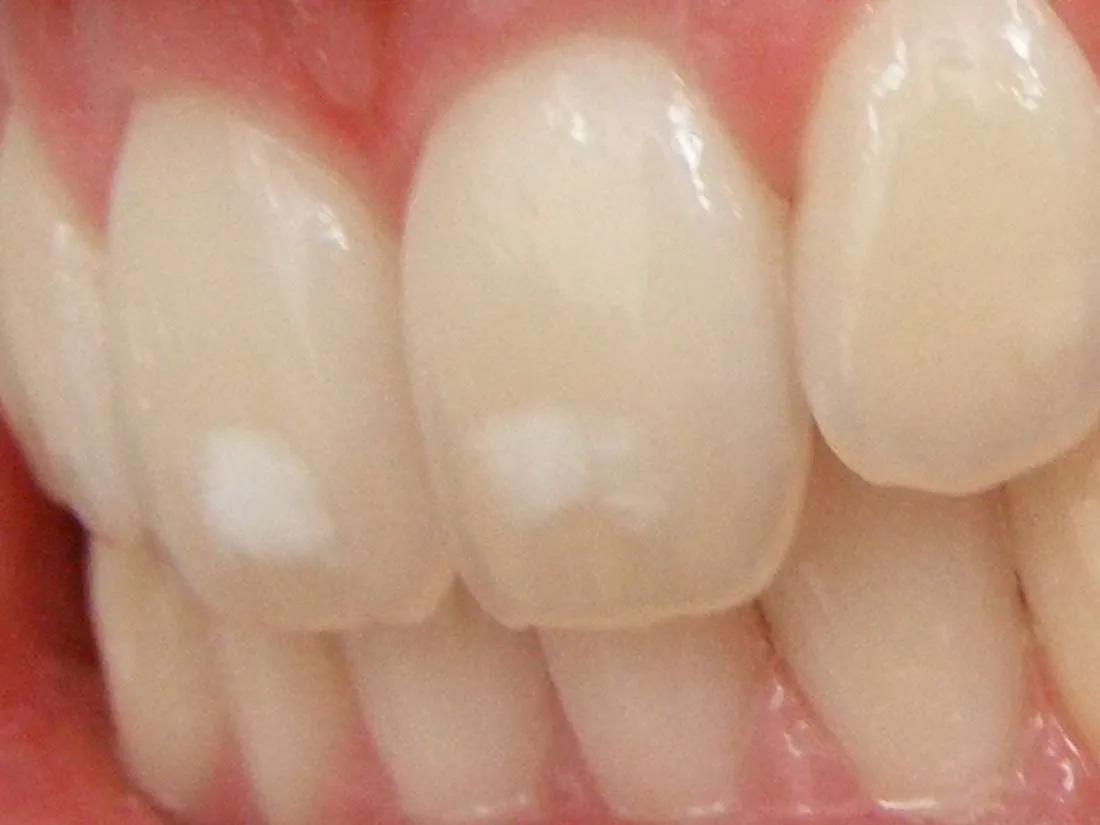
Overuse or misuse of Crest Whitening Strips can lead to enamel erosion and weakening. While the enamel is the hardest substance in the human body, it can be damaged by the strong oxidizing agents in the strips. Frequent exposure to these agents can gradually break down the enamel, making the teeth more susceptible to cavities and other dental problems. Enamel erosion can also make the teeth appear more transparent or yellow, as the underlying dentin becomes more visible. Furthermore, once enamel is eroded, it cannot regenerate, making preventive measures and dental treatments crucial to maintain oral health and function.
How to Use Crest Whitening Strips Safely
Using Crest Whitening Strips safely involves following specific guidelines and precautions to minimize the risk of adverse effects. It is important to read and understand the product instructions thoroughly and to consult with a dental professional before starting any teeth-whitening treatment. Moreover, proper application techniques and a responsible approach to usage are key to achieving a brighter smile without compromising your oral health. Taking these precautions will ensure a positive experience and help you achieve the desired results while minimizing potential risks.
Consulting a Dentist
Before using Crest Whitening Strips, it’s wise to consult with your dentist. A dental professional can assess your oral health, identify any existing issues (like cavities or gum disease), and advise whether teeth whitening is suitable for you. They can also recommend the most appropriate whitening products and provide guidance on proper usage. Your dentist can also take the time to explain the possible risks and side effects, helping you make an informed decision. Moreover, they can provide professional teeth-whitening options if the over-the-counter strips are not the best choice for your needs. Consulting a dentist guarantees a personalized approach, which is essential for achieving optimal and safe results.
Choosing the Right Product

Not all Crest Whitening Strips are the same. They vary in terms of the concentration of the whitening agent and the duration of use. When choosing a product, consider your current tooth sensitivity level and the desired whitening results. If you have sensitive teeth, it’s best to opt for a product with a lower concentration of the active ingredient. Look for strips that are specifically designed for sensitive teeth. Also, be sure to check the product reviews and ratings. This will help you know what to expect in terms of efficacy and potential side effects. Always prioritize your dental health and choose a product that aligns with your specific needs and oral health condition.
Proper Application Techniques
Proper application is crucial for the safe and effective use of Crest Whitening Strips. Before applying the strips, brush your teeth gently to remove any food particles or debris, but avoid brushing immediately before applying the strips. Make sure your teeth are dry before application. Carefully apply the strips to your upper and lower teeth, aligning them with your gum line. Avoid contact with your gums to prevent irritation. Follow the product instructions for the recommended duration of wear, and avoid exceeding this time. After removing the strips, rinse your mouth with water. Avoid eating or drinking for at least 30 minutes after applying the strips. Consistent and correct application helps to maximize the whitening effect while minimizing potential side effects.
Preventing Sensitivity
To minimize tooth sensitivity, there are several steps you can take. Use a toothpaste designed for sensitive teeth, as it contains ingredients that help block the pathways to the nerves. Avoid consuming highly acidic foods and beverages, such as citrus fruits and sodas, immediately before or after using the strips. Limit the duration and frequency of strip use if you experience sensitivity. Some people find that using a fluoride rinse can help strengthen their enamel and reduce sensitivity. If sensitivity persists, consider consulting with your dentist for professional advice and possible treatments. Taking a proactive approach will enable you to safely use whitening strips while preserving your comfort.
Alternatives to Crest Whitening Strips

If you’re concerned about the potential risks of Crest Whitening Strips, there are alternative options for teeth whitening. Your dentist can offer professional whitening treatments, such as in-office bleaching, which provides faster and more controlled results. They can also create custom-fitted whitening trays for use at home, which offer a more precise application and reduce the risk of gum irritation. Other options include whitening toothpastes and mouthwashes. These products contain mild abrasive agents or whitening ingredients that can help remove surface stains. However, they are generally less effective than professional treatments. Consulting with your dentist to determine the best whitening option for your needs will ensure optimal results without compromising your oral health.
In conclusion, while Crest Whitening Strips can be a convenient way to whiten your teeth, it’s crucial to understand how to use them safely. By consulting with a dentist, choosing the right product, using proper application techniques, and taking steps to prevent sensitivity, you can minimize the risks and achieve a brighter smile. Remember, your oral health is paramount. If you experience any adverse effects, discontinue use and consult with your dentist. Prioritize your dental health and follow professional guidance for safe and effective teeth whitening.