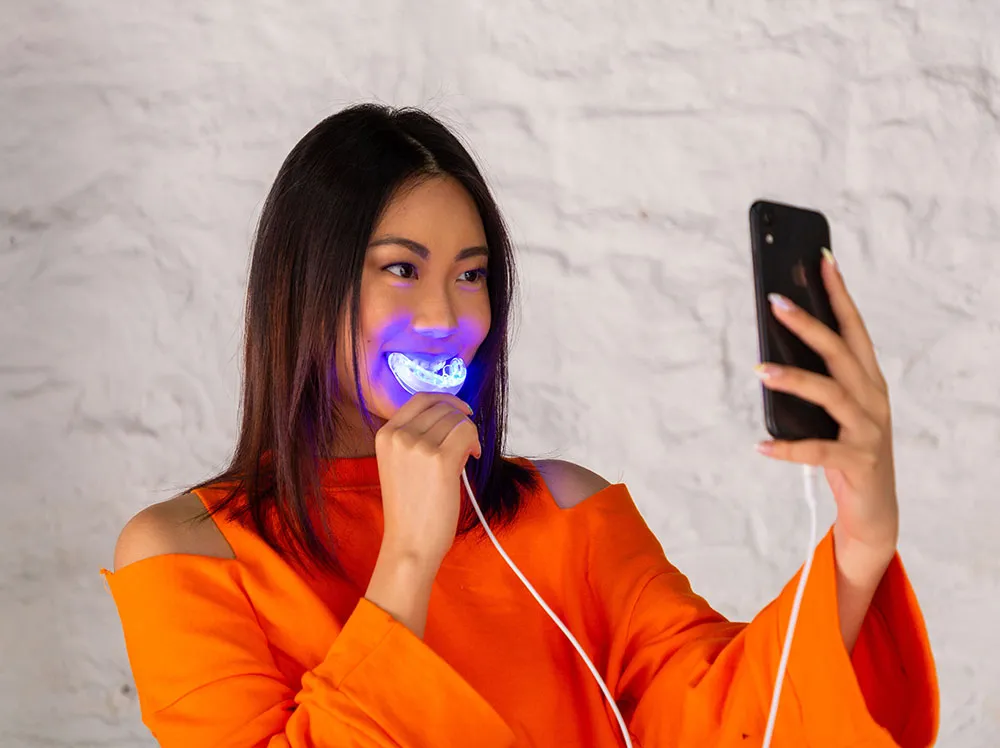
DIY Teeth Whitening Kits Fact 1 Understanding the Basics
DIY teeth whitening kits have surged in popularity, promising a brighter smile from the comfort of your home. But what exactly are these kits, and how do they work? Understanding the basics is crucial before you start. These kits typically involve various methods, ranging from whitening strips and gels to toothpaste and even homemade remedies. The effectiveness and safety of these methods can vary greatly, so it is important to know the ingredients and what to expect before you try one. This guide will help you understand the different types of kits, their ingredients, and how they aim to whiten your teeth. Educating yourself is the first step towards making an informed decision.
What are DIY Teeth Whitening Kits
DIY teeth whitening kits come in a variety of forms, each designed to simplify the teeth whitening process. The most common types include whitening strips, which are thin, flexible strips coated with a whitening agent that you apply directly to your teeth. Whitening gels, often used with custom or pre-made trays, allow the whitening solution to stay in contact with your teeth for a specified period. Whitening toothpastes contain mild abrasives and chemicals that help remove surface stains, while whitening pens offer a convenient way to apply a whitening solution on the go. Knowing the different types helps you choose the best method for your needs.
Common Ingredients in DIY Kits

The key ingredients in DIY teeth whitening kits often include hydrogen peroxide or carbamide peroxide, which are the active agents that break down stain molecules. These chemicals penetrate the enamel and dentin, oxidizing the stain compounds and making your teeth appear brighter. Other ingredients may include sodium hydroxide, which helps to maintain the pH balance of the solution, and flavorings like mint to improve the taste and user experience. The concentration of these ingredients varies depending on the product, which affects the effectiveness and potential risks involved. Understanding the ingredients helps you make a safer choice. (Image diy-kit-ingredients.webp)
DIY Teeth Whitening Kits Fact 2 Effectiveness & Limitations
How well do DIY teeth whitening kits actually work? The answer isn’t always straightforward. While many kits can deliver noticeable results, their effectiveness varies depending on several factors, including the type of stains, the concentration of the whitening agent, and the duration of use. Surface stains caused by coffee, tea, or smoking are often easier to remove compared to intrinsic stains, which are deeper and may require professional treatment. Additionally, the results might not be as dramatic or long-lasting as those achieved through professional treatments. Therefore, manage your expectations and understand the limitations of these kits. (Image teeth-whitening-before-after.webp)
Whitening Power of DIY Kits
The whitening power of DIY kits is typically determined by the concentration of hydrogen peroxide or carbamide peroxide. Higher concentrations can produce faster and more noticeable results, but they also increase the risk of side effects, such as tooth sensitivity and gum irritation. Many over-the-counter kits contain lower concentrations compared to professional treatments, making them less effective for severe staining. However, with consistent use, these kits can still provide a noticeable improvement, especially for mild to moderate stains. The impact of your DIY kits depends on the ingredients used.
Factors Affecting Whitening Results

Several factors can affect the outcome of DIY teeth whitening. The type and severity of stains play a significant role; surface stains from food and drinks tend to respond better than intrinsic stains. The overall health and condition of your teeth are also important; any existing dental issues, such as cavities or gum disease, should be addressed before whitening. Adhering to the instructions provided with the kit is crucial for optimal results. Finally, your lifestyle choices, such as diet and smoking habits, can affect the longevity of your whitening results. (Image teeth-whitening-results.webp)
DIY Teeth Whitening Kits Fact 3 Safety & Potential Risks
While DIY teeth whitening kits offer a convenient way to brighten your smile, they also come with potential risks. Understanding these risks is essential for making informed decisions and ensuring your oral health. The most common side effects include tooth sensitivity and gum irritation. In rare cases, more severe complications may arise, particularly if the product is used incorrectly or for an extended period. Being aware of these potential issues helps you take appropriate precautions and seek professional advice if needed. Always prioritize your safety.
Possible Side Effects of DIY Kits
The most common side effects associated with DIY teeth whitening kits are tooth sensitivity and gum irritation. Tooth sensitivity may occur because the whitening agents can penetrate the enamel and reach the dentin, irritating the nerves within the teeth. Gum irritation, characterized by redness, swelling, and soreness, can result from the whitening agent coming into contact with the soft tissues. Other potential, though less common, side effects include changes in the texture of the enamel and allergic reactions to certain ingredients. (Image sensitive-teeth.webp)
How to Minimize Risks During DIY Whitening

To minimize the risks associated with DIY teeth whitening, follow the instructions provided with the kit carefully. Avoid overusing the product, as this can increase the likelihood of side effects. If you experience tooth sensitivity, consider using a toothpaste designed for sensitive teeth. Protect your gums by avoiding direct contact with the whitening agent. If you have any existing dental problems, such as cavities or gum disease, consult your dentist before starting the whitening process. Regular dental check-ups can also help monitor your oral health and address any issues. Additionally, do your research and select products from reputable brands that have been tested and approved. If your sensitivity is high, contact your dentist.
DIY Teeth Whitening Kits Fact 4 Cost vs Professional Whitening
One of the main considerations when choosing a teeth whitening method is the cost. DIY kits are generally more affordable than professional treatments, making them an attractive option for many. However, the cost isn’t always the only factor to consider. Professional whitening treatments, performed by a dentist, can provide faster and more dramatic results. They also come with the added benefit of professional supervision and can address more complex cases. Weighing the cost against the potential benefits and risks can help you make the best decision for your needs. (Image diy-vs-professional-whitening.webp)
Comparing DIY Kits and Professional Treatments
DIY kits and professional treatments differ significantly in several aspects. Professional treatments often use higher concentrations of whitening agents and can provide more dramatic results in a shorter time. Dentists can also assess your oral health and ensure the treatment is safe and suitable for your teeth. DIY kits offer convenience and cost savings, but they may not be as effective for all types of stains. The supervision of a dentist during a professional treatment reduces the risk of complications and allows for personalized care. The results from professional treatments tend to be more predictable, but the treatment is more expensive.
Hidden Costs & Additional Expenses

When evaluating the cost of DIY teeth whitening kits, consider potential hidden costs. You may need to purchase additional items, such as desensitizing toothpaste or mouth trays, to manage side effects or enhance the whitening process. The cumulative cost of multiple DIY kits over time can sometimes exceed the cost of a single professional treatment. In addition, if you experience complications that require dental intervention, such as tooth sensitivity or gum problems, you may incur additional expenses for dental care. Be sure to factor in all these aspects to get a true sense of the total cost. Remember to read reviews and see if people are happy with their teeth whitening kit.
DIY Teeth Whitening Kits Fact 5 Top Brands & Products
The market is flooded with DIY teeth whitening kits, making it challenging to choose the right one. Researching top brands and products is crucial for ensuring safety and effectiveness. Reading reviews from other users can provide valuable insights into the performance and potential drawbacks of various kits. Choosing a product from a reputable brand that has been tested and approved can minimize the risks. Consider factors like the concentration of the whitening agent, the application method, and any additional features, such as desensitizing ingredients. Careful selection can help you achieve the best results and protect your oral health. (Image popular-teeth-whitening-kits.webp)
Reviews of Popular DIY Teeth Whitening Kits
When evaluating DIY teeth whitening kits, pay close attention to user reviews and testimonials. These reviews often provide real-world experiences and can highlight the strengths and weaknesses of different products. Look for kits with positive feedback regarding effectiveness, ease of use, and minimal side effects. Pay attention to any recurring complaints, such as tooth sensitivity or gum irritation. Consider the experiences of users with similar teeth and staining issues. Reading reviews from reliable sources can help you make an informed decision and choose a kit that is most likely to meet your needs. (Image choosing-teeth-whitening-kit.webp)
How to Choose the Right Kit for You

Choosing the right DIY teeth whitening kit involves considering several factors. First, assess the type and severity of your stains. Mild surface stains may be effectively addressed by a lower-concentration kit, while more severe stains may require a higher concentration or professional treatment. Consider your oral health and any existing dental issues. If you have any cavities or gum disease, it is essential to consult your dentist before whitening. Read product labels and reviews carefully to understand the ingredients, application method, and potential side effects. Choose a kit that aligns with your expectations, budget, and oral health needs. Always prioritize safety and seek professional advice when needed. (Image teeth-whitening-results.webp)