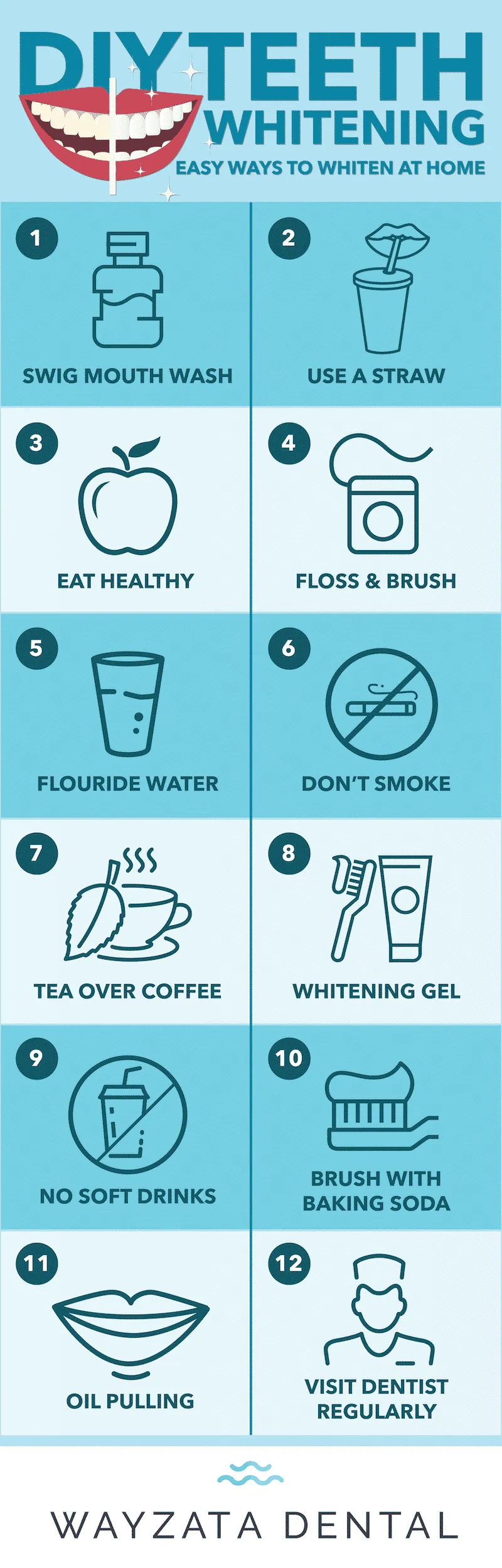
Achieving a brighter, whiter smile doesn’t always require expensive professional treatments. With the right knowledge and a little effort, you can explore various easy teeth whitening DIY methods from the comfort of your own home. This comprehensive guide will walk you through the causes of teeth discoloration, effective DIY techniques, over-the-counter options, and essential tips for maintaining a dazzling smile. Get ready to discover the secrets to a confident, radiant grin.
Understanding Teeth Discoloration Causes
Before diving into teeth whitening, it’s crucial to understand why our teeth lose their natural whiteness. Several factors contribute to teeth discoloration, ranging from dietary choices to lifestyle habits. Understanding these causes empowers you to make informed decisions and choose the most appropriate whitening methods.
Foods and Drinks That Stain Teeth
Certain foods and beverages contain pigments that can stain tooth enamel. Dark-colored drinks like coffee, tea, red wine, and colas are notorious for causing discoloration. Similarly, deeply pigmented foods such as berries, soy sauce, and curries can contribute to staining. Regularly consuming these items can gradually lead to a duller, less radiant smile. Limiting your intake of these staining agents is a proactive step toward maintaining brighter teeth. (image: teeth-staining-foods.webp)
Lifestyle Habits Affecting Teeth Color

Beyond diet, lifestyle habits significantly impact tooth color. Smoking and tobacco use are major culprits, as they introduce tar and nicotine, which heavily stain teeth. Poor oral hygiene, including infrequent brushing and flossing, allows plaque and bacteria to accumulate, contributing to discoloration. Additionally, aging naturally causes enamel to thin, revealing the yellowish dentin underneath. Being mindful of these lifestyle factors allows you to implement preventive measures.
DIY Teeth Whitening Methods
Several DIY teeth whitening methods have gained popularity, offering accessible and often cost-effective alternatives to professional treatments. It is important to approach these methods with caution and a clear understanding of their potential benefits and risks. Always research the ingredients, follow instructions carefully, and be patient, as results may vary depending on individual factors and the severity of staining.
Baking Soda and Hydrogen Peroxide
Baking soda and hydrogen peroxide are common household staples often used in DIY teeth whitening. Baking soda acts as a mild abrasive, helping to scrub away surface stains, while hydrogen peroxide provides a mild bleaching effect. This combination can effectively remove some surface stains, leading to a slightly brighter smile. Using this method, however, must be done with care, as excessive use can damage the enamel.
Benefits of Baking Soda and Hydrogen Peroxide

The primary benefit of this DIY method is its accessibility and affordability. Both baking soda and hydrogen peroxide are readily available at most stores. Furthermore, the mild abrasive action of baking soda helps remove surface stains caused by coffee, tea, and other foods. Hydrogen peroxide can provide a gentle bleaching effect, helping to lighten the teeth slightly. This combination offers a simple and low-cost way to try teeth whitening at home (image: baking-soda-hydrogen-peroxide.webp).
How to Use Baking Soda and Hydrogen Peroxide
Mix one tablespoon of baking soda with two tablespoons of hydrogen peroxide to create a paste. Apply the paste to your toothbrush and gently brush your teeth for about two minutes. Rinse thoroughly with water. Use this mixture no more than once or twice a week to avoid damaging your enamel. Always consult your dentist if you have concerns. Overuse can lead to enamel erosion and increased tooth sensitivity. Remember, moderation is key.
Coconut Oil Pulling for Teeth Whitening
Coconut oil pulling is an ancient Ayurvedic practice that involves swishing coconut oil in your mouth to remove bacteria and toxins. While primarily promoted for overall oral health, some people report teeth-whitening benefits from this method. Although the evidence is largely anecdotal, coconut oil pulling may help to remove some surface stains and promote cleaner teeth. However, it’s not as effective as methods that directly bleach the enamel.
Benefits of Coconut Oil Pulling

Coconut oil pulling is a natural and relatively gentle approach to oral hygiene. Proponents claim that it can help reduce plaque and bacteria in the mouth, contributing to fresher breath and potentially some degree of whitening. Coconut oil’s properties can also help moisturize gums and reduce inflammation. As an added benefit, oil pulling is inexpensive and easy to incorporate into your daily routine (image: coconut-oil-pulling.webp).
How to Perform Coconut Oil Pulling
In the morning, before eating or drinking anything, place one tablespoon of coconut oil in your mouth. Swish the oil around your mouth for 15-20 minutes, ensuring it reaches all areas of your mouth. Do not swallow the oil, as it contains the toxins and bacteria you are trying to remove. After swishing, spit the oil into a trash can (to avoid clogging your sink). Rinse your mouth with water, and brush your teeth as usual. Repeat this process daily for best results.
DIY Whitening with Lemon or Orange Peels
Some DIY enthusiasts suggest using lemon or orange peels to whiten teeth, as these citrus fruits contain citric acid, a natural bleaching agent. This method involves rubbing the inner side of a lemon or orange peel directly onto your teeth. However, caution is advised, as the high acidity can erode enamel and increase tooth sensitivity. Therefore, this method is best approached with extreme care, and with limited application.
Risks Associated with Lemon or Orange Peels

The primary risk associated with using lemon or orange peels is enamel erosion. The citric acid in these fruits is highly acidic and can weaken the enamel, making your teeth more vulnerable to decay and sensitivity. Over time, this can lead to irreversible damage. Additionally, the abrasive nature of the peels can also contribute to enamel wear. Therefore, it’s crucial to understand these risks before attempting this method (image: lemon-orange-peels.webp).
Safe Application Techniques
If you choose to use lemon or orange peels, do so with utmost caution. Limit the application to once a week or less. Avoid rubbing the peel vigorously; instead, gently rub the inside of the peel against your teeth for no more than one minute. Rinse your mouth thoroughly with water after each application to neutralize the acid. Consider brushing your teeth with a fluoride toothpaste afterward to help remineralize the enamel and reduce sensitivity. Discontinue use immediately if you experience any increased sensitivity.
Over-the-Counter Whitening Options
If DIY methods don’t provide the desired results, over-the-counter whitening products offer another option. These products are readily available at most drugstores and supermarkets, making them a convenient alternative to professional treatments. It is important to choose products that are approved and follow the instructions carefully for safe and effective results. Several popular over-the-counter options exist, including whitening toothpastes and whitening strips.
Whitening Toothpastes and Their Effectiveness

Whitening toothpastes contain mild abrasives or chemical agents to remove surface stains and improve teeth brightness. These toothpastes typically contain ingredients like hydrated silica, which helps polish the teeth, and sometimes contain low concentrations of peroxide. While whitening toothpastes can be effective in removing surface stains, they typically provide only a slight improvement in color and are not as powerful as professional treatments. Regular use can help maintain a whiter smile, but they aren’t a quick fix (image: whitening-toothpaste.webp).
Whitening Strips and Their Application
Whitening strips are a popular and effective over-the-counter option. These strips contain a thin layer of peroxide-based whitening agent and are applied directly to the teeth. Whitening strips are applied for a specified period (typically 30 minutes) once or twice daily, according to the product instructions. They are generally effective in lightening teeth by several shades over a period of a few weeks. Follow the product’s instructions carefully to minimize the risk of tooth sensitivity or gum irritation. Whitening strips offer noticeable results and are easy to use at home (image: whitening-strips.webp).
Tips for Maintaining a White Smile
Once you achieve a brighter smile, it’s crucial to maintain it. This involves a combination of dietary adjustments, good oral hygiene practices, and regular dental checkups. Proactive measures will help you protect your investment in teeth whitening, whether done professionally or at home, and maintain the health and appearance of your teeth.
Dietary Adjustments for Teeth Whitening

Your diet plays a significant role in maintaining a white smile. Minimize the consumption of staining foods and beverages, such as coffee, tea, red wine, and berries. If you consume these items, try rinsing your mouth with water afterward or brushing your teeth soon after. Incorporate foods that promote oral health, such as crisp fruits and vegetables, which can help naturally clean your teeth. Drinking plenty of water can also help wash away food particles and reduce staining (image: healthy-diet-teeth.webp).
Oral Hygiene Practices for Maintaining Brightness
Maintain a consistent and thorough oral hygiene routine to protect your teeth’s whiteness. Brush your teeth at least twice a day for two minutes each time, using a fluoride toothpaste. Floss daily to remove plaque and food particles from between your teeth, where your toothbrush can’t reach. Consider using a mouthwash to further reduce bacteria and keep your breath fresh. Regular dental checkups and professional cleanings are also essential for maintaining oral health and removing stubborn stains (image: brushing-flossing.webp).
When to Consult a Dentist
While DIY teeth whitening methods can be effective for some, it’s important to recognize their limitations. If you have significant staining or underlying dental issues, professional treatments provided by a dentist might be necessary. A dentist can assess your oral health, determine the cause of the discoloration, and recommend the most appropriate whitening options. These may include in-office whitening treatments, custom-fitted whitening trays, or other cosmetic procedures. Consult your dentist if you have any concerns about your teeth’s appearance or oral health.
In conclusion, achieving a brighter smile with easy teeth whitening DIY methods is achievable with the right approach. Understanding the causes of teeth discoloration, utilizing the best DIY methods carefully, and incorporating good oral hygiene practices are essential to achieving and maintaining a beautiful smile. Remember to consult with your dentist for a professional opinion and personalized treatment plan. With consistent effort and informed choices, you can confidently show off your dazzling smile.