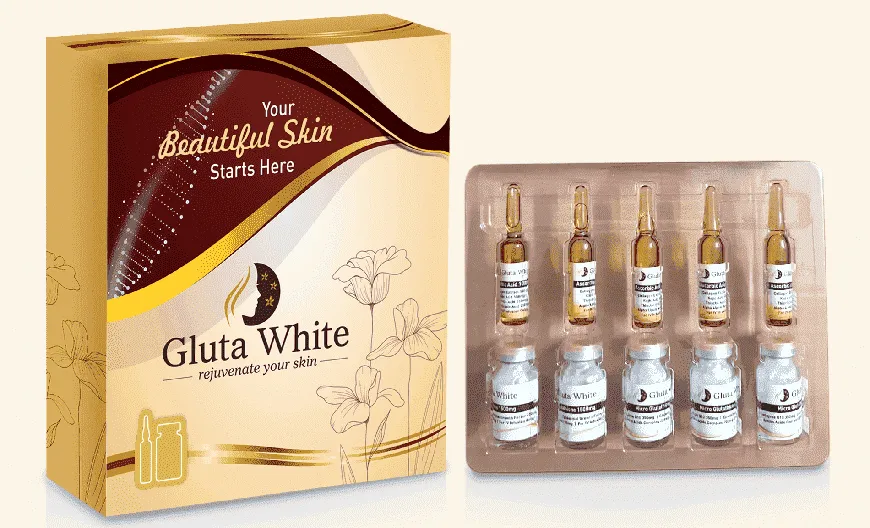
The pursuit of radiant, even-toned skin has led many to explore various treatments and remedies. Among these, glutathione has gained significant attention for its potential skin-whitening properties. This comprehensive guide delves into the world of gluta for skin whitening, providing a detailed understanding of its benefits, usage, potential risks, and alternative methods to help you achieve a brighter, more luminous complexion. We’ll explore the science behind glutathione, the different ways it can be used, and what you should consider before incorporating it into your skincare routine. The journey to radiant skin is unique for everyone, and this guide aims to equip you with the knowledge to make informed decisions.
What is Gluta for Skin Whitening?
Glutathione, often referred to as ‘gluta,’ is a powerful antioxidant produced naturally in the body. It is a tripeptide molecule composed of three amino acids: cysteine, glycine, and glutamic acid. While glutathione is essential for various bodily functions, including immune support and detoxification, it has also been linked to skin-whitening effects. The premise behind using gluta for skin whitening is that it can reduce melanin production, the pigment responsible for skin color. By inhibiting melanin, glutathione can potentially lighten the skin and reduce the appearance of dark spots and hyperpigmentation. However, it is essential to understand the scientific basis and the different methods of using glutathione for skin whitening before starting any treatment.
How Does Glutathione Work?
The mechanism behind glutathione’s skin-whitening effects involves its role in melanin production. Melanin is synthesized by melanocytes, specialized cells in the skin. Glutathione works by inhibiting tyrosinase, an enzyme crucial for melanin production. By reducing tyrosinase activity, glutathione can decrease the amount of melanin produced, leading to lighter skin. Furthermore, glutathione helps to convert eumelanin (dark pigment) into pheomelanin (light pigment), further contributing to a brighter complexion. This process occurs throughout the body, so the effects are not limited to just the treated areas. The effectiveness of glutathione depends on several factors, including the dosage, method of administration, and individual skin characteristics. Understanding the science behind this process is critical to managing expectations and making informed decisions about skin-whitening treatments.
Gluta for Skin Whitening Benefits

The primary benefit of using gluta for skin whitening is the potential to lighten skin tone and reduce hyperpigmentation. Many users report a visible reduction in dark spots, acne scars, and uneven skin tone with consistent use. Beyond its skin-lightening properties, glutathione also offers several other benefits related to skin health. As a potent antioxidant, it helps protect skin cells from damage caused by free radicals, which can lead to premature aging and other skin issues. It improves skin elasticity and reduces the appearance of wrinkles, giving the skin a more youthful appearance. In addition, glutathione can boost the immune system, contributing to overall health and well-being, which indirectly supports healthy, glowing skin. However, the effectiveness and extent of these benefits can vary depending on individual factors.
Skin Lightening Effects of Glutathione
The primary goal for many people using glutathione is to achieve a lighter skin tone. Glutathione achieves this by influencing melanin production. This can lead to a reduction in existing pigmentation and prevent the formation of new dark spots. The degree of skin lightening varies from person to person. Some individuals experience subtle changes, while others see more dramatic results. The effects are often most noticeable in areas with hyperpigmentation, such as sun-damaged spots or acne scars. The lightening process takes time and requires consistent use of glutathione. It’s important to understand that glutathione doesn’t completely block melanin production; rather, it modulates the process to achieve a more even and lighter skin tone. The best outcomes often combine glutathione with sun protection and other skincare products.
Antioxidant Properties for Skin Health
Beyond its skin-lightening effects, glutathione is a powerful antioxidant that protects the skin from damage caused by free radicals. Free radicals are unstable molecules that can damage skin cells, leading to premature aging, wrinkles, and other skin problems. Glutathione neutralizes these free radicals, preventing damage and promoting healthy skin function. By reducing oxidative stress, glutathione helps to maintain skin elasticity and firmness. It can also help to improve skin texture and reduce the appearance of fine lines. Antioxidant protection is vital for maintaining skin health and preventing long-term damage. Using glutathione, along with other antioxidants and a healthy lifestyle, contributes to overall skin wellness. The antioxidant effects can enhance the skin’s natural radiance and resilience.
How to Use Gluta for Skin Whitening

Glutathione is available in several forms, each with different methods of administration. The choice of which form to use depends on individual preferences, the advice of a healthcare professional, and the desired results. Each method has its own advantages and potential drawbacks. Some individuals start with oral supplements, while others prefer injections or topical products. It’s important to research each method thoroughly and consider all factors before starting any treatment. Understanding the benefits and risks associated with each type of glutathione product is essential to ensure safety and effectiveness. Consulting with a dermatologist or qualified healthcare provider can help determine the best approach based on your specific skin type and goals.
Glutathione Supplements
Oral glutathione supplements are a popular method for skin whitening. These supplements come in capsule or tablet form and are taken daily. The convenience of oral supplements is a significant advantage for many users. The absorption rate of oral glutathione can vary. Some formulations may contain ingredients to enhance absorption. Consistent use is necessary to see noticeable results, which may take several weeks or months. Effectiveness depends on factors like supplement quality, dosage, and individual metabolism. When considering oral supplements, it’s essential to choose products from reputable brands and follow recommended dosages. Combining supplements with other skincare practices, such as using sun protection and maintaining a healthy diet, can boost effectiveness.
Glutathione Injections
Glutathione injections are administered intravenously and are known for their higher absorption rate. This method delivers glutathione directly into the bloodstream, making it immediately available for use by the body. Injections are often considered more potent than oral supplements and can produce faster results. The frequency of injections varies. The treatment should only be administered by a qualified medical professional. Regular monitoring and medical supervision are important for this method. Injections are also more invasive and carry potential risks, such as infection or allergic reactions. Consulting with a doctor before undergoing glutathione injections is crucial to assess suitability and potential side effects.
Topical Glutathione Products

Topical glutathione products include creams, lotions, and serums that are applied directly to the skin. These products are designed to be less invasive and can be integrated into a regular skincare routine. Topical products can target specific areas of concern, such as dark spots or uneven skin tone. Absorption rates may vary depending on the product formulation and skin type. Consistency is key to seeing results, and it may take several weeks or months to notice changes. When choosing topical products, look for those that contain a stable form of glutathione and are combined with other beneficial ingredients, such as vitamin C or hyaluronic acid. It is important to consider that topical glutathione can be less effective than other methods due to the skin barrier.
Gluta Skin Whitening Risks & Side Effects
While gluta for skin whitening is considered safe for many individuals, it does have potential risks and side effects. It is crucial to be aware of these potential issues before starting any treatment. The safety and effectiveness of glutathione can vary depending on the method of administration and the individual’s health status. Overuse or incorrect use can lead to adverse reactions. Always research the potential risks and talk with a dermatologist to make informed decisions about using gluta for skin whitening.
Is Gluta Whitening Safe for Everyone?
The safety of glutathione varies from person to person, depending on health, age, and other factors. Individuals with certain medical conditions, such as kidney problems or allergies, should avoid using glutathione. Pregnant or breastfeeding women are also advised to consult their doctor before using glutathione products. Overall health and lifestyle choices affect how the body responds to gluta treatment. Consulting a healthcare professional is essential for personalized guidance and to assess any potential risks. A doctor can evaluate your health history and determine if glutathione is suitable. This will ensure your safety and well-being.
Potential Side Effects and Risks

Common side effects of glutathione include allergic reactions, skin rashes, and nausea. Some users may experience more severe reactions, such as kidney or liver problems, especially with high doses or frequent use. The risks of injections, like infection at the injection site, are greater. The long-term effects of continuous glutathione use are not fully known. It’s important to monitor your body for any unusual symptoms and seek medical advice immediately if needed. To minimize risks, always follow the recommended dosages and guidelines. Purchase products from reputable sources and ensure any injections are administered by a licensed healthcare provider. Knowledge of the potential risks is a key part of making safe choices.
Consulting a Dermatologist
Before starting any glutathione treatment, consulting with a dermatologist is crucial. A dermatologist can assess your skin type, identify any existing skin conditions, and discuss your goals and expectations. They can provide personalized recommendations on whether glutathione is appropriate for you and the safest way to use it. Dermatologists can also monitor your progress and help manage any side effects. They can recommend suitable products and dosages. By working with a dermatologist, you can create a plan that is effective and safe. This is the best way to achieve your desired skin-whitening results while prioritizing your skin health. Professional guidance helps reduce risks and achieve better results.
Other Skin Whitening Methods
While gluta for skin whitening is a popular method, several other treatments and approaches can improve skin tone and reduce hyperpigmentation. These methods may be used alone or in combination with glutathione to achieve the best results. Exploring various options can provide a more comprehensive approach to skin care. It is important to consider each option’s benefits and risks and choose treatments that align with your goals and skin type. Talking with a dermatologist will provide the best guidance for a successful skin-whitening regimen.
Dietary Changes and Skincare Routine for Radiant Skin

A healthy diet and a good skincare routine are essential components of achieving radiant skin. Consuming nutrient-rich foods rich in antioxidants, such as fruits and vegetables, can support skin health. Proper hydration, getting enough sleep, and managing stress are all important. A consistent skincare routine should include cleansing, moisturizing, and sun protection. The use of gentle, non-irritating products will help maintain your skin’s health. The combination of these practices can promote a brighter and healthier complexion. Regularly exfoliating the skin and using products with ingredients like vitamin C or retinoids can enhance the benefits of gluta. This will improve your skin’s overall appearance.
In conclusion, glutathione offers a promising approach for skin whitening. However, a balanced approach, including understanding the benefits, risks, and alternatives, is crucial. Consulting with healthcare professionals and adopting a comprehensive skincare routine will help you make informed decisions and achieve your desired results safely. Remember, a healthy lifestyle, sun protection, and consistent skincare are essential for maintaining radiant and healthy skin.