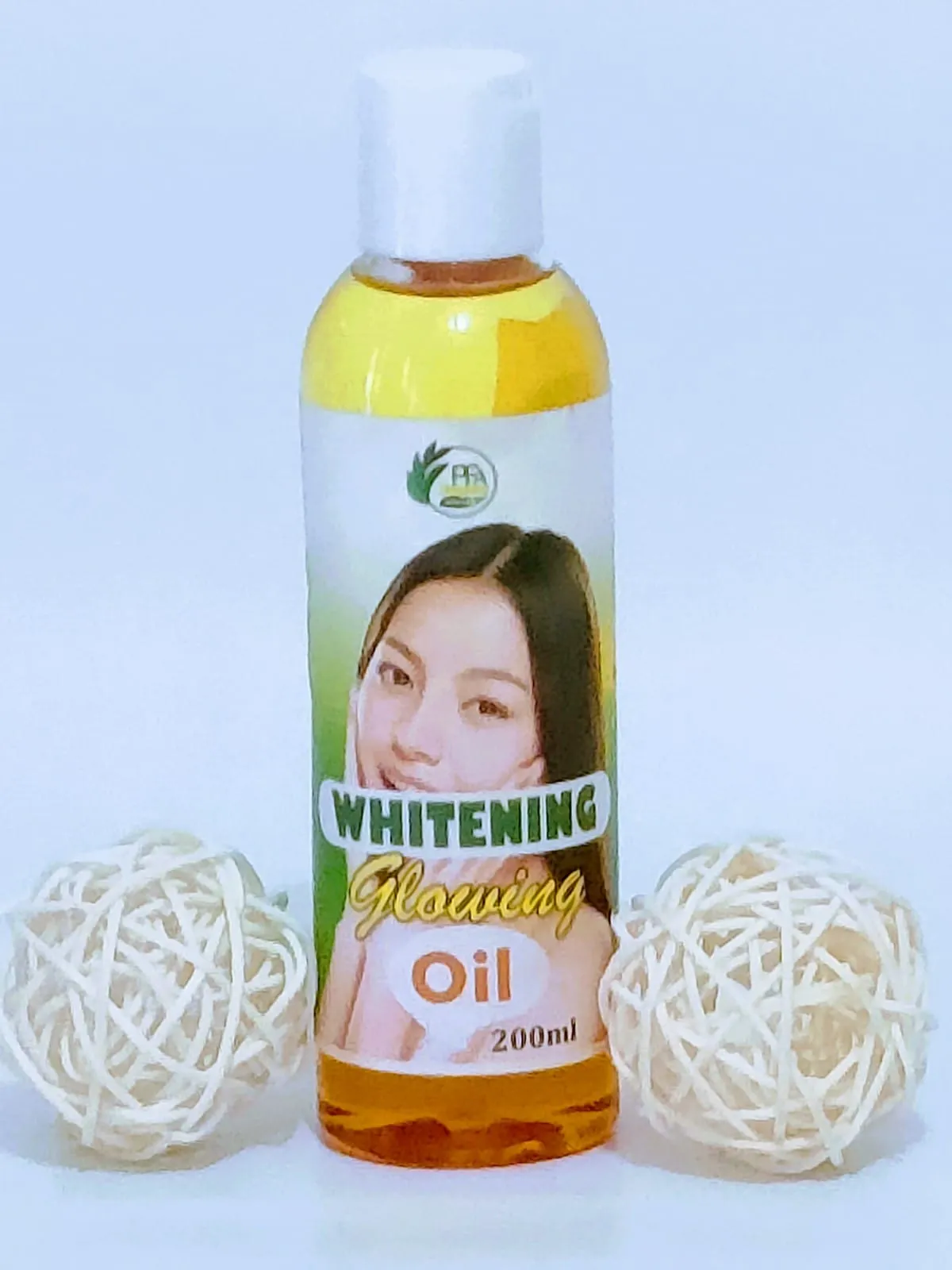
What is Herbal Whitening Oil
Herbal whitening oils are natural skincare products formulated to promote a brighter, more even skin tone. These oils typically combine various plant-based ingredients known for their skin-lightening and skin-enhancing properties. Unlike harsh chemical treatments, herbal whitening oils offer a gentler approach to achieving a radiant complexion. They work by targeting hyperpigmentation, reducing the appearance of dark spots, and promoting overall skin health. The best herbal whitening oils are derived from carefully selected plants and herbs, harnessing the power of nature to revitalize and transform your skin. These oils provide a holistic approach to skincare, nourishing and protecting the skin while addressing uneven pigmentation.
Benefits of Herbal Whitening Oil
Herbal whitening oils offer a multitude of benefits that extend beyond simply lightening the skin. The carefully chosen ingredients in these oils work synergistically to improve overall skin health and appearance. Regular use can lead to a more even skin tone, reduced visibility of dark spots and blemishes, and a noticeable improvement in skin texture. Moreover, the natural compounds in these oils often possess anti-inflammatory and antioxidant properties, protecting the skin from environmental damage and premature aging. Incorporating herbal whitening oil into your skincare routine can be a transformative experience, providing a natural, effective, and holistic approach to achieving a healthy, radiant complexion.
Skin Whitening Properties

The primary benefit of herbal whitening oils lies in their ability to lighten and even out skin tone. This effect is achieved through various mechanisms, including the inhibition of melanin production, the pigment responsible for skin color. Many herbal oils contain compounds that interfere with the enzyme tyrosinase, which is essential for melanin synthesis. By reducing melanin production, these oils help to fade dark spots, reduce hyperpigmentation, and promote a brighter, more luminous complexion. Continued use of herbal whitening oils leads to a more uniform skin tone, helping to achieve a natural glow and enhanced overall appearance. Regular application can lead to a significant reduction in dark spots and other pigmentation issues.
Antioxidant Effects
Herbal whitening oils are rich in antioxidants, which are crucial for protecting the skin from damage caused by free radicals. Free radicals are unstable molecules that can damage skin cells, leading to premature aging, wrinkles, and other signs of skin damage. Antioxidants neutralize free radicals, preventing them from causing harm and helping to maintain the skin’s youthful appearance. The antioxidants in herbal oils also protect against environmental stressors like pollution and UV radiation, which can accelerate skin aging and lead to uneven skin tone. By incorporating an antioxidant-rich herbal whitening oil into your skincare routine, you are effectively shielding your skin from oxidative stress, promoting healthier, more radiant skin.
Hydration and Moisturization
In addition to their skin-lightening and antioxidant properties, herbal whitening oils often provide excellent hydration and moisturization. Many of these oils contain natural emollients that help to lock in moisture, keeping the skin soft, supple, and well-hydrated. Proper hydration is essential for maintaining healthy skin, as dehydrated skin can appear dull, dry, and more prone to wrinkles. By moisturizing the skin, herbal whitening oils help to improve its texture, reduce the appearance of fine lines, and enhance its overall radiance. Regular use of these oils can help to create a balanced, healthy skin barrier, which is crucial for protecting against environmental damage and maintaining a youthful complexion.
Top 5 Herbal Whitening Oils

The world of herbal whitening oils is vast, with numerous options available. Here are five of the best, each known for its unique properties and effectiveness in promoting skin whitening and overall skin health. These oils are derived from carefully selected plants and herbs, each contributing to a synergistic effect that can transform your skin.
Oil 1 The Power of [Licorice Root]
Licorice root is celebrated for its skin-lightening properties. The active compound glabridin in licorice root helps to inhibit tyrosinase, an enzyme that produces melanin, thus reducing hyperpigmentation. This oil is effective in lightening dark spots, sunspots, and other forms of discoloration. Licorice root oil also has anti-inflammatory benefits, which can soothe irritated skin and reduce redness, further promoting an even skin tone. Its antioxidant properties help protect the skin from environmental damage, making it an excellent choice for those seeking a brighter and more balanced complexion. Regular use can lead to significant improvements in skin tone and texture.
Extraction Methods
Licorice root oil is often extracted using cold-pressed methods to preserve its beneficial compounds. CO2 extraction is also used to obtain a pure and potent oil. These methods ensure that the final product retains the maximum concentration of active ingredients, which is essential for its effectiveness. The cold-pressed method maintains the integrity of the natural components. Selecting oil produced using these methods ensure the highest quality and optimal results.
Application Tips

Apply a few drops of licorice root oil to clean, dry skin, focusing on areas with dark spots or uneven skin tone. Gently massage the oil into the skin using upward circular motions. For best results, use it as part of your nighttime skincare routine, allowing the oil to work overnight. You can also mix a few drops with your favorite moisturizer for added hydration and whitening benefits. Always perform a patch test before applying it to your entire face to check for any adverse reactions.
Oil 2 The Goodness of [Bearberry]
Bearberry oil is renowned for its arbutin content, a natural compound that inhibits melanin production. Arbutin is a potent skin-lightening agent that effectively reduces the appearance of dark spots, freckles, and other forms of hyperpigmentation. This oil provides a natural way to achieve a brighter, more even skin tone. Bearberry also possesses antioxidant properties, helping to protect the skin from free radical damage and environmental stressors. Its regular use can lead to a noticeable improvement in skin clarity and radiance. Bearberry oil is a valuable asset in skincare routines dedicated to brightening the complexion.
Extraction Methods
Bearberry oil is often extracted using a solvent extraction or a maceration method. Solvent extraction helps in obtaining a concentrated extract rich in arbutin. The maceration method involves soaking the bearberry leaves in oil, allowing the active components to infuse. Both methods help ensure the preservation of arbutin. Quality bearberry oil uses these extraction methods to create a highly effective product.
Application Tips

Apply a small amount of bearberry oil to cleansed skin, focusing on areas affected by hyperpigmentation. Gently massage the oil into the skin using circular motions until fully absorbed. It can be incorporated into both your morning and evening skincare routines. For enhanced results, combine the oil with other skin-brightening products like vitamin C serums. Ensure you wear sunscreen during the day, as bearberry can increase skin sensitivity to the sun. Start with a small amount to assess your skin’s tolerance before applying more.
Oil 3 The Magic of [Turmeric]
Turmeric oil is celebrated for its powerful antioxidant and anti-inflammatory properties, mainly due to the presence of curcumin. While not primarily a skin-whitening agent, turmeric helps reduce inflammation, which can contribute to uneven skin tone and hyperpigmentation. This oil helps calm the skin, reducing redness and irritation. Turmeric also helps to protect the skin from environmental damage and promotes a healthy glow. The use of turmeric oil leaves skin feeling rejuvenated. Its ability to reduce inflammation and provide antioxidant protection makes it a valuable addition to a comprehensive skincare routine. This can lead to a more radiant and even complexion.
Extraction Methods
Turmeric oil is typically extracted using steam distillation or solvent extraction methods to retain its active compounds. Steam distillation helps to extract the oil gently. Solvent extraction can be used to extract the maximum curcumin content. These methods ensure the turmeric oil retains its potent properties. Always source turmeric oil from a reputable supplier.
Application Tips

Mix a few drops of turmeric oil with a carrier oil like jojoba or sweet almond oil. Apply the mixture to your face, gently massaging it into the skin. Leave the oil on for 15-20 minutes. Rinse thoroughly with warm water and pat your skin dry. Perform a patch test first to ensure you’re not sensitive to it. Apply the oil a few times a week to help with skin tone. Be cautious, as turmeric can stain light-colored fabrics, so use it with care.
Oil 4 The Beauty of [Rosehip]
Rosehip oil is rich in essential fatty acids, antioxidants, and vitamins, making it an excellent choice for overall skin health and radiance. While not a direct skin-whitening agent, rosehip oil helps improve skin texture and tone, which can contribute to a brighter complexion. Its high vitamin C content can aid in skin brightening. It helps reduce the appearance of scars and dark spots. Rosehip oil is a hydrating and nourishing ingredient for most skin types. Its regular use can lead to softer, more supple skin with a natural glow. The essential fatty acids in rosehip oil help to maintain the skin’s natural moisture barrier. It provides a more vibrant and healthy appearance.
Extraction Methods
Rosehip oil is typically extracted through a cold-pressed method. Cold-pressing retains the oil’s nutrients and beneficial compounds. This method ensures that the oil remains potent and effective. It is essential to choose a cold-pressed rosehip oil for maximum benefits. Using the cold-pressed extraction is vital.
Application Tips

Apply a few drops of rosehip oil to clean, dry skin, gently massaging it into the face and neck until fully absorbed. Use it both morning and night as part of your skincare routine. It can also be added to your moisturizer or serum for added hydration and nourishment. Its lightweight texture makes it suitable for all skin types. Ensure that you do not apply too much oil. Use regularly to see the benefits.
Oil 5 The Grace of [Jojoba]
Jojoba oil closely mimics the skin’s natural sebum, making it an excellent moisturizer. It is not a direct skin-whitening agent. Jojoba oil is used to help regulate oil production, improving the skin’s overall balance. Jojoba oil helps with hydration and maintains skin health. It has antioxidant properties, which protect the skin from environmental damage. It is a versatile oil that suits various skin types, making it an excellent base for other herbal ingredients. Using Jojoba oil maintains the skin’s natural balance and contributes to a more radiant complexion. It helps provide a healthier, more balanced skin.
Extraction Methods
Jojoba oil is typically extracted through a cold-pressing method, which ensures the preservation of its beneficial compounds. This gentle extraction method helps to maintain the oil’s quality and effectiveness. Cold-pressed jojoba oil is clear and odorless. Using cold-pressed methods ensures the oil retains its natural properties.
Application Tips
Apply a few drops of jojoba oil to clean, dry skin and massage it gently until it is absorbed. Jojoba oil can be used as a standalone moisturizer or as a carrier oil. It can be used in combination with essential oils or herbal extracts. Its non-comedogenic nature makes it suitable for all skin types, including oily and acne-prone skin. You can use it daily, morning, and night, for best results. Regularly using jojoba oil can lead to improved skin hydration and a balanced complexion.
How to Use Herbal Whitening Oil Effectively
To harness the full potential of herbal whitening oils, it’s crucial to use them correctly. This involves careful consideration of application techniques and adherence to safety precautions. Integrating herbal oils into your skincare regimen safely and effectively will enhance their skin-brightening benefits and promote overall skin health.
Patch Test and Precautions
Before incorporating any new herbal whitening oil into your routine, it is crucial to perform a patch test. Apply a small amount of the oil to a discreet area of your skin, such as the inside of your forearm, and wait for 24 hours to check for any allergic reactions or sensitivities. Redness, itching, or swelling indicates that the oil may not be suitable for your skin. Always dilute essential oils with a carrier oil. Avoid applying herbal whitening oils to broken skin or open wounds. Keep the product away from your eyes and mouth. Follow the manufacturer’s instructions. Using these precautions helps to mitigate potential adverse reactions.
Application Techniques
Proper application techniques can maximize the effectiveness of herbal whitening oils. Start with clean, dry skin to ensure optimal absorption of the oil. Apply a few drops of the oil to your fingertips and gently massage it into your face and neck using upward circular motions. This technique helps to stimulate blood circulation and enhance absorption. You can also use these oils as a targeted treatment by applying them to specific areas with dark spots or uneven pigmentation. Allow the oil to absorb fully before applying any other skincare products. Apply oil regularly to get the best results.
Regular Use and Results
Consistency is key to achieving the desired results with herbal whitening oils. Regular application is essential to see significant improvements in your skin tone and texture. Most herbal whitening oils are most effective when used as part of your daily skincare routine, either in the morning, evening, or both. The time it takes to see visible results can vary depending on the oil, the concentration of active ingredients, and your skin type. Many people begin to see noticeable improvements in their complexion within a few weeks of consistent use. For best results, combine herbal whitening oils with other skincare practices like gentle exfoliation and sun protection. Patient and consistent use is vital.
Conclusion
Herbal whitening oils offer a gentle, natural approach to achieving a brighter, more radiant complexion. From their skin-lightening properties to their antioxidant and hydrating benefits, these oils provide a holistic way to improve your skin. By understanding the properties and applying them correctly, you can incorporate these oils into your skincare regimen. Embrace the power of nature. Choose the appropriate herbal whitening oils. They can help to unlock your skin’s full potential, leading to a healthier, more luminous you. Remember to always prioritize safety and consult with a dermatologist if you have any concerns.