Understanding Home Teeth Whitening Kits
Home teeth whitening kits have revolutionized the way people approach achieving a brighter smile. These kits offer a convenient and cost-effective alternative to professional dental treatments, allowing individuals to whiten their teeth in the comfort of their own homes. The effectiveness of these kits varies, and understanding the different types and technologies available is crucial for making an informed decision. The market is filled with options, from basic whitening strips to advanced 3D kits, each promising different results. Choosing the right kit depends on your personal needs, the degree of whitening desired, and your overall oral health.
What is a 3D Home Teeth Whitening Kit
A 3D home teeth whitening kit typically refers to a kit that incorporates advanced technology or design elements aimed at enhancing the whitening process. These kits often include features such as custom-fit trays, LED light activation, or innovative gel formulations. The ‘3D’ aspect can refer to the way the tray is designed to conform to the teeth, ensuring even coverage of the whitening gel. They are designed to provide a more comprehensive and effective whitening experience. These kits often come with a higher price tag, but they promise better results compared to basic whitening strips or toothpastes. When considering a 3D kit, always ensure the product has been tested and approved for safety.
Key Components of a 3D Whitening Kit

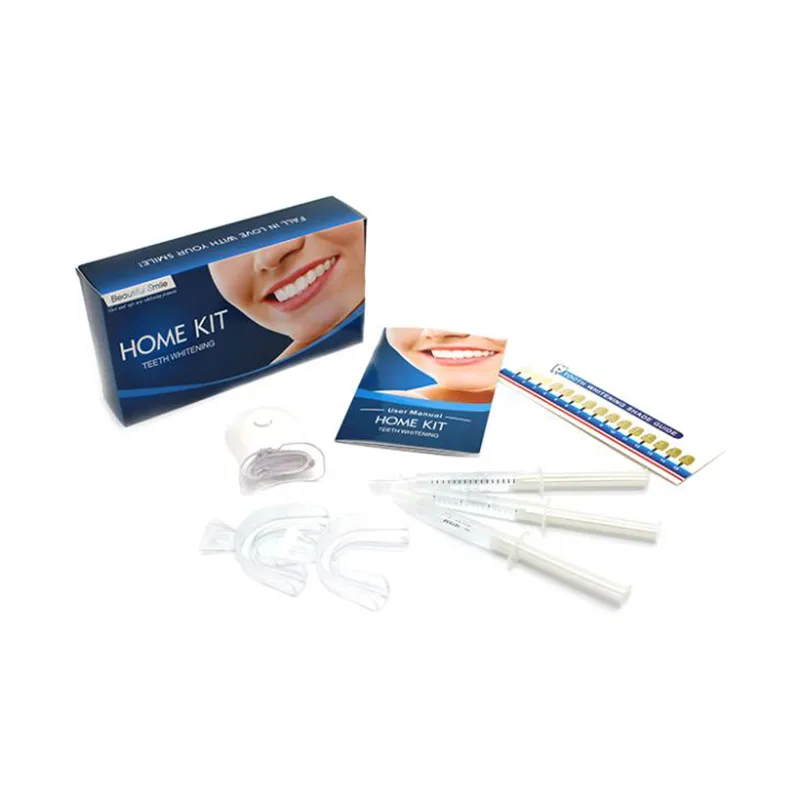
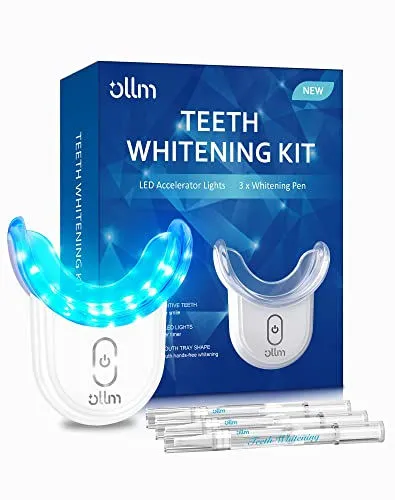
The essential components of a 3D whitening kit usually include whitening gel, a tray or device for application, and often, an LED light. The whitening gel usually contains hydrogen peroxide or carbamide peroxide as the active whitening agent. The trays are frequently designed to fit snugly over the teeth, which allows for even distribution of the gel. Some kits also include an LED light to accelerate the whitening process. This light emits a specific wavelength of blue light that reacts with the whitening agents in the gel, which enhances their ability to break down stains and discolorations on the enamel. The kit will typically also include detailed instructions and may include a shade guide to track your progress.
The Science Behind 3D Whitening Technology
The core of 3D whitening technology lies in the chemical reaction that occurs when the whitening agent interacts with the stains on your teeth. Hydrogen peroxide and carbamide peroxide, the active ingredients in the gel, release oxygen molecules that penetrate the enamel and break down the stain molecules. The 3D design of the trays ensures that the gel has maximum contact with the tooth surface. Furthermore, the LED light found in some kits emits a specific wavelength of light that enhances the oxidation process. The result is a faster and more thorough breakdown of stains, leading to a brighter smile. Understanding this scientific process will help you appreciate the advantages that 3D home teeth whitening kits offer.
How to Choose the Right Home Teeth Whitening Kit
Choosing the right home teeth whitening kit involves careful consideration of several factors. Begin by assessing your current oral health condition. It is best to consult with your dentist before starting any whitening treatment. Then, understand the different types of kits available. Finally, look at the concentration of the whitening agent. Higher concentrations usually deliver faster results, but they can also increase the likelihood of sensitivity. Consider the features and technology offered by the kit, such as custom-fit trays or LED light activation. Reading reviews and comparing brands is also crucial. Choose a kit that meets your personal needs, your budget, and your whitening goals. Take your time, do your research, and consider what is most important to you.
Factors to Consider Before Buying

Before purchasing a home teeth whitening kit, consider your dental health history. If you have existing dental work, such as fillings or crowns, whitening treatments may not produce consistent results across all teeth. Also, assess the sensitivity of your teeth. Those with sensitive teeth may experience discomfort with certain whitening agents. Review the product’s ingredients to avoid any potential allergens or irritants. Research the brand to ensure its reputation and read user reviews to learn from other people’s experiences. Evaluate your expectations. While home kits can significantly improve your smile, the results may not be as dramatic as professional treatments. Compare the cost and the convenience of the product with other alternatives.
Ingredients to Look for
The main active ingredients in home teeth whitening kits are hydrogen peroxide and carbamide peroxide. Hydrogen peroxide is a stronger whitening agent, and carbamide peroxide breaks down into hydrogen peroxide. The concentration of these agents will vary depending on the kit, with higher concentrations typically yielding quicker results. Some kits include desensitizing agents, such as potassium nitrate or fluoride, to help reduce tooth sensitivity. Some kits also contain flavorings to improve the taste of the gel and preservatives to maintain the product’s stability. When selecting a kit, look for products that have been approved by dental professionals and meet safety standards. Always follow the instructions carefully to minimize potential side effects.
Understanding Whitening Levels
Teeth whitening is measured in shades, using a shade guide that dentists and manufacturers use to assess the initial and final color of your teeth. Home whitening kits can lighten your teeth by several shades, and the amount of change will vary depending on the kit, the concentration of the whitening agent, and your adherence to the instructions. For those with light staining, a kit may be able to completely restore your natural tooth color. Heavier staining may require multiple treatments or stronger products. Maintain realistic expectations. If you have severe staining, you may need professional dental treatments for optimal results. Carefully examine the packaging and the kit’s claims regarding the expected results.
Step-by-Step Guide Using a 3D Whitening Kit
Using a 3D home teeth whitening kit requires careful adherence to the instructions provided by the manufacturer. Following these steps will help you achieve the best results while minimizing potential side effects. Make sure your teeth are properly prepared, the whitening gel is correctly applied, the 3D device is correctly used, and you follow the post-whitening care guidelines. By following these steps, you will be able to see the best results while maintaining the health of your teeth. Do not skip any steps to ensure effective and safe results, and always consult with your dentist before starting any new whitening treatment.
Preparing Your Teeth
Before using your 3D teeth whitening kit, clean your teeth thoroughly. Brush and floss to remove any food particles or plaque. Avoid using a toothpaste that contains whitening agents, as it may interfere with the effectiveness of the kit. After brushing, rinse your mouth with water. Ensure your teeth are completely dry before applying the whitening gel. This helps the gel adhere to the tooth surface. Consult your dentist if you have any cavities or gum disease before whitening your teeth, as these conditions can affect the treatment’s effectiveness. Proper preparation will ensure optimal results and minimize the risk of complications.
Applying the Whitening Gel
Carefully apply the whitening gel to the trays, following the kit’s instructions. Usually, a small amount of gel is needed to cover the front surface of your teeth. Avoid overfilling the trays, as this may cause the gel to leak and irritate your gums. Distribute the gel evenly across the tray. Handle the gel with clean hands and be cautious to avoid contact with your skin or clothing, as it may cause discoloration. After applying the gel, insert the tray into your mouth, making sure the tray fits properly and covers all the teeth that you want to whiten. Follow the instructions on how long to wear the tray based on the manufacturer’s recommendations.
Using the 3D Whitening Tray/Device

Once the whitening gel is in place, insert the 3D tray or device into your mouth. Make sure the tray fits comfortably and covers all the teeth you want to whiten. If your kit includes an LED light, activate it according to the instructions. The light is usually placed over or in contact with the tray. Follow the recommended usage time for the tray and light. Do not exceed this time, as it could lead to increased sensitivity or gum irritation. After the treatment time is up, remove the tray, and rinse your mouth with water to remove any remaining gel. Clean the tray thoroughly to prepare for the next application.
Post-Whitening Care
After each whitening session, it is essential to follow the post-whitening care guidelines. Rinse your mouth thoroughly with water to remove any residual gel. Avoid eating or drinking anything other than water for at least an hour after the treatment, as your teeth are more susceptible to staining during this period. Use a toothpaste formulated for sensitive teeth. Also, avoid using harsh abrasive toothpastes or whitening toothpastes immediately after treatment. Continue to follow the kit’s instructions for the duration of the treatment period. Regular post-whitening care will help you maintain the results and reduce the risk of sensitivity.
Maximizing Results and Maintaining Whiteness
To achieve the best results from your 3D home teeth whitening kit, focus on several key aspects of the process. Following all the instructions carefully is the first thing to do. Maintaining a good oral hygiene routine, including brushing and flossing, is another important thing to consider. You should also make lifestyle changes to avoid foods and drinks that can stain your teeth. Regular dental check-ups and cleanings are essential to maintain your white smile. Consider using whitening toothpaste and mouthwash as part of your daily routine. Staying consistent with your whitening treatments and care will help you maintain a brighter, healthier smile.
Tips for Optimal Results

To maximize the results of your home teeth whitening kit, ensure you use the product as directed. Maintain excellent oral hygiene by brushing twice a day and flossing regularly. Limit your intake of staining foods and drinks, such as coffee, tea, red wine, and berries. Consider using a straw when drinking these beverages to minimize contact with your teeth. Be patient, and give the treatment time to work, and avoid smoking, as this can stain your teeth. Use a whitening toothpaste or mouthwash to maintain your results, and follow up with your dentist as recommended. These simple steps can make a huge difference.
Avoiding Common Mistakes
To avoid common mistakes, read and follow the manufacturer’s instructions. Do not overuse the kit, as this can lead to increased tooth sensitivity or gum irritation. Avoid using the kit if you have any active dental issues without first consulting a dentist. Also, do not skip the pre-treatment steps, such as brushing and flossing. Be sure to avoid eating or drinking staining foods immediately after the whitening treatment. Do not expect perfect results overnight; whitening takes time and consistency. Finally, be aware of the expiration date and ensure the product is still effective. Correct use will maximize your results and reduce the risk of side effects.
Maintaining Your White Smile
Maintaining your white smile requires a consistent oral hygiene routine and lifestyle adjustments. Brush and floss your teeth twice a day to remove plaque and food particles. Limit your intake of staining foods and drinks, such as coffee, tea, and red wine. If you consume these, rinse your mouth with water afterward. Regular dental check-ups and cleanings are also crucial. Consider using a whitening toothpaste or mouthwash to help maintain your results. Avoid smoking, as it stains your teeth and harms your overall oral health. Schedule periodic touch-up treatments with your home whitening kit as needed. A combination of these steps will help maintain your bright, white smile.
Potential Risks and Side Effects

While home teeth whitening kits are generally safe, it is important to be aware of the potential risks and side effects. The most common side effect is tooth sensitivity. Some people experience this as a temporary discomfort that subsides after a few days. Gum irritation is another possible side effect, which can occur if the whitening gel comes into contact with the gums. In rare cases, individuals may experience allergic reactions or other complications. It’s always best to consult a dentist if you experience any adverse effects during or after your whitening treatment. Be aware of the risks, and take precautions to ensure a safe experience.
Sensitivity and How to Manage It
Tooth sensitivity is a common side effect of teeth whitening. If you experience sensitivity, there are several steps you can take to manage it. Use a toothpaste formulated for sensitive teeth. These toothpastes contain ingredients like potassium nitrate or stannous fluoride, which help to block pain signals to the nerves in your teeth. You should also reduce the frequency or duration of your whitening treatments. Apply the gel for a shorter period. Take a break from whitening treatments to allow your teeth to recover. Avoid extremely hot or cold foods and drinks, as they can trigger sensitivity. Consult with your dentist if the sensitivity persists or worsens.
When to Consult a Dentist
It is essential to consult a dentist if you experience any severe or persistent side effects from home teeth whitening. You should also consult a dentist before starting any whitening treatment, especially if you have existing dental issues. Consult your dentist if you experience significant tooth sensitivity or gum irritation. You should also seek professional advice if your teeth do not respond to the whitening treatment. Your dentist can determine the underlying cause of the problems and recommend appropriate solutions. A dentist can also provide professional whitening treatments, which may be more effective for certain types of staining. Your dentist can provide personalized advice.
Alternatives to Home Teeth Whitening Kits
If home teeth whitening kits are not suitable for you, or if you are looking for more effective or alternative options, several other treatments are available. These options range from professional dental treatments to other over-the-counter products. Knowing the alternatives can help you make an informed decision that suits your needs and goals. You can work with your dentist to determine the best options to achieve a brighter smile. You may find options that fit your lifestyle and needs. Take your time and consider all the alternatives.
Professional Teeth Whitening
Professional teeth whitening offers a faster and more effective solution than home kits. Your dentist can use higher concentrations of whitening agents, which can produce dramatic results in a single visit. During a professional whitening treatment, your dentist will apply the whitening gel to your teeth and may use a special light to activate the gel. This procedure is performed under strict supervision, which minimizes the risk of side effects. Professional whitening is ideal for those seeking significant whitening and for those with stubborn stains that do not respond to home treatments. While professional whitening is more expensive than home kits, it offers significant advantages in terms of speed and effectiveness.
Other Whitening Options
Besides home kits and professional treatments, other whitening options can help improve your smile. Whitening toothpastes and mouthwashes are readily available and can help remove surface stains. These products usually contain mild abrasives or whitening agents. Consider using whitening strips, which are another over-the-counter option that is similar to home kits but often uses a lower concentration of whitening agents. Dental veneers and bonding are cosmetic procedures that can dramatically improve the appearance of your teeth. These options are best discussed with your dentist to determine the best solution for your specific needs.