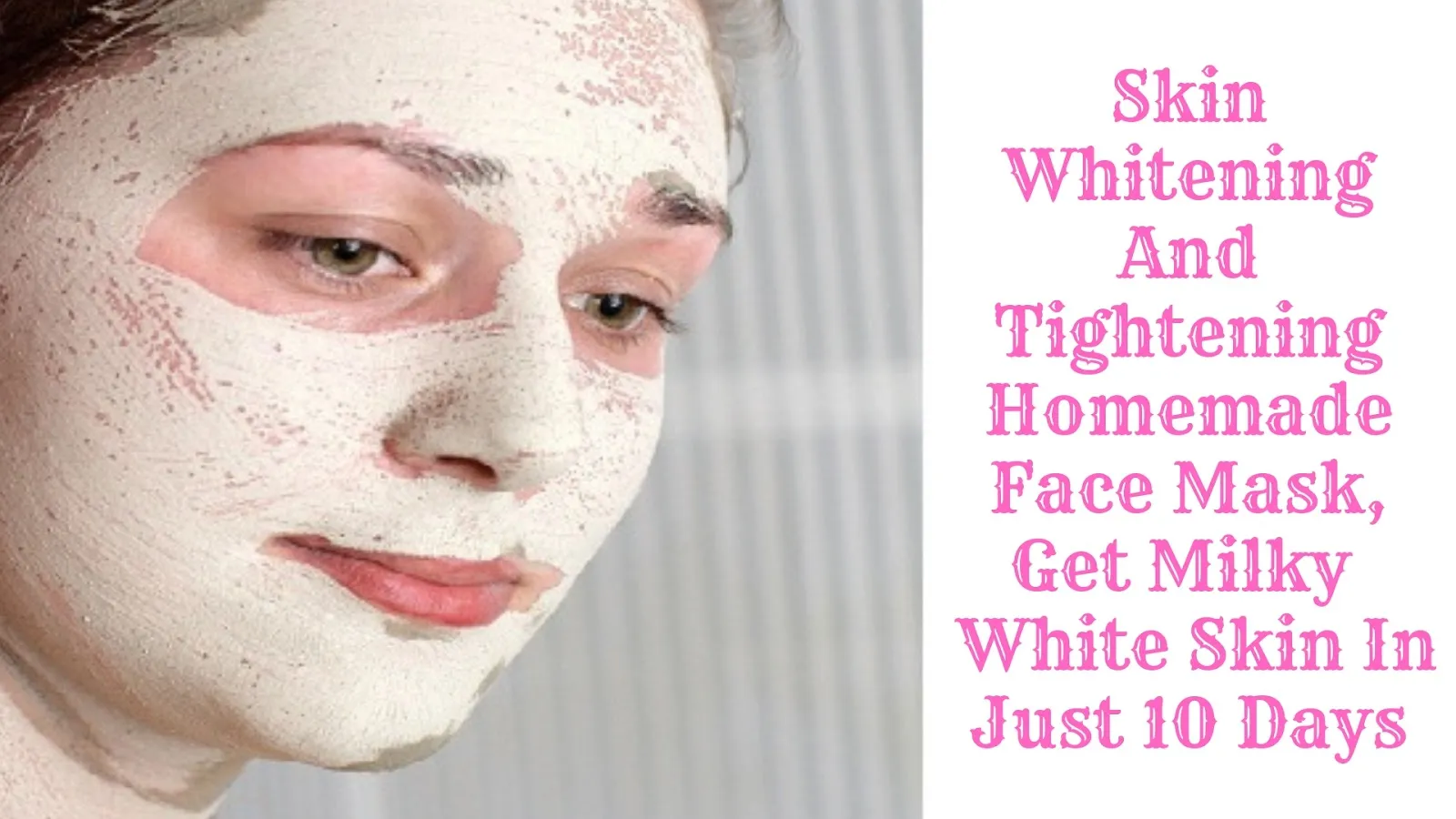
Understanding Homemade Facial Whitening Benefits
The pursuit of radiant, even-toned skin has led many to explore the realm of homemade facial whitening. This approach offers a natural, often cost-effective alternative to commercial products, allowing individuals to control the ingredients used on their skin. Homemade methods frequently leverage the power of readily available ingredients, offering a gentler approach that can be tailored to specific skin types and sensitivities. The appeal lies in the potential to address hyperpigmentation, dark spots, and uneven skin tone, promoting a brighter complexion. This guide explores the benefits, methods, and considerations of homemade facial whitening, equipping you with the knowledge to embark on your journey towards a more luminous visage. Many individuals find that homemade recipes offer a sense of empowerment, putting them in charge of their skincare routine and promoting a deeper understanding of what they apply to their skin.
The Science Behind Facial Whitening
Facial whitening, at its core, revolves around the reduction of melanin, the pigment responsible for skin color. Homemade recipes often incorporate ingredients with properties that either inhibit melanin production or accelerate the shedding of pigmented cells. Ingredients like lemon juice, for example, contain citric acid, a natural exfoliant that helps remove dead skin cells and may lighten the skin over time. Turmeric, rich in curcumin, possesses antioxidant and anti-inflammatory properties, which can help combat hyperpigmentation and promote a healthier complexion. Understanding these underlying mechanisms is crucial to appreciating the potential of homemade facial whitening. It’s also important to note that while some ingredients may offer temporary lightening effects, consistent application and a holistic approach to skincare are key to achieving lasting results. Skin whitening is a complex process, and while homemade recipes offer promise, they should be approached with realistic expectations and a commitment to consistent care.
Ingredients to Avoid in Homemade Whitening

While the allure of homemade facial whitening is undeniable, it’s crucial to be aware of ingredients that may cause harm. Some recipes circulating online may suggest the use of harsh chemicals or substances that can irritate the skin. Avoid ingredients like baking soda, which can disrupt the skin’s natural pH balance and cause dryness or irritation. Also, steer clear of products containing high concentrations of acids without proper knowledge of their use and application. Always research the potential risks of each ingredient before applying it to your face. It’s always best to stick with natural ingredients. It’s crucial to prioritize safety and select ingredients known for their gentle yet effective properties. Consulting with a dermatologist before trying any new skincare regimen is always a good idea, especially if you have sensitive skin or underlying skin conditions.
Effective Homemade Recipes for Facial Whitening
Several homemade recipes have gained popularity for their skin-lightening properties. These recipes typically utilize readily available ingredients with known benefits. However, remember to always perform a patch test before applying any new mixture to your entire face. This will help ensure that you do not have any adverse reactions. Consistency is key. Regular application of these masks, combined with a healthy skincare routine, can contribute to a brighter and more even complexion. Remember to always use fresh ingredients and to store any leftover mixtures properly. These recipes are best used when fresh and should not be stored for extended periods. Always check for any changes in the mixture, and discard if you suspect it has gone bad.
Recipe 1 Lemon and Honey Mask
Lemon juice, a natural source of citric acid, acts as a gentle exfoliant, while honey, a humectant, provides moisturizing benefits. Combine one tablespoon of fresh lemon juice with one tablespoon of raw honey. Apply the mixture to your face, avoiding the eye area. Leave it on for 15-20 minutes, then rinse thoroughly with lukewarm water. Honey is known for its soothing and healing properties, which can help counteract the potential drying effects of lemon. This mask is best used once or twice a week, as excessive use of lemon juice can increase sun sensitivity. The combination of lemon and honey offers a simple yet effective approach to brightening the skin. Always use fresh lemon juice and high-quality honey for optimal results. Be mindful of your skin’s reaction, and discontinue use if you experience any irritation. It can be beneficial to add a tiny amount of water to the mixture to thin it out for better application.
Recipe 2 Turmeric and Yogurt Mask

Turmeric, with its anti-inflammatory and antioxidant properties, can help to even out skin tone and reduce hyperpigmentation. Yogurt, containing lactic acid, offers gentle exfoliating effects. Mix one teaspoon of turmeric powder with two tablespoons of plain yogurt. Apply the paste to your face, and leave it on for 15-20 minutes. Rinse with lukewarm water. The yogurt helps balance the turmeric, reducing the chance of any yellow staining. This mask is suitable for most skin types. It is particularly beneficial for those looking to combat inflammation and reduce the appearance of dark spots. Using this mask regularly can contribute to a brighter and more even complexion. You can add a little honey to the mixture for additional benefits. Always use a good-quality turmeric powder and plain yogurt, not flavored ones, for best results. It is important to note that it can stain clothes, so be careful during application.
Recipe 3 Potato Juice for Whitening
Potato juice is a lesser-known, yet potentially effective, ingredient for facial whitening. It contains natural bleaching agents. Grate a potato, extract the juice, and apply it to your face using a cotton ball. Leave it on for 15-20 minutes, and then rinse with cool water. Potato juice can help reduce dark spots and brighten the skin. This mask is a gentle option for those with sensitive skin. The key is to ensure the potato is fresh and the juice is pure. Always patch test before applying this to your face, as with any new skincare ingredient. Regular use of potato juice may help lighten the skin gradually. It can be beneficial to apply a moisturizer after rinsing, as potato juice can be slightly drying. This method is an alternative option. Some individuals find it effective in reducing the appearance of blemishes and uneven skin tone.
Step by Step Guide Applying Mask
To ensure the best results, follow a step-by-step guide when applying your homemade facial whitening mask. First, cleanse your face thoroughly to remove any dirt, makeup, or oil. Gently pat your face dry with a soft towel. Apply the mask evenly, avoiding the delicate eye area. Allow the mask to sit for the recommended time. Rinse thoroughly with lukewarm water, ensuring no residue remains. Pat your face dry and apply a gentle moisturizer. This consistent approach will maximize the effectiveness of your chosen mask and promote healthy, radiant skin. Applying in this manner will help you achieve the best possible results and minimize any potential irritation or discomfort. Remember to apply the masks when you have adequate time to relax and let them work their magic.
Tips for Optimizing Homemade Facial Whitening

To maximize the benefits of your homemade facial whitening regimen, incorporate these essential tips. Always prioritize fresh, high-quality ingredients, as they contain the most active compounds. Use a clean application tool, like a brush or your fingers. Consistency is crucial for visible results; aim for regular applications, as specified by the recipes. Furthermore, tailor your approach to your skin type and monitor its reaction to each ingredient. These steps will help you get the most from your homemade remedies. Combining the whitening methods with a good skincare routine is vital. Take care of your skin by hydrating and moisturizing consistently. Avoid scrubbing or harsh exfoliating products while using these whitening methods, or you could cause irritation. Be patient, as it can take some time to see results.
Importance of Patch Testing
Before applying any homemade facial whitening mixture to your entire face, it’s crucial to perform a patch test. Apply a small amount of the mixture to a discreet area of your skin, such as the inside of your wrist or behind your ear. Wait at least 24 hours to observe any adverse reactions, like redness, itching, or irritation. If you experience any of these symptoms, discontinue use immediately. Patch testing is a vital step in ensuring your skin’s safety and minimizing the risk of allergic reactions. Skipping this step could lead to unnecessary discomfort or skin damage. This simple, yet essential, precaution allows you to enjoy the benefits of homemade skincare with peace of mind. Remember, everyone’s skin is different, and what works for one person may not work for another.
Maintaining a Consistent Skincare Routine
A consistent skincare routine is vital for achieving and maintaining a radiant complexion. This should include cleansing your face twice daily, morning and night, to remove impurities and prepare your skin for treatment. Exfoliate your skin one to three times a week to remove dead skin cells. Always use a gentle moisturizer to hydrate and nourish your skin. This helps prevent dryness, which can exacerbate the appearance of dark spots and uneven skin tone. Incorporate a sunscreen with a high SPF every morning. Sun exposure can darken existing pigmentation and undermine the effects of your whitening efforts. This integrated approach ensures that your skin remains healthy and receptive to the benefits of your homemade treatments. A consistent skincare routine is the cornerstone of any successful skincare journey.
Exfoliation and Whitening for Best Results

Exfoliation plays a crucial role in facial whitening, as it helps remove dead skin cells and promotes skin cell turnover. This process allows the whitening ingredients to penetrate deeper and more effectively. Incorporate gentle exfoliation into your routine one to three times a week. This can be done with a physical scrub or a chemical exfoliant, such as those containing AHAs or BHAs. Be careful not to over-exfoliate, as this can lead to irritation and sensitivity. When using both exfoliation and whitening treatments, it’s important to monitor your skin’s response and adjust the frequency as needed. A good balance between exfoliation and whitening will help to maximize the benefits of your skincare routine, leading to a brighter and more radiant complexion. Always follow your chosen exfoliating method with a hydrating moisturizer.
Avoiding Sun Exposure
Sun exposure is the single biggest factor that can undermine your efforts to whiten your skin. The sun’s UV rays stimulate melanin production, which can worsen hyperpigmentation and dark spots. Protecting your skin from the sun is critical to prevent further darkening. Always apply a broad-spectrum sunscreen with a high SPF every morning, even on cloudy days. Reapply sunscreen every two hours, especially if you are spending time outdoors. Furthermore, seek shade during peak sun hours. Wear protective clothing, such as hats and long sleeves, to shield your skin from direct sunlight. This will help to minimize the damaging effects of the sun and support the skin-whitening process. Sun protection is non-negotiable when it comes to achieving and maintaining a brighter complexion.
Potential Risks and Side Effects
While homemade facial whitening offers various potential benefits, it’s essential to be aware of possible risks and side effects. Some ingredients can cause irritation, redness, or dryness, especially in individuals with sensitive skin. Overuse of certain ingredients, such as lemon juice, can increase sun sensitivity. It is important to perform a patch test before using any new recipe. Be cautious when combining multiple active ingredients. Monitor your skin’s response closely and discontinue use if you experience any adverse reactions. If you have pre-existing skin conditions, consult a dermatologist before trying any homemade treatments. The goal is a safe and effective approach to skincare. Be prepared to stop use if you experience redness or irritation. Prioritize your skin health.
Addressing Common Concerns

Several common concerns arise when it comes to homemade facial whitening. One frequently asked question is about the effectiveness and time frame for results. Patience is vital, as it may take weeks or months to see visible changes. Another concern is the potential for uneven whitening. To mitigate this, ensure even application and consider using multiple approaches. If you experience any adverse effects, the first step is to discontinue use. Address any potential issues promptly and consider seeking professional advice if needed. Understanding these concerns and addressing them proactively is essential to ensure a successful and safe experience with homemade facial whitening. Keep in mind that a healthy lifestyle, including proper nutrition and adequate hydration, can also greatly impact your skin’s overall appearance. Always be realistic about what to expect, and prioritize your skin’s health and safety above all else.