Achieving a brighter smile is a common goal, but for those with gum disease, the process of teeth whitening requires careful consideration. Gum disease, also known as periodontal disease, can significantly impact your oral health and the safety and effectiveness of teeth whitening treatments. This article will explore the intricate relationship between gum disease and teeth whitening, providing essential insights to help you make informed decisions and maintain both a healthy and radiant smile. Understanding these factors is key to achieving the best results without compromising your oral health. The information is designed to guide you through the process, ensuring you’re well-equipped to discuss options with your dentist.
Understanding the Link Between Gum Disease and Teeth Whitening
The presence of gum disease complicates the approach to teeth whitening. The inflammation, infection, and potential recession associated with gum disease can create sensitivities and risks that must be addressed before any whitening procedure. Ignoring these issues can lead to increased discomfort, potential damage to the teeth and gums, and disappointing results. It’s crucial to understand how gum disease interacts with whitening agents and the importance of prioritizing gum health. This section will delve into the specifics, ensuring you’re aware of the interplay between these two factors.
What is Gum Disease?
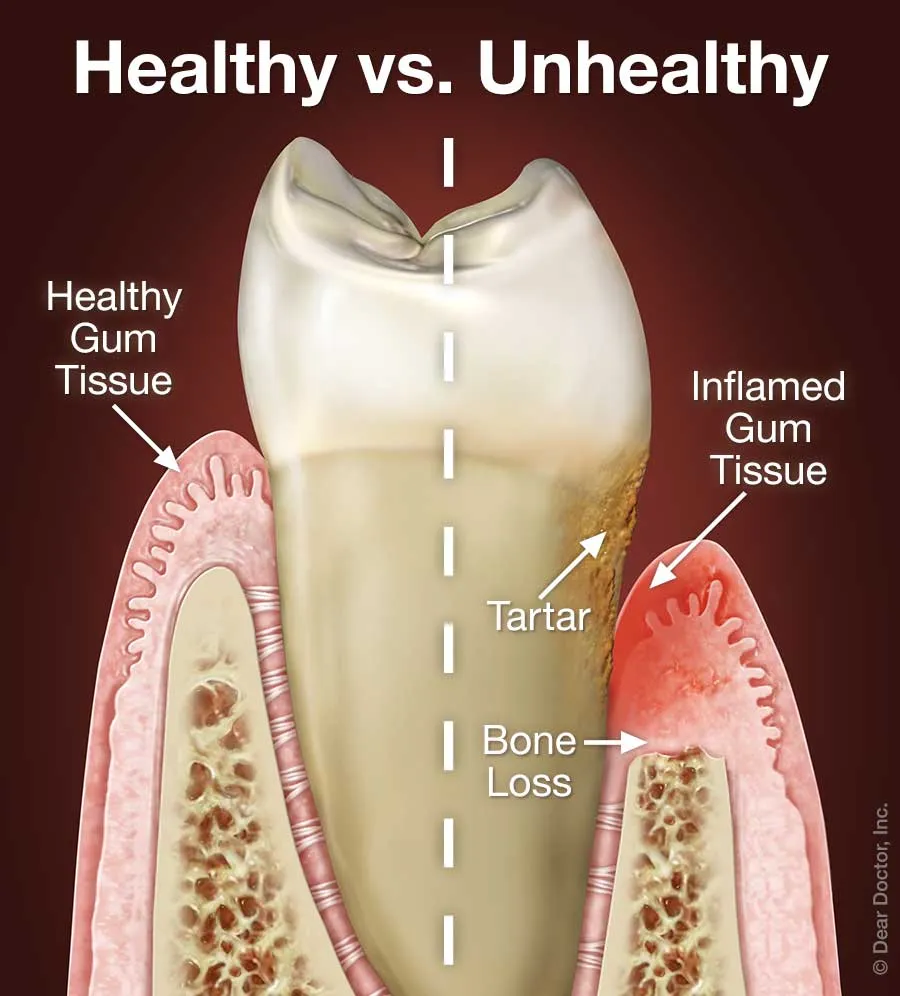
Gum disease is an infection of the tissues that surround and support your teeth. It’s primarily caused by plaque, a sticky film of bacteria that constantly forms on your teeth. If plaque is not removed through regular brushing and flossing, it hardens into tartar, also known as calculus. Tartar makes it more difficult to remove plaque and harbors bacteria, leading to inflammation and infection of the gums. This inflammation can cause the gums to bleed, swell, and eventually pull away from the teeth, forming pockets where more bacteria can accumulate. Left untreated, gum disease can lead to tooth loss.
Stages of Gum Disease

Gum disease progresses through several stages, each with its own set of symptoms and treatment options. Gingivitis is the mildest form, characterized by red, swollen, and easily bleeding gums. At this stage, the damage is often reversible with professional cleaning and improved oral hygiene. Periodontitis is the more advanced stage, where the gums pull away from the teeth, forming pockets that become infected. This can lead to bone loss and, eventually, tooth loss. Treatment for periodontitis may involve deep cleaning procedures like scaling and root planing, antibiotics, or surgery. Recognizing the stage of your gum disease is crucial in determining the appropriate course of action for both your gum health and any teeth whitening aspirations.
How Gum Disease Affects Teeth Whitening
Gum disease significantly impacts teeth whitening in several ways. The inflammation and sensitivity associated with gum disease can make whitening treatments uncomfortable or even painful. Whitening agents, such as hydrogen peroxide or carbamide peroxide, can irritate already inflamed gums and exacerbate sensitivity. Moreover, if gum recession is present, the roots of the teeth may be exposed, which are more porous and susceptible to staining and sensitivity. Whitening treatments might not be as effective or could lead to uneven results in these cases. Addressing the underlying gum disease is paramount before considering teeth whitening to ensure both safety and optimal outcomes. Seeking professional dental advice is key.
Can You Whiten Teeth if You Have Gum Disease?
The answer to whether you can whiten your teeth if you have gum disease isn’t a simple yes or no. Generally, it’s advisable to treat gum disease before undergoing any teeth whitening procedure. Whitening treatments can worsen the condition and cause unnecessary discomfort if your gums are inflamed or infected. However, in some cases, with proper management and under the strict supervision of a dentist, whitening might be possible. The key is to assess the severity of the gum disease, ensure it’s under control, and choose a whitening method that is safe for your specific situation. Regular check-ups with your dentist will help monitor your progress and make informed decisions.
Factors to Consider Before Whitening

Before considering teeth whitening, several factors must be evaluated. The severity of your gum disease is the primary concern. If you have gingivitis, your dentist may recommend professional cleaning and improved oral hygiene before whitening. For more advanced stages of periodontitis, treatment to control the infection and inflammation is necessary. Other factors include the type of whitening treatment, the concentration of the whitening agent, and your overall oral health. Your dentist will assess your teeth and gums, taking X-rays if needed, to determine the best course of action. It’s always recommended to discuss any underlying health conditions with your dentist before undergoing any cosmetic dental procedures.
Consulting Your Dentist
Consulting with your dentist is the most crucial step before attempting to whiten your teeth if you have gum disease. Your dentist will conduct a thorough examination, including assessing the health of your gums, measuring the depth of any periodontal pockets, and checking for signs of inflammation or infection. They will also discuss your whitening goals and recommend the most appropriate and safe treatment options. A professional cleaning may be necessary to remove plaque and tartar, and your dentist may suggest a specialized toothpaste or mouthwash to improve your oral hygiene. Following your dentist’s recommendations is key to achieving a brighter smile while maintaining healthy gums.
Teeth Whitening Options for Those with Gum Disease
Several teeth whitening options are available for those with gum disease, but the choice should always be made in consultation with a dentist. The goal is to find a method that is effective yet gentle on the gums and teeth. The best approach depends on the severity of your gum disease, the sensitivity of your teeth, and your whitening goals. Some options may be more suitable than others, and your dentist will guide you towards the most appropriate choice for your specific needs. They will consider the potential risks and benefits of each method to ensure your safety and satisfaction. Keep in mind that maintaining healthy gums is always the priority.
Professional Whitening Treatments

Professional whitening treatments, performed by a dentist, offer several advantages, especially for those with gum disease. These treatments use stronger whitening agents than at-home products, providing more dramatic results in a shorter time. Your dentist can carefully monitor your gums and teeth during the procedure, minimizing any potential risks or discomfort. Before the treatment, your dentist may apply a protective barrier to your gums to reduce sensitivity. They can also customize the treatment to your specific needs, adjusting the concentration of the whitening agent and the duration of the procedure. Professional treatments are often the safest and most effective option for those with gum disease, as they are administered under expert supervision.
At-Home Whitening Products
At-home whitening products, such as whitening toothpaste and strips, offer a more convenient and cost-effective option, but they may not be suitable for everyone with gum disease. The active ingredients in these products are usually less concentrated than those used in professional treatments, which can reduce the risk of irritation. However, it’s essential to choose products that are specifically designed for sensitive teeth and gums and to follow the instructions carefully. If you have gum disease, consult your dentist before using any at-home whitening products. They can advise you on which products are safe and effective for your situation and provide guidance on how to minimize potential risks. Over-the-counter products can be a part of your whitening strategy, but only after discussing them with your dentist.
Whitening Toothpaste
Whitening toothpaste contains mild abrasives or chemical agents that help remove surface stains from your teeth. They typically have a lower concentration of whitening agents than professional treatments or whitening strips, making them a relatively safe option for those with sensitive teeth and gums. However, they may not be as effective for removing deeper stains. When choosing a whitening toothpaste, look for one that is specifically designed for sensitive teeth and gums and contains fluoride to protect against cavities. It’s also important to use a soft-bristled toothbrush and brush gently to avoid irritating your gums. Remember to consult with your dentist for personalized recommendations on the most suitable products.
Whitening Strips

Whitening strips are thin, flexible strips coated with a whitening agent that you apply directly to your teeth. They are generally more effective than whitening toothpaste but may still be less potent than professional treatments. The concentration of the whitening agent can vary, so it’s important to read the product instructions carefully and to follow the recommended usage. Whitening strips can sometimes cause gum irritation or sensitivity, especially if you already have gum disease. If you experience any discomfort, stop using the strips and consult with your dentist. Your dentist can also guide you on how to use the strips safely and effectively to minimize potential risks.
Important Aftercare and Maintenance
After undergoing teeth whitening, whether professional or at-home, proper aftercare and maintenance are crucial for maintaining a bright smile and preventing gum disease. This includes maintaining good oral hygiene practices, attending regular dental check-ups, and making healthy lifestyle choices. Following these guidelines can help you enjoy the benefits of teeth whitening for a longer period while safeguarding your oral health. Consistent care will protect your teeth and gums from future issues and promote lasting results.
Maintaining Oral Hygiene
Maintaining good oral hygiene is essential for both preventing gum disease and preserving the results of teeth whitening. Brush your teeth twice a day with a fluoride toothpaste, using a soft-bristled toothbrush and gentle circular motions. Floss daily to remove plaque and food particles from between your teeth and along the gumline. You can also use an antibacterial mouthwash to further reduce bacteria in your mouth. Proper oral hygiene helps keep your gums healthy and prevents new stains from forming on your teeth. Be sure to replace your toothbrush every three to four months or sooner if the bristles become frayed.
Regular Dental Check-ups

Regular dental check-ups and professional cleanings are vital for maintaining healthy gums and teeth. Your dentist can detect early signs of gum disease and provide treatment to prevent its progression. They can also remove plaque and tartar buildup that you may miss with your brushing and flossing. During your check-ups, your dentist will assess the results of your teeth whitening and provide advice on how to maintain your bright smile. Regular visits allow your dentist to monitor your oral health and address any issues promptly, ensuring you achieve the best possible outcomes.
Lifestyle Choices for Healthy Teeth
Certain lifestyle choices can significantly impact your oral health and the longevity of your teeth whitening results. Avoiding smoking and tobacco products is essential, as they can stain your teeth and increase your risk of gum disease. Limiting your consumption of staining foods and drinks, such as coffee, tea, red wine, and berries, can also help. Maintaining a balanced diet rich in fruits, vegetables, and calcium-rich foods supports overall oral health. Drinking plenty of water helps rinse away food particles and keeps your mouth hydrated. Making these healthy choices can contribute to both a brighter smile and better oral health.
In conclusion, achieving a brighter smile is possible even with gum disease, but it requires a thoughtful and cautious approach. Prioritizing gum health, consulting with your dentist, and choosing the right whitening methods are essential steps. By understanding the link between gum disease and teeth whitening, you can make informed decisions and achieve a radiant smile while protecting your oral health. Remember to follow your dentist’s recommendations and maintain excellent oral hygiene practices to enjoy long-lasting results. With the right care and attention, you can confidently embark on your teeth whitening journey while keeping your gums healthy and happy.