What is Kojic Whitening Cream
Kojic whitening cream has gained significant popularity in the skincare world for its potential to lighten skin and address issues like dark spots and uneven skin tone. But what exactly is it, and how does it work? This comprehensive review will delve into the details, providing you with the essential facts you need to know. Kojic acid is the star ingredient, derived from various fungi and a byproduct of fermenting certain foods, like soy sauce and rice wine. Its use in skincare aims to inhibit melanin production, the pigment responsible for skin color. The result? A potentially brighter, more even complexion. This review will explore the benefits, side effects, and how to safely incorporate kojic whitening cream into your skincare routine.
Kojic Acid The Active Ingredient
The effectiveness of kojic whitening cream is largely attributed to its primary active ingredient kojic acid. This compound is a naturally occurring substance produced by several species of fungi and is also a byproduct of the fermentation process used to make soy sauce and rice wine. In the realm of skincare, kojic acid is recognized for its ability to inhibit the production of melanin. Melanin is the pigment that gives our skin its color, and an overproduction can lead to dark spots, hyperpigmentation, and an uneven skin tone. By interfering with melanin production, kojic acid helps to lighten the skin and reduce the appearance of these unwanted imperfections.
How Kojic Acid Works

Kojic acid works at a cellular level to achieve its skin-lightening effects. The process involves inhibiting tyrosinase, an enzyme essential for melanin production. Tyrosinase converts the amino acid tyrosine into melanin. By blocking tyrosinase, kojic acid effectively reduces the amount of melanin produced, leading to a gradual lightening of the skin. This mechanism makes kojic acid a popular ingredient for treating hyperpigmentation, such as age spots, sunspots, and melasma. Furthermore, its antioxidant properties can also help protect the skin from damage caused by free radicals, contributing to overall skin health. The effectiveness of kojic acid can vary depending on the concentration of the cream and the individual’s skin type.
Fact 1 Whitening Benefits
One of the primary benefits of kojic whitening cream is its ability to lighten the skin. This is achieved through the inhibition of melanin production. The result is a reduction in the appearance of dark spots, freckles, and other forms of hyperpigmentation. With consistent use, users often report a more even skin tone and a brighter complexion. It’s important to manage expectations, as results can vary depending on individual skin characteristics and the concentration of kojic acid in the product. The effectiveness of kojic acid often becomes more noticeable over time with regular and proper application.
Effectiveness of Kojic Acid
The effectiveness of kojic acid in skin whitening has been demonstrated in various studies and real-world applications. Kojic acid is particularly effective in addressing hyperpigmentation issues, such as sunspots, age spots, and melasma. Its ability to target melanin production makes it a potent ingredient for skin lightening. However, it’s essential to understand that kojic acid isn’t a quick fix. Visible results typically appear after several weeks or months of consistent use. The concentration of kojic acid in the cream plays a vital role in its efficacy, with higher concentrations often yielding quicker results, but potentially also increasing the risk of side effects. Skin type and sensitivity also impact how well the cream works.
Skin Tone Improvement

Users of kojic whitening cream often report a noticeable improvement in their overall skin tone. The cream works to create a more even complexion by reducing the contrast between areas of hyperpigmentation and the surrounding skin. This results in a smoother, more radiant appearance. The lightening effect can be particularly beneficial for individuals with uneven skin tones caused by sun damage, acne scars, or hormonal changes. Regular use of kojic acid can help to even out these inconsistencies, leading to a more uniform skin tone. It’s important to maintain a consistent skincare routine and protect the skin from sun exposure to maximize these benefits.
Fact 2 Other Skin Benefits
Beyond its skin-lightening properties, kojic acid offers additional benefits that contribute to overall skin health. Many formulations of kojic whitening cream also include antioxidants, which help to protect the skin from environmental damage. These antioxidants fight against free radicals, which can accelerate the aging process and cause damage to skin cells. Additionally, kojic acid can act as an anti-inflammatory agent, reducing redness and irritation. The combined effect of these benefits can lead to healthier, more vibrant skin. As always, it is crucial to choose products that suit individual skin needs and sensitivity levels.
Reducing Dark Spots
Kojic acid is particularly effective in reducing the appearance of dark spots, such as age spots and sunspots. These dark spots are often the result of sun damage or the natural aging process. By inhibiting melanin production, kojic acid helps to fade these spots, leading to a more even skin tone. The process typically takes several weeks or months of consistent use to see significant results, but many users report noticeable improvements in the appearance of their skin over time. For best results, using kojic acid cream in conjunction with sunscreen is important to prevent the formation of new dark spots.
Treating Hyperpigmentation

Kojic acid is a commonly used ingredient for treating various forms of hyperpigmentation. This includes conditions like melasma, a condition that causes brown or gray-brown patches on the face, and post-inflammatory hyperpigmentation (PIH), which can result from acne or skin injuries. Kojic acid works by targeting the excess melanin production that causes these conditions. However, the effectiveness of kojic acid varies depending on the severity of the hyperpigmentation and the individual’s skin type. For more severe cases, it is advisable to consult a dermatologist, who can provide a personalized treatment plan that might include prescription-strength products or other advanced treatments.
Fact 3 Potential Side Effects
While kojic whitening cream is generally considered safe, it can cause side effects in some individuals. These side effects are usually mild, but it’s important to be aware of them before incorporating the cream into your skincare routine. The most common side effects include skin irritation, redness, and itching. These reactions are often more likely to occur in individuals with sensitive skin or when using high concentrations of kojic acid. Proper application and adherence to product instructions are important for minimizing the risks. A patch test is always recommended before applying the cream to a larger area of skin.
Skin Irritation
Skin irritation is a common side effect of kojic acid. This can manifest as redness, itching, or a burning sensation. The irritation is often more likely to occur in individuals with sensitive skin or when using products with a high concentration of kojic acid. If irritation occurs, it is advisable to reduce the frequency of application or dilute the cream with a moisturizer. In some cases, switching to a product with a lower concentration of kojic acid may also be necessary. Always monitor how your skin reacts to the product and adjust your usage accordingly. If irritation persists, consult a dermatologist.
Sun Sensitivity

Kojic acid can increase the skin’s sensitivity to the sun. This means that the skin can be more easily damaged by UV radiation. Increased sun sensitivity can lead to sunburn, premature aging, and an increased risk of skin damage. Therefore, it is crucial to use a broad-spectrum sunscreen with a high SPF every day when using kojic acid cream, even on cloudy days. Reapply sunscreen every two hours, especially if you are spending time outdoors. Protecting your skin from sun exposure is vital to prevent further hyperpigmentation and to ensure the effectiveness of the kojic acid treatment. Incorporating sun protection into your daily routine is non-negotiable.
Fact 4 How to Choose Kojic Cream
When selecting a kojic whitening cream, several factors should be considered to ensure you choose a product that is both effective and safe for your skin. The concentration of kojic acid is a crucial factor. Typically, products contain between 1% and 2% kojic acid, which is a generally safe concentration. Higher concentrations may provide faster results but can increase the risk of side effects. It is also important to consider other ingredients. Look for formulations that contain moisturizing ingredients like hyaluronic acid or aloe vera to counteract any potential dryness. Lastly, it is beneficial to read reviews and consult with a dermatologist to get personalized recommendations.
Concentration Matters
The concentration of kojic acid in a cream significantly affects its effectiveness and the potential for side effects. Most over-the-counter kojic acid creams contain concentrations ranging from 1% to 2%. This range is generally considered safe for most people. Higher concentrations might offer faster results, but they can increase the risk of irritation, redness, or other adverse reactions. Start with a lower concentration to assess your skin’s tolerance, and gradually increase the concentration if needed and if your skin handles it well. Always follow the product’s instructions and consult with a dermatologist if you have any concerns or if your skin is particularly sensitive.
Other Ingredients
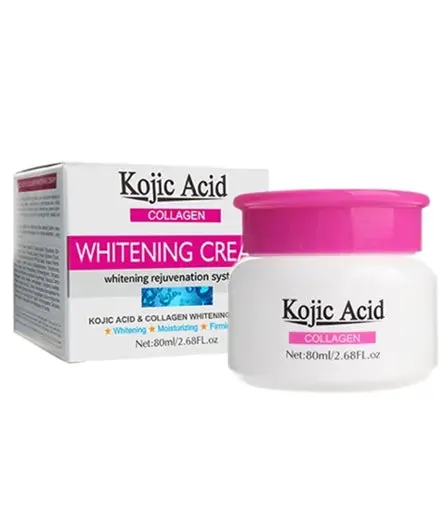
In addition to kojic acid, the other ingredients in a whitening cream play a crucial role in its overall efficacy and safety. Look for products that include moisturizing ingredients such as hyaluronic acid, glycerin, or ceramides. These ingredients can help to counteract the potential dryness that can be associated with kojic acid use. Also, check for ingredients with antioxidant and anti-inflammatory properties like Vitamin C or green tea extract. These can enhance the product’s benefits. Avoid products that contain harsh chemicals, fragrances, or excessive amounts of alcohol, as these can irritate the skin. The overall formula should support and complement the action of the kojic acid.
Fact 5 Using Kojic Cream
Proper application and usage are vital for achieving the best results with kojic whitening cream and minimizing the risk of side effects. Before applying the cream to your entire face, perform a patch test on a small area of your skin to check for any adverse reactions. Apply a thin layer of the cream to clean, dry skin, typically once or twice a day, as directed by the product’s instructions. Remember to always use sunscreen during the day to protect your skin from sun damage, which can counteract the effects of the cream. Monitor your skin for any signs of irritation and adjust your usage as needed.
Application
Proper application of kojic whitening cream is essential for its effectiveness and for minimizing potential side effects. Begin with clean, dry skin. Apply a thin layer of the cream to the affected areas, or as directed by the product instructions. A little goes a long way. Over-application can lead to increased irritation. The frequency of application can vary depending on the product. Most creams are used once or twice a day. For best results, it is recommended to use kojic acid cream consistently. Avoid applying the cream to sensitive areas. Always wash your hands thoroughly after application.
Sun Protection

Protecting your skin from sun exposure is non-negotiable when using kojic whitening cream. Kojic acid increases the skin’s sensitivity to the sun, making it more vulnerable to damage. The sun’s rays can counteract the lightening effects of the cream and worsen hyperpigmentation. Always apply a broad-spectrum sunscreen with an SPF of 30 or higher every morning, regardless of the weather. Reapply sunscreen every two hours, especially if you are outdoors for extended periods. Consider wearing protective clothing, such as hats and sunglasses, to provide an additional layer of defense against the sun’s harmful rays. Consistent sun protection is crucial for maintaining the results achieved with kojic acid cream.
Conclusion
Kojic whitening cream can be a valuable addition to your skincare routine, offering significant benefits for those seeking to lighten their skin and address issues like dark spots and uneven skin tone. However, it is essential to approach its use with knowledge and care. Understanding the active ingredient, potential side effects, and proper application methods is key to achieving the desired results safely. Prioritize sun protection, select the right product for your skin type, and consult with a dermatologist if you have concerns. With the right approach, kojic whitening cream can contribute to a brighter, more even complexion. Remember to always patch test and listen to your skin to optimize its benefits.