What is Laser Teeth Whitening?
Laser teeth whitening, also known as power whitening or light-activated whitening, is a cosmetic dental procedure designed to lighten the shade of your teeth. It’s a popular choice for those seeking a brighter, more confident smile. The process generally involves the application of a bleaching agent, typically hydrogen peroxide, to the teeth. This is followed by the use of a special laser or light to accelerate the whitening process. This method aims to break down stains and discoloration, offering significant results in a relatively short period of time. It’s a professional treatment performed by a dentist or a trained dental professional, ensuring safety and efficacy. The effectiveness can vary based on the individual’s teeth and the type of stains present, but many patients experience a noticeable improvement in the color of their teeth. It is crucial to consult with a dental professional to determine if laser teeth whitening is suitable for your specific needs and oral health condition.
How Laser Teeth Whitening Works
The science behind laser teeth whitening is quite fascinating. The key is the bleaching agent, usually a high-concentration hydrogen peroxide solution. When this gel is applied to the teeth, it penetrates the enamel and dentin, the layers that make up your teeth. The laser or light source is then used to activate the bleaching agent, which speeds up the chemical reaction. This process breaks down the stain molecules that have accumulated on and within the teeth. The laser doesn’t directly whiten the teeth; instead, it helps the bleaching agent work more effectively. The heat and energy from the laser can penetrate the teeth and break down the stains faster than with bleaching agents alone. This accelerates the process, providing quicker and more dramatic results compared to at-home whitening kits. The duration and intensity of the laser treatment can vary depending on the specific system used and the desired level of whitening. Proper oral hygiene, including regular brushing and flossing, is essential to maintain the results.
The Procedure Step-by-Step

The laser teeth whitening procedure typically begins with a thorough dental examination and cleaning to ensure the teeth are free from plaque and tartar. The dentist or dental hygienist will then isolate the teeth to be treated, often using a cheek retractor to keep the mouth open and cotton rolls or other protective measures to keep the gums dry. A protective barrier, such as a liquid dam or a rubber shield, is applied to the gums to prevent the bleaching agent from irritating them. The bleaching gel is carefully applied to the surface of the teeth. The laser or light is then directed at the teeth, activating the bleaching agent. The duration of the laser treatment can vary, often lasting for about 15 to 20 minutes per session. Depending on the desired outcome and the severity of the discoloration, multiple sessions might be needed, sometimes during the same appointment. After the treatment, the gel is rinsed off, and the protective measures are removed. The dentist may apply a fluoride treatment to reduce any sensitivity.
Benefits of Laser Teeth Whitening
Laser teeth whitening offers a variety of advantages. One of the most significant is the speed at which results are achieved. Unlike over-the-counter whitening products that can take weeks or months to show noticeable effects, laser whitening often provides immediate and dramatic improvements, sometimes within a single session. This makes it an excellent option for those seeking a quick solution before an important event or simply desiring a brighter smile without a long waiting period. Additionally, the results tend to be more significant compared to at-home methods, as the high concentration of bleaching agents and the use of laser technology allow for more effective stain removal. The procedure is performed under the supervision of a dental professional, ensuring a safe and controlled environment, which minimizes the risk of complications. This professional setting also allows for a more personalized treatment plan tailored to the individual’s specific needs and the condition of their teeth. Furthermore, the boosted confidence from a whiter smile can have a positive impact on social interactions and self-esteem.
Immediate Results
One of the most appealing aspects of laser teeth whitening is the immediate impact. Patients often notice a significant difference in the color of their teeth right after the procedure. The degree of whitening varies from person to person, but it is common to see teeth lighten by several shades in a single session. This immediate transformation can be particularly satisfying for individuals looking for quick results. It’s important to note that while the initial results are dramatic, some fading may occur over time. However, the initial impact provides a significant boost in confidence. The immediate results make laser teeth whitening an excellent choice for those who want a rapid smile makeover, whether it is for a wedding, a job interview, or simply to feel better about their appearance. The procedure’s ability to deliver instant gratification is a major reason for its popularity among those seeking a brighter smile quickly.
Long-term Benefits

The long-term benefits of laser teeth whitening extend beyond the initial cosmetic improvement. A whiter smile can boost self-esteem and confidence, leading to improved social interactions and a more positive self-image. When people feel good about their appearance, they are more likely to be outgoing and confident in various aspects of their lives. This increased self-assurance can have a ripple effect, influencing both personal and professional relationships. Furthermore, maintaining a bright smile often encourages better oral hygiene practices. After investing in teeth whitening, individuals are more likely to prioritize brushing, flossing, and regular dental check-ups to preserve their results. This heightened focus on oral health contributes to overall dental wellness, reducing the risk of future problems like cavities and gum disease. While the whitening effect may gradually fade over time, with proper care and occasional touch-ups, the long-term benefits of a brighter smile can significantly enhance one’s quality of life.
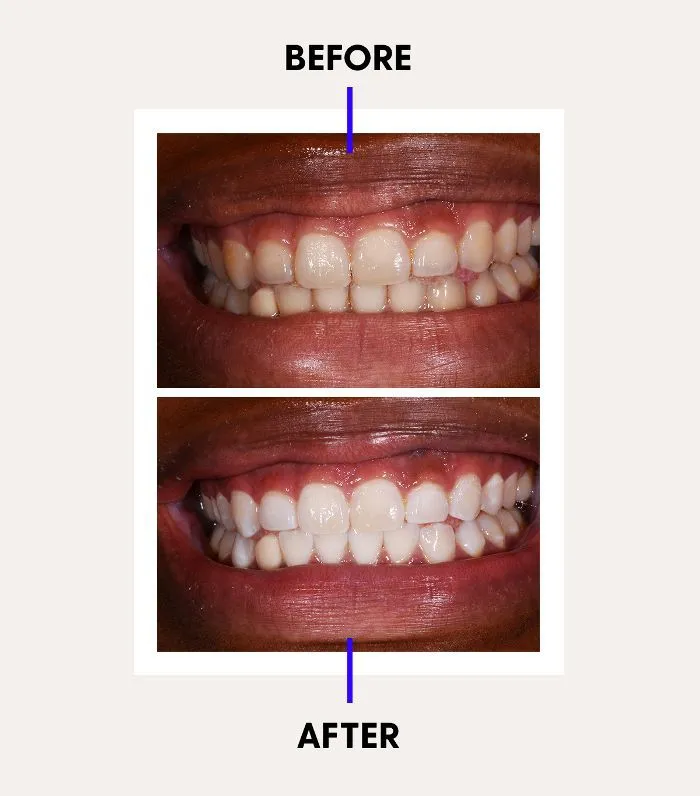
Laser Teeth Whitening Results Pictures: Before & After
Visual evidence is a powerful way to understand the impact of laser teeth whitening. Before and after pictures provide compelling proof of the transformation that can be achieved. These images typically showcase the patient’s teeth before the procedure, highlighting the existing discoloration or staining. The after pictures then reveal the dramatic lightening that has occurred, often showing a smile that is several shades brighter. These results pictures often include multiple views of the teeth, from different angles, to provide a comprehensive understanding of the changes. Observing these images helps potential patients to visualize the potential outcomes and to set realistic expectations. The photographs also serve as a testament to the effectiveness of the procedure and the skill of the dental professional. They can be found on dental practices’ websites, in marketing materials, and in before-and-after photo galleries, enabling potential patients to gain insights into the aesthetic improvements that can be achieved. These visuals are a crucial part of the decision-making process, as they effectively demonstrate the results of laser teeth whitening.
Factors Affecting Results
Several factors can influence the results of laser teeth whitening. The type and severity of stains play a significant role. Extrinsic stains, those on the surface of the teeth caused by coffee, tea, or tobacco, generally respond well to whitening treatments. Intrinsic stains, which are deeper within the tooth structure, such as those caused by aging, medications, or trauma, may be more resistant and may require more sessions or different approaches. The natural color of the teeth also matters; individuals with naturally yellowish teeth often experience better results than those with grayish or bluish teeth. The health and condition of the teeth are also important; if the teeth have existing fillings, crowns, or veneers, these will not whiten, so this should be considered. The patient’s oral hygiene habits, including how well they brush, floss, and their dietary choices, can also affect the longevity of the whitening results. Smoking significantly diminishes the results. Compliance with post-treatment care instructions is also crucial to maintaining the whitening effect over time.
Maintaining Results

Maintaining the results of laser teeth whitening requires a proactive approach and consistent care. One of the most important steps is to avoid or minimize consumption of staining foods and beverages. Coffee, tea, red wine, dark-colored sodas, and highly pigmented foods like berries and curries can gradually re-stain the teeth. Regular brushing and flossing are essential to remove surface stains and maintain overall oral hygiene. Using a whitening toothpaste can also help to remove surface stains and maintain the brightness of the teeth. Routine dental check-ups and cleanings are important to monitor the results and address any new staining. The dentist may recommend touch-up treatments using at-home whitening kits or professional in-office procedures to maintain the desired shade over time. Avoiding tobacco products is essential, as smoking and chewing tobacco significantly stain the teeth. Proper oral care, a mindful diet, and regular dental visits are the key to prolonging and preserving the beautiful results of laser teeth whitening.
Post-Treatment Care
Following the post-treatment care instructions is critical to maximize the longevity of the laser teeth whitening results and minimize any potential side effects. Patients are typically advised to avoid certain foods and drinks for a period of time, usually 24 to 48 hours after the procedure. These include items known to stain teeth, such as coffee, tea, red wine, and deeply colored foods. It is recommended to stick to a white or clear diet during this period, including foods like white rice, chicken, and clear beverages like water. It’s also important to avoid smoking and chewing tobacco. Patients may experience some tooth sensitivity after the treatment. The dentist may recommend using a toothpaste designed for sensitive teeth or applying fluoride treatments to help alleviate this. Regular brushing and flossing are essential, but patients should be gentle to avoid irritating the gums or teeth. It is vital to attend any follow-up appointments to check the results and address any concerns. Adhering to these guidelines will help preserve the results and ensure a comfortable experience after the procedure.
Potential Risks and Side Effects
While laser teeth whitening is generally safe, there are potential risks and side effects to be aware of. The most common side effect is tooth sensitivity, which can range from mild to moderate. This sensitivity usually subsides within a few days after the procedure. Gum irritation or inflammation can also occur, especially if the bleaching agent comes into contact with the gums. This is typically temporary and resolves quickly. In rare cases, patients may experience discomfort in their jaw muscles or a sore throat. The effectiveness of the treatment can vary, and not all patients achieve the same level of whitening. Some individuals may experience uneven results, particularly if they have fillings, crowns, or other dental restorations that do not whiten. There is also a small risk of tooth damage or enamel erosion, although this is rare when the procedure is performed by a trained professional. It is crucial to discuss all potential risks and side effects with your dentist before undergoing the procedure to make an informed decision and take any necessary precautions.