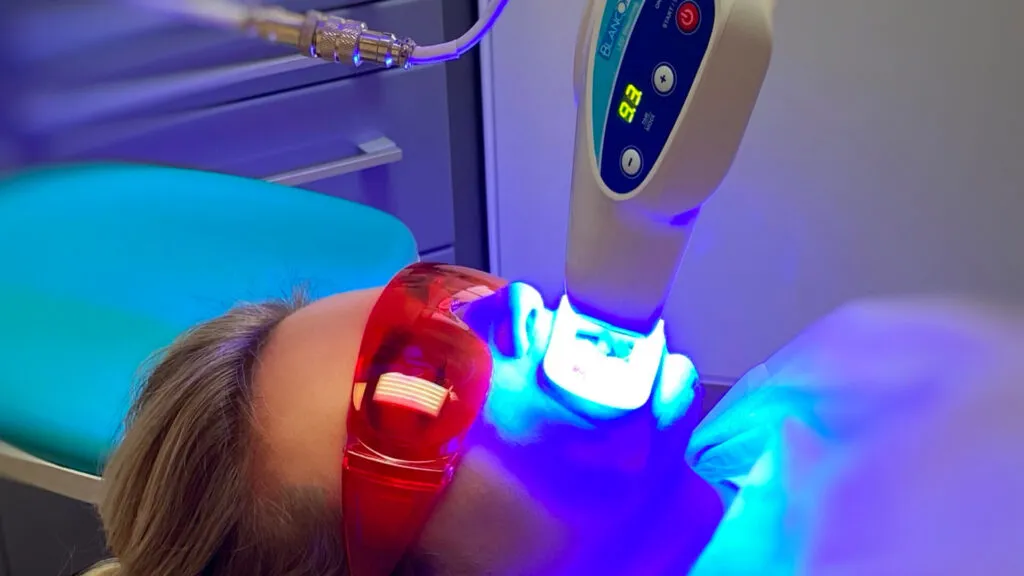
What is LED Teeth Whitening
LED teeth whitening has surged in popularity as a cosmetic dental procedure, offering a quick and effective way to brighten smiles. This process typically involves applying a bleaching agent, often hydrogen peroxide, to the teeth. Then, a blue LED light is shone onto the teeth to accelerate the whitening process. The light helps to activate the bleaching agent, breaking down stains and discoloration on the enamel. The procedure is often marketed as a safe and convenient way to achieve a dazzling smile in a relatively short amount of time, making it a sought-after treatment for those looking to enhance their appearance. However, understanding the science and potential risks is crucial before undergoing this cosmetic procedure.
The Science Behind LED Teeth Whitening
The effectiveness of LED teeth whitening relies on the interaction between the bleaching agent and the LED light. The bleaching agents, such as hydrogen peroxide, are designed to penetrate the enamel and dentin layers of the teeth, where stains accumulate. The LED light emits specific wavelengths of blue light. This light energy is absorbed by the hydrogen peroxide, which then speeds up the chemical reaction that breaks down the stain molecules. This process essentially oxidizes the stains, making them less visible and resulting in a brighter appearance of the teeth. The intensity and duration of the light exposure are carefully controlled to optimize the whitening effect while minimizing potential risks to the tooth structure and surrounding tissues.
How LED Works in Teeth Whitening

During an LED teeth whitening session, a dental professional first assesses the patient’s oral health and determines the appropriate concentration of the bleaching agent. The gums and soft tissues are protected with a barrier to prevent irritation from the bleaching agent. The bleaching agent is then applied to the teeth, and the LED light is directed at the teeth for a specified period, typically around 15-30 minutes. The process may be repeated multiple times during a single session to achieve the desired level of whitening. The light itself doesn’t directly whiten the teeth but acts as a catalyst to speed up the whitening process. After the treatment, the teeth are rinsed, and the patient may be advised to avoid certain foods and drinks that can stain the teeth for a period to maintain the results.
Understanding Cancer & Its Causes
Cancer is a broad term for a group of diseases characterized by the uncontrolled growth and spread of abnormal cells. It can arise in virtually any part of the body, and its development is a complex process involving genetic mutations and environmental factors. The causes of cancer are multifaceted, with risk factors ranging from genetic predispositions to lifestyle choices and exposure to carcinogens. Common risk factors include tobacco use, excessive alcohol consumption, exposure to ultraviolet radiation, certain viral infections, and a diet lacking in essential nutrients. Understanding these risk factors is crucial for prevention and early detection. The impact of cancer is substantial, affecting millions of people worldwide and requiring extensive research and medical interventions.
Types of Cancer & Their Risk Factors
Different types of cancer affect different parts of the body, each with its own set of risk factors and characteristics. Lung cancer, often linked to smoking, is a leading cause of cancer deaths. Skin cancer, frequently associated with sun exposure, is another common form. Breast cancer, prostate cancer, and colon cancer are among the most prevalent cancers affecting both men and women. Genetic factors, such as inherited mutations, can increase the risk of certain cancers. Lifestyle choices, including diet, exercise, and exposure to environmental toxins, also play significant roles. Identifying and understanding these risk factors is essential for developing targeted prevention strategies and improving early detection methods.
Risk Factors Specifically

Several known risk factors are associated with an increased chance of developing cancer. These include smoking, which is linked to numerous cancers, including lung, throat, and bladder cancer. Excessive alcohol consumption is another risk factor, particularly for cancers of the liver, breast, and digestive tract. Prolonged exposure to ultraviolet (UV) radiation from the sun or tanning beds increases the risk of skin cancer. Certain viral infections, such as human papillomavirus (HPV), are linked to cervical and other cancers. A diet high in processed foods and low in fruits and vegetables can also contribute to increased cancer risk. Furthermore, a family history of cancer can indicate a genetic predisposition, increasing the likelihood of developing the disease.
Does LED Teeth Whitening Cause Cancer Top 5 Facts
Fact 1 LED and Cancer Risk
The primary concern regarding LED teeth whitening and cancer revolves around the type of light emitted and the potential for cellular damage. The blue light used in the procedure is a non-ionizing radiation, meaning it doesn’t have enough energy to directly damage DNA and cause mutations that lead to cancer. However, the procedure’s safety also depends on the intensity and duration of the exposure. Current research indicates that the low-intensity light used in teeth whitening is unlikely to cause cancer. The key is the specific wavelengths of light used, which are generally considered safe for the short duration of the treatment. It is crucial to remember that studies are ongoing, and long-term effects need further investigation.
Fact 2 The Procedure

The LED teeth whitening procedure itself involves the application of a bleaching agent and exposure to LED light. The primary risk factor here isn’t the light itself but the chemical composition of the bleaching agent, typically hydrogen peroxide. While hydrogen peroxide is generally considered safe for teeth whitening when used under professional supervision, high concentrations or prolonged exposure can potentially cause minor irritation to the gums and teeth. During the procedure, protective measures are taken to minimize exposure to the gums, and the intensity of the light is controlled. Therefore, the procedure’s direct cancer risk is considered low when performed correctly by qualified professionals.
Fact 3 Chemicals Involved
The main chemical involved in LED teeth whitening is hydrogen peroxide, which acts as the bleaching agent. This chemical breaks down the stains on the teeth through oxidation. While hydrogen peroxide is considered safe for dental use when used in controlled concentrations, there are considerations. High concentrations of hydrogen peroxide can cause tooth sensitivity and gum irritation. These side effects are usually temporary and resolve soon after the procedure. In some cases, other chemicals like carbamide peroxide may be used. The overall cancer risk from these chemicals is generally considered low, especially when used in accordance with dental guidelines. The key is using approved products and following professional advice.
Fact 4 Studies and Research
Numerous studies have investigated the safety of LED teeth whitening procedures. These studies have generally found that the risk of cancer from the procedure is minimal. Researchers often focus on the effects of the blue LED light and the potential for it to damage cells. However, the intensity and duration of the light exposure during teeth whitening are typically much lower than what is required to cause significant cellular damage. Furthermore, the use of protective measures, such as gum shields, minimizes exposure to sensitive tissues. Continued research is essential to monitor the long-term effects of this procedure and ensure it remains a safe option for teeth whitening. Current findings provide reassurance that the procedure is safe when properly administered.
Fact 5 Expert Opinions

Dental professionals and experts in cosmetic dentistry generally agree that the risk of cancer associated with LED teeth whitening is low. Their assessments are based on the existing scientific evidence and the understanding of the mechanisms of the procedure. Experts emphasize the importance of using FDA-approved products and undergoing the procedure under the supervision of a qualified dentist or dental professional. They also stress the need for patients to be aware of the potential side effects and to follow post-procedure instructions carefully. Consulting with a dental professional is crucial before any teeth whitening treatment to discuss individual risks and ensure the best possible outcome and safety.
Alternatives to LED Teeth Whitening
While LED teeth whitening is popular, several alternatives can also improve the brightness of your smile. These options cater to different preferences and needs, offering varying levels of convenience, cost, and effectiveness. The best choice depends on your specific goals and dental health situation. Considering these alternatives can help you make an informed decision about achieving a brighter smile. It is essential to weigh the pros and cons of each option in consultation with your dentist to ensure the chosen method aligns with your overall oral health and aesthetic goals.
Professional Teeth Whitening Options
Besides LED teeth whitening, professional teeth whitening options include in-office treatments that use stronger bleaching agents and can achieve more dramatic results in a single session. These treatments are performed by dentists, who ensure safety and provide personalized care. Another option is custom-fitted whitening trays, which are created by a dentist to fit your teeth precisely. These trays are used with a professional-strength whitening gel at home, providing a balance between convenience and effectiveness. The advantage of professional options is the supervision of a dental professional, who can monitor your progress and address any concerns. They are often more effective and can deliver faster, more noticeable results than over-the-counter products. Consulting a dentist is necessary to determine the most suitable professional whitening option for your oral health and aesthetic goals.
Home Whitening Kits

For those who prefer a more convenient and cost-effective approach, home whitening kits offer a variety of options. These kits typically include whitening strips, gels, or toothpaste that can be used at home. Whitening strips are easy to use and apply directly to the teeth, while gels are often used with custom or generic trays. Whitening toothpaste contains mild abrasives or chemical agents to remove surface stains. While these home kits are generally safe, they may not be as effective as professional treatments and may take longer to produce visible results. It’s crucial to follow the instructions carefully and to consult your dentist before starting any home whitening regimen to ensure its safety and suitability for your oral health.
Conclusion
In conclusion, the risk of LED teeth whitening causing cancer is considered low based on current research and expert opinions. The procedure’s safety depends on the controlled use of LED light and the bleaching agents, typically hydrogen peroxide, under professional supervision. While potential side effects like tooth sensitivity and gum irritation can occur, the risk of developing cancer from the procedure is minimal. However, as with any dental procedure, it’s essential to consult with a qualified dental professional to assess your individual risk factors and ensure the best approach for achieving a brighter smile. Consider alternative teeth whitening options and always prioritize your oral health and well-being. Regular dental check-ups and maintaining good oral hygiene are essential for long-term dental health.