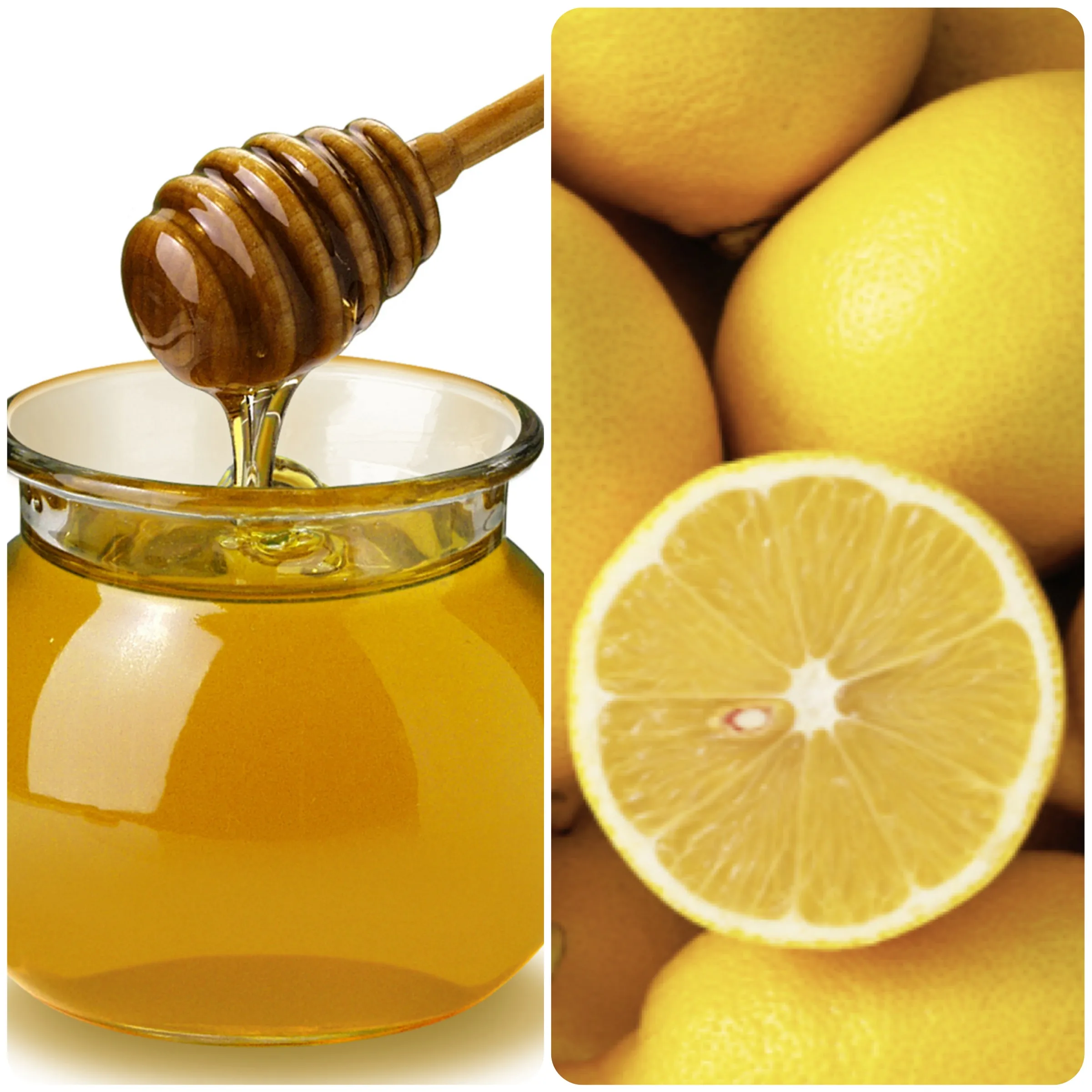
Understanding Lemon Whitening Face Masks
Lemon whitening face masks have gained popularity as a natural way to brighten skin and address issues like dark spots and uneven skin tone. These masks typically involve the use of lemon juice, known for its natural bleaching properties, combined with other ingredients to enhance the benefits and minimize potential side effects. The premise behind these masks is to harness the power of lemon’s citric acid and other beneficial compounds to promote a clearer, more radiant complexion. They are a DIY alternative to expensive skin treatments and often involve readily available ingredients, making them accessible for home use. While these masks can be effective, it’s crucial to understand the science behind lemon’s effect on the skin and how to use them safely.
The Science Behind Lemon for Skin Whitening
The effectiveness of lemon in skin whitening is primarily due to its high content of citric acid, an alpha-hydroxy acid (AHA). AHAs are known for their exfoliating properties, helping to remove dead skin cells that can contribute to a dull complexion. This exfoliation reveals fresher skin underneath, giving the appearance of brighter skin. Furthermore, citric acid can inhibit the production of melanin, the pigment responsible for skin color, thereby reducing the appearance of dark spots and hyperpigmentation. Beyond citric acid, lemon contains Vitamin C, an antioxidant that protects the skin from damage caused by free radicals and can further contribute to skin brightening. However, the concentration of these compounds, as well as the skin type of the user, will affect the results.
Lemon’s Natural Properties

Lemon is a powerhouse of natural compounds that contribute to its skin-brightening capabilities. Beyond citric acid and Vitamin C, lemon contains various other beneficial components such as flavonoids and antioxidants. Flavonoids provide additional antioxidant protection, helping to combat environmental damage and slow down signs of aging. The antioxidants in lemon help neutralize free radicals, which can cause oxidative stress and accelerate the aging process. The combination of these compounds not only lightens the skin but also promotes overall skin health and radiance. This holistic approach makes lemon a valuable ingredient in skincare, especially for those aiming for a more youthful and vibrant complexion.
How Lemon Affects Skin Pigmentation
Lemon’s impact on skin pigmentation primarily stems from its ability to inhibit melanin production. Melanin is produced by melanocytes, the cells responsible for giving skin its color. The citric acid in lemon helps to suppress tyrosinase, an enzyme crucial for melanin synthesis. By inhibiting this enzyme, lemon can reduce the amount of melanin produced, leading to a lightening effect on the skin. This process helps to fade dark spots, sunspots, and other forms of hyperpigmentation. However, it’s important to note that the effect is gradual and consistent use is required to achieve visible results. Furthermore, it is essential to protect the skin from the sun, as sun exposure can counteract the lightening effects and worsen hyperpigmentation.
Essential Ingredients for a Lemon Whitening Face Mask
Creating an effective lemon whitening face mask involves carefully selecting ingredients that complement lemon’s properties. The choice of other ingredients can enhance the mask’s benefits, improve its application, and reduce potential skin irritation. A well-formulated mask balances the intensity of the lemon with soothing and moisturizing components. This is to ensure both effectiveness and safety. Remember to use fresh ingredients whenever possible to maximize the benefits.
Lemon Juice

The primary active ingredient, lemon juice, should be freshly squeezed for optimal results. Fresh lemon juice contains the highest concentration of beneficial compounds. Avoid using bottled lemon juice, as it may contain preservatives and have a lower potency. When using lemon juice, start with a small amount, as it can be strong, especially for sensitive skin. A few drops are often sufficient when combined with other ingredients. It’s essential to perform a patch test before applying the mask to the entire face. This will help to determine if the lemon juice is suitable for your skin and to avoid any adverse reactions.
Other Natural Whitening Agents
To boost the mask’s whitening capabilities, consider incorporating other natural agents. Honey, known for its moisturizing and antibacterial properties, is a good choice. Turmeric, a spice with anti-inflammatory and antioxidant benefits, can also be included. Yogurt, which contains lactic acid, another AHA, can gently exfoliate the skin and improve tone. These ingredients work synergistically with lemon to enhance the skin-brightening effects. When selecting these additional ingredients, always check for any allergies or sensitivities, and consider your skin type to ensure the best results.
Base Ingredients
Base ingredients provide the structure and consistency for the mask while also offering additional benefits. Yogurt, honey, or aloe vera are excellent choices, providing moisture and soothing properties. Yogurt contains probiotics and lactic acid, which gently exfoliates. Honey acts as a natural humectant, drawing moisture to the skin, and offers antibacterial benefits. Aloe vera has anti-inflammatory and healing properties, making it ideal for sensitive skin. These ingredients also dilute the lemon juice, reducing the risk of irritation. The choice of base ingredients can significantly impact the mask’s overall effect and suitability for different skin types.
Step-by-Step Guide to Making a Lemon Whitening Face Mask

Following a well-defined process ensures that the lemon whitening face mask is both effective and safe. From preparing the skin to applying and rinsing the mask, each step plays a vital role in achieving the desired results while minimizing potential risks. Careful attention to detail, proper ingredient mixing, and correct application techniques can significantly enhance the efficacy of the mask and protect the skin. Make sure you follow all instructions carefully and take necessary precautions.
Preparing Your Skin
Before applying any face mask, preparing your skin is crucial for optimal results. Start by cleansing your face with a gentle cleanser to remove any makeup, dirt, or impurities. This ensures that the mask can penetrate the skin effectively. Exfoliation, either with a gentle scrub or a washcloth, can also be beneficial to remove dead skin cells. Be careful not to over-exfoliate, as this can lead to irritation. Pat your skin dry with a soft towel before applying the mask. This preparation step will maximize the mask’s ability to work and make the whole process more comfortable.
Mixing the Ingredients
Combine your selected ingredients in a clean bowl. Start with the base ingredients, such as yogurt or honey, and then add a few drops of fresh lemon juice. If using other agents like turmeric, add a pinch. Mix the ingredients thoroughly until you achieve a smooth, consistent paste. Ensure that the ingredients are well-blended to create a uniform mask. The consistency should be easy to apply without dripping. Avoid making the mixture too watery or thick, as this could affect its application and efficacy. It may be useful to perform a small test on your wrist to see if the consistency is correct before applying to your face.
Applying the Mask

Apply the mask evenly to your face, avoiding the sensitive eye area. Use your fingertips or a clean brush to spread the mask in a thin, even layer. Relax and leave the mask on for 10-15 minutes. You may experience a slight tingling sensation, which is normal, but if you feel significant burning or discomfort, rinse the mask immediately. During this time, avoid any facial expressions to prevent the mask from cracking. If you are new to using these types of face masks, it’s always a good idea to start with a shorter application time.
Rinsing and Moisturizing
After the application time, rinse your face thoroughly with lukewarm water. Make sure that all traces of the mask are removed. Gently pat your skin dry with a soft towel. Immediately apply a moisturizer to hydrate and soothe your skin. Choose a moisturizer that suits your skin type, preferably one containing hyaluronic acid or other hydrating ingredients. Avoid using harsh soaps or exfoliants immediately after using the mask. This helps to replenish moisture and protect your skin from any potential dryness or irritation. Following this process regularly will help maintain your skin’s health.
Best Practices for Using a Lemon Whitening Face Mask
To achieve the best results and minimize potential risks, it’s important to follow best practices when using a lemon whitening face mask. These include regulating the frequency of use and taking sun protection measures. A cautious approach and an understanding of your skin’s needs can significantly improve the safety and effectiveness of these masks. It is recommended to use all of these practices together in your daily skincare routine.
Frequency of Use

The frequency of using a lemon whitening face mask should be determined by your skin type and tolerance. Start by using the mask once a week to assess your skin’s reaction. If your skin tolerates it well without any irritation, you may gradually increase the frequency to twice a week. However, do not exceed this limit. Overuse can lead to dryness, irritation, and increased sensitivity to the sun. Always pay attention to your skin’s signals and adjust the frequency accordingly. It’s better to err on the side of caution, especially if you have sensitive skin, and maintain consistency over time for best results.
Sun Protection
Sun protection is critical when using a lemon whitening face mask. Lemon can make your skin more sensitive to the sun’s rays, increasing the risk of sunburn and further hyperpigmentation. Always apply a broad-spectrum sunscreen with an SPF of 30 or higher every day, even on cloudy days. Reapply sunscreen every two hours, especially if you are spending time outdoors. Wear protective clothing, such as hats and sunglasses, and seek shade during peak sun hours. Protecting your skin from the sun is essential to maximizing the benefits of the mask and preventing further skin damage. Sunscreen is the single most effective measure to maintain your skin’s health.
Possible Side Effects and How to Avoid Them
While lemon whitening face masks can be beneficial, it is important to be aware of potential side effects and how to avoid them. Skin sensitivity, irritation, and allergic reactions are all possible. Understanding these potential issues allows for the proactive use of the masks and helps in minimizing any adverse effects. Always do a patch test and observe your skin closely after application, especially if you have sensitive skin. It is important to take care of your skin and respond to any warning signs. This way, you can fully enjoy the benefits of the mask without risking your skin’s health.
Skin Sensitivity and Irritation

Skin sensitivity and irritation are common side effects when using lemon whitening face masks. This can manifest as redness, itching, burning, or stinging. To minimize these effects, always dilute lemon juice with other ingredients. Perform a patch test before applying the mask to your entire face. If you experience any irritation, rinse off the mask immediately and avoid using it again. If you have sensitive skin, consider using a smaller amount of lemon juice or mixing it with more soothing ingredients like honey or aloe vera. Avoid using the mask if you have open wounds or any pre-existing skin conditions, as this can worsen irritation.
Allergic Reactions
Allergic reactions to lemon or other ingredients used in the mask are possible, although rare. Symptoms of an allergic reaction may include rash, hives, swelling, or difficulty breathing. If you experience any of these symptoms, stop using the mask immediately and seek medical attention. Always introduce new ingredients one at a time to identify potential allergens. If you have known allergies, carefully review the ingredient list and perform a patch test before full application. If you have any concerns or a history of allergic reactions, it’s best to consult with a dermatologist before using lemon whitening face masks.
The Benefits of Using a Lemon Whitening Face Mask
Lemon whitening face masks offer several benefits for those seeking brighter, more radiant skin. Beyond the immediate effects, these masks can also help to improve overall skin health over time. Incorporating these masks into your skincare routine, along with other healthy practices, can lead to a noticeable improvement in your complexion. These benefits, combined with regular use, will give you the best results.
Exfoliation and Dead Skin Removal
One of the primary benefits of lemon whitening face masks is their exfoliating action. The citric acid in lemon helps to remove dead skin cells from the surface, revealing the fresh skin underneath. This exfoliation process can help to improve skin texture, leaving it smoother and more radiant. It also allows other skincare products to penetrate more effectively. Regular exfoliation can prevent clogged pores and the formation of blemishes. This in turn helps to promote a healthier, more vibrant complexion. Exfoliation, coupled with other skin care practices, helps your skin look and feel its best.
Reduction of Dark Spots and Blemishes
Lemon’s skin-lightening properties can help to reduce the appearance of dark spots, sunspots, and other blemishes. By inhibiting melanin production, lemon can gradually fade hyperpigmentation, leading to a more even skin tone. The antioxidants in lemon can also help to repair skin damage caused by free radicals. Consistent use of lemon whitening face masks, combined with sun protection, can significantly improve the appearance of dark spots. Over time, your complexion will appear clearer, brighter, and more youthful, making this a valuable tool for anyone looking to reduce skin imperfections.
Improved Skin Tone and Texture
In addition to skin whitening, lemon whitening face masks can improve your overall skin tone and texture. Regular use can lead to a smoother, more refined complexion with reduced visibility of fine lines and wrinkles. Lemon’s exfoliating action helps to unclog pores, leading to fewer breakouts and improved skin clarity. The antioxidants present in lemon help to protect against environmental damage. Improved skin tone and texture is an indicator of healthy and well-cared-for skin. With patience and consistent use, lemon whitening face masks can contribute to a radiant, youthful appearance.