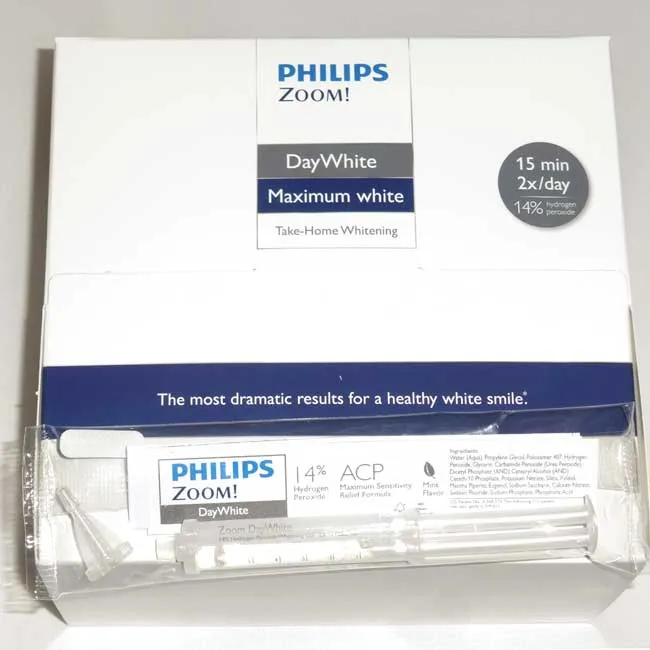
What is Philips Zoom Take-Home Whitening?
Philips Zoom Take-Home Whitening is a professional teeth whitening system offered by dentists to help patients achieve a brighter, more confident smile from the comfort of their own homes. It’s a popular choice for those seeking a convenient and effective way to lighten their teeth. Unlike over-the-counter whitening products, Philips Zoom provides a higher concentration of whitening agents, typically under the supervision of a dental professional, leading to more noticeable and longer-lasting results. This method allows for a tailored approach to whitening, ensuring the best possible outcome while minimizing potential risks.
Understanding the Philips Zoom Take-Home Kit
The Philips Zoom Take-Home Kit is designed to provide a professional-grade whitening experience in a user-friendly format. It typically includes custom-fitted whitening trays, a whitening gel with a prescribed concentration, and detailed instructions on how to use the product safely and effectively. The kit is dispensed by a dentist, ensuring that patients receive personalized guidance and support throughout the whitening process. This professional oversight is crucial for ensuring that the treatment is appropriate for each individual’s dental health and for addressing any potential side effects, such as tooth sensitivity.
Components of the Philips Zoom Whitening Kit
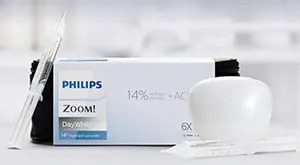
The Philips Zoom Take-Home Whitening Kit contains essential components that work together to deliver a brighter smile. It’s vital to understand each component’s function for optimal results. The kit usually includes custom-fitted whitening trays, which are created based on impressions of your teeth. The whitening gel, which contains the active whitening agent, is another crucial component. Syringes with the whitening gel provide measured doses. Instructions and, in some cases, a shade guide, is included. Your dentist may include other materials, such as a desensitizing toothpaste.
The Whitening Gel
The Philips Zoom whitening gel is the active agent that lightens the teeth. It contains a concentration of hydrogen peroxide or carbamide peroxide, which penetrates the enamel and dentin to break down stain molecules. The concentration of the whitening agent varies depending on the product and the dentist’s recommendation. It’s important to follow the dentist’s instructions carefully, as the strength of the gel and the duration of use determine the effectiveness and the potential for sensitivity. Ensure you store the gel as directed, typically in a cool, dry place, and away from direct sunlight.
Custom Whitening Trays
Custom whitening trays are a key component of the Philips Zoom Take-Home Kit. These trays are specifically designed to fit your teeth perfectly. Your dentist will take impressions of your teeth and create custom trays. The trays hold the whitening gel in close contact with your teeth. This ensures that the gel reaches all surfaces evenly and minimizes the risk of the gel leaking onto your gums, which can cause irritation. Proper fitting trays are crucial for effective and safe whitening. Remember to clean your trays after each use to prevent bacterial growth and maintain their integrity.
Instructions Step-by-Step Guide

Following the instructions carefully is essential for safe and effective whitening. Always consult the specific guidelines provided by your dentist, as they may vary depending on the kit. Here is a general guide, but it’s essential to tailor the procedure to your dentist’s advice. Before starting the process, you should brush your teeth and floss. This removes any surface debris that could prevent the whitening gel from reaching the teeth’s surface.
Preparing Your Teeth
Before applying the whitening gel, thoroughly brush and floss your teeth to remove plaque and food particles. This ensures the whitening gel can effectively contact the tooth surfaces. Avoid using an abrasive toothpaste before whitening, as it can potentially irritate your gums. Rinse your mouth well with water to remove any remaining debris. Ensure your teeth are dry before inserting the trays for better adhesion of the gel and to prevent saliva from diluting it. If your dentist recommends a desensitizing toothpaste, use it as directed before starting the whitening process.
Applying the Whitening Gel
Carefully dispense a small amount of whitening gel into each tooth impression on the custom trays. Follow the dosage instructions provided by your dentist, typically a small bead of gel per tooth. Avoid overfilling the trays to prevent the gel from overflowing and irritating your gums. Insert the tray carefully into your mouth, ensuring the gel covers the entire surface of your teeth. If any gel does overflow, gently wipe it away with a clean tissue or cotton swab. After applying the gel, avoid eating or drinking anything to maximize the treatment’s effectiveness.
Inserting the Trays

Once you have applied the whitening gel to your trays, carefully insert them into your mouth, ensuring a snug fit. Make sure the trays fully cover your teeth. Seat the trays properly to prevent gel spillage, which could irritate your gums. Wear the trays for the duration recommended by your dentist, typically from 30 minutes to a few hours per day. If you experience any discomfort or excessive sensitivity, remove the trays immediately and contact your dentist for advice. Try to avoid talking too much during the whitening time to keep the trays in place.
Whitening Time
The whitening time depends on the strength of the whitening gel and the specific instructions provided by your dentist. Usually, the trays are worn for a specified time each day, such as 30 minutes to a few hours. Always follow the instructions provided by your dentist. Overuse can lead to increased tooth sensitivity or gum irritation, while underuse may not yield the desired results. Track your progress by using a shade guide, or by taking pictures before and after to assess the results. Be patient, as it may take several days or weeks to achieve the desired level of whiteness.
Cleaning Your Trays
After each whitening session, thoroughly clean your trays. Rinse them with cold water to remove any residual gel. Avoid using hot water, which can warp the trays. Gently scrub the trays with a soft toothbrush to remove any remaining gel or debris. You can also use a mild soap or denture cleaner specifically designed for dental appliances. Allow the trays to air dry completely before storing them in their case. Clean trays help prevent bacteria growth and maintain their effectiveness. If you notice any discoloration or damage to your trays, contact your dentist.
After Whitening Care and Tips

Proper care after whitening is crucial for maintaining your results and protecting your teeth. Avoid consuming foods and drinks that can stain your teeth, such as coffee, tea, red wine, and dark-colored berries, for at least a week after each whitening treatment. Smoking can also diminish the whitening effects, so it’s best to avoid smoking during and after the whitening process. Maintain a good oral hygiene routine by brushing twice a day, flossing daily, and using a fluoride toothpaste to strengthen your enamel. Regular dental check-ups and cleanings will also help preserve your brighter smile.
Dealing with Sensitivity
Tooth sensitivity is a common side effect of teeth whitening. If you experience sensitivity, there are several steps you can take to manage it. Use a toothpaste designed for sensitive teeth, containing ingredients like potassium nitrate, which helps to block pain signals to the nerves. Avoid extremely hot or cold foods and drinks, which can exacerbate sensitivity. Take breaks between whitening sessions or reduce the treatment time as recommended by your dentist. You can also consult your dentist, who may recommend a fluoride treatment to strengthen your enamel. If the sensitivity persists or becomes severe, contact your dentist for further advice.
Maintaining Your White Smile
Maintaining your white smile involves a combination of good oral hygiene, lifestyle adjustments, and occasional touch-up treatments. Brush and floss regularly to remove stains and prevent new ones from forming. Avoid or limit the consumption of stain-causing foods and beverages, and consider using a straw for drinks. Consider occasional touch-up whitening treatments, under the guidance of your dentist, to keep your smile looking its best. Regular dental check-ups and cleanings are essential to maintain your overall oral health and the brilliance of your smile. Always consult your dentist before making any changes to your oral care routine.