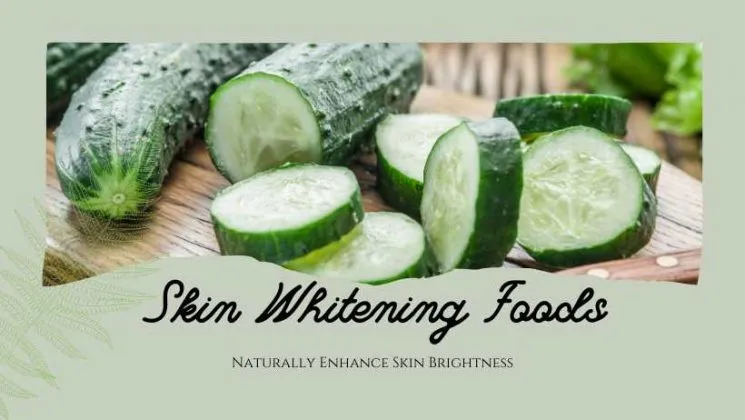
Top 5 Skin Whitening Foods You Need
Achieving brighter, more radiant skin often involves a multifaceted approach, and one of the most effective components is your diet. Certain foods are packed with nutrients that can help lighten the skin, reduce dark spots, and promote an overall healthy complexion. This guide unveils the top 5 skin whitening foods that can make a significant difference in your quest for glowing skin. Incorporating these foods into your daily meals not only enhances your skin’s appearance but also contributes to your overall well-being. Understanding the properties and benefits of each food will empower you to make informed dietary choices that support your beauty goals. Ready to discover the secrets to a brighter you? Let’s dive into the world of skin-whitening foods and unlock the potential for a luminous complexion from within.
Foods Rich in Vitamin C for Skin Whitening
Vitamin C is a powerful antioxidant and a key player in skin health and whitening. It plays a crucial role in the production of collagen, a protein that gives skin its elasticity and firmness. Vitamin C also helps to inhibit melanin production, the pigment responsible for skin color, which is why it’s so effective in lightening dark spots and evening out skin tone. By incorporating vitamin C-rich foods into your diet, you can protect your skin from damage caused by free radicals, boost its natural glow, and achieve a more even complexion. The benefits extend beyond mere whitening; Vitamin C also helps to reduce inflammation, which can further contribute to a healthier, brighter skin appearance. Regular consumption of Vitamin C-rich foods will make your skin look more radiant and youthful.
The Power of Citrus Fruits

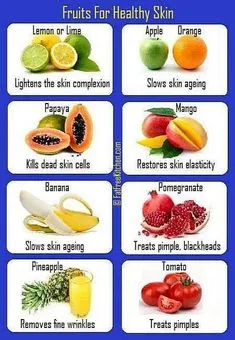
Citrus fruits, such as oranges, grapefruits, lemons, and limes, are renowned for their high vitamin C content. These fruits are not only delicious but also incredibly beneficial for your skin. Regular consumption of citrus fruits can help to brighten your complexion, reduce dark spots, and protect your skin from sun damage. Vitamin C in citrus fruits acts as a natural skin brightener by inhibiting melanin production, leading to a more even skin tone. Additionally, these fruits provide essential antioxidants that fight free radicals, which can cause premature aging and skin damage. The refreshing zest of citrus fruits makes them a delightful addition to your daily diet, ensuring you receive a potent dose of skin-loving nutrients with every bite. Eating citrus fruits is a tasty way to boost your skin’s radiance and health.
Berries and Their Skin Benefits
Berries, including strawberries, blueberries, raspberries, and blackberries, are packed with antioxidants and other nutrients that promote skin health and radiance. These colorful fruits are rich in Vitamin C and other antioxidants, which combat free radicals and protect your skin from damage. The antioxidants in berries help to reduce inflammation, improve skin elasticity, and promote a more youthful appearance. Regular consumption of berries can help lighten your skin tone, reduce dark spots, and provide a natural glow. Additionally, berries are a great source of fiber, which aids in the detoxification process, further contributing to healthy, clear skin. Adding a handful of berries to your breakfast or as a snack is a simple and delicious way to support your skin-whitening efforts.
Foods with Antioxidants for Skin Brightening
Antioxidants play a vital role in protecting your skin from damage and promoting a brighter complexion. These compounds neutralize free radicals, which can cause premature aging, dark spots, and uneven skin tone. Foods rich in antioxidants help to repair and protect your skin from environmental stressors, leading to a healthier, more radiant appearance. Regularly consuming antioxidant-rich foods can significantly improve your skin’s overall health and appearance. Including a variety of colorful fruits and vegetables in your diet ensures you receive a wide range of antioxidants, helping your skin to look its best. From fighting off skin damage to enhancing your natural glow, antioxidants are essential for achieving and maintaining a bright, youthful complexion.
Tomatoes for a Glowing Complexion

Tomatoes are a powerhouse of nutrients that benefit your skin in numerous ways. They are rich in lycopene, a powerful antioxidant that helps protect against sun damage and reduces the risk of skin cancer. Lycopene also contributes to skin brightening by reducing inflammation and promoting an even skin tone. Tomatoes contain vitamins C and A, which support collagen production and skin repair, contributing to a firmer, more youthful complexion. Consuming tomatoes regularly can help you achieve a healthy, glowing complexion and protect your skin from environmental damage. Whether eaten raw in salads or cooked in sauces, tomatoes are a versatile and delicious addition to your diet, supporting your skin-whitening goals.
The Role of Hydration in Skin Whitening
Hydration is absolutely crucial for maintaining healthy, glowing skin. Adequate water intake helps to flush out toxins, improve skin elasticity, and promote an overall radiant complexion. When your skin is well-hydrated, it appears plumper, smoother, and more luminous. Dehydration can lead to dry, dull skin, making fine lines and wrinkles more noticeable. Drinking enough water helps to keep your skin cells hydrated, allowing them to function optimally and support the skin’s natural repair processes. Besides drinking water, you can also hydrate your skin by eating hydrating foods like cucumbers and watermelons. Staying adequately hydrated is a fundamental step in any skin-whitening routine, ensuring your skin looks its best from the inside out. Hydration is not just about drinking water; it’s about making it a consistent part of your daily life.
Why Water is Essential for Skin Health
Water is essential for every bodily function, and its role in maintaining healthy skin is undeniable. It helps to transport nutrients to skin cells, remove waste products, and maintain the skin’s elasticity. Drinking enough water keeps your skin hydrated, preventing dryness and promoting a more youthful appearance. Well-hydrated skin cells function more efficiently, allowing the skin to repair itself and maintain a healthy glow. Water also aids in the detoxification process, helping to remove toxins that can cause skin problems. Without adequate water intake, your skin can become dry, dull, and more prone to wrinkles and other signs of aging. Making water your go-to beverage ensures your skin stays hydrated and radiant. Ensure you meet your daily water needs to keep your skin looking fresh and healthy.
Hydrating Foods that Boost Radiance

In addition to drinking water, incorporating hydrating foods into your diet can greatly enhance your skin’s radiance. These foods have high water content and provide essential nutrients that support skin health. Cucumbers are approximately 96% water and are rich in antioxidants, making them an excellent choice. Watermelon is another hydrating fruit, packed with vitamins and antioxidants that promote a healthy glow. Celery, lettuce, and spinach also contribute to hydration while providing beneficial nutrients. Eating a variety of hydrating foods helps you meet your daily water needs and provides your skin with the vitamins and minerals it requires to stay healthy and radiant. Including these foods in your daily diet is a delicious and effective way to boost your skin’s hydration and overall appearance.
Foods to Avoid for Healthy Skin
Just as certain foods can enhance your skin, others can have a detrimental effect. Avoiding these foods is crucial for achieving and maintaining a brighter, healthier complexion. Processed foods, dairy, and excessive sugar intake can contribute to inflammation, breakouts, and a dull skin tone. Limiting these foods in your diet can significantly improve your skin’s appearance. Focusing on a balanced diet rich in skin-loving nutrients is key to achieving a radiant, healthy complexion.
Processed Foods and Their Impact
Processed foods often contain high levels of sugar, salt, and unhealthy fats, which can negatively impact your skin. These foods can trigger inflammation, leading to breakouts, dullness, and other skin problems. Processed foods are often low in essential nutrients, meaning they do not provide the necessary vitamins and minerals for healthy skin function. Regularly consuming processed foods can hinder your skin-whitening efforts, making it harder to achieve a clear, glowing complexion. Minimizing your intake of processed foods and focusing on whole, unprocessed options is a crucial step towards improving your skin health. Reading labels and being mindful of what you eat are key to avoiding these detrimental foods.
Dairy and Skin Complexion

Dairy products can sometimes contribute to skin problems, particularly in individuals sensitive to lactose or dairy proteins. Dairy can trigger inflammation and hormonal imbalances, which can lead to acne, breakouts, and other skin issues. For some, dairy consumption can exacerbate skin conditions, making the complexion appear less clear and radiant. Consider monitoring your dairy intake and observing how it affects your skin. If you notice a correlation between dairy consumption and skin problems, reducing or eliminating dairy from your diet might be beneficial. Alternatives like plant-based milk (almond, soy, or oat milk) can be a great alternative, providing many of the same benefits without the potential negative effects on your skin. Pay attention to your body’s signals and adjust your diet accordingly to support a healthy complexion.
Incorporating Skin Whitening Foods into Your Diet
Transforming your diet to include skin-whitening foods is a simple yet effective way to enhance your complexion. Start by gradually incorporating these foods into your daily meals and snacks. Experiment with different recipes and combinations to discover your favorites. Consistency is key – aim to consume these beneficial foods regularly to see the best results. Plan your meals around these skin-loving ingredients to ensure you’re getting a consistent intake of the nutrients needed for brighter, healthier skin. With each delicious and nutritious meal, you are actively working towards a more radiant you. It’s about making sustainable changes that support your skin-whitening goals from the inside out.
Creating a Daily Meal Plan
Creating a meal plan that incorporates skin-whitening foods is a practical way to ensure you’re getting all the necessary nutrients. Begin by planning your meals for the week, including recipes that feature vitamin C-rich foods, antioxidant-rich fruits and vegetables, and hydrating options. For breakfast, consider a smoothie with berries and citrus fruits. Lunch could include a salad with tomatoes, cucumbers, and leafy greens. Dinner might feature a dish with colorful vegetables and lean protein. Snacks throughout the day can include fruits, such as oranges or a handful of berries. Remember to stay hydrated by drinking plenty of water throughout the day. Planning your meals in advance can make healthy eating easier, ensuring you regularly consume skin-whitening foods. This planned approach supports your skin goals and promotes a balanced diet.
Tips for Consistent Results
Achieving consistent results with skin-whitening foods requires dedication and a holistic approach. Be patient, as it takes time for these foods to make a noticeable difference in your skin. Combine a healthy diet with other skin-care practices, such as regular cleansing, moisturizing, and sun protection. Consistency is key; make these dietary changes a part of your lifestyle, not just a temporary fix. Monitor your skin’s response to different foods and adjust your diet accordingly. Stay hydrated by drinking plenty of water and avoiding processed foods. Embrace a well-rounded approach, including a balanced diet, proper skincare, and a healthy lifestyle, for optimal skin whitening results. Regular consumption of skin-whitening foods, coupled with other healthy habits, will contribute to a radiant, healthy complexion.