Understanding Skin Whitening and Allopathic Medicine
Skin whitening, also known as skin lightening or bleaching, is a cosmetic procedure that aims to reduce the melanin pigment in the skin, thereby making the skin appear lighter. This process is driven by various social and cultural factors, with a global market reflecting significant demand. Allopathic medicine offers several approaches to skin whitening, employing specific compounds and treatments to achieve the desired results. Understanding the intricacies of skin whitening requires careful consideration of both the underlying motivations and the mechanisms of action of the chosen treatments. This article will delve into how allopathic medicine can be used for skin whitening, including the benefits, risks, and essential considerations.
What is Skin Whitening
Skin whitening is the process of reducing the concentration of melanin, the pigment responsible for skin color. This can be achieved through various methods, including topical creams, oral medications, and professional treatments. The effectiveness of these treatments varies based on individual skin types, the concentration of melanin, and the specific active ingredients used. The process often involves inhibiting tyrosinase, an enzyme crucial in melanin production. This action helps in reducing the appearance of dark spots, uneven skin tone, and overall skin darkness. Successful skin whitening requires consistency, proper sun protection, and, ideally, guidance from a dermatologist or qualified healthcare provider.
Why People Seek Skin Whitening

The motivations behind seeking skin whitening treatments are diverse. Social and cultural pressures significantly influence the desire for lighter skin, with beauty standards often favoring lighter complexions in many societies. Furthermore, individuals may seek skin whitening to address specific skin concerns, such as hyperpigmentation caused by sun damage, acne scars, or hormonal changes. These conditions can result in uneven skin tone, which skin whitening treatments may help to correct. The psychological impact of skin appearance is also a factor, as some individuals report increased self-esteem and confidence after achieving their desired skin tone. Understanding these diverse motivations is vital when considering the use of allopathic medicines for skin whitening.
The Role of Allopathic Medicine
Allopathic medicine provides a range of treatments for skin whitening, typically involving prescription medications and professional procedures. These medicines work by targeting the mechanisms of melanin production or enhancing skin cell turnover. Common allopathic approaches include topical creams, oral medications, and in-office treatments administered by dermatologists. The use of allopathic medicines requires a proper diagnosis and medical supervision to ensure safety and effectiveness. It is crucial to discuss potential risks and benefits with a healthcare professional before starting any treatment. Allopathic medicine offers scientifically proven solutions backed by clinical research, making it a reliable option for many individuals seeking skin whitening.
How Allopathic Medicines Work for Skin Whitening
Allopathic medicines for skin whitening primarily work by interfering with melanin production or by promoting skin cell turnover, which gradually removes pigmented cells. These medicines often contain active ingredients that inhibit tyrosinase, the enzyme responsible for melanin synthesis. Other agents promote the shedding of the outer layer of the skin, facilitating the removal of pigmented cells. Effective skin whitening requires consistent application and adherence to the dermatologist’s instructions. The choice of medicine depends on the skin type, the extent of pigmentation, and the overall health of the individual. Combining these methods with proper skincare practices, such as using sunscreen, is essential for maximizing effectiveness and minimizing adverse effects.
Tyrosinase Inhibitors

Tyrosinase inhibitors are a cornerstone in many allopathic skin whitening treatments. These substances work by blocking the activity of tyrosinase, the enzyme essential for converting tyrosine into melanin. Common examples include hydroquinone, kojic acid, and azelaic acid. Hydroquinone is a potent inhibitor, though its use is often restricted due to potential side effects like ochronosis. Kojic acid and azelaic acid offer milder alternatives with lower risks. These inhibitors are typically available in topical creams and are prescribed by dermatologists. The effectiveness of tyrosinase inhibitors varies based on the concentration of the active ingredient, the duration of use, and the individual’s skin type. The selection of a specific inhibitor should always be guided by professional medical advice.
Glutathione
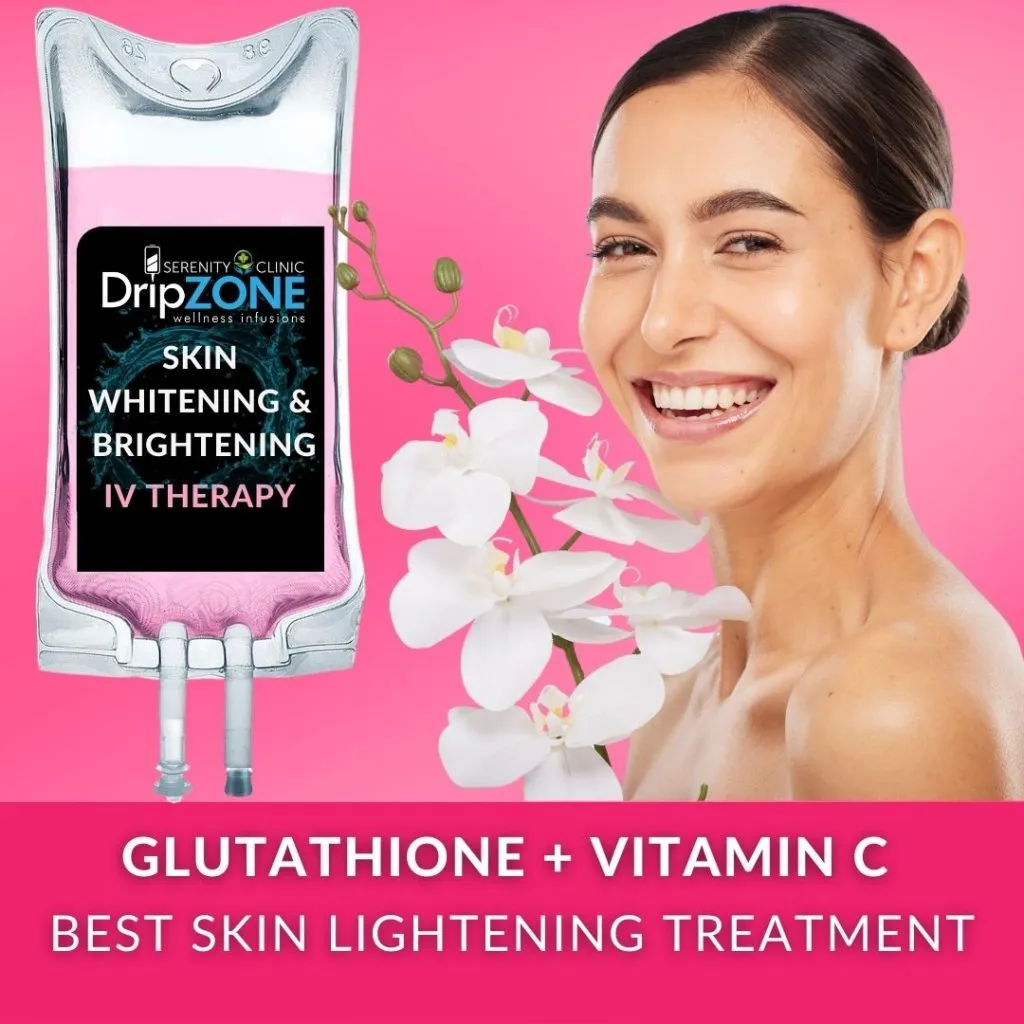
Glutathione, a powerful antioxidant, is sometimes used in allopathic medicine for skin whitening. It works by inhibiting melanin production and clearing free radicals, which can contribute to skin darkening. Glutathione is often administered intravenously, orally, or topically. While intravenous administration may offer quicker results, it must be performed by a qualified medical professional. Oral glutathione supplements are widely available, but their efficacy can be less predictable due to bioavailability issues. Topical applications are also used, sometimes combined with other whitening agents. The use of glutathione for skin whitening should be carefully considered, as its effectiveness and safety are still under investigation. Consultation with a healthcare provider is essential before beginning treatment.
Vitamin C
Vitamin C, a potent antioxidant, is incorporated into allopathic medicine for its skin-lightening properties. It inhibits melanin production and protects the skin from free radical damage caused by environmental stressors. Topical vitamin C serums are popular, offering direct application to the skin. Oral vitamin C supplements are also used, though their effectiveness is often less direct than topical application. Vitamin C helps brighten the skin, reduce hyperpigmentation, and improve overall skin tone. The concentration and formulation of vitamin C products can significantly affect their efficacy. Regular use of vitamin C, combined with sun protection, can contribute to a lighter and more even complexion. Choosing the right vitamin C product and dosage requires guidance from a dermatologist.
Topical Retinoids

Topical retinoids, derived from vitamin A, are frequently used in allopathic medicine for skin whitening. They enhance skin cell turnover, leading to the shedding of pigmented cells and promoting new skin growth. Retinoids such as tretinoin and adapalene are commonly prescribed by dermatologists. These medications can reduce the appearance of dark spots, melasma, and other forms of hyperpigmentation. Retinoids also improve skin texture and reduce fine lines, offering a dual benefit. It is important to note that retinoids can cause skin irritation, dryness, and sensitivity to the sun. Therefore, the use of sunscreen and gradual introduction of the medication are essential. Professional medical supervision is crucial when using retinoids.
Administering Allopathic Medicines for Skin Whitening
Proper administration of allopathic medicines for skin whitening is critical to ensure effectiveness and minimize potential risks. This process typically involves a thorough consultation with a dermatologist, followed by a tailored treatment plan. Adhering to the prescribed dosage and frequency of application is essential. Patients should also be educated on the importance of sun protection, as sun exposure can counteract the effects of skin whitening treatments. Following these guidelines ensures the best possible outcomes. Regular follow-up appointments allow dermatologists to assess the progress and adjust the treatment plan as needed. Proper administration combined with patient compliance is key to successful and safe skin whitening.
Consulting a Dermatologist
The initial step in using allopathic medicines for skin whitening is consulting a dermatologist. A dermatologist can assess the skin type, diagnose the underlying causes of hyperpigmentation, and recommend the most appropriate treatment plan. This includes a thorough evaluation of the patient’s medical history and any existing skin conditions. The dermatologist may perform tests to determine the specific type of pigmentation issue. During the consultation, the dermatologist will discuss the potential benefits and risks of various treatments, ensuring that the patient is well-informed. A dermatologist’s expertise ensures that the selected treatment is safe and effective for the individual’s skin. Regular follow-up appointments are also important to monitor progress and adjust treatment as needed. This ensures the patient receives the best possible care and achieves the desired results.
Dosage and Administration

Following the prescribed dosage and administration instructions is paramount when using allopathic medicines for skin whitening. Dosage instructions are specific to the particular medication prescribed, whether it’s a topical cream, oral medication, or another form of treatment. The application frequency and method must be adhered to strictly. Using more of a medication than prescribed does not necessarily lead to better results and can increase the risk of side effects. Patients should avoid self-adjusting the dosage unless instructed by a healthcare provider. Consistent application is essential to maintain results. Any missed doses should be addressed following the dermatologist’s or pharmacist’s guidelines. If any adverse reactions are noticed, the patient should immediately consult a healthcare professional.
Potential Risks and Side Effects
While allopathic medicines can be effective for skin whitening, they are also associated with potential risks and side effects. These can range from mild to severe and depend on the specific medications used and individual skin sensitivity. Understanding these risks is essential to make an informed decision. Dermatologists should inform patients about all potential side effects. Patients must report any unusual changes in their skin to their dermatologist immediately. Careful monitoring and proactive management can help minimize the risks and ensure the safety of skin whitening treatments. This way, the best possible results with minimal adverse effects are achieved.
Common Side Effects
Common side effects of allopathic medicines for skin whitening include skin irritation, redness, dryness, and peeling. These effects are often mild and temporary, particularly when starting treatment. Some medications, such as retinoids, can cause increased sun sensitivity, requiring strict sun protection measures. Hydroquinone, a potent skin-lightening agent, can cause ochronosis, a condition that leads to permanent darkening of the skin. Other side effects may include allergic reactions, such as itching or rash. It’s vital to consult a dermatologist if any side effects arise. Proper skin care and adherence to the dermatologist’s instructions are essential to minimize these effects and ensure optimal results. The dermatologist will monitor the patient closely and adjust the treatment if necessary.
Long-Term Effects

Long-term effects of using allopathic medicines for skin whitening can vary. Prolonged use of certain medications, especially high-concentration hydroquinone, may lead to permanent skin damage, such as ochronosis. This condition causes irreversible darkening of the skin. Continuous use of corticosteroids, sometimes found in skin-lightening creams, can thin the skin and increase the risk of other skin problems. It is crucial to follow the dermatologist’s instructions regarding the duration of treatment and to have regular check-ups. Furthermore, the long-term efficacy of some treatments may diminish over time, necessitating changes in the treatment plan. Careful monitoring, adherence to medical advice, and regular evaluation by a healthcare professional are essential for managing the long-term effects and maintaining healthy skin.
Alternative and Complementary Approaches
Alongside allopathic medicines, alternative and complementary approaches can enhance skin whitening efforts. These methods can be used in conjunction with allopathic treatments to maximize results and minimize side effects. Many of these approaches focus on natural ingredients, lifestyle adjustments, and skincare practices that promote healthy skin. However, the effectiveness of such treatments can vary, and it’s essential to discuss their use with a dermatologist. The integration of these complementary methods needs to be part of a comprehensive approach. The combination of these different strategies allows for a more holistic and sustainable skin whitening strategy, enhancing both the effectiveness and safety of the treatments.
Lifestyle and Skincare Tips
Adopting specific lifestyle and skincare tips can complement the use of allopathic medicines for skin whitening. A healthy diet rich in antioxidants and vitamins supports skin health and helps in the whitening process. Adequate hydration is also crucial for maintaining skin elasticity and promoting cell turnover. Regular exercise improves blood circulation, delivering nutrients and oxygen to the skin cells. A consistent skincare routine, including gentle cleansing, moisturizing, and exfoliating, is essential. Exfoliation can help remove dead skin cells and improve the penetration of whitening agents. Using non-irritating skincare products helps prevent side effects. Combining these lifestyle practices with allopathic treatments improves the overall effectiveness of the treatment and supports skin health. Following these steps enhances the benefits of skin whitening treatments.
The Importance of Sun Protection

Sun protection is an indispensable aspect of skin whitening treatments. Exposure to sunlight can increase melanin production, potentially counteracting the effects of whitening agents. Sunscreen with a high SPF, broad-spectrum protection is a must. Regular application, particularly before and during sun exposure, helps protect the skin from harmful UV rays. Wearing protective clothing, such as hats and long sleeves, offers additional protection. Avoiding prolonged sun exposure, especially during peak hours, is also recommended. Sun protection is crucial for maintaining the results of skin whitening treatments and preventing further hyperpigmentation. Emphasizing sun safety helps to preserve the skin’s health and appearance over the long term. Integrating these methods into a daily routine is essential for effective skin whitening.
Combining Allopathic Medicine with Other Treatments
Combining allopathic medicine with other treatments may enhance skin whitening results. Chemical peels and microdermabrasion can assist the skin whitening process by promoting cell turnover and enhancing the penetration of topical medications. Laser treatments can be employed to target specific areas of hyperpigmentation. These procedures must be performed by qualified professionals. Some patients may combine allopathic medicines with natural remedies, such as using skin-lightening masks. It’s essential to discuss the combination of treatments with a dermatologist before beginning. This approach can offer more comprehensive skin whitening results. Careful planning ensures that the combination is safe, effective, and tailored to the individual’s needs.
Conclusion
Allopathic medicine provides various effective solutions for skin whitening, including topical creams, oral medications, and professional procedures. Understanding the benefits, risks, and proper administration of these treatments is crucial for achieving the desired results safely. Consulting a dermatologist is essential for diagnosis and personalized treatment plans. Combining allopathic medicines with lifestyle adjustments, skincare tips, and sun protection can significantly enhance results. Although side effects and potential long-term consequences need careful consideration, a well-managed approach to skin whitening can lead to a more even skin tone and improved self-esteem. Regular follow-up with a dermatologist ensures that the treatment remains effective and safe over time. This overall strategy allows individuals to achieve their skin whitening goals while maintaining healthy and radiant skin.