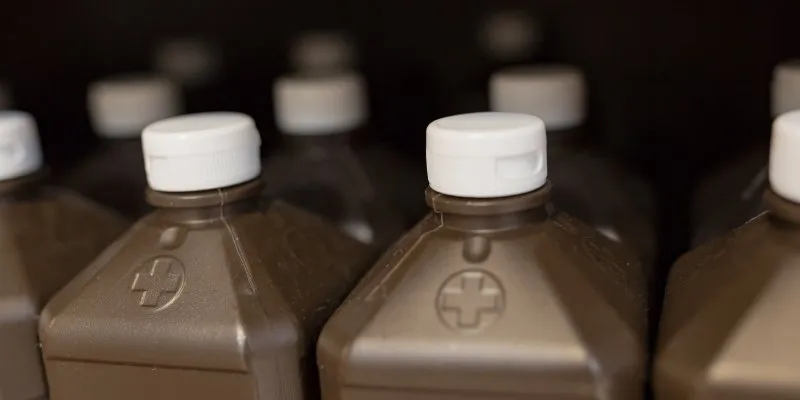
Hydrogen Peroxide for Teeth Whitening
A brighter, whiter smile is a common desire, and teeth whitening has become a popular cosmetic procedure. Among the various methods available, using hydrogen peroxide for teeth whitening is a frequently discussed topic. Hydrogen peroxide, a readily available chemical compound, can effectively remove stains and discoloration from teeth. However, understanding the proper usage, concentration, and safety measures is crucial for achieving optimal results and avoiding potential harm. This article provides five simple yet effective tips for utilizing hydrogen peroxide to whiten your teeth, guiding you towards a radiant smile while ensuring your oral health.
Understand Hydrogen Peroxide
Hydrogen peroxide (H2O2) is a chemical compound with bleaching properties. It works by releasing oxygen, which then breaks down the stain molecules on the surface of your teeth, as well as deeper within the enamel. The effectiveness of hydrogen peroxide depends on its concentration, with higher concentrations generally leading to faster and more noticeable results. However, higher concentrations also increase the risk of side effects, such as tooth sensitivity and gum irritation. It is essential to understand that hydrogen peroxide is a powerful substance, and proper handling and adherence to guidelines are necessary to ensure safety.
The Role of Percentage

The percentage of hydrogen peroxide determines its strength and effectiveness. Hydrogen peroxide is available in various concentrations, usually ranging from 3% to 40%. The higher the percentage, the stronger the bleaching effect. However, the use of higher concentrations should be approached with caution. Dentists often use higher concentrations in professional treatments, as they can control the application and monitor the patient’s reaction. Over-the-counter products typically contain lower concentrations to minimize the risk of side effects. Understanding the percentage is crucial for choosing a safe and effective method for teeth whitening at home.
Recommended Percentage for Teeth Whitening
For at-home teeth whitening, a 3% hydrogen peroxide solution is generally considered safe. This concentration is commonly found in over-the-counter products. Using higher concentrations, such as those used by dentists, without proper supervision can be risky. These stronger solutions can cause significant tooth sensitivity, gum irritation, and, in rare cases, damage to the enamel. It is always recommended to consult with a dentist before using hydrogen peroxide for teeth whitening, especially if you have existing dental issues or sensitivities. They can advise you on the appropriate concentration and method based on your specific needs.
Tip 1 Proper Dilution
Dilution Methods

If you are using a higher concentration of hydrogen peroxide, dilution is essential. You can dilute it with water to reduce the concentration. For example, if you have a 6% solution, you can dilute it with an equal amount of water to create a 3% solution. It’s crucial to be accurate with your measurements to ensure that the final concentration is safe and effective. Never use a concentration that is not specifically intended for teeth whitening without consulting with a dental professional. Always follow the instructions on the product label or the guidance of your dentist when diluting hydrogen peroxide.
Why Dilution is Important
Dilution minimizes the risk of side effects like tooth sensitivity and gum irritation. Undiluted high-percentage hydrogen peroxide can be harsh on the soft tissues of the mouth and can damage the enamel over time. Diluting hydrogen peroxide allows you to reduce the concentration to a level that effectively whitens your teeth while minimizing potential harm. Dilution also allows for a more gradual whitening process, which is often gentler on the teeth and gums. Always prioritize safety and consider dilution a crucial step in the teeth whitening process to ensure that the benefits outweigh the risks.
Tip 2 Application Techniques
Application Methods

There are various methods for applying hydrogen peroxide to your teeth. One method involves using a cotton swab to apply the solution directly to the teeth. Another popular method is to use a tray filled with a whitening gel containing hydrogen peroxide, which is often available in at-home whitening kits. You can also brush your teeth with a toothpaste containing hydrogen peroxide. Regardless of the method, it is essential to ensure that the hydrogen peroxide comes into contact with the teeth, not the gums. This will minimize the risk of irritation.
Safety Precautions
Always follow these safety precautions when using hydrogen peroxide for teeth whitening. Avoid swallowing the solution; rinse your mouth thoroughly with water after each application. Use a low concentration of hydrogen peroxide, and if you experience any sensitivity or irritation, discontinue use immediately. Protect your gums by avoiding direct contact with the hydrogen peroxide. If you have any existing dental problems or sensitivities, consult with your dentist before using any whitening method. Always store hydrogen peroxide in a cool, dark place away from children.
Tip 3 Frequency and Duration
Whitening Frequency

The frequency of hydrogen peroxide teeth whitening depends on the concentration of the solution and your teeth’s sensitivity. Generally, it is recommended to start with a less frequent application, such as once a day, or every other day. Avoid overusing hydrogen peroxide. Overuse can lead to tooth sensitivity and gum irritation. If you are using a tray system, follow the instructions on the product label regarding how long to wear the tray each time. If you are using a lower concentration and experience no side effects, you may gradually increase the frequency, but always be mindful of any changes in your teeth or gums.
Treatment Duration
The duration of the whitening treatment varies depending on the individual and the chosen method. For at-home treatments, it may take several weeks to see noticeable results. The treatment duration also depends on the severity of the stains and the desired level of whiteness. Avoid using the product for extended periods, as this can increase the risk of side effects. Consult your dentist for the best advice on the appropriate treatment duration for your teeth. They can monitor your progress and make adjustments as needed. Once you reach your desired whiteness, you can reduce the frequency of the treatments to maintain the results.
Tip 4 Considerations for Sensitivity
Managing Sensitivity

Tooth sensitivity is a common side effect of teeth whitening. If you experience sensitivity, you should take some steps to manage it. Reduce the frequency of the treatments, or decrease the amount of time the product is applied. Use a toothpaste designed for sensitive teeth, which contains ingredients like potassium nitrate that can help block the pain signals from the nerves in your teeth. Avoid cold or hot foods and drinks during the treatment period. Consider using a fluoride treatment, which can help strengthen the enamel and reduce sensitivity. If the sensitivity persists, consult your dentist, who may recommend specific treatments or adjust your whitening plan.
Alternative Approaches
If you experience significant sensitivity, you may want to consider alternative teeth whitening methods. Professional teeth whitening treatments performed by a dentist use higher concentrations of hydrogen peroxide but under controlled conditions, minimizing the risk of side effects. Your dentist may also recommend other methods, such as custom-fitted trays, or other whitening agents. Some natural alternatives, such as baking soda or coconut oil pulling, may offer some whitening effects, though their effectiveness may vary. Always consult your dentist before trying any new whitening method, particularly if you have sensitive teeth or any existing dental issues.
Tip 5 Maintain Results
Long-Term Maintenance

Maintaining your teeth whitening results requires consistent care. After completing your whitening treatments, you can use a maintenance plan to keep your teeth bright. This might involve occasional touch-up treatments with a lower concentration of hydrogen peroxide or using whitening toothpaste. Regular dental checkups and cleanings are also crucial. Your dentist can remove surface stains and evaluate your oral health. It’s essential to be consistent with your oral hygiene routine. Brush your teeth twice a day, floss daily, and rinse with an antibacterial mouthwash. This will help prevent new stains from forming and keep your teeth healthy and bright.
Dietary Considerations
Certain foods and drinks can stain your teeth. To maintain your bright smile, it is important to be mindful of your diet. Limit your consumption of staining foods and beverages, such as coffee, tea, red wine, and berries. Rinse your mouth with water after consuming these items to help remove any residue. Avoid smoking and chewing tobacco, as these are major contributors to tooth discoloration. A healthy diet rich in fruits, vegetables, and calcium-rich foods can help support your overall oral health and keep your teeth strong and white. Making these dietary changes can significantly impact how long your teeth whitening results last.
Conclusion
Achieving a brighter smile using hydrogen peroxide for teeth whitening can be a rewarding experience. By following these five simple tips – understanding hydrogen peroxide, using the proper percentage, applying it correctly, being mindful of frequency and duration, and managing sensitivity – you can enhance your teeth’s appearance safely and effectively. Remember to prioritize your oral health by consulting your dentist for personalized advice and always adhering to the recommended guidelines. With the right approach and consistent care, you can enjoy a confident and dazzling smile for years to come. Remember that your oral health is paramount, and a healthy smile contributes significantly to your overall well-being.