Understanding the Teeth Whitening Process
Teeth whitening is a popular cosmetic dental procedure that aims to brighten and lighten the shade of your teeth. The process typically involves the use of bleaching agents, such as hydrogen peroxide or carbamide peroxide, which penetrate the enamel and dentin to break down stains and discoloration. Professional teeth whitening treatments, performed by dentists, often yield faster and more dramatic results compared to over-the-counter products. These treatments can involve custom-fitted trays or in-office procedures using stronger concentrations of whitening agents. The duration of the whitening process and the final results can vary depending on factors like the initial shade of your teeth, the type of stains, and the whitening method used.
Why Diet Matters After Teeth Whitening
After undergoing teeth whitening, your teeth are more susceptible to staining. This is because the pores in your enamel, which are opened during the whitening process, can easily absorb pigments from the foods and drinks you consume. Following a strict diet after teeth whitening is crucial to maximize the longevity of your results and prevent the reabsorption of stains. The first few days after the procedure are particularly critical, as this is when your teeth are most vulnerable. Avoiding stain-causing foods and drinks during this period can significantly impact how long your teeth stay bright and white. This dietary precaution helps you to maintain your beautiful, newly whitened smile and protect your investment in a brighter smile.
Foods You Can Safely Eat After Whitening

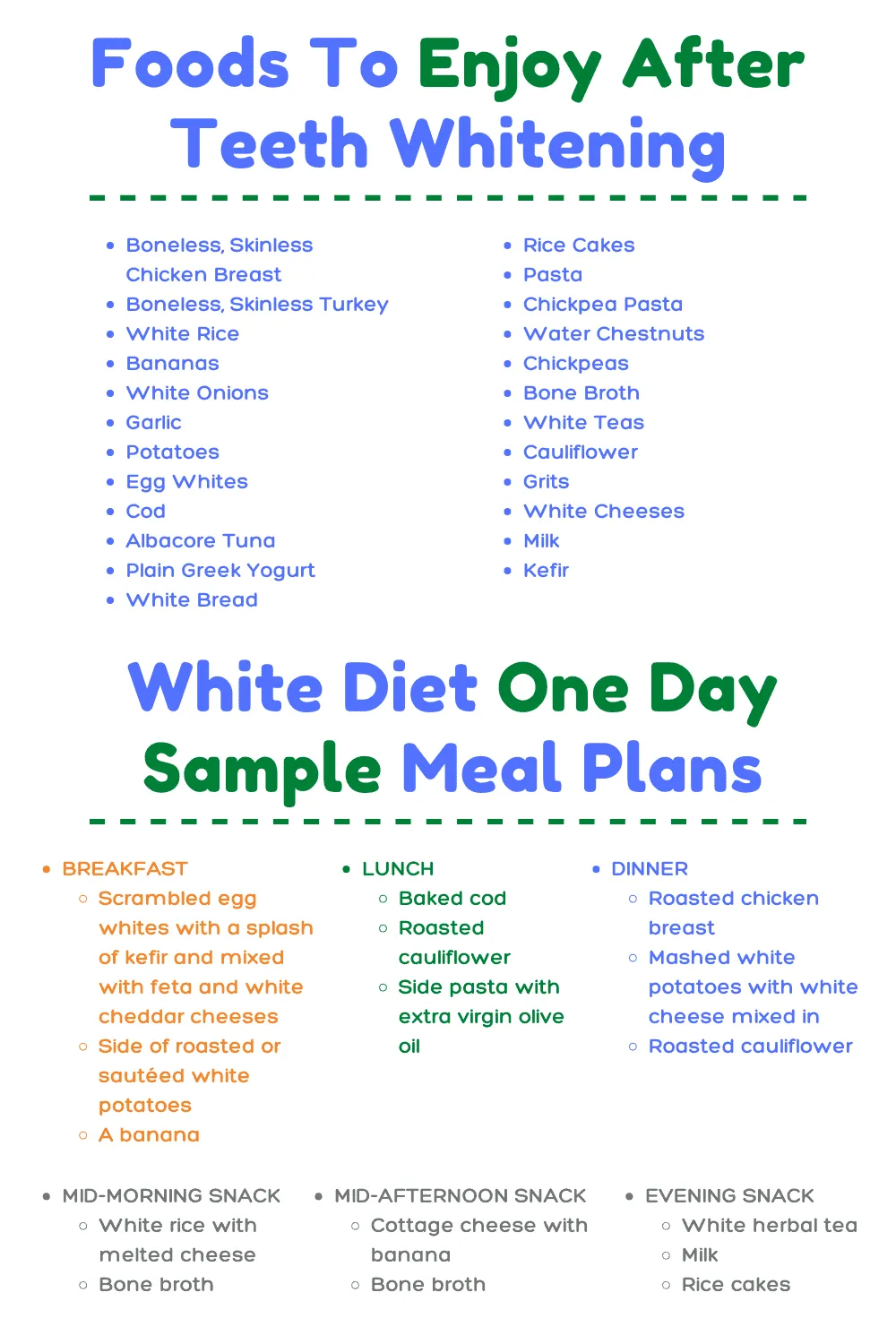
Choosing the right foods after teeth whitening is key to protecting your smile. Opting for white and neutral-colored foods helps minimize the risk of staining your freshly whitened teeth. Focus on foods that are light in color and gentle on your enamel during this sensitive period. Your diet should be composed of foods that don’t possess strong pigments. A general rule is, if it would stain a white shirt, avoid it. By sticking to these guidelines, you can help preserve your gleaming white smile for a longer duration.
White and Neutral Foods to Embrace
Embracing a diet rich in white and neutral foods is an excellent way to maintain your teeth’s brightness after whitening. These foods are less likely to stain your teeth and can be incorporated into various meals and snacks. They are generally safe to consume immediately after your teeth whitening procedure. This dietary approach helps you enjoy delicious meals while safeguarding your teeth’s pristine condition.
- White Rice A versatile option for a filling meal.
- Plain Pasta Another excellent base for various meals.
- White Bread Can be used for sandwiches or toast.
- Cauliflower A healthy, low-staining vegetable.
- Plain Chicken A great source of protein.
- White Fish Another good protein source.
- Bananas A sweet, safe fruit option.
- Tofu A versatile plant-based protein source.
Dairy Products Safe Choices
Dairy products, such as milk, yogurt, and cheese, are generally considered safe choices after teeth whitening. They are typically low in staining pigments and can provide beneficial nutrients. These dairy items offer a balance of flavor and nutrition while being gentle on your teeth. These foods are less likely to cause staining and can be incorporated into your diet without worry.
- Milk A good source of calcium.
- White Yogurt A healthy snack option.
- White Cheese Like mozzarella or cottage cheese.
Grains and Starches Keep it Light

Grains and starches can be a part of your post-whitening diet, provided you make smart choices. Opting for options that are lighter in color can help prevent staining. These foods provide necessary energy while minimizing the risk of affecting your newly whitened teeth. Focusing on lighter-colored grains and starches allows you to enjoy your meals while still taking care of your smile.
- White Rice A good choice.
- Plain Pasta A versatile option.
- White Bread Use it in moderation.
Foods to Avoid After Teeth Whitening
Avoiding certain foods after teeth whitening is crucial for preserving your results. These foods often contain strong pigments that can easily stain your teeth. Steering clear of these items will help you keep your smile bright and prevent the reabsorption of stains. This dietary guideline helps you protect your investment and maintain your beautifully whitened teeth for as long as possible.
Highly Pigmented Foods Beware
Highly pigmented foods pose a significant risk to your teeth after whitening. These foods are packed with color and can readily stain your teeth. Be mindful of the foods you eat to protect your investment in a brighter smile. Staying away from these items will ensure your newly whitened teeth remain bright and stain-free, maintaining your dazzling smile.
- Berries Strawberries, blueberries, raspberries, etc.
- Curry Dishes Often contain turmeric, a potent stain-causer.
- Dark Sauces Soy sauce, balsamic vinegar, etc.
- Beets Known for their intense color.
- Tomatoes and Tomato Sauce Can stain teeth.
- Chocolate Avoid dark chocolate.
Drinks to Avoid Staining Your Teeth

Similar to foods, certain drinks can also stain your teeth after whitening. These beverages often contain strong pigments that can quickly discolor your teeth. By avoiding these drinks, you’ll safeguard your newly whitened teeth. This measure helps you to preserve your bright smile and enjoy long-lasting results, ensuring your teeth stay brilliantly white.
- Coffee Coffee is a well-known stain-causer.
- Tea Black tea and herbal teas can stain.
- Red Wine Contains strong pigments that stain.
- Dark Juices Grape juice, cranberry juice, etc.
- Carbonated Drinks Dark sodas can stain.
- Sports Drinks Some contain high levels of colorants.
Maintaining Your Results
Maintaining the results of your teeth whitening requires a continuous commitment to a stain-free diet and good oral hygiene. Consistent care will extend the lifespan of your treatment and help you maintain your bright, white smile. Making a long-term effort ensures your teeth stay beautifully bright for an extended duration, showcasing a healthy, confident smile.
Proper Oral Hygiene is Key
Maintaining excellent oral hygiene is essential to protect your teeth after whitening. Brushing your teeth at least twice daily, flossing, and using mouthwash will help remove food particles and prevent staining. Regular dental checkups and cleanings are also vital for keeping your teeth healthy and bright. These habits contribute to a lasting, beautiful smile by helping to remove any stains or buildup.
Regular Dental Checkups for a Bright Smile

Regular dental checkups and professional cleanings play a crucial role in maintaining your white smile and overall oral health. Dentists can identify and address any potential issues early on, ensuring your teeth remain healthy and bright. These regular visits will help you keep your smile looking its best. By attending routine appointments, you can get professional advice and care, promoting long-term oral health and ensuring your teeth stay beautifully white.