What is Teeth Whitening?
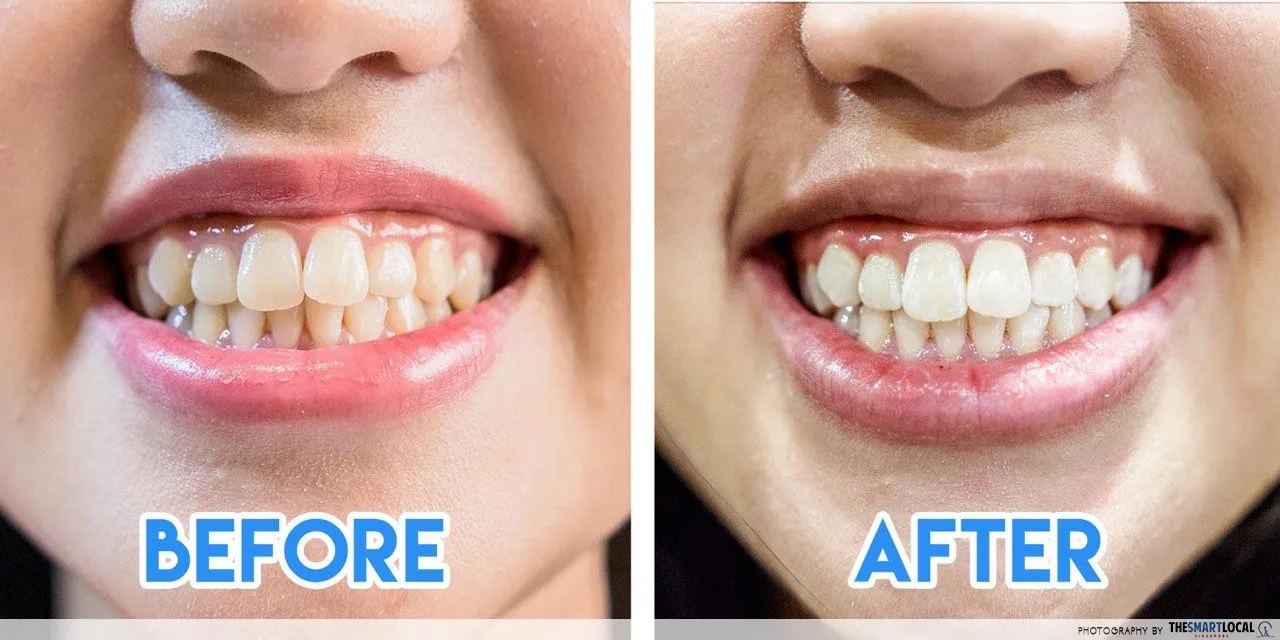
Teeth whitening, also known as teeth bleaching, is a popular cosmetic dental procedure designed to lighten the shade of your teeth and remove stains and discoloration. It involves using bleaching agents, typically hydrogen peroxide or carbamide peroxide, to break down the stains that have accumulated on the enamel of your teeth. The effectiveness of teeth whitening can vary depending on the type of stains, the whitening method used, and the individual’s tooth structure. While teeth whitening can significantly improve the appearance of your smile, it’s essential to understand the process and follow the aftercare instructions to achieve the best and longest-lasting results. It’s also important to consult with a dental professional to determine if teeth whitening is suitable for your specific oral health needs and to discuss the potential risks and benefits.
Common Teeth Whitening Methods
There are several methods for teeth whitening, each with its own advantages and considerations. Professional teeth whitening, performed by a dentist, is often the most effective. It uses a higher concentration of bleaching agents and can be done in a single visit, providing immediate results. Over-the-counter options include whitening toothpastes, strips, and trays, which are more affordable but may not be as effective for significant stains. The choice of method depends on your budget, the severity of the stains, and your desired results. Remember, it’s best to consult a dentist to discuss the most suitable method for your specific situation, taking into account your oral health and the level of whitening you hope to achieve.
Professional Teeth Whitening

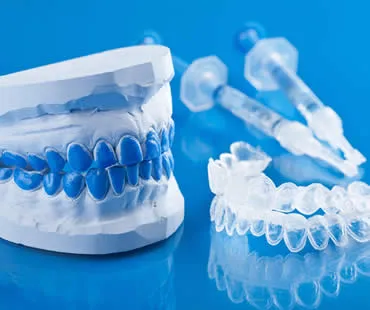
Professional teeth whitening offers the most dramatic and immediate results. Dentists use a high-concentration bleaching solution, often activated by a special light or laser to accelerate the whitening process. This method is performed under controlled conditions, minimizing the risk of gum irritation or sensitivity. The entire procedure usually takes about an hour, and the results can last for several months to a few years, depending on your lifestyle and oral hygiene habits. Prior to the procedure, the dentist will assess your teeth and gums to ensure you are a good candidate. They may also take impressions to create custom trays for at-home touch-up treatments. Professional whitening is a safe and effective way to significantly enhance your smile.
Over-the-Counter Teeth Whitening Products
Over-the-counter (OTC) teeth whitening products are readily available and a more affordable option. These include whitening toothpastes, strips, and trays. Whitening toothpastes contain mild abrasives and chemicals to remove surface stains, but they usually don’t change the intrinsic color of your teeth. Whitening strips are thin, flexible strips coated with a peroxide-based whitening agent that you apply directly to your teeth. Trays are custom-fitted or pre-filled trays that you fill with a whitening gel and wear for a specified amount of time. While OTC products are convenient, they typically contain lower concentrations of bleaching agents, so the results may not be as dramatic as professional whitening. It’s important to follow the product instructions carefully and be patient, as it may take several weeks to see noticeable results. Furthermore, consult your dentist before using any OTC products.
Do’s After Teeth Whitening
Following the proper aftercare instructions after teeth whitening is crucial for maximizing your results and maintaining a bright smile. Several key do’s will help you protect your newly whitened teeth and extend the life of your treatment. These practices focus on preventing new stains and maintaining good oral hygiene. By adhering to these guidelines, you can enjoy your brighter smile for a longer period and ensure your investment in teeth whitening pays off. The do’s primarily involve making conscious choices about your diet, oral hygiene habits, and regular dental checkups. Implementing these simple yet effective steps can significantly impact the longevity and appearance of your whitened teeth.
Maintain a Bright Smile

Maintaining your bright smile involves making conscious choices about what you consume and how you care for your teeth. After teeth whitening, your teeth are more susceptible to staining for a short period. Therefore, it is essential to avoid foods and drinks that can cause discoloration. These include items like coffee, tea, red wine, dark-colored sauces, and heavily pigmented fruits and vegetables. When you do consume these items, rinse your mouth with water immediately afterward to minimize staining. Additionally, consider using a straw for beverages to reduce contact with your teeth. Regular and consistent oral hygiene practices, such as brushing and flossing, also play a vital role in preserving your bright smile.
Practice Good Oral Hygiene
Practicing good oral hygiene is fundamental to maintaining your teeth’s brightness. This involves brushing your teeth at least twice a day with a soft-bristled toothbrush and a whitening toothpaste. Floss daily to remove food particles and plaque from between your teeth, where your toothbrush can’t reach. Consider using an antimicrobial mouthwash to further reduce bacteria in your mouth, which can contribute to staining. If you have undergone professional whitening, your dentist may provide specific instructions on how to care for your teeth. Following these instructions and maintaining a consistent oral hygiene routine is crucial for preventing new stains and preserving the results of your teeth whitening treatment. Consistent oral hygiene also contributes to overall oral health.
Schedule Regular Dental Checkups
Regular dental checkups and cleanings are essential for maintaining the results of teeth whitening and ensuring optimal oral health. During these visits, your dentist will remove any surface stains, plaque, and tartar that can dull the brightness of your teeth. They will also assess your oral health and provide recommendations for maintaining your bright smile. Regular checkups allow your dentist to identify and address any potential issues early on, such as cavities or gum disease, preventing further discoloration and damage to your teeth. Schedule a dental checkup every six months, or as recommended by your dentist, to keep your smile looking its best and maintain excellent oral health.
Avoid Staining Foods and Drinks

Avoiding staining foods and drinks is one of the most important do’s after teeth whitening. For the first few days, your teeth are more porous and susceptible to absorbing color from what you consume. Beverages like coffee, tea, red wine, and dark juices are notorious for staining teeth. Foods such as berries, soy sauce, curries, and dark sauces can also cause discoloration. Sticking to a white or clear diet during this period is highly recommended. This includes water, milk, white rice, chicken, and fish. After the initial period, you can gradually reintroduce these foods and drinks, but be mindful of their potential impact and rinse your mouth with water immediately after consumption to minimize staining.
Don’ts After Teeth Whitening
Just as there are important do’s, there are also critical don’ts to follow after teeth whitening. These actions or habits can counteract the whitening treatment and lead to premature discoloration. The don’ts primarily focus on avoiding substances known to stain teeth, as well as habits that can damage your enamel. Staying away from these can help you achieve the best and most lasting results from your teeth whitening procedure. Remember that your teeth are particularly vulnerable during the first few days, making it even more important to be cautious. Understanding these don’ts will assist you in making informed decisions to protect and preserve your enhanced smile.
Foods and Drinks to Avoid
After teeth whitening, it’s crucial to avoid foods and drinks that can stain your teeth. This includes items with strong pigments that can easily attach to the enamel. Red wine, coffee, and tea are notorious culprits, so it’s wise to avoid them or consume them sparingly. Dark-colored sodas and fruit juices, such as grape or cranberry juice, can also cause staining. Foods like berries, soy sauce, balsamic vinegar, and curries should be avoided or consumed with caution, especially in the days immediately following the procedure. If you do consume any of these items, be sure to rinse your mouth with water or brush your teeth shortly after to minimize staining. A white or clear diet is ideal during the initial recovery period.
Smoking and Tobacco Products

Smoking and the use of tobacco products are detrimental to the results of teeth whitening. Tobacco contains nicotine and tar, which stain the teeth, leading to discoloration and yellowing. Smoking also promotes the build-up of plaque and tartar, which can further dull the brightness of your teeth. The stains caused by tobacco are often very difficult to remove and can quickly reverse the effects of your teeth whitening treatment. Avoiding tobacco products is therefore essential for maintaining your bright smile. Furthermore, smoking has numerous negative health consequences, making quitting a beneficial choice for your overall well-being and the longevity of your whitened teeth.
Dark-Colored Sauces
Dark-colored sauces can significantly impact the results of teeth whitening. Sauces like soy sauce, balsamic vinegar, and tomato-based sauces contain strong pigments that can easily stain the enamel of your teeth, especially in the days immediately following your whitening treatment. These sauces can deposit pigments into the porous enamel, causing discoloration and reversing the effects of the procedure. When enjoying meals, opt for lighter-colored sauces or use them sparingly. Rinsing your mouth with water after consuming these sauces can help to mitigate the staining effect. Being mindful of these dietary choices helps to preserve the brightness of your teeth for a longer period.
Coffee, Tea, and Red Wine
Coffee, tea, and red wine are some of the most notorious staining agents. These beverages contain dark pigments, called tannins, that easily adhere to the enamel, causing discoloration. Coffee and tea’s acidity also makes the enamel more porous, increasing the likelihood of staining. Red wine, with its rich color and tannins, is especially damaging. Avoiding these beverages or drinking them sparingly is crucial after teeth whitening. If you choose to consume them, consider using a straw to minimize contact with your teeth and rinsing your mouth with water afterward. For tea and coffee drinkers, switching to herbal tea or drinking your beverages with milk can help to minimize staining.
Best Practices for Long-Lasting Results
To ensure the longevity of your teeth whitening results, adopt some best practices. These practices combine dietary choices, oral hygiene routines, and professional maintenance to protect and preserve your bright smile. Following these tips will help you enjoy the benefits of your teeth whitening treatment for an extended period. Consistent adherence to these best practices will not only keep your teeth looking their best but also contribute to your overall oral health and well-being. Investing in these practices is an investment in a healthy and confident smile.
Use a Whitening Toothpaste
Using a whitening toothpaste is an effective way to maintain the brightness of your teeth after a whitening treatment. Whitening toothpastes often contain mild abrasives and chemicals that help remove surface stains and prevent new ones from forming. These toothpastes are designed to gently polish the enamel, removing discoloration caused by food and beverages. While they don’t change the intrinsic color of the teeth like professional treatments, they are an excellent tool for maintaining results and preventing future stains. Choose a whitening toothpaste with fluoride to help strengthen your enamel and protect against cavities. Using a whitening toothpaste as part of your daily oral hygiene routine can significantly extend the life of your bright smile.
Consider Touch-Up Treatments
Consider scheduling touch-up treatments to keep your smile at its best. Over time, teeth can gradually lose their brightness due to natural aging, dietary habits, and other factors. Touch-up treatments involve repeating the teeth whitening procedure to maintain the desired level of whiteness. These treatments can be done professionally by your dentist or using at-home whitening products, depending on your needs and preferences. If you undergo professional whitening, your dentist may recommend custom trays and a whitening gel for at-home maintenance. Following these recommendations can help you enjoy your brighter smile for an extended period. Regular touch-ups will help ensure you maintain your confident, radiant smile.