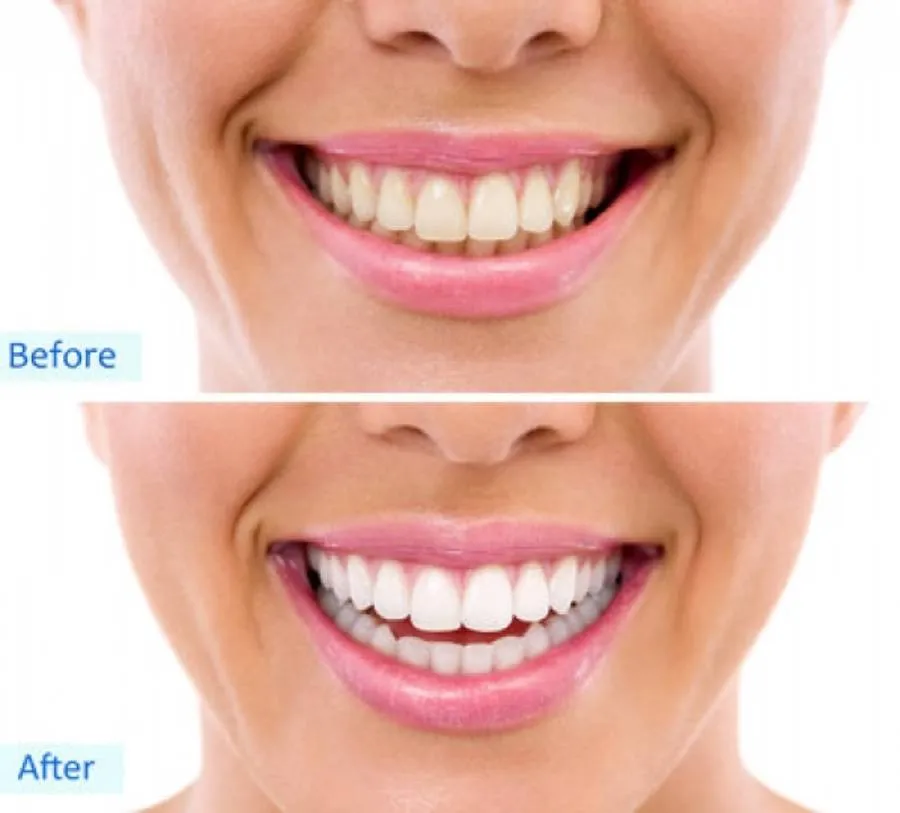
Teeth Whitening Fries? 5 Things to Know
Teeth whitening is a popular cosmetic procedure, and it’s crucial to understand how your dietary choices can impact its results. One question many people have is, “Can I eat fries after teeth whitening?” The answer isn’t a simple yes or no, as several factors come into play. This article delves into the relationship between teeth whitening and your diet, with a specific focus on fries. We’ll explore why certain foods can compromise your newly whitened smile, how fries fit into the equation, and what you can do to enjoy your favorite foods without jeopardizing your results. Keeping your teeth white requires careful consideration, and this guide will equip you with the knowledge you need to make informed decisions.
What is Teeth Whitening?
Teeth whitening is a cosmetic dental procedure designed to lighten the color of your teeth. It works by using bleaching agents, typically containing hydrogen peroxide or carbamide peroxide, to break down stains and discoloration on the enamel. There are various methods, including in-office treatments performed by a dentist and at-home kits. The effectiveness of the whitening process can vary depending on the individual’s teeth, the type of stains present, and the chosen method. The goal is to achieve a brighter, more aesthetically pleasing smile. Understanding the process is essential to make informed choices about post-whitening care, including dietary restrictions, to maximize and maintain the results.
Understanding the Teeth Whitening Process

During teeth whitening, the bleaching agents penetrate the enamel and dentin, the inner layers of your teeth, to oxidize the stain molecules. This process breaks down these molecules, making them less visible and resulting in a lighter shade. The enamel becomes more porous immediately after the procedure, making it more susceptible to staining from the foods and drinks you consume. This increased porosity means that pigments from colored substances can easily seep into the enamel, undoing the whitening effect. Therefore, adhering to dietary guidelines, especially during the initial days post-treatment, is crucial for preserving your brighter smile and optimizing the longevity of your results. This phase is critical because your teeth are at their most vulnerable.
Why Fries Might Stain Your Teeth
Fries, despite being seemingly innocuous, can pose a risk to your newly whitened teeth. The problem lies in the potential for staining. While fries themselves are primarily carbohydrates, the cooking process and the seasonings and sauces often served with them can be problematic. For instance, fries that are heavily seasoned with paprika, chili powder, or other spices containing pigments can contribute to staining. Furthermore, if you consume fries with ketchup, which is known for its high acidity and rich red color, the risk of staining increases significantly. The oil used for frying may also contain staining compounds. Therefore, it is not just the fries themselves, but also the accompaniments and the preparation method that make fries a potential threat to your white smile.
The Impact of Pigments on Teeth
Pigments are the molecules that give color to food and drinks. When these pigments come into contact with the porous enamel of freshly whitened teeth, they can quickly adhere and cause staining. Dark-colored foods and beverages, such as coffee, tea, red wine, and berries, are notorious for their high pigment content. These substances contain chromogens, which are compounds that, when exposed to oxygen, cause staining. Fries, while not inherently rich in pigments, can become a source of staining due to the spices and sauces often consumed with them. The degree of staining depends on the concentration of pigments and the duration of exposure. Therefore, it is essential to be vigilant about the pigments in your food and drinks after teeth whitening to maintain the desired results.
Foods to Avoid After Teeth Whitening

Following a white diet is crucial in the initial days after teeth whitening. This involves avoiding foods and drinks that can stain your teeth. High-pigment foods and drinks include coffee, tea, red wine, dark sodas, and berries. Other foods to avoid include soy sauce, balsamic vinegar, and brightly colored candies. The goal is to keep your teeth away from any substance that could potentially stain them. Sticking to a diet composed of white or lightly colored foods helps protect your investment in teeth whitening. It is also important to avoid smoking, as nicotine can cause significant discoloration. Being proactive with your dietary choices is a key factor in ensuring the longevity of your brighter, whiter smile. Remember to consult your dentist for specific dietary recommendations tailored to your situation.
Fries and Their Potential for Staining
Fries themselves are not inherently staining, but the ingredients used in their preparation and the accompanying sauces can be. Consider the seasonings used: paprika, chili powder, and other spices with strong pigments are often sprinkled on fries and can cause discoloration. Then there’s ketchup, a common pairing. Ketchup is highly acidic and packed with pigments from tomatoes, making it a significant staining risk. The oil in which the fries are cooked might also be a factor, depending on its composition and any added colorants. Therefore, when considering fries post-whitening, it’s crucial to evaluate the preparation method, the toppings, and the sauces to assess the potential for staining. The more pigmented the ingredients, the higher the risk of jeopardizing your whitening results.
How Long to Wait Before Eating Fries
The recommended waiting period before eating fries after teeth whitening varies, but it’s best to err on the side of caution. Dentists often advise waiting at least 48 to 72 hours, or even up to a week, depending on the whitening method and the individual’s sensitivity. During this period, your teeth are most vulnerable to staining. If you can’t resist fries, carefully consider the ingredients and toppings, opting for plain, lightly seasoned fries without ketchup. The longer you wait, the better, to allow your enamel to re-mineralize and become less porous. Always listen to your dentist’s advice, as they can provide specific guidance based on your treatment. Careful adherence to these guidelines maximizes the longevity and effectiveness of your teeth whitening procedure.
Alternatives to Fries During the Whitening Period

If you’re craving something crispy and savory after teeth whitening, there are several alternatives to fries. Consider options that are white or lightly colored and don’t pose a staining risk. Roasted cauliflower, lightly seasoned with salt and pepper, provides a similar texture to fries without the pigments. Baked potato wedges, prepared without dark seasonings or sauces, are another safe choice. Plain, air-popped popcorn can also satisfy your cravings. The key is to choose foods that are light in color and have minimal risk of staining your teeth. Be mindful of sauces and dips; opt for clear or white-colored options. Staying creative with your food choices during this period can help you enjoy satisfying meals while protecting your newly whitened smile.
Healthy Snack Options for Your Teeth
Choosing healthy snack options during and after your teeth whitening procedure supports both your oral health and the longevity of your results. Opt for foods that are not only safe but also beneficial for your teeth. Apples, pears, and bananas are excellent choices. These fruits are naturally low in pigment and high in fiber, which can help clean your teeth. Dairy products, such as plain yogurt and cottage cheese, are also beneficial because they contain calcium, which strengthens your enamel. Raw vegetables like cucumbers and celery act as natural toothbrushes, helping to remove plaque and debris. Drinking plenty of water also helps keep your mouth clean and hydrated. Making smart snack choices is essential for maintaining a healthy, bright smile after teeth whitening.
Tips for Maintaining Your White Smile
Maintaining your white smile requires a consistent oral hygiene routine and a few lifestyle adjustments. Brush your teeth at least twice a day with a whitening toothpaste that helps remove surface stains. Floss daily to remove plaque and food particles from between your teeth. Use a mouthwash that is alcohol-free and designed to maintain whiteness. Avoid smoking, as it causes significant discoloration. Limit your intake of staining foods and drinks, such as coffee, tea, and red wine. Consider using a straw when drinking beverages that can stain your teeth. Regular dental check-ups and professional cleanings are essential to maintain optimal oral health and remove any accumulated stains. Following these tips will help you preserve your bright, beautiful smile for years to come.
Dental Hygiene and Aftercare

Proper dental hygiene is crucial for maintaining the results of your teeth whitening procedure. After any whitening treatment, it is essential to brush gently with a soft-bristled toothbrush to avoid damaging the enamel. Using a whitening toothpaste can help remove surface stains and maintain your bright smile. Flossing daily is also important for removing food particles and plaque, which can contribute to discoloration. Consider using an alcohol-free mouthwash, as alcohol can dry out the mouth and potentially worsen staining. Drink plenty of water throughout the day to keep your mouth hydrated and rinse away food particles. Regular dental check-ups and professional cleanings are also essential for maintaining your teeth whitening results and overall oral health. Always follow your dentist’s specific aftercare instructions for the best outcomes.
Consulting Your Dentist for Advice
Always consult with your dentist for personalized advice regarding teeth whitening and dietary restrictions. Your dentist can assess your specific oral health condition and provide recommendations tailored to your needs. They can also explain the whitening process in detail, answer your questions, and address any concerns you might have. They can provide specific guidelines on which foods and drinks to avoid and how long to wait before resuming your normal diet. Regular dental check-ups and professional cleanings are also crucial for maintaining your teeth whitening results. Following your dentist’s advice ensures the best outcomes from your teeth whitening procedure. Don’t hesitate to ask your dentist any questions about your oral health and the care needed to preserve your bright smile.