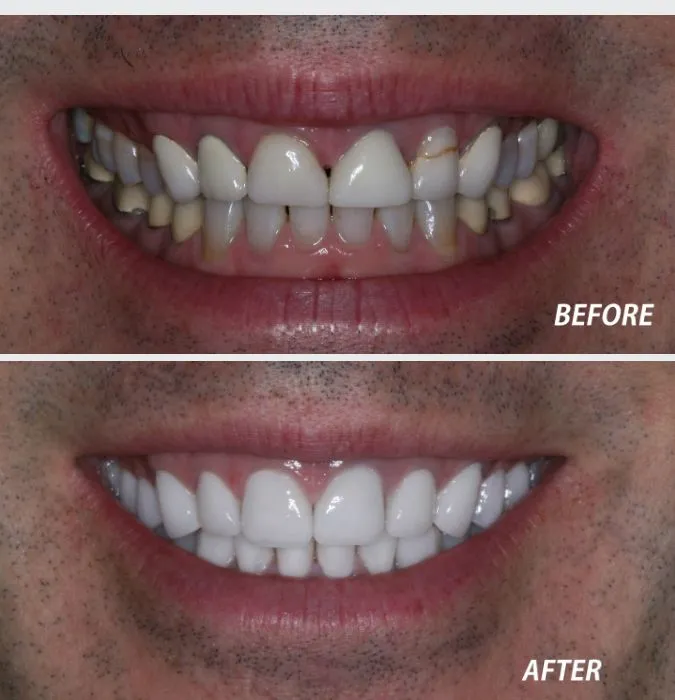
What is Teeth Whitening Gel?
Teeth whitening gel is a cosmetic dental product designed to lighten the color of your teeth. The active ingredient in most whitening gels is typically hydrogen peroxide or carbamide peroxide, which bleaches the enamel, reducing stains and discoloration. These gels come in various concentrations and are available for both professional and at-home use. While custom-fitted trays are often used for optimal application, there are several methods and products that allow you to use teeth whitening gel without a tray, offering flexibility and convenience for those seeking a brighter smile. Understanding the composition and function of whitening gel is the first step in making informed decisions about your oral care routine.
Teeth Whitening Gel Without Tray Fact 1 Availability and Types
Teeth whitening gel without a tray is readily available in different forms, catering to various preferences and needs. You can find these products in drugstores, online retailers, and even some supermarkets. The availability of different types provides consumers with multiple options to choose from depending on their convenience and preference. Key types include over-the-counter options, whitening toothpaste with gel, and DIY solutions. The variety of products helps make teeth whitening more accessible and adaptable to different lifestyles and budgets, allowing individuals to brighten their smiles without the need for custom trays or professional treatments. However, it’s essential to consider factors such as effectiveness and potential safety risks when choosing from these different methods.
Over-the-Counter Whitening Gels

Over-the-counter whitening gels are widely available and typically come in brush-on applicators or pre-filled strips. These gels usually contain lower concentrations of hydrogen peroxide compared to professional treatments, making them safer for unsupervised use. Brush-on gels allow you to apply the product directly to your teeth, which is a simple method for targeting specific areas. Pre-filled strips offer a convenient way to apply a thin layer of gel to your teeth. While over-the-counter options may offer less dramatic results than professional treatments, they are a good starting point for mild to moderate stains and can provide noticeable improvements over time. Remember to carefully follow the product instructions to ensure optimal results and minimize potential side effects.
Whitening Toothpaste with Gel
Whitening toothpaste with gel is another accessible option that combines the daily routine of brushing with the benefits of teeth whitening. These toothpastes often contain a lower concentration of peroxide or other whitening agents to help remove surface stains and brighten teeth. They are easy to incorporate into your existing oral hygiene routine, making it a convenient choice for maintaining a brighter smile. While whitening toothpastes alone may not provide the same dramatic results as more concentrated gels, they can effectively remove stains caused by coffee, tea, or tobacco, and contribute to overall teeth whitening. Consistent use of these toothpastes over time can lead to noticeable improvements in the brightness of your teeth. Always check the product instructions and consult with your dentist to determine if this option suits your needs.
DIY Teeth Whitening Options
DIY teeth whitening options can be found online or in home-made recipes. These methods often involve using natural ingredients like baking soda, lemon juice, or activated charcoal. DIY teeth whitening can be a cost-effective alternative, but it is essential to approach these methods with caution, as their effectiveness and safety can vary. Baking soda has a mild abrasive quality that can help remove surface stains, and lemon juice, due to its acidity, can help lighten teeth. Activated charcoal is believed to absorb stains. However, excessive use of abrasive substances can damage your enamel, leading to increased sensitivity and potential long-term dental issues. Moreover, the effectiveness of DIY methods is often limited compared to professional or over-the-counter treatments. Always consult with a dental professional before trying any DIY whitening methods to ensure they are safe for your teeth.
Teeth Whitening Gel Without Tray Fact 2 Effectiveness and Limitations

While teeth whitening gel can be effective without a tray, the results and limitations depend on various factors. The concentration of the whitening agent, the type of stains, and the application method influence the extent of whitening. Over-the-counter products with lower concentrations of peroxide may take longer to produce noticeable results compared to professional treatments. Similarly, DIY methods often have limited efficacy. The effectiveness also depends on the type of stains present on your teeth. Surface stains from coffee, tea, and tobacco may respond well to whitening gels, while intrinsic stains caused by medication or aging can be more challenging to treat. Understanding these factors helps manage expectations and choose the most appropriate whitening approach.
Factors Influencing Whitening Results
Several factors affect the effectiveness of teeth whitening gel. The concentration of hydrogen or carbamide peroxide is a primary factor; higher concentrations typically yield faster and more dramatic results, but they also increase the risk of sensitivity. The duration of application and the frequency of use also play a role. Following the product instructions precisely helps maximize the effectiveness of the gel. The type and severity of stains can impact the outcome as well. Surface stains from food and drinks tend to be easier to remove than intrinsic stains. Additionally, your oral hygiene habits and overall health can affect the whitening results. Regular brushing, flossing, and dental check-ups contribute to maintaining a brighter and healthier smile. Smoking and excessive consumption of staining foods can reduce the effectiveness of whitening and may require more frequent treatments.
Limitations of Whitening Without Trays
Whitening without trays has certain limitations compared to using custom-fitted trays. One major limitation is that the gel may not be evenly distributed across the teeth, leading to uneven whitening results. Tray-based systems ensure the gel stays in contact with the teeth for the specified duration, which enhances effectiveness. Without a tray, the gel can be diluted by saliva or swallowed, reducing its whitening power and potentially causing irritation. Furthermore, the lower concentrations of hydrogen peroxide in over-the-counter products might not be as effective for deep or stubborn stains. DIY methods often provide inconsistent results due to the lack of precise application and control over the concentration of the whitening agent. Considering these limitations will help in making an informed decision about the best method to achieve your desired results.
Teeth Whitening Gel Without Tray Fact 3 Safety Considerations

Using teeth whitening gel, whether with or without a tray, requires careful attention to safety. Understanding the potential side effects and following recommended application guidelines is crucial to avoid damaging your teeth or gums. Before using any whitening product, it is always recommended to consult with a dentist. They can assess your oral health and determine if whitening is safe and appropriate for you. They can also provide guidance on the best products and methods to minimize risks. Being mindful of the concentration of the whitening agent, the duration of treatment, and any pre-existing dental conditions is essential for ensuring a safe and effective whitening experience. Proper safety measures will help you enjoy a brighter smile without compromising your oral health.
Potential Side Effects
The most common side effect of teeth whitening is tooth sensitivity. This usually occurs because the whitening agents can temporarily open the pores in your enamel, making your teeth more susceptible to temperature changes. Gum irritation can also occur, especially if the gel comes into contact with your gums for an extended period. Some individuals may experience mild discomfort or soreness. These side effects are usually temporary and subside within a few days after stopping the treatment. To minimize these risks, it’s important to follow the product instructions carefully, avoid overusing the gel, and consider using a toothpaste designed for sensitive teeth. If the sensitivity or irritation persists, it is crucial to consult your dentist for advice.
Safe Application Tips
To ensure safe application of teeth whitening gel without a tray, adhere to these tips. Always read and follow the product instructions carefully. Use the recommended amount of gel and do not overuse it. Apply the gel evenly to your teeth, avoiding contact with your gums. If using a brush-on gel, be sure to wipe away any excess gel to prevent it from running onto your gums. For strips, place them carefully, ensuring they adhere correctly to your teeth. If you experience any sensitivity or irritation, stop the treatment and consult your dentist. Avoid eating or drinking staining foods and beverages during and immediately after the treatment. Regular dental check-ups are essential for monitoring your oral health and addressing any concerns promptly. By following these tips, you can maximize the safety and effectiveness of your teeth whitening treatment.
Teeth Whitening Gel Without Tray Fact 4 Application Methods

There are several application methods for using teeth whitening gel without a tray, each offering different levels of convenience and control. The choice of method depends on the product you are using and your preferences. Direct application with a brush allows for targeted treatment, while whitening strips offer a convenient way to apply the gel. Incorporating whitening gel in toothpaste can be a simple way to integrate whitening into your daily routine. All application methods require you to read and follow the product instructions and adhere to safety guidelines to avoid irritation or uneven whitening. Understanding the specifics of each method allows you to select the best option for your needs and maintain a consistent whitening regimen.
Direct Application with a Brush
Direct application with a brush involves using a brush-on whitening gel applicator. This method allows you to apply the gel precisely to the surface of your teeth, targeting specific areas and minimizing contact with your gums. To use this method, you typically brush your teeth, dry them, and then apply a thin layer of gel to each tooth. The brush-on method is well-suited for addressing individual stains or areas that require special attention. It provides control over the application, allowing you to avoid over-application and potential gum irritation. After the application, you will usually wait for a specified period before rinsing your mouth. Always follow the product instructions for the best results and safety. Brush-on gels are readily available and easy to use, making them a popular choice for those seeking a simple, effective way to whiten their teeth.
Use of Whitening Strips
Whitening strips are a convenient way to apply teeth whitening gel without the need for a tray. These thin, flexible strips are pre-coated with a whitening gel containing hydrogen peroxide. To use whitening strips, you simply peel off the strips and apply them to your teeth, ensuring they adhere properly. Strips are generally designed to fit the shape of your teeth and provide even coverage, and are easy to take on the go. The recommended wearing time varies depending on the product, usually from 30 minutes to an hour. After removing the strips, you should rinse your mouth. Whitening strips are a popular choice because they are easy to use, readily available, and provide a more uniform application of the whitening gel than some other methods. Always read and follow the product instructions to ensure safe and effective use.
Incorporating Whitening Gel in Toothpaste

Incorporating whitening gel into your toothpaste is another convenient way to whiten your teeth. Many whitening toothpastes contain a small amount of hydrogen peroxide or other whitening agents to help remove surface stains. These toothpastes are designed to be used as part of your daily oral hygiene routine. Using whitening toothpaste is simple; just brush your teeth as you normally would. The low concentration of the whitening agent is designed to gently remove stains and gradually brighten your teeth over time. It is a convenient option for maintaining a brighter smile and for those who prefer a less intensive whitening approach. However, whitening toothpastes typically provide less dramatic results than other methods with higher concentrations of whitening agents. This approach works best as part of a comprehensive oral hygiene routine and is a good choice for those looking for a gentle, everyday option.
Teeth Whitening Gel Without Tray Fact 5 Alternative Whitening Solutions
If teeth whitening gel without a tray does not meet your needs, several alternative whitening solutions can deliver a brighter smile. Consulting your dentist is the best option, as they can evaluate your teeth and recommend the best course of treatment. Professional whitening treatments offer superior results, while maintaining a proper oral hygiene routine can boost and preserve the effects of whitening treatments. Various methods provide different levels of effectiveness and are suitable for varying circumstances. Understanding these alternatives is important for choosing the best approach to meet your dental goals. The appropriate alternative will depend on your oral health, your budget, and the desired level of whitening.
Professional Whitening Treatments
Professional whitening treatments offer the most effective and efficient results, with the supervision of a dental professional. Your dentist can perform in-office whitening procedures, which typically involve using a high concentration of hydrogen peroxide and a special light to accelerate the whitening process. This method can provide significant improvements in just one session. Alternatively, your dentist can create custom-fitted trays and provide a stronger whitening gel for use at home. Professional treatments are safer and more effective because they are supervised, reducing the risk of side effects and ensuring proper application. They can address more severe staining and provide more dramatic results than over-the-counter options. Consulting your dentist is an essential step for anyone seeking a comprehensive and effective whitening solution, and it ensures the safety and health of your teeth.
Maintaining a Bright Smile

Maintaining a bright smile involves a combination of good oral hygiene and healthy lifestyle habits. Regular brushing and flossing help remove plaque and prevent surface stains, which helps maintain the results of whitening treatments. Avoiding or limiting the consumption of staining foods and beverages, such as coffee, tea, red wine, and tobacco products, can also help preserve the brightness of your teeth. Regular dental check-ups and cleanings are also vital; your dentist can remove any stubborn stains and provide professional guidance on maintaining your oral health. Using a whitening toothpaste or mouthwash can also help maintain the results, and it is important to adhere to any aftercare instructions provided by your dentist. With consistent effort, you can extend the life of your bright, beautiful smile.