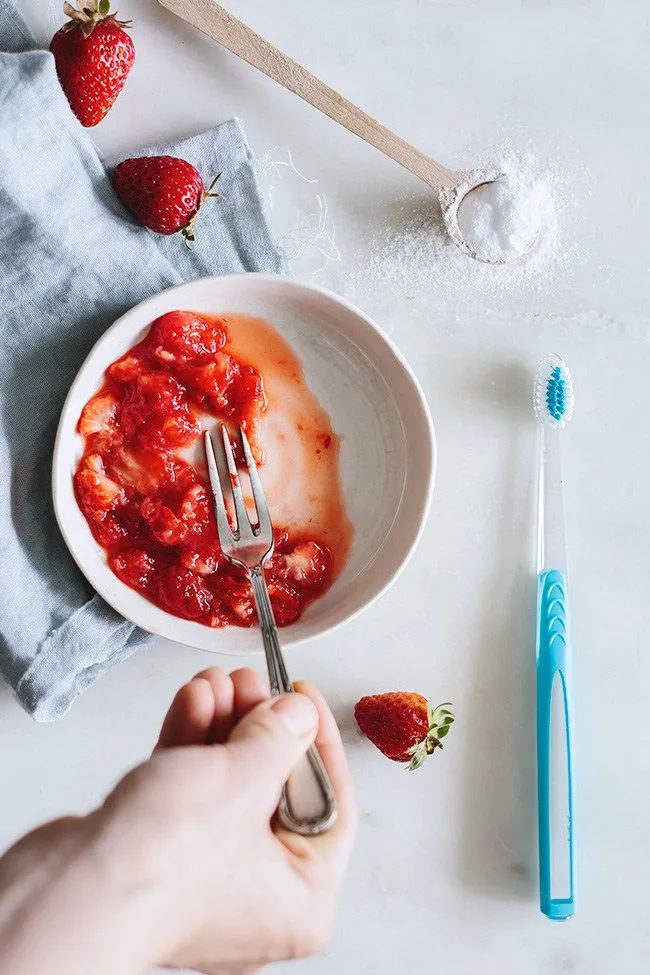
What is Teeth Whitening Home Remedy
Teeth whitening home remedies offer a cost-effective and accessible way to brighten your smile using ingredients readily available in your kitchen or local store. Unlike professional treatments, these methods typically involve natural substances and techniques you can easily incorporate into your daily oral hygiene routine. The appeal lies in their simplicity and the potential to avoid expensive dental procedures. However, it’s crucial to understand the benefits and risks associated with each remedy to ensure safe and effective results. While some remedies may provide noticeable improvements, others might yield subtle changes or pose certain risks to your enamel. Therefore, understanding the mechanisms behind each remedy and how they interact with your teeth is essential before starting any teeth whitening regimen. This knowledge empowers you to make informed decisions about your oral health and maintain a radiant smile without compromising your well-being.
Why Use Home Remedies for Teeth Whitening
Choosing home remedies for teeth whitening presents several advantages, primarily centered around cost, convenience, and accessibility. Professional teeth whitening treatments at a dentist’s office can be expensive, making home remedies a budget-friendly alternative. You can often achieve similar results with common household items, eliminating the need for costly appointments. Additionally, these remedies are readily available, removing the hassle of scheduling consultations and traveling to a clinic. Beyond these practical benefits, home remedies often leverage natural ingredients, appealing to those seeking to avoid harsh chemicals found in some commercial products. The control you have over the ingredients and application allows you to tailor the treatment to your specific needs and sensitivities. However, it is important to be cautious and research each remedy thoroughly before use.
5 Secrets of the Best Teeth Whitening Home Remedy

Discovering the top teeth whitening home remedies requires exploring various options that have been proven effective and safe. These methods harness the power of natural ingredients and techniques to gently lift stains and brighten your smile. This guide unveils five of the best-kept secrets in teeth whitening, each offering a unique approach to achieving a radiant and confident grin. From the time-tested combination of baking soda and hydrogen peroxide to the ancient practice of oil pulling, you’ll discover the secrets to achieving a whiter smile from the comfort of your home. By understanding these secrets and incorporating them into your oral care routine, you can embark on a journey toward a brighter, more confident you.
Secret 1: Baking Soda and Hydrogen Peroxide
Baking soda and hydrogen peroxide form a powerful duo in the realm of teeth whitening home remedies. Baking soda acts as a mild abrasive, gently scrubbing away surface stains, while hydrogen peroxide serves as a bleaching agent, penetrating the enamel to lighten discoloration. This combination is a classic, as it’s easy to find, affordable, and relatively safe when used correctly. The effectiveness of this mixture is largely due to hydrogen peroxide’s ability to oxidize stain molecules, effectively breaking them down and reducing their visibility. The baking soda assists in this process by creating a slightly alkaline environment, which is conducive to hydrogen peroxide’s whitening action. Together, they provide a simple yet effective solution for achieving a brighter smile over time. However, it is essential to use this remedy with caution to avoid damaging the enamel.
How to use Baking Soda and Hydrogen Peroxide
Using baking soda and hydrogen peroxide is simple and straightforward. Mix a small amount of baking soda (about one teaspoon) with hydrogen peroxide to form a paste. Use enough hydrogen peroxide to create a thick, brushable consistency. Gently brush your teeth with this paste for about two minutes, using circular motions. Rinse your mouth thoroughly with water after brushing. It is important not to swallow any of the paste. This mixture should be used no more than once or twice a week to avoid over-abrasion of the enamel. Overuse can lead to increased sensitivity and potential damage to the teeth. If you experience any discomfort or increased sensitivity, discontinue use immediately. Always consult with a dentist for personalized advice, especially if you have sensitive teeth or pre-existing dental conditions.
Benefits and Risks

The benefits of using baking soda and hydrogen peroxide include their accessibility and cost-effectiveness. They are widely available and considerably cheaper than professional whitening treatments. Moreover, the combination can effectively remove surface stains, leading to a noticeable improvement in the brightness of your teeth. However, there are potential risks. Overuse can erode the enamel, leading to increased sensitivity, and a higher risk of cavities. It’s crucial to use this method sparingly and avoid excessive pressure when brushing. Some individuals may also experience gum irritation. If you have sensitive teeth, this remedy may not be suitable. Consultation with a dentist is highly recommended to determine if this is a safe and appropriate whitening option for your specific needs.
Secret 2: Coconut Oil Pulling
Coconut oil pulling is an ancient Ayurvedic practice gaining popularity for its potential teeth whitening and oral health benefits. The concept involves swishing coconut oil in your mouth for an extended period, typically 15-20 minutes, to remove bacteria, toxins, and plaque. Coconut oil is rich in lauric acid, known for its antimicrobial properties, which can help reduce the bacteria that cause plaque, gingivitis, and bad breath. By removing these harmful elements, oil pulling can contribute to a naturally whiter smile and improved overall oral hygiene. The action of swishing also stimulates saliva production, which further helps cleanse the mouth. While the whitening effects may be subtle, consistent practice can lead to a noticeable improvement in the brightness of your teeth.
How to do Coconut Oil Pulling for Teeth Whitening
To perform coconut oil pulling, take about one to two tablespoons of coconut oil and swish it around in your mouth for 15-20 minutes. It’s important to swish the oil gently, ensuring it reaches all areas of your mouth, including between your teeth. After swishing, spit the oil into a trash can, as it can clog drains. Rinse your mouth with water and brush your teeth as usual. The best time to do oil pulling is in the morning before eating or drinking anything. Consistent practice is key; aim to do it daily for best results. Be patient, as the effects are gradual, and it might take several weeks or months to see significant changes in the whiteness of your teeth. Remember, oil pulling should be part of a complete oral hygiene routine, including regular brushing and flossing.
Benefits of Oil Pulling

The benefits of coconut oil pulling extend beyond teeth whitening; it supports overall oral health. The antimicrobial properties of coconut oil help reduce plaque and bacteria, contributing to fresher breath and healthier gums. Some users report reduced gum inflammation and improved symptoms of gingivitis. Oil pulling is a natural and gentle method, free from harsh chemicals. Additionally, the practice may contribute to detoxification by removing harmful bacteria and toxins from the mouth. It can also help moisturize the mouth, reducing dryness and promoting saliva production, which aids in natural cleansing. The practice is a great addition to your oral hygiene routine. However, it’s crucial to remember that oil pulling is not a substitute for brushing, flossing, or regular dental checkups.
Secret 3: Activated Charcoal
Activated charcoal has become a popular teeth whitening home remedy, primarily because of its ability to absorb stains. Unlike regular charcoal, activated charcoal has been processed to increase its porosity, allowing it to bind to stain-causing compounds on the teeth’s surface. The premise is that as you brush with activated charcoal, it effectively removes these stains, leading to a brighter appearance. It is important to use activated charcoal that is designed for dental use to ensure safety and effectiveness. Many people find it a simple and natural alternative to commercial teeth whitening products. The dark color of activated charcoal can initially be surprising, but the results are often noticeable with consistent use.
How to Use Activated Charcoal
To use activated charcoal, wet your toothbrush and dip it into the charcoal powder. Brush your teeth gently for about two minutes, making sure to cover all surfaces. Rinse your mouth thoroughly with water, and then brush your teeth again with regular toothpaste to remove any remaining charcoal residue. Use activated charcoal once or twice a week. Be aware that activated charcoal can be messy, so it’s best to do this over a sink that is easy to clean. The key is to be gentle, avoid excessive pressure, and not overdo the treatments to prevent potential damage to the enamel. After the initial use, you might notice a significant difference. Always follow up your treatment with a good brush with toothpaste.
Benefits and Safety

The potential benefits of activated charcoal include stain removal and a brighter smile. Many users report significant improvements in tooth whiteness after a short time. It’s a natural and relatively inexpensive option compared to professional whitening treatments. However, the safety of activated charcoal for teeth whitening remains a subject of debate. Some experts are concerned about its abrasiveness, which could wear down enamel over time, leading to increased sensitivity and other dental issues. Therefore, using it in moderation and with gentle brushing is essential. Consult with your dentist about the safety of using activated charcoal, especially if you have pre-existing dental conditions or sensitive teeth. Consider it a supplemental option, not a replacement for standard dental practices.
Secret 4: Apple Cider Vinegar
Apple cider vinegar (ACV) is a versatile product used in various home remedies, including teeth whitening. ACV contains acetic acid, which can help remove stains and plaque from teeth. The acid works by breaking down the buildup on the enamel’s surface. The purported benefits include a brighter smile and improved oral hygiene. However, it is essential to approach the use of ACV cautiously, as its acidic nature can pose certain risks to dental health. This remedy should be considered a supplemental treatment and not a complete method of cleaning. Proper use is essential to maximize benefits while minimizing potential harm. It is essential to do your research, and consider that there is no concrete evidence to fully endorse this remedy.
How to Use Apple Cider Vinegar
To use apple cider vinegar for teeth whitening, dilute it with water before use. You can create a mouthwash by mixing one part ACV with two parts water. Swish this solution around in your mouth for about 30 seconds, and then rinse thoroughly with plain water. Another method involves dipping your toothbrush in the diluted ACV and brushing gently for about a minute. Always rinse your mouth with water afterward and follow up with your regular brushing routine with toothpaste. Do not use ACV undiluted, as it can damage your enamel. Limit the frequency of ACV use to once or twice a week, as frequent exposure to acid can erode the enamel. Consult your dentist before using this remedy to ensure it is appropriate for your specific needs and dental health.
Benefits and Risks

The benefits of using apple cider vinegar for teeth whitening include its potential to remove stains and plaque. It may also help kill bacteria in the mouth, contributing to fresher breath and improved oral health. However, there are significant risks to consider. The acidity of ACV can erode tooth enamel, leading to increased sensitivity, cavities, and other dental problems. Overuse can cause permanent damage. If you experience any discomfort or increased sensitivity, discontinue use immediately. If you want to use it, make sure to use it in moderation and always dilute it with water. It is best to consult with your dentist about the safety of using ACV, especially if you have sensitive teeth or pre-existing dental conditions.
Secret 5: Lemon or Orange Peels
Lemon and orange peels contain citric acid, which has a natural bleaching effect that can help remove surface stains and brighten teeth. The idea is that the acidity in the peels helps to dissolve stain buildup. This method is often used because it is easy, utilizing a readily available item. The citrus fruits have other beneficial properties, but it’s essential to balance the benefits with the potential risks to your enamel and overall oral health. Therefore, it is important to understand how to use citrus peels safely to achieve the best results. Keep in mind, this is not a proven teeth whitening technique; therefore, you should consider consulting with your dentist before trying it.
How to Use Citrus Peels
To use lemon or orange peels, rub the inside of the peel directly onto your teeth for about two minutes. The fleshy side of the peel is typically used, as it contains the highest concentration of the active ingredients. After rubbing your teeth with the peel, rinse your mouth thoroughly with water. Some people suggest following up with a regular brushing routine with toothpaste. Avoid using this method too frequently, as the high acidity can erode tooth enamel. Once or twice a week is usually sufficient. It is best to avoid rubbing it on your gums directly, as it could irritate them. The key is to use citrus peels in moderation and with caution.
Benefits and Cautions

The potential benefits of using lemon or orange peels for teeth whitening include stain removal and a brighter smile. The citric acid in the peels can help break down and remove surface stains, leading to a noticeable improvement in the whiteness of your teeth. However, the high acidity of citrus fruits poses several risks. Frequent use can erode tooth enamel, leading to increased sensitivity, cavities, and other dental problems. If you experience any discomfort or increased sensitivity, discontinue use immediately. To mitigate the risks, it is best to use this method sparingly, rinse your mouth thoroughly after use, and brush your teeth with toothpaste. If you want to incorporate citrus peels into your routine, consult your dentist.
Conclusion About Teeth Whitening Home Remedy
Teeth whitening home remedies offer a range of options to brighten your smile, with varying degrees of effectiveness and safety. While methods like baking soda and hydrogen peroxide, activated charcoal, and coconut oil pulling can be beneficial, they also come with certain risks. Always prioritize the health of your teeth and enamel above all else. For those considering using home remedies, thorough research and consulting with a dentist is essential. By weighing the pros and cons and following safe practices, you can maximize the potential for a whiter smile while minimizing the risks. Remember that these remedies often work gradually, and results can vary depending on individual factors. A brighter smile is achievable with the right approach, combining home remedies with professional advice.