Understanding Teeth Whitening Homemade Paste
Achieving a brighter smile doesn’t always require expensive professional treatments. Teeth whitening homemade paste offers a budget-friendly and accessible alternative, allowing you to brighten your teeth using ingredients commonly found in your kitchen. This guide will walk you through the process, from understanding the benefits to creating and using your own teeth whitening paste safely and effectively. DIY teeth whitening can be a convenient way to boost your confidence and enhance your smile, but it’s crucial to approach it with knowledge and caution.
Benefits of DIY Teeth Whitening
The advantages of using a teeth whitening homemade paste are numerous. Firstly, it’s a cost-effective solution compared to professional whitening treatments or over-the-counter products. Secondly, you have complete control over the ingredients, allowing you to avoid harsh chemicals and customize the paste to your needs and preferences. DIY teeth whitening also allows for easy accessibility, as the necessary ingredients are typically readily available. This empowers you to take charge of your oral health and brighten your smile on your own terms. Remember, however, that consistency is key to seeing noticeable results, and patience is essential.
Cost-Effectiveness and Accessibility

One of the primary draws of DIY teeth whitening is its affordability. The ingredients required, such as baking soda, coconut oil, and turmeric, are inexpensive and readily available at most grocery stores. This contrasts sharply with the high cost of professional whitening treatments or the ongoing expense of over-the-counter whitening strips and gels. Furthermore, the ease of access makes it a convenient option for anyone looking to brighten their smile. You can whip up a batch of whitening paste at home, anytime, without the need for appointments or special purchases, making teeth whitening a part of your daily routine.
Ingredients to Avoid in Your Paste
While homemade teeth whitening pastes can be beneficial, it’s important to be aware of ingredients to avoid. Harsh abrasives can damage tooth enamel, leading to increased sensitivity and potential long-term dental issues. Avoid ingredients like coarse salt, lemon juice, or any substance that feels excessively gritty. These can wear away the enamel over time, making your teeth more susceptible to stains and decay. Always research the ingredients you use and ensure they are safe for dental application. Consulting with your dentist before starting any new teeth whitening routine is always a wise choice.
Essential Ingredients for Teeth Whitening Paste
Creating an effective teeth whitening homemade paste relies on selecting the right ingredients. Choosing ingredients with natural whitening properties and ensuring they are safe for your teeth is crucial. The following ingredients are commonly used and have shown to be effective in gently removing stains and brightening teeth. Always use high-quality ingredients and follow recommended ratios to maximize results while minimizing risks. Remember that individual results may vary, and it’s essential to listen to your body and stop using the paste if you experience any discomfort or sensitivity.
Baking Soda

Baking soda, also known as sodium bicarbonate, is a mild abrasive that helps to scrub away surface stains on teeth. It has natural whitening properties and can effectively remove plaque and tartar buildup. Baking soda is a readily available and inexpensive ingredient. Its slightly alkaline nature also helps to neutralize acids in the mouth, which can contribute to tooth decay. When using baking soda, it’s essential to use it in moderation, as excessive use can potentially erode enamel. Always mix it with other ingredients to create a paste that is not too abrasive, thus minimizing the risks.
Hydrogen Peroxide
Hydrogen peroxide is a common bleaching agent used in many teeth whitening products. It helps to oxidize the stains on your teeth, breaking them down and making them appear whiter. When used in a homemade paste, it should be used in very low concentrations (typically 3%) to avoid damaging the enamel or irritating the gums. Always be cautious when using hydrogen peroxide, and never swallow it. If you experience any sensitivity or discomfort, discontinue use immediately. Combining hydrogen peroxide with other ingredients, such as baking soda, can enhance its whitening effects, but always prioritize safety and consult your dentist if needed.
Coconut Oil
Coconut oil is a natural antimicrobial agent that can help to reduce bacteria in the mouth and promote oral health. It also has a mild whitening effect and can help to remove surface stains. Coconut oil acts as a binding agent in homemade toothpaste, helping to create a smooth and effective paste. Its pleasant taste also makes the teeth whitening experience more enjoyable. Furthermore, coconut oil is known for its anti-inflammatory properties, which can help soothe the gums. When selecting coconut oil, opt for extra virgin, organic varieties to ensure the highest quality and avoid additives. It’s also a good idea to consult your dentist before including coconut oil in your routine, especially if you have any existing dental issues.
Turmeric

Turmeric, a vibrant yellow spice, contains curcumin, which has anti-inflammatory and antioxidant properties. Turmeric is also known for its ability to help whiten teeth. While turmeric can stain surfaces, it’s believed to have a gentle whitening effect when used in teeth whitening pastes. It’s important to note that turmeric can be messy, so use it carefully to avoid staining clothes or surfaces. When using turmeric, make sure to brush thoroughly to remove any residue. Like other DIY teeth whitening methods, it’s crucial to approach turmeric with caution, and to consult a dental professional before incorporating it into your routine.
How to Make Teeth Whitening Paste Step-by-Step
Making your own teeth whitening paste is a straightforward process. There are various recipes you can try, each utilizing different combinations of the key ingredients. The following are popular recipes that are easy to make at home. Ensure that you thoroughly research the ingredients and understand the correct proportions before mixing. Store your homemade paste in an airtight container and always use clean utensils to prevent contamination. If you experience any unusual symptoms such as sensitivity, discontinue use and consult your dentist.
Baking Soda and Hydrogen Peroxide Paste
To create a baking soda and hydrogen peroxide paste, mix one tablespoon of baking soda with two tablespoons of 3% hydrogen peroxide. Mix them into a smooth paste. You can adjust the amounts based on your needs. If the paste is too thick, add a little more hydrogen peroxide; if too thin, add more baking soda. Use this paste twice a week. Always brush gently for two minutes and rinse your mouth thoroughly. Do not swallow the paste. Ensure that you carefully control the amounts of hydrogen peroxide used, and watch for signs of any sensitivity. If you experience irritation, rinse your mouth and discontinue use.
Coconut Oil and Baking Soda Paste

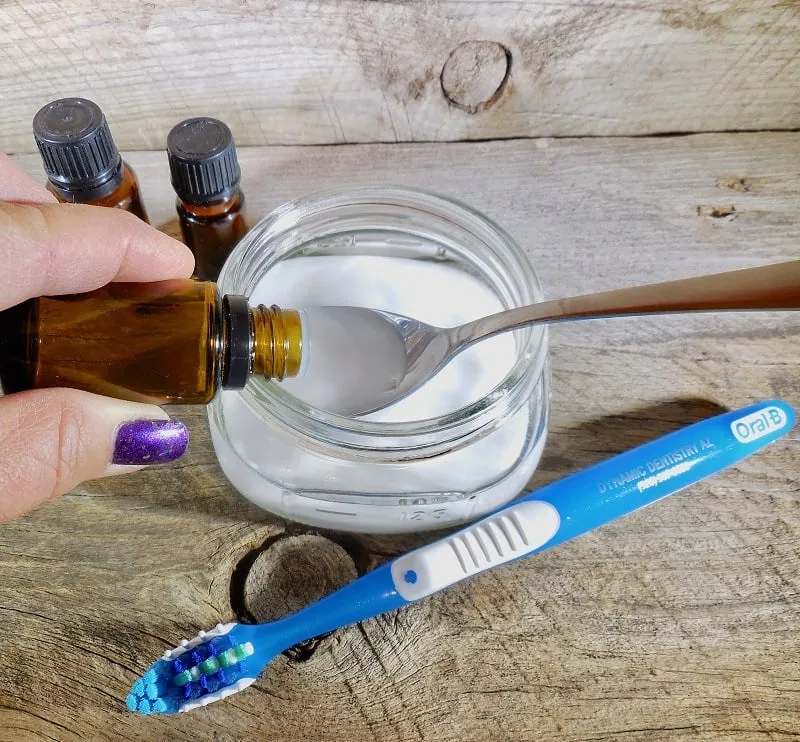
Combine two tablespoons of coconut oil with one tablespoon of baking soda. Mix them until a smooth paste forms. Add a few drops of your favorite essential oil (like peppermint) for flavor. This paste is a gentler option that is suitable for daily use. Brush your teeth for two minutes, ensuring you cover all surfaces. Rinse your mouth thoroughly with water. This combination harnesses the natural benefits of coconut oil and baking soda for effective, gentle teeth whitening and improved oral health. Remember to store the paste in an airtight container to preserve its freshness and effectiveness.
Turmeric and Coconut Oil Paste
Mix equal parts of turmeric powder and coconut oil (e.g., one teaspoon each). Mix until a smooth paste forms. You can add a few drops of peppermint essential oil for added flavor and benefits. Use this paste once or twice a week. Brush your teeth gently for two minutes, and rinse your mouth thoroughly. The turmeric can temporarily stain the toothbrush, so it is a good idea to use a separate brush. This paste offers anti-inflammatory properties and a gentle whitening effect. Be cautious, and make sure to brush your teeth well to remove all traces of turmeric.
Application and Usage Guide
Correct application and regular use are vital to achieving the best results from your teeth whitening homemade paste. The right brushing techniques and frequency of use will help you maximize the effectiveness of the paste. Remember that consistent, gentle brushing is more effective than aggressive scrubbing. It is also important to be mindful of any potential side effects and take steps to mitigate them. It’s a good idea to establish a routine and incorporate teeth whitening into your existing oral hygiene regimen for optimal results.
Proper Brushing Techniques

When using a teeth whitening homemade paste, always brush gently. Use a soft-bristled toothbrush and apply gentle pressure. Brush in a circular motion to ensure all surfaces of your teeth are cleaned. Brushing too hard can damage enamel and lead to increased sensitivity. Brush for at least two minutes, making sure to reach all areas of your mouth. Rinse your mouth thoroughly after brushing to remove any remaining paste. Gentle but thorough brushing will help maximize the effectiveness of the paste and minimize the risk of damage to your teeth and gums. Also, remember to floss and use mouthwash for a complete oral hygiene routine.
Frequency of Use
The frequency of use for your teeth whitening homemade paste will depend on the ingredients you are using and the sensitivity of your teeth. Start by using the paste once or twice a week and gradually increase frequency as needed. Avoid overusing the paste, as this can lead to enamel erosion and increased sensitivity. Monitor your teeth and gums for any signs of irritation, such as redness, swelling, or increased sensitivity to temperature changes. If you notice any adverse effects, reduce the frequency of use or discontinue use altogether. Listen to your body and adjust your routine accordingly. Consulting with a dentist will give you further clarity on your teeth’s needs.
Potential Side Effects
While teeth whitening homemade paste can be a safe and effective option, it’s important to be aware of the potential side effects. These may include increased tooth sensitivity, gum irritation, and enamel erosion. If you experience increased sensitivity or discomfort, stop using the paste immediately and consult your dentist. Overuse of abrasive ingredients, such as baking soda, can erode enamel over time, leading to long-term dental issues. Monitor your gums for signs of irritation, such as redness, swelling, or bleeding. If you have any existing dental issues, it’s especially important to consult with your dentist before using any homemade teeth whitening treatments.
Maintaining Your White Smile

Once you’ve achieved your desired level of whiteness with a teeth whitening homemade paste, it is important to maintain the results. Maintaining your bright smile includes following a healthy diet, practicing consistent oral hygiene, and visiting your dentist regularly. These steps will help keep your teeth healthy and prevent future discoloration. Remember that maintaining a white smile is an ongoing process. By adopting good habits and staying consistent with your oral care routine, you can enjoy a brighter smile for years to come. Your dedication to oral health will pay off in terms of both appearance and overall health.
Dietary Considerations
The foods and drinks you consume can significantly impact the color of your teeth. Certain foods and drinks are more prone to causing stains. Limit your intake of coffee, tea, red wine, and dark-colored berries. These beverages and foods contain chromogens, which can attach to the tooth enamel and cause discoloration. Consuming these foods and drinks in moderation or using a straw can minimize contact with your teeth. Maintaining a balanced diet rich in fruits and vegetables can help keep your teeth healthy and bright. Consider including foods with natural teeth-whitening properties, such as apples, celery, and strawberries, in your diet. Remember that maintaining a healthy diet is a crucial aspect of your overall oral health.
Regular Dental Check-ups
Regular dental check-ups are essential for maintaining a healthy, bright smile. Your dentist can assess your oral health and provide professional cleaning and whitening treatments, which can complement your DIY efforts. During check-ups, your dentist can identify and address any potential dental issues, such as cavities, gum disease, and enamel erosion. These professional cleanings will help remove surface stains and plaque, keeping your teeth looking their best. Regular check-ups also allow your dentist to monitor the impact of your teeth whitening homemade paste and provide personalized advice. Schedule dental visits at least twice a year to maintain your oral health. Your dentist is your best ally when it comes to ensuring your smile remains healthy and radiant.
Conclusion
Teeth whitening homemade paste is a practical and cost-effective method for brightening your smile. By understanding the ingredients, following the step-by-step guides, and adopting the right application techniques, you can safely achieve a whiter smile at home. Remember to choose the right ingredients, use the paste correctly, and be aware of potential side effects. Incorporate these tips into your oral hygiene routine, and you will be on your way to a brighter, more confident smile. By combining home treatments with professional care and a healthy lifestyle, you can ensure your smile stays bright and healthy for years. Prioritize your oral health, and enjoy the benefits of a beautiful, radiant smile.