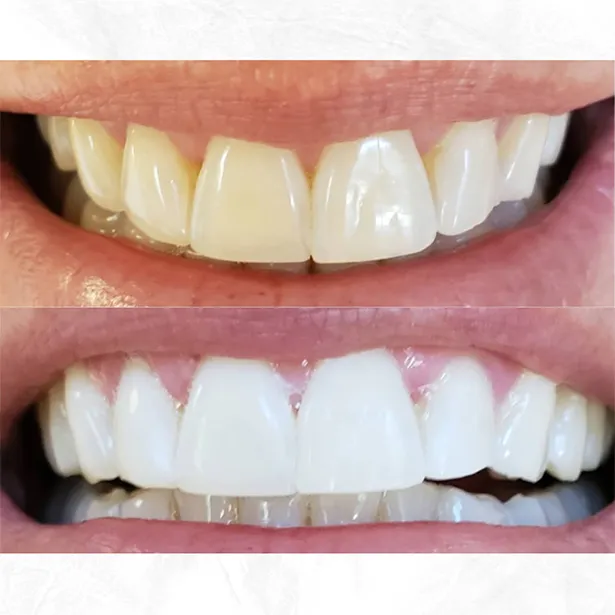
Understanding Teeth Whitening
Teeth whitening has become an increasingly popular cosmetic procedure, and for good reason. A bright, white smile is often associated with youth, health, and confidence. It can significantly enhance your appearance and boost your self-esteem. Teeth whitening involves various methods to lighten the color of your teeth, reducing discoloration and stains. This process can dramatically improve the aesthetic of your smile, making it a highly sought-after treatment in the field of cosmetic dentistry. Whether it’s removing stains from coffee, tea, or simply addressing natural discoloration, teeth whitening offers a relatively simple way to achieve a more radiant and appealing smile. The advancements in teeth whitening technologies have made it safer, more effective, and accessible than ever before, leading to its widespread adoption and continuous evolution.
What is Teeth Whitening
Teeth whitening, also known as teeth bleaching, is a cosmetic dental procedure designed to lighten the shade of your teeth. It works by using bleaching agents, typically containing hydrogen peroxide or carbamide peroxide, to break down stains and discoloration on and within the tooth enamel. The process is effective because these agents penetrate the enamel and react with the staining molecules, causing them to become colorless. It is important to understand that teeth whitening is most effective on natural teeth and may not work as well on dental work such as crowns, veneers, and fillings. The goal is to achieve a brighter, more uniform color across all visible teeth. The effectiveness of the procedure depends on the type of staining, the concentration of the bleaching agent, and the duration of the treatment.
Types of Teeth Whitening Procedures

Teeth whitening procedures come in several forms, each catering to different needs and preferences. The choice often depends on the desired level of whitening, budget, and convenience. Both at-home and professional treatments have their unique advantages and disadvantages. Some people prefer the comfort of whitening their teeth in their own home, while others prefer the assurance and supervision of a dental professional. Understanding the differences between these methods is crucial for making an informed decision and achieving the best possible results for a dazzling smile. This variety in treatments ensures that there’s an option available for almost everyone looking to enhance their smile.
At-Home Teeth Whitening Options
At-home teeth whitening options are readily available and offer a convenient way to brighten your smile. These typically include whitening toothpaste, over-the-counter whitening strips, and custom-fitted trays with bleaching gel. Whitening toothpastes contain mild abrasives and chemicals that help remove surface stains. Whitening strips are thin, flexible strips coated with a peroxide-based whitening agent that you apply directly to your teeth. Custom trays, which are often prescribed by a dentist, provide a more controlled application of the bleaching gel. While at-home options are generally less potent than professional treatments, they can still produce noticeable results over time. It’s essential to follow the instructions carefully and be mindful of potential side effects such as tooth sensitivity.
Professional Teeth Whitening Treatments
Professional teeth whitening treatments are performed by dentists and offer the most effective and quickest results. These treatments often involve a higher concentration of bleaching agents and may use a special light or laser to accelerate the whitening process. In-office whitening can dramatically brighten your teeth in a single session, making it an excellent choice for those seeking immediate results. Your dentist will usually protect your gums and soft tissues before applying the whitening agent. The process is carefully monitored to minimize any risks or side effects. Professional treatments can address both surface stains and deeper discoloration, providing a more comprehensive and longer-lasting effect. These procedures are often more expensive, but the results are usually significantly more dramatic.
Benefits of Teeth Whitening

The benefits of teeth whitening extend beyond mere aesthetics. A brighter smile can significantly improve your self-esteem and confidence, leading to positive social interactions and a more optimistic outlook. It can make you feel more comfortable and self-assured in both personal and professional settings. Many people report feeling younger and more attractive after teeth whitening. Moreover, a whiter smile can motivate you to maintain good oral hygiene habits. Seeing the results of the whitening process can encourage you to brush and floss regularly and to avoid habits that can stain your teeth, such as smoking or drinking coffee excessively. This, in turn, benefits your overall oral health.
The Teeth Whitening Process
The teeth whitening process varies depending on whether you opt for an at-home or professional treatment. However, both approaches generally involve similar steps aimed at achieving the desired results. Understanding what to expect can help you feel more prepared and comfortable throughout the process. This includes the initial assessment by a dentist, the steps involved in the whitening procedure itself, and the necessary aftercare to maintain your bright smile. Proper preparation, combined with adherence to the instructions, will maximize the effectiveness and longevity of the whitening treatment.
Initial Consultation and Assessment
Before starting any teeth whitening treatment, a thorough consultation and assessment are essential. If you choose a professional treatment, your dentist will examine your teeth and gums to ensure you are a suitable candidate for the procedure. They will check for existing dental work, such as fillings, crowns, or veneers, as these will not whiten with the bleaching agent. The dentist will also assess the cause and type of staining, determine the appropriate whitening method, and discuss your expectations and desired outcome. This step involves taking photos of your teeth to track the progress and compare before-and-after results. During this initial consultation, the dentist will address any concerns, answer your questions, and provide personalized recommendations based on your specific needs.
The Whitening Procedure Steps

The steps involved in the teeth whitening procedure vary depending on the type of treatment. For professional in-office whitening, the dentist will first clean your teeth to remove any surface plaque or debris. A protective barrier is then applied to your gums and soft tissues to prevent irritation from the bleaching agent. The whitening agent, typically a high-concentration hydrogen peroxide gel, is applied to the teeth. A special light or laser may be used to accelerate the whitening process. The gel is left on your teeth for a specified period, and the process may be repeated several times during the session. The dentist will closely monitor your teeth throughout the process to ensure optimal results and minimize any potential side effects. For at-home treatments, the steps involve following the instructions provided with the product, whether it’s using whitening strips or custom trays filled with bleaching gel.
Post-Whitening Care and Maintenance
After undergoing teeth whitening, proper post-whitening care is crucial for maintaining your bright, white smile. This includes following specific dietary guidelines and practicing good oral hygiene. Avoiding foods and beverages that can stain your teeth, such as coffee, tea, red wine, and dark-colored berries, is essential during the first few days after the procedure. Using a whitening toothpaste and a soft-bristled toothbrush will help maintain the brightness and gently remove surface stains. Regular dental check-ups and cleanings are also necessary to keep your teeth healthy and white. Your dentist may recommend specific products or treatments to help prolong the effects of the whitening process. Proper maintenance will not only preserve your smile but will also contribute to your overall oral health.
Tips for Maintaining a Bright Smile
Maintaining a bright smile requires consistent effort and attention to your oral hygiene and lifestyle choices. Implementing these practices can help you keep your teeth white and healthy for an extended period. This includes making conscious dietary choices, adhering to a regular oral hygiene routine, and scheduling regular dental check-ups. These simple steps can significantly impact the longevity and brilliance of your teeth whitening results. Taking care of your teeth daily will contribute to overall oral health, preventing stains and maintaining the beauty of your smile.
Dietary Considerations

Diet plays a significant role in maintaining a bright smile. Certain foods and drinks can stain your teeth, reversing the effects of teeth whitening. Limit your consumption of coffee, tea, red wine, and dark-colored sodas, as these beverages can lead to discoloration. Avoid or reduce your intake of highly pigmented foods like berries, soy sauce, and curries. Incorporate foods that help naturally clean your teeth, such as crunchy fruits and vegetables like apples and carrots. Drinking water after consuming staining foods and drinks can also help wash away any residue. A balanced diet, with attention to foods that can stain your teeth, will contribute to maintaining a white and radiant smile.
Oral Hygiene Practices
Good oral hygiene is essential for preserving the results of teeth whitening. Brush your teeth at least twice a day for two minutes each time, using a fluoride toothpaste. Floss daily to remove plaque and debris from between your teeth and along the gum line. Consider using a whitening toothpaste to help remove surface stains. Rinse with an antibacterial mouthwash to kill bacteria and freshen your breath. Avoid smoking and using tobacco products, as these can stain your teeth and harm your gums. A comprehensive oral hygiene routine will not only maintain the brightness of your smile but will also promote overall oral health and prevent other dental problems.
Regular Dental Check-ups
Regular dental check-ups and cleanings are crucial for maintaining a bright smile and preventing dental problems. Your dentist will professionally clean your teeth, removing any plaque and tartar that can cause staining and discoloration. They will also examine your teeth for cavities, gum disease, and other oral health issues. Your dentist may recommend additional teeth whitening treatments to touch up your smile and address any new staining. Regular check-ups help catch problems early, allowing for timely intervention and preventing minor issues from becoming major dental concerns. These visits ensure that your teeth remain healthy and vibrant.
Potential Risks and Side Effects

While teeth whitening is generally safe, it is essential to be aware of potential risks and side effects. Understanding these can help you make informed decisions and take appropriate precautions. This includes knowing about common side effects such as tooth sensitivity and gum irritation, as well as other potential complications. While most side effects are temporary and manageable, being informed about them will help you prepare and seek advice from your dentist if necessary. Proper preparation and adherence to the instructions are crucial to minimizing any adverse effects.
Sensitivity and Irritation
Tooth sensitivity is a common side effect of teeth whitening, especially with higher concentrations of bleaching agents. This sensitivity is often temporary, usually subsiding within a few days after treatment. You may experience a sharp, brief pain when consuming hot or cold foods and drinks. Gum irritation, characterized by redness, swelling, or discomfort, is another potential side effect. This can occur if the bleaching agent comes into contact with your gums. Your dentist can provide tips to manage these side effects, such as using toothpaste designed for sensitive teeth or avoiding extreme temperatures in food and beverages. If these issues persist or worsen, it is important to consult your dentist.
Other Potential Complications
In rare cases, other potential complications can arise from teeth whitening. These may include enamel damage, although this is extremely rare when the procedure is performed under professional supervision. Overuse of whitening products can lead to excessive sensitivity or irreversible damage. Allergic reactions to the bleaching agents are possible but not common. The results of teeth whitening are not permanent, and your teeth can revert to their original shade over time if you don’t maintain proper oral hygiene and avoid staining foods and drinks. It’s essential to follow your dentist’s recommendations and take any necessary precautions to ensure the safety and effectiveness of the treatment.