Understanding Teeth Whitening and Baking Soda
The pursuit of a brighter, whiter smile has led many to explore various teeth whitening methods. Among these, baking soda has emerged as a popular and readily accessible option. This article delves into the effectiveness of baking soda for teeth whitening, exploring its scientific basis, benefits, usage, and potential drawbacks. Understanding the principles behind teeth whitening is crucial before adopting any method. Teeth naturally discolor over time due to factors such as aging, genetics, diet, and lifestyle choices like smoking. Whitening treatments aim to remove stains and lighten the enamel’s appearance, restoring its natural brightness. Baking soda, a mild abrasive, is often touted as a simple and affordable solution for achieving a whiter smile. However, its efficacy and safety require careful consideration.
The Science Behind Baking Soda
Baking soda, chemically known as sodium bicarbonate, is a white crystalline powder with numerous household applications. Its effectiveness in teeth whitening stems from its mild abrasive properties. When used on teeth, baking soda helps to scrub away surface stains caused by food, drinks, and tobacco. Additionally, baking soda has a slight alkaline nature, which can help neutralize acids in the mouth. These acids are produced by bacteria and can contribute to enamel erosion and discoloration. The abrasive action of baking soda is gentler compared to many commercial whitening products, reducing the risk of enamel damage when used properly. Understanding these mechanisms is key to evaluating baking soda’s effectiveness and safety for teeth whitening.
How Baking Soda Works on Teeth

Baking soda works primarily through its mild abrasive action. When mixed with water to form a paste, it creates a gritty texture that helps to physically remove surface stains from the teeth. These stains, often caused by pigmented compounds in foods and drinks, accumulate over time and contribute to a dull or yellowed appearance. The abrasive nature of baking soda helps to break down and lift these stains, revealing the underlying enamel’s natural color. Furthermore, the alkaline properties of baking soda can help neutralize acids in the mouth. This is beneficial because acids can erode enamel, making teeth more susceptible to staining and discoloration. By reducing acidity, baking soda can help maintain a healthier oral environment and promote a brighter smile. Proper brushing technique is crucial to maximize these benefits and avoid potential risks.
Benefits of Using Baking Soda for Teeth Whitening
Baking soda presents several advantages for those seeking a whiter smile. Its accessibility and affordability make it an attractive option for individuals seeking cost-effective teeth whitening solutions. Compared to professional treatments or expensive over-the-counter products, baking soda offers a budget-friendly approach. Moreover, it is readily available in most households, eliminating the need for a special trip to the store. When used correctly, baking soda can effectively remove surface stains, leading to a noticeable improvement in the teeth’s appearance. The gentle abrasive action can help to polish the teeth, enhancing their natural brightness. However, it is crucial to acknowledge the potential downsides and use baking soda with caution to avoid any adverse effects.
Cost-Effectiveness
One of the primary advantages of using baking soda for teeth whitening is its cost-effectiveness. Compared to professional teeth whitening treatments, which can be expensive, baking soda offers a budget-friendly alternative. The cost of a box of baking soda is minimal, making it an accessible option for individuals with limited financial resources. Over-the-counter whitening products can also be costly, and their effectiveness varies. Baking soda provides a simple and inexpensive way to potentially brighten your smile. This affordability makes it an attractive option for those looking to improve their teeth’s appearance without breaking the bank. However, it’s important to balance the cost savings with the potential risks and to use baking soda responsibly.
Accessibility and Convenience

Baking soda’s ease of access and use contributes to its popularity as a teeth whitening method. It is a common household item, readily available in most grocery stores and pharmacies. This eliminates the need to search for specialized whitening products or make extra trips to the store. The convenience extends to its application. Mixing baking soda with water to form a paste is a straightforward process that can be easily integrated into your daily oral hygiene routine. Unlike some whitening treatments that require multiple steps or complex procedures, using baking soda is simple and time-efficient. This convenience makes it an appealing choice for individuals seeking a quick and accessible way to brighten their smile at home. It’s a practical option for people with busy lifestyles.
Step-by-Step Guide How to Use Baking Soda for Teeth Whitening
Using baking soda for teeth whitening is a straightforward process, but following the proper steps is essential to ensure safety and effectiveness. Begin by preparing the baking soda paste, then apply it to your teeth using a soft-bristled toothbrush. Proper brushing technique and rinsing are crucial for achieving the desired results. Always remember that moderation is key, and excessive use can lead to potential side effects. Consistency and proper technique are key to seeing results and maintaining good oral health.
Preparing the Baking Soda Paste
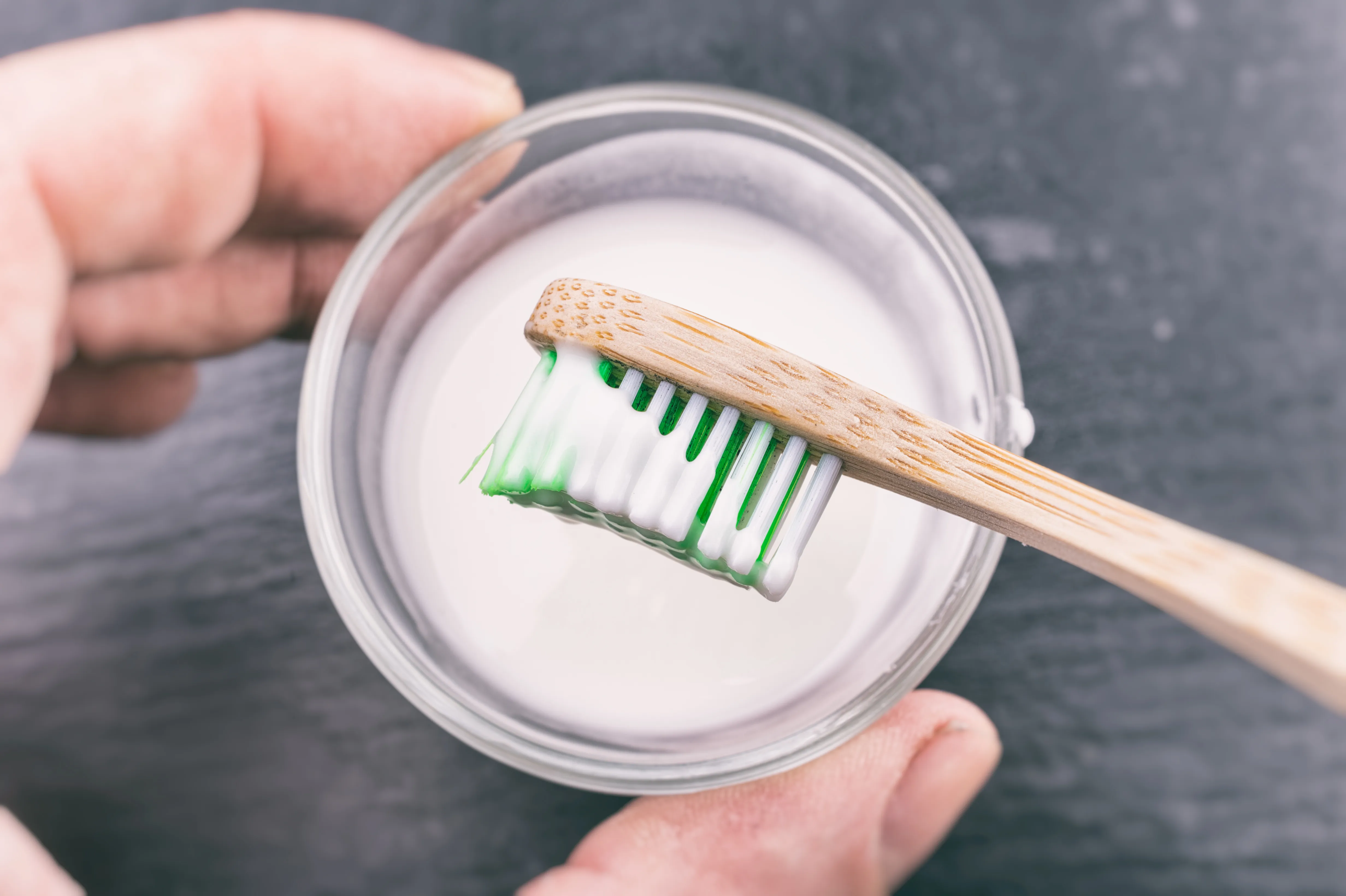
To prepare the baking soda paste, start with a clean, dry container. Add a small amount of baking soda to the container, typically about a teaspoon. Gradually add water, a few drops at a time, and mix until you achieve a paste-like consistency. The paste should not be too runny or too thick; it should have a texture that allows it to adhere to your toothbrush bristles and spread evenly on your teeth. Some people add a small amount of hydrogen peroxide to the paste for enhanced whitening effects, but this is optional and should be done cautiously. Always use fresh baking soda and ensure the container is clean to maintain hygiene. Preparing the paste correctly sets the stage for effective and safe teeth whitening.
Application Techniques

Once the paste is ready, apply it to your toothbrush. Use a soft-bristled toothbrush to minimize the risk of enamel abrasion. Gently brush your teeth with the baking soda paste, using small, circular motions. Focus on each tooth surface, ensuring you reach all areas, including the front, back, and chewing surfaces. Avoid brushing too aggressively, as this can damage the enamel. The recommended brushing time is usually about two minutes, similar to your regular brushing routine. Make sure to cover all teeth to ensure even whitening. Proper application is essential for removing stains and achieving a brighter smile without harming your teeth.
Brushing and Rinsing
After brushing with the baking soda paste, thoroughly rinse your mouth with water. Ensure you remove all traces of the paste from your teeth and gums. You may also choose to use mouthwash after rinsing for added cleanliness and freshness. It’s important to avoid swallowing any of the baking soda mixture. After rinsing, examine your teeth to see if there is a noticeable difference in whiteness. Consistent use, coupled with proper brushing and rinsing techniques, contributes to the effectiveness of baking soda as a teeth whitening agent. Always use a gentle brushing technique to avoid any potential harm to the enamel.
Tips and Precautions
While baking soda can be an effective teeth whitening method, it is crucial to exercise caution and follow specific guidelines to protect your oral health. Overuse can lead to enamel erosion and increased sensitivity. Using baking soda in moderation and understanding the potential risks are key to achieving a brighter smile safely. Regular dental check-ups and professional advice are always recommended to maintain optimal oral health.
Frequency of Use

The frequency of using baking soda for teeth whitening is an important consideration. Dentists typically recommend using baking soda for teeth whitening no more than two to three times per week. Overuse can erode the enamel, leading to increased sensitivity and potential damage. Regular brushing with toothpaste should still be your primary method of oral hygiene, with baking soda used as a supplemental treatment. Monitoring your teeth for any signs of sensitivity or changes in enamel is vital. If you experience any adverse effects, discontinue use and consult with your dentist. Moderation and adherence to these guidelines will help you achieve a whiter smile without compromising your oral health. Consistent use is often needed, but it must be balanced with the health of your teeth.
Potential Side Effects
While baking soda is generally safe when used in moderation, potential side effects should be considered. The abrasive nature of baking soda can cause enamel erosion if used excessively, leading to increased tooth sensitivity and potential damage. Some individuals may experience gum irritation or bleeding, especially if they have sensitive gums or brush too aggressively. In rare cases, prolonged use of baking soda can contribute to the development of cavities due to the weakening of the enamel. If you experience any adverse effects, it is important to discontinue use and consult with your dentist. Regular dental check-ups and proper oral hygiene practices can mitigate these risks.
Alternative Whitening Methods
If you are seeking alternative teeth whitening methods, several options are available. These range from professional treatments offered by dentists to over-the-counter products designed for home use. Each option has its own set of benefits, costs, and potential drawbacks. Understanding the differences between these methods will help you make an informed decision that aligns with your needs and preferences. Consulting with your dentist is highly recommended to determine the most suitable approach for your specific oral health situation. From the gentle approach of baking soda to the more aggressive methods of professional teeth whitening, you can explore different ways to achieve your desired results and maintain optimal oral hygiene.
Professional Teeth Whitening

Professional teeth whitening performed by a dentist is one of the most effective and reliable methods. These treatments typically involve the use of high-concentration bleaching agents, such as hydrogen peroxide, applied to the teeth under controlled conditions. Dentists can customize the treatment to suit individual needs, ensuring maximum effectiveness while minimizing the risk of sensitivity or damage. The process often involves multiple sessions and may include the use of specialized equipment, such as a dental laser, to accelerate the whitening process. Professional teeth whitening offers superior results compared to home remedies or over-the-counter products. However, it is also typically the most expensive option. Regular check-ups and consultations with your dentist are essential to maintain the results and monitor your overall oral health. Your dentist will be able to suggest the best and most professional approach for your teeth whitening.
Over-the-Counter Products
Over-the-counter teeth whitening products provide a convenient alternative for those seeking to brighten their smiles at home. These products come in various forms, including whitening toothpaste, strips, gels, and trays. Whitening toothpastes typically contain mild abrasives and chemicals that help remove surface stains. Whitening strips and gels contain bleaching agents, such as hydrogen peroxide or carbamide peroxide, that can penetrate the enamel to lighten the teeth. While these products are generally safe when used as directed, they may not be as effective as professional treatments. The results can vary depending on the product, the severity of the stains, and individual tooth characteristics. It is important to follow the manufacturer’s instructions and to be aware of potential side effects, such as tooth sensitivity or gum irritation. Consulting with your dentist before using over-the-counter products is always recommended to ensure they are suitable for your oral health.
In conclusion, baking soda can be a helpful tool for teeth whitening due to its mild abrasive properties and accessibility. It can effectively remove surface stains and provide a brighter smile. However, it is essential to use baking soda in moderation to avoid potential side effects, such as enamel erosion and increased sensitivity. Combining baking soda with a regular oral hygiene routine and professional dental care is recommended for the best results and overall oral health. Always consult with your dentist to determine the most appropriate teeth whitening method for your needs and to address any concerns you may have about your oral health. Making informed choices and practicing proper oral hygiene will help you achieve and maintain a healthy and radiant smile.