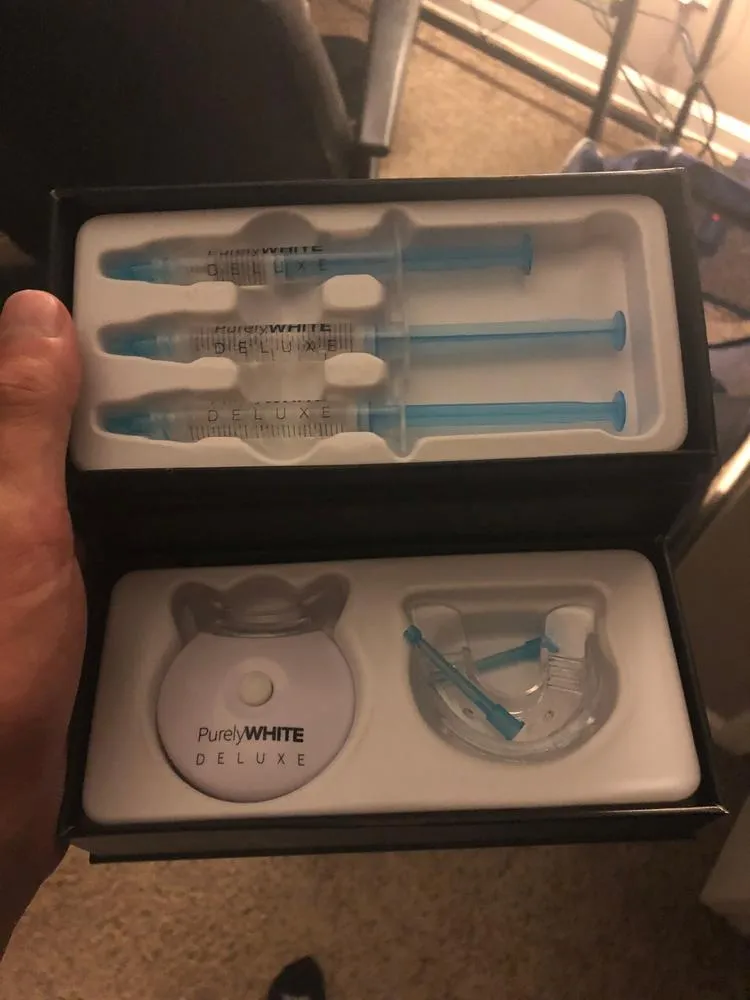
Top 5 Facts About Teeth Whitening Kits
Teeth whitening kits have become increasingly popular for those seeking a brighter, more confident smile. But with so many options available, it’s essential to understand the facts before investing in a kit. From the science behind whitening to the different types of kits and safety considerations, this guide will explore the top 5 facts about teeth whitening kits, empowering you to make an informed decision for your oral health and aesthetic goals. Whether you’re a whitening newbie or seeking an upgrade, learn the essential facts about teeth whitening and unveil the path to a radiant smile.
Fact 1 The Science Behind Whitening
Understanding the science behind teeth whitening is the first step towards achieving optimal results. The effectiveness of any whitening kit hinges on the chemical reactions that occur within the tooth enamel. Whitening agents, typically containing hydrogen peroxide or carbamide peroxide, penetrate the enamel and break down the discolored molecules that cause staining. This process essentially lightens the intrinsic and extrinsic stains, resulting in a visibly whiter smile. Knowing the science equips you to select products that work effectively and safely.
How Whitening Agents Work

Whitening agents work through oxidation. The active ingredient, such as hydrogen peroxide, releases oxygen molecules. These oxygen molecules then react with the stain molecules, breaking the bonds that hold them together. The process effectively neutralizes the discoloration, making the teeth appear whiter. The concentration of the whitening agent and the duration of exposure influence the degree of whitening. This complex interaction is key to the kit’s success.
Types of Whitening Agents
The most common whitening agents are hydrogen peroxide and carbamide peroxide. Hydrogen peroxide is a powerful oxidizing agent available in various concentrations, and carbamide peroxide breaks down into hydrogen peroxide. The concentration of these agents in a teeth whitening kit significantly affects the whitening power and speed. Some kits use lower concentrations for at-home treatments, while professional treatments often utilize higher concentrations for faster, more dramatic results. Understanding the types of whitening agents helps you select a product that suits your needs and preferences.
Fact 2 The Different Types of Kits
Teeth whitening kits come in various forms, each designed for different levels of convenience and effectiveness. Knowing the types of kits available helps you select the one that best aligns with your lifestyle and whitening goals. Whether you prefer the comfort of at-home treatments or the professional precision of in-office procedures, understanding the nuances of each kit type ensures you achieve the results you desire.
At-Home Whitening Kits

At-home whitening kits offer convenience and affordability, making them a popular choice. These kits typically include whitening strips, trays, or pens, along with the whitening agent. Strips are easy to use and adhere directly to the teeth, while trays provide a custom fit, ensuring even coverage. Whitening pens allow for targeted application. The effectiveness of these kits depends on the concentration of the whitening agent and the duration of use, with results generally achieved over a few days or weeks. At-home kits are an excellent option for maintaining whiteness and removing mild stains, providing a convenient and cost-effective solution.
Professional Whitening Kits
Professional whitening kits, administered by a dentist, offer faster and more dramatic results. These kits use higher concentrations of whitening agents and often incorporate special lights or lasers to accelerate the process. The dentist will monitor the process and apply the whitening agent directly to the teeth. Professional whitening is ideal for those seeking significant whitening or addressing stubborn stains. While more expensive than at-home kits, professional treatments offer the expertise and safety of a dental professional, ensuring optimal results and minimizing the risk of potential side effects.
Fact 3 Safety and Effectiveness
The safety and effectiveness of teeth whitening kits should be a top priority. While most kits are safe when used as directed, understanding potential risks and how to minimize them is essential. Choosing a kit that meets safety standards and suits your individual needs is vital for achieving a brighter smile without compromising your oral health. Always consult with your dentist before starting any whitening treatment to ensure it’s appropriate for you.
Potential Side Effects

The most common side effects of teeth whitening are tooth sensitivity and gum irritation. Sensitivity typically occurs during the whitening process and resolves shortly after treatment. Gum irritation can result from the whitening agent contacting the soft tissues. Other potential side effects include changes in the tooth enamel’s mineral content. These side effects are generally temporary and can be mitigated by using a kit as directed, avoiding overuse, and consulting with a dentist. If sensitivity is severe, your dentist may recommend products designed to alleviate it.
How to Minimize Risks
Several measures can minimize the risks associated with teeth whitening. Always follow the instructions provided with the kit, and avoid overusing the product. Using a kit with a lower concentration of whitening agent can reduce sensitivity, or using a desensitizing toothpaste before and during treatment helps mitigate discomfort. If using a tray-based kit, ensure the tray fits properly to prevent the whitening agent from contacting your gums. Regular dental check-ups are recommended before starting any whitening treatment, providing your dentist with the opportunity to assess your teeth and gums. They can also offer guidance and adjust your treatment to minimize potential risks.
Fact 4 Maintaining Your White Smile
Maintaining your newly whitened smile requires consistent effort. Oral hygiene, dietary choices, and regular dental check-ups are crucial for preserving your results. Building these habits ensures your investment in whitening kits lasts and your teeth remain bright and healthy. By incorporating these practices into your daily routine, you can enjoy a confident and radiant smile for years to come.
Best Practices for Oral Hygiene

Optimal oral hygiene is essential for maintaining a white smile. Brushing your teeth at least twice a day for two minutes each time is the foundation of your oral care routine. Flossing daily removes plaque and food particles from between your teeth. Using an antibacterial mouthwash further reduces bacteria and helps prevent staining. Consider using a toothpaste designed to maintain whiteness. Regular dental cleanings and check-ups are also essential to maintain your oral health and remove any surface stains, contributing to the longevity of your white smile.
Foods and Drinks to Avoid
Certain foods and drinks can stain your teeth, diminishing the results of your whitening treatment. Coffee, tea, red wine, and dark sodas are notorious for causing discoloration. Foods like berries, soy sauce, and curry can also stain teeth. Limiting your consumption of these items can help preserve your white smile. If you do consume staining foods and drinks, rinsing your mouth with water or brushing your teeth afterward can help minimize their impact. Being mindful of your diet is an important part of maintaining a bright, white smile.
Fact 5 Choosing the Right Kit for You
Choosing the right teeth whitening kit requires careful consideration of several factors, including your whitening goals, budget, and oral health status. Assessing these elements helps you select a product that effectively delivers the desired results while prioritizing your safety and satisfaction. Reading reviews and seeking professional recommendations further aids in making an informed decision, enabling you to achieve a brighter, more confident smile.
Factors to Consider

When selecting a teeth whitening kit, consider the following factors. Start by determining your whitening goals. Do you want a subtle improvement or a more dramatic change? Then, evaluate your budget; at-home kits are generally more affordable than professional treatments. Assess your oral health, considering factors like existing fillings, crowns, or sensitivity. Check for ADA (American Dental Association) seal of acceptance; this indicates the product has been tested and proven safe and effective. Consider the ease of use, especially if you are looking for a kit you can use consistently. The concentration of the whitening agent also impacts effectiveness and potential side effects; lower concentrations are usually gentler.
Reading Reviews and Recommendations
Reading reviews and seeking recommendations from others can provide valuable insights into the effectiveness and user experience of different teeth whitening kits. Look for reviews that discuss results, ease of use, and any side effects experienced. Check for reviews from various sources to get a balanced perspective. Consult with your dentist or dental hygienist; they can offer personalized recommendations based on your oral health needs. Consider recommendations from friends or family who have used whitening kits and achieved positive results. Reviews and recommendations help you make an informed decision about the best teeth whitening kit for your needs, leading to a brighter, more confident smile.