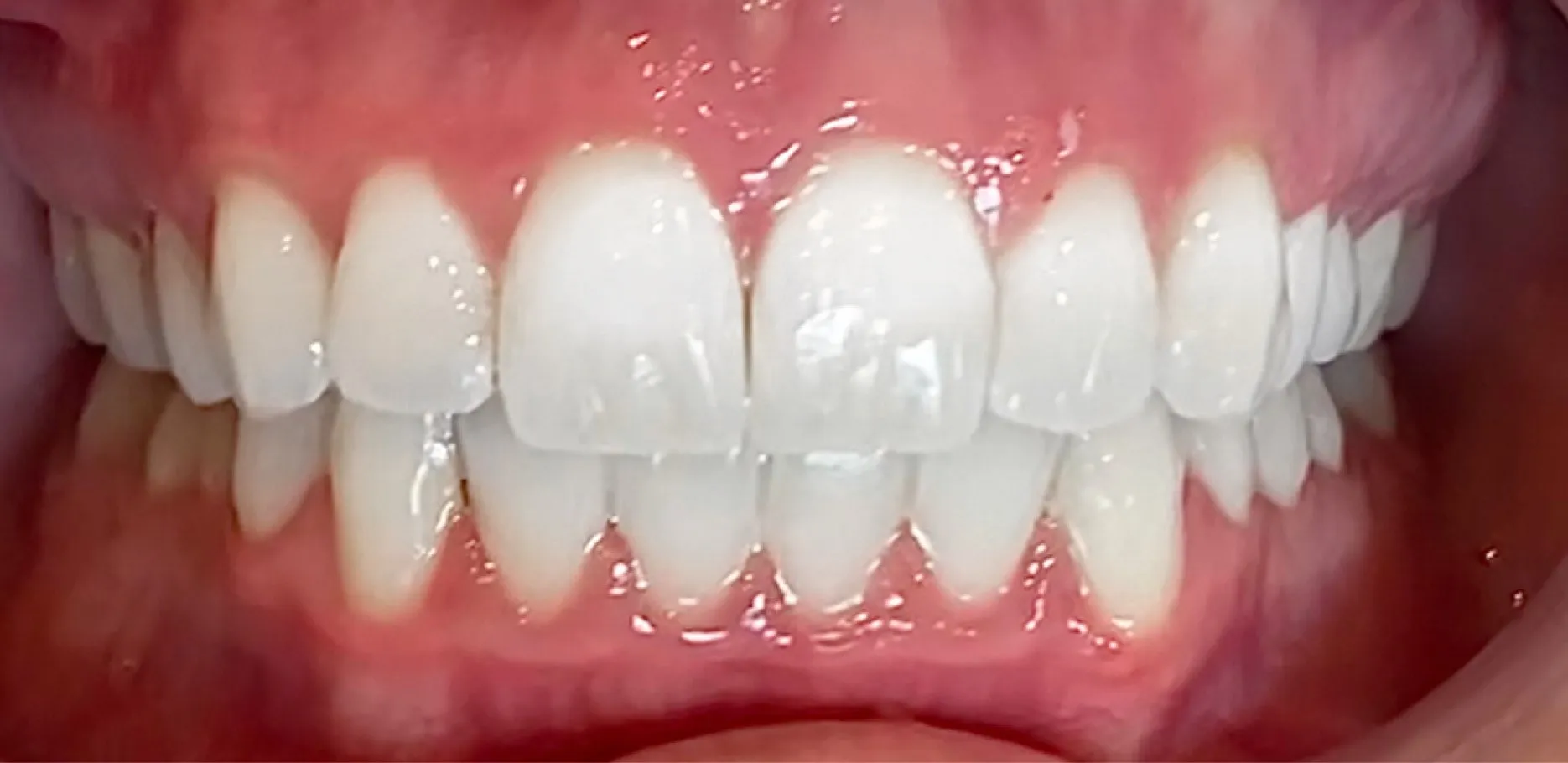
The Ultimate Guide to Teeth Whitening: Lasting Power Top 5 Factors
A dazzling white smile is a confidence booster, and teeth whitening has become a popular cosmetic dental procedure. However, many people wonder how long the results of professional teeth whitening last. The answer isn’t straightforward, as several factors influence the longevity of your brighter smile. This comprehensive guide will explore the top 5 key factors that determine how long your teeth whitening results will last, helping you maintain that pearly white look for as long as possible. Understanding these elements empowers you to make informed decisions and adopt habits that preserve your investment in a radiant smile. From the type of whitening treatment you choose to your daily habits, every aspect plays a crucial role in the lasting power of your teeth whitening.
Understanding Dentist Whitening & Its Duration
Dentist-provided teeth whitening generally offers more dramatic and longer-lasting results than over-the-counter options. The duration of these results can vary significantly. On average, professional teeth whitening can last anywhere from six months to three years. The longevity depends heavily on the specific whitening method used and how well you maintain your oral hygiene and lifestyle habits. The whitening process itself involves the use of stronger bleaching agents, typically containing a higher concentration of hydrogen peroxide, which dentists can apply safely and effectively. This professional approach not only provides superior whitening but also offers the advantage of personalized advice and care, setting the stage for longer-lasting results. Regular dental check-ups and adherence to the dentist’s post-whitening instructions are also critical in maximizing the time your teeth stay bright.
The Role of Whitening Method on Longevity

The method of teeth whitening significantly impacts its lasting power. There are two main types of professional teeth whitening in-office and take-home kits. Each method offers a different approach and duration. In-office whitening, also known as chair-side bleaching, is performed by a dentist in the clinic. It typically involves a high concentration of bleaching agents and can lighten teeth several shades in just one appointment. Take-home kits, on the other hand, use custom-fitted trays and a lower concentration of bleaching agents, and require several weeks of daily application to achieve desired results. The initial intensity of the whitening achieved through in-office treatments often leads to slightly longer-lasting results compared to take-home kits. However, both methods require proper maintenance to extend the whitening effects.
In-Office Whitening vs. Take-Home Kits
In-office whitening often provides immediate and dramatic results. The procedure involves the dentist applying a high-concentration bleaching agent to the teeth. This is often combined with a special light or laser to accelerate the whitening process. The entire procedure typically takes about an hour. Take-home kits, in contrast, offer a more gradual whitening approach. The dentist will create custom-fitted trays for your teeth and provide you with a bleaching gel to use at home. You’ll wear the trays for a specific amount of time each day, as directed by your dentist, usually for a few weeks. While in-office whitening provides quicker results, both methods can yield successful outcomes depending on your needs, preferences and how committed you are to follow-up care. Your dentist will help you determine the best method for your specific situation.
Professional Whitening Treatments Unveiled
Beyond in-office and take-home kits, professional whitening treatments also include options like internal bleaching, especially for teeth that have undergone root canal therapy and have discolored internally. Another option involves using porcelain veneers or dental bonding to cover stained teeth, offering a permanent whitening solution. The longevity of these treatments varies. Veneers can last for several years with proper care, while internal bleaching may require periodic touch-ups. The choice of treatment depends on the nature of the staining, the patient’s expectations, and the dentist’s recommendations. Consultation with a dentist is crucial to determine which professional whitening treatment best suits your needs and desired outcome, and to understand the associated maintenance and upkeep requirements.
The Impact of Lifestyle Choices

Your lifestyle habits play a significant role in how long your teeth whitening results last. Certain habits can accelerate the staining process, leading to a shorter duration of your bright smile. The consumption of staining foods and drinks, smoking, and poor oral hygiene are all significant factors. Being mindful of these habits and making necessary adjustments can dramatically extend the time your teeth remain white. This means making conscious choices about what you eat, drink, and the importance of maintaining a regular oral hygiene routine. Simple changes can make a huge difference in preserving your investment in a dazzling smile and enjoying the benefits of your teeth whitening treatment for longer.
Dietary Habits & Stain-Causing Foods
Certain foods and beverages are notorious for staining teeth. Coffee, tea, red wine, and dark-colored sodas are among the primary culprits. These drinks contain chromogens, which are pigment-producing substances that can easily stain tooth enamel. In addition, highly pigmented foods such as berries, curries, and soy sauce can also contribute to staining. Avoiding or minimizing the consumption of these items can help prevent discoloration and extend the life of your whitening results. When consuming these staining foods and beverages, rinsing your mouth with water immediately afterward or brushing your teeth can also help reduce the staining effect. A balanced diet and mindful eating habits are crucial for maintaining a bright smile.
Oral Hygiene: A Key to Maintaining Whiteness
Excellent oral hygiene is fundamental to preserving the results of teeth whitening. Consistent and thorough brushing, flossing, and regular dental check-ups are essential. These habits help remove surface stains, prevent plaque buildup, and maintain overall oral health. Neglecting oral hygiene can lead to the accumulation of stains and plaque, diminishing the effects of whitening and potentially leading to other dental problems. Investing time and effort in your daily oral care routine directly contributes to the longevity of your bright, white smile and your overall health. A proactive approach to oral hygiene can significantly enhance the lasting power of your whitening treatments.
Brushing & Flossing Techniques

Proper brushing and flossing techniques are crucial in maintaining your teeth’s whiteness. Brush your teeth at least twice a day, for two minutes each time, using a soft-bristled toothbrush and fluoride toothpaste. Use gentle, circular motions to clean all surfaces of your teeth, including the front, back, and chewing surfaces. Flossing daily is equally important, as it removes plaque and food particles from between your teeth and along the gum line, areas that brushing alone cannot reach. Consistent and thorough flossing helps prevent the build-up of stains in these hard-to-reach areas. Consider using an electric toothbrush for more effective plaque removal. These techniques are essential for sustaining the brightness of your teeth.
Regular Dental Check-ups and Cleanings
Regular dental check-ups and professional cleanings are indispensable for maintaining your bright smile. During your check-ups, the dentist will assess the overall health of your teeth and gums, identify any potential issues, and provide personalized advice. Professional cleanings remove plaque and tartar buildup that brushing and flossing alone cannot eliminate, thus preventing stains. These cleanings also polish the teeth, removing surface stains and enhancing the whitening effect. Regular visits, typically every six months, allow your dentist to monitor the effectiveness of your oral hygiene and provide recommendations for maintenance, ensuring that your teeth remain healthy and white for an extended period.
Maintenance and Touch-Up Treatments
To prolong the results of your teeth whitening, maintenance and touch-up treatments are often necessary. These can include using whitening toothpaste, over-the-counter whitening strips, or professional touch-up sessions with your dentist. Your dentist can provide custom-fitted trays and whitening gel for at-home use, allowing you to periodically refresh your smile. The frequency of these touch-up treatments depends on your lifestyle habits and the initial whitening method used. By staying proactive and following your dentist’s recommendations for ongoing care, you can keep your teeth looking their best. Regular maintenance not only keeps your smile bright, but also reinforces your commitment to excellent oral health.
Extending Your Bright Smile’s Lifespan

To extend the lifespan of your whitening results, it’s crucial to adopt and maintain a consistent oral care routine and be mindful of your lifestyle choices. This includes regularly brushing and flossing your teeth, avoiding or limiting stain-causing foods and drinks, and scheduling periodic touch-up treatments with your dentist as needed. Consider using a straw when consuming staining beverages, and rinse your mouth with water after meals to help minimize staining. By taking these steps, you can enjoy the benefits of your teeth whitening treatment for a longer period, maintaining a dazzling and confident smile. A proactive approach to oral health is key to long-lasting results.
Products & Procedures for Long-Lasting Results
Several products and procedures can enhance the longevity of your teeth whitening. Whitening toothpastes and mouthwashes containing mild bleaching agents can help remove surface stains and maintain brightness. Your dentist may recommend custom-fitted trays for at-home touch-up treatments to refresh your results periodically. In some cases, dental veneers or bonding may be considered for a more permanent solution, especially if the staining is significant or resistant to other treatments. Consulting with your dentist can help you determine the most appropriate options for your needs and desired outcome. Combining professional treatments with a diligent home care routine ensures the best results and extends the life of your bright, white smile.
Whitening Toothpastes & Mouthwashes
Whitening toothpastes and mouthwashes are beneficial additions to your oral hygiene routine. These products typically contain mild abrasives or bleaching agents, such as hydrogen peroxide, to help remove surface stains and maintain the brightness of your teeth. They are a convenient way to supplement your regular brushing and flossing. However, it’s important to choose these products carefully, opting for those with fluoride to protect enamel and prevent tooth sensitivity. While these products can help, they are not as effective as professional treatments. Using them consistently, as part of a comprehensive oral care plan, helps maintain and prolong the results of your whitening treatment. Always follow the directions and consult your dentist for recommendations that are appropriate for your specific needs.
Conclusion

Maintaining a bright, white smile after teeth whitening requires a comprehensive approach that combines professional treatments, diligent oral hygiene, and mindful lifestyle choices. By understanding the factors that affect the longevity of your whitening results and implementing the strategies outlined in this guide, you can enjoy a radiant smile for an extended period. Remember that consistency is key, and regular dental check-ups, along with touch-up treatments, are essential for preserving your investment in a beautiful, confident smile. By taking proactive steps, you’ll be able to confidently flash that dazzling smile for years to come, knowing you’ve done everything possible to maintain its brilliance.