Understanding Teeth Whitening and Safety
Achieving a brighter smile is a common goal, and teeth whitening has become a popular cosmetic procedure. However, with the increasing number of options available, it’s essential to prioritize safety alongside effectiveness. This article delves into the world of safe teeth whitening using home remedies, providing you with the knowledge to brighten your smile without compromising your dental health. We’ll explore various natural methods, their benefits, and the precautions you should take. This guide ensures you can make informed decisions and choose the best approach for your needs, leading to a confident and healthy smile. Remember that your dental health is paramount, and any whitening method should be approached with care and understanding.
What is Teeth Whitening
Teeth whitening is a cosmetic dental procedure designed to lighten the shade of your teeth, reducing discoloration and stains. These stains can result from various factors, including the consumption of coffee, tea, wine, and tobacco, as well as aging and certain medications. Whitening treatments work by using bleaching agents, typically hydrogen peroxide or carbamide peroxide, to break down the stain molecules. These agents penetrate the enamel and dentin of the teeth, causing a chemical reaction that lightens the color. There are various methods for teeth whitening, including professional treatments performed by dentists, over-the-counter products like whitening strips and toothpastes, and home remedies. Each method has its own advantages and disadvantages regarding effectiveness, safety, and cost.
Why is Safety Important for Teeth Whitening

Safety in teeth whitening is crucial to protect your oral health. Improper use of whitening agents can lead to several adverse effects, including tooth sensitivity, gum irritation, and enamel damage. Tooth sensitivity occurs when the whitening agents penetrate the enamel and reach the underlying dentin, which contains nerve endings. Gum irritation can manifest as redness, swelling, and discomfort, often caused by contact with concentrated bleaching solutions. Enamel damage is a more severe risk, as it can weaken the tooth structure, making it more susceptible to decay and other dental problems. Always consult with a dentist before starting any teeth whitening treatment. They can assess your oral health, identify any existing issues, and recommend a safe and effective approach that suits your individual needs.
Home Remedy for Teeth Whitening
Home remedies for teeth whitening offer a natural and often more affordable alternative to professional treatments. While these methods may be gentler, it’s essential to approach them with caution and realistic expectations. The effectiveness of home remedies can vary, and they might not produce the dramatic results of professional treatments. The primary advantage of home remedies is their accessibility and the use of natural ingredients, which may reduce the risk of certain side effects. Always research and understand the potential risks and benefits before trying a home remedy. A dentist can provide guidance and advice on the safest and most effective way to brighten your smile. Before using any home remedies, a dentist will assess your oral health and rule out any underlying conditions that might be worsened by these treatments.
Baking Soda for Safe Teeth Whitening
Baking soda (sodium bicarbonate) is a mild abrasive that can help remove surface stains from teeth, contributing to a whitening effect. It’s a common ingredient in many toothpaste formulations due to its cleaning properties. While generally safe when used sparingly, excessive use of baking soda can potentially damage tooth enamel. Baking soda works by gently scrubbing away stains. This action is effective against common stains like coffee and tea. Because it’s a mild abrasive, it is important to use baking soda with caution to avoid damaging the enamel. Using baking soda is a safe way to improve your smile, but like any teeth whitening method, use it with care and moderation.
How to Use Baking Soda

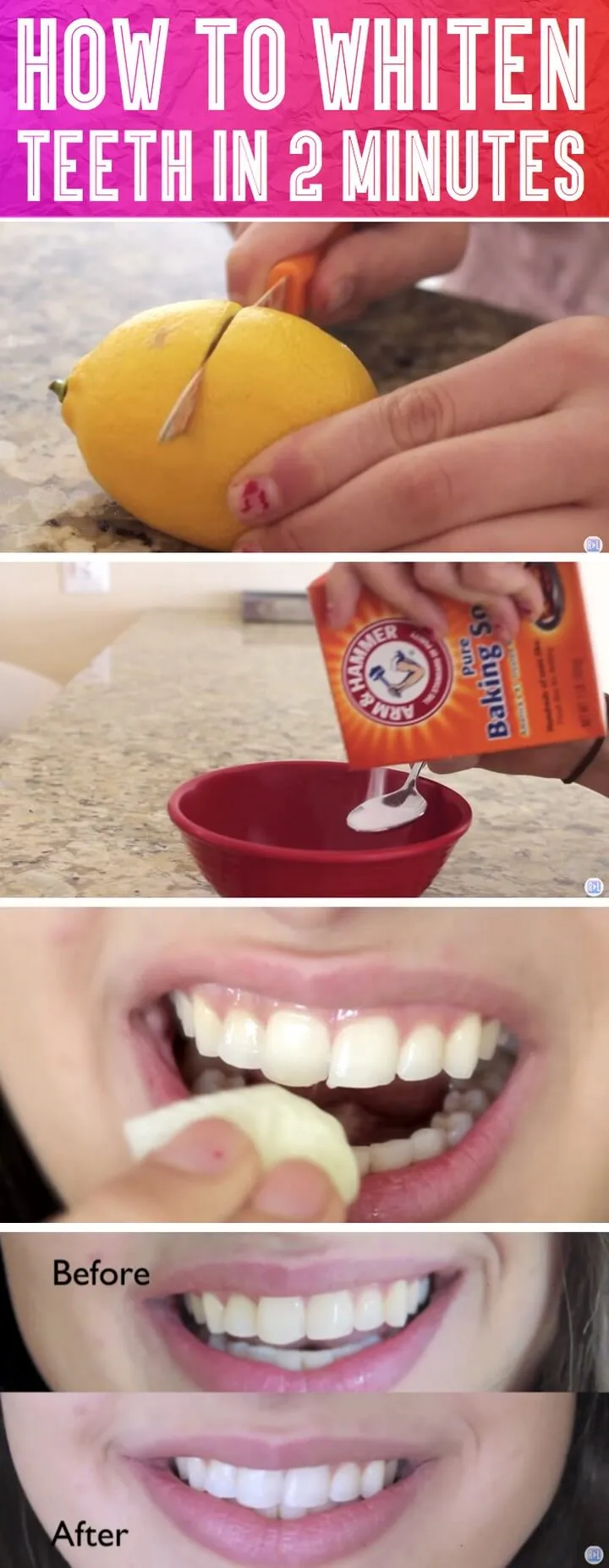
To use baking soda for teeth whitening, mix a small amount (about a teaspoon) with water to create a paste. Apply this paste to your toothbrush and gently brush your teeth for about two minutes. Rinse thoroughly with water afterward. It is important not to brush too vigorously, as this can damage the enamel. Many people combine baking soda with other ingredients, such as lemon juice. However, it is important to be aware of the potential risks, such as increased sensitivity. If you experience any discomfort or sensitivity, discontinue use immediately and consult with a dentist. Use baking soda once or twice a week, as excessive use can wear down enamel. Baking soda can be a useful way to get a whiter smile if used correctly.
Benefits of Baking Soda
The primary benefit of baking soda is its ability to remove surface stains, leading to a brighter smile. It’s a readily available and affordable option, making it accessible for those seeking a natural whitening solution. Baking soda also helps to neutralize acids in the mouth, which can reduce the risk of tooth decay. It can also help freshen breath by combating odor-causing bacteria. Using baking soda as part of your oral hygiene routine is a simple way to improve your oral health. Because it is readily available and inexpensive, it is an affordable way to get your teeth whitened at home. When used moderately, baking soda can be a safe way to get a brighter smile. It is one of the most widely available natural teeth whitening options.
Coconut Oil Pulling for Safe Teeth Whitening
Coconut oil pulling is an ancient Ayurvedic practice believed to detoxify the mouth and improve oral hygiene. It involves swishing a tablespoon of coconut oil in your mouth for 15–20 minutes, followed by spitting it out and rinsing with water. The oil is thought to draw out bacteria, toxins, and debris from the mouth, potentially contributing to whiter teeth and fresher breath. Coconut oil contains lauric acid, which has antimicrobial properties that can help fight plaque and bacteria. While research on the teeth-whitening benefits of oil pulling is limited, many people report noticing a subtle improvement in the shade of their teeth. This method is generally considered safe, but it’s important to follow the proper technique.
How to Do Coconut Oil Pulling

To perform coconut oil pulling, start with a tablespoon of coconut oil. Swish the oil in your mouth for 15–20 minutes, making sure to move it around to reach all areas of your mouth. Do not swallow the oil, as it will be full of bacteria and toxins. After swishing, spit the oil into a trash can to avoid clogging your sink. Rinse your mouth thoroughly with warm water and brush your teeth as usual. It’s best to do oil pulling on an empty stomach, ideally first thing in the morning. Consistency is key; for best results, aim to do oil pulling daily or several times a week. Proper technique is essential to ensure it’s effective and safe, and it is a very natural and safe method to achieve a healthier and brighter smile.
Benefits of Coconut Oil Pulling
The primary benefits of coconut oil pulling include improved oral hygiene and potentially whiter teeth. It can help reduce plaque and bacteria in the mouth, leading to fresher breath and a lower risk of gum disease. Coconut oil also moisturizes the mouth and can soothe dry or irritated tissues. Many people find oil pulling a relaxing and enjoyable part of their oral care routine. While the teeth-whitening effects may be subtle, regular oil pulling can contribute to a healthier and more radiant smile. Because coconut oil is natural and does not contain chemicals, it is a very safe alternative to other methods. Along with its teeth whitening abilities, coconut oil is great for overall oral health, making it a great option for improving overall hygiene.
Hydrogen Peroxide for Teeth Whitening
Hydrogen peroxide is a bleaching agent commonly used in professional teeth-whitening treatments. It works by oxidizing the stain molecules on the teeth, leading to a lighter shade. While it can be effective, it’s essential to use hydrogen peroxide with caution, as it can cause tooth sensitivity and gum irritation if used improperly. Over-the-counter whitening products often contain lower concentrations of hydrogen peroxide, making them safer for home use. However, it’s important to follow the product instructions carefully and avoid overuse. High concentrations of hydrogen peroxide should only be used under the supervision of a dentist. Hydrogen peroxide can be a powerful agent, but safety is paramount to minimize risks and achieve good results.
How to Use Hydrogen Peroxide

When using hydrogen peroxide for teeth whitening, start with a low concentration, typically 3%. You can mix hydrogen peroxide with baking soda to create a paste, and apply it to your teeth. Brush your teeth with this paste for about two minutes, then rinse thoroughly. Alternatively, you can use hydrogen peroxide as a mouthwash by swishing a small amount in your mouth for about a minute, then rinsing. Be careful not to swallow the solution. Use hydrogen peroxide sparingly, ideally once or twice a week, to minimize the risk of sensitivity or irritation. Always consult with a dentist before using hydrogen peroxide. They can advise you on the appropriate concentration and usage to fit your needs. They can also ensure you are using it correctly.
Benefits of Hydrogen Peroxide
The primary benefit of hydrogen peroxide is its ability to effectively whiten teeth by breaking down stain molecules. It is a readily available option, and many over-the-counter whitening products contain hydrogen peroxide as an active ingredient. It also has antibacterial properties, helping to kill bacteria in the mouth. Hydrogen peroxide can provide noticeable results in a relatively short amount of time. However, the benefits should be weighed against the potential risks, such as increased sensitivity. To ensure that you can achieve positive effects, you should always consult a dentist before using hydrogen peroxide. This is very important, as hydrogen peroxide can lead to negative health issues if not used properly.
Lemon Juice for Teeth Whitening
Lemon juice is a natural bleaching agent due to its high citric acid content. Some people use lemon juice in combination with baking soda for teeth whitening. However, using lemon juice directly on teeth can be risky, as its acidity can erode enamel and increase the risk of tooth decay and sensitivity. Therefore, it’s generally not recommended to use lemon juice on its own for teeth whitening. If you choose to use lemon juice, it should be diluted with water, and used very sparingly. Always rinse your mouth thoroughly with water afterward to neutralize the acid. Be aware of the risks, and it’s best to consult with a dentist before trying this method. Proper dental hygiene is very important in preventing decay and other teeth-related issues.
How to Use Lemon Juice

If you choose to use lemon juice for teeth whitening, it’s crucial to dilute it significantly with water. You can create a mixture of lemon juice and water, dip a cotton swab in it, and apply it to your teeth for a very short period. You can also mix lemon juice with baking soda to create a paste. Do not leave the mixture on your teeth for longer than a minute or two, as the acidity can damage your enamel. Rinse your mouth thoroughly with water after use to neutralize the acid. Due to the potential risks, it is recommended to use lemon juice as a teeth whitening treatment sparingly, or to avoid it altogether. A dentist can provide safer and more effective whitening solutions. The use of lemon juice requires caution, and should only be used after thorough consultation.
Benefits and Risks of Lemon Juice
The main benefit of lemon juice is its potential to lighten teeth due to its citric acid content. However, the risks associated with its use far outweigh the benefits. The high acidity of lemon juice can erode tooth enamel, making teeth more susceptible to decay, sensitivity, and staining. Enamel erosion is irreversible and can lead to more serious dental problems. The risks associated with using lemon juice make it an unreliable teeth whitening solution. A dentist can recommend safer and more effective alternatives. If you are experiencing any discomfort, you should contact a dentist immediately. Choosing safer alternatives is essential for maintaining healthy teeth and a bright smile. Dental hygiene should be taken very seriously to prevent future health problems.
Turmeric for Teeth Whitening
Turmeric is a spice with anti-inflammatory and antioxidant properties, and it’s increasingly popular for home remedies, including teeth whitening. Turmeric is believed to help remove surface stains and brighten teeth. It is a natural and gentle option, and generally considered safe when used properly. Turmeric’s yellow pigment can temporarily stain teeth, so it is important to use it with caution. Despite its potential benefits, the effectiveness of turmeric for teeth whitening has not been scientifically proven. Always consult with a dentist before trying turmeric, or any other home remedy, to ensure it is appropriate for your individual needs. Safe practices can help maintain your oral health, and reduce the chances of needing more invasive procedures in the future.
How to Use Turmeric

To use turmeric for teeth whitening, mix a small amount of turmeric powder with water or coconut oil to create a paste. Apply the paste to your toothbrush and gently brush your teeth for about two minutes. Rinse thoroughly with water afterward. It is essential to be patient and consistent, as results may take some time to appear. You can also mix turmeric with baking soda. However, it is important to use turmeric regularly to maintain the teeth whitening effects. It is a very effective method. Be aware that turmeric can stain your toothbrush and clothing, so use caution when applying. Due to its yellow pigment, some people may experience temporary staining. The key to getting your smile back is to keep up with a good oral health routine.
Benefits of Turmeric
Turmeric has several potential benefits beyond teeth whitening. It is known for its anti-inflammatory and antioxidant properties, which can improve overall oral health. It can also help to remove surface stains, leading to a brighter smile. Turmeric is a natural and readily available option, making it an attractive choice for those seeking a home remedy. Some users also report that turmeric helps to freshen breath. While the effectiveness of turmeric for teeth whitening is still being studied, it is generally considered a safe and gentle option. However, you should always consult with a dentist before trying it, to ensure it is appropriate for you. The key to oral health is to make sure you consult with a dentist before trying any remedies.
Conclusion
Achieving a brighter smile through safe home remedies is possible, but it’s essential to prioritize your oral health and approach these methods with caution. While options like baking soda, coconut oil pulling, hydrogen peroxide, turmeric, and lemon juice offer different approaches to teeth whitening, each has potential benefits and risks. It is crucial to understand these aspects and to consult with a dentist before starting any treatment. By following the guidelines and advice provided by your dentist, you can make informed decisions and choose the best approach for your specific needs. This can lead to a confident smile. Remember that maintaining good oral hygiene, including regular brushing, flossing, and dental check-ups, is fundamental to achieving and maintaining a healthy, radiant smile. Prioritizing your dental health is always the best way to get your smile and confidence back.