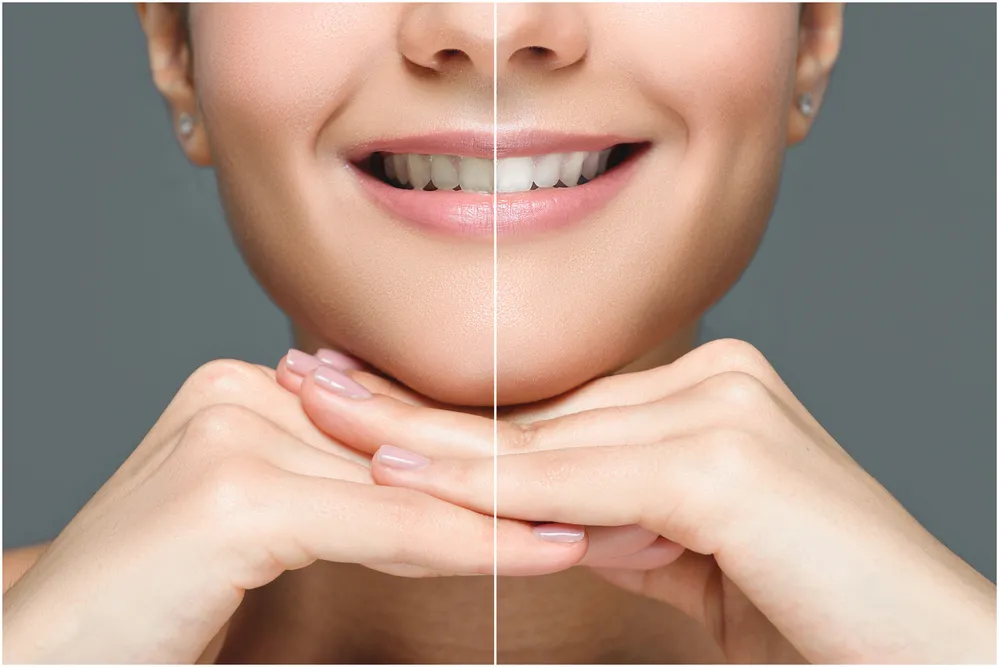
Understanding Teeth Whitening
Teeth whitening has become increasingly popular as people strive for a brighter, more youthful smile. Understanding the process and the available methods is crucial for making informed decisions about your oral health. This article delves into the secrets of teeth whitening, exploring five proven methods to help you achieve a dazzling smile. From professional treatments to at-home solutions, we’ll uncover the science behind these techniques and guide you through the best options for your needs. Proper teeth whitening can significantly boost your confidence and improve your overall appearance. Before embarking on any whitening journey, it is important to understand the basics, the types of methods available, and the risks involved to ensure the best possible outcome.
What is Teeth Whitening?
Teeth whitening, also known as teeth bleaching, is a cosmetic dental procedure designed to lighten the shade of your teeth. This process involves removing stains and discoloration that can accumulate over time due to various factors, including food, drinks, tobacco use, and aging. The primary goal of teeth whitening is to enhance the aesthetic appearance of your teeth, giving you a more confident smile. The procedures work by using bleaching agents to penetrate the enamel and dentin of the teeth, breaking down the stain molecules. The effectiveness of the whitening process depends on the type of stains, the concentration of the bleaching agent, and the duration of the treatment. Teeth whitening does not change the inherent shade of your teeth but rather removes the surface stains. This makes your teeth appear whiter and brighter.
Types of Teeth Whitening

There are several types of teeth whitening options available, each with its own advantages and disadvantages. These methods can generally be categorized into two main types: professional and at-home treatments. Professional treatments are administered by a dentist in a clinical setting. These treatments often involve higher concentrations of bleaching agents and can yield faster results. At-home methods, on the other hand, include over-the-counter products like whitening toothpastes, strips, and gels. The choice of method depends on individual needs, the degree of discoloration, and personal preferences. Consulting with a dentist can help determine the most suitable teeth whitening option. The dentist will assess your oral health and discuss the expected outcomes and potential side effects of each treatment to make sure the process will benefit you.
Professional Teeth Whitening
Professional teeth whitening offers a highly effective and controlled way to achieve a brighter smile. Performed by a dental professional, these procedures use potent bleaching agents to deliver quick and noticeable results. This method ensures the safety and effectiveness of the treatment, minimizing the risks of potential side effects. With professional whitening, the dentist can carefully monitor the process and adjust the treatment as needed. This professional oversight helps to guarantee a safe and successful outcome. The benefits of professional teeth whitening include faster results, greater effectiveness, and the expertise of a trained dental professional. This can offer peace of mind and the best possible whitening experience, customized to your specific needs.
In-Office Whitening Procedures
In-office teeth whitening procedures typically involve the application of a high-concentration bleaching gel to the teeth. The dentist will first protect the gums and soft tissues around the teeth to prevent irritation. The whitening gel is then applied and often activated by a special light or laser to accelerate the whitening process. This procedure can be completed in a single visit, lasting from one to two hours. The dentist can closely monitor the progress and make adjustments as needed. This immediate, professional approach offers significant advantages for those seeking rapid and dramatic results. After the procedure, patients may experience some tooth sensitivity, which usually subsides within a few days. The immediate impact and professional care make in-office whitening a popular choice for many.
Cost and Effectiveness of Professional Whitening

Professional teeth whitening is generally more expensive than at-home methods, but it often yields superior results. The cost varies depending on the location, the dentist’s fees, and the specific treatment used. The effectiveness of professional whitening is high, with most patients experiencing significant improvement in the brightness of their teeth. However, the results can vary based on individual factors, such as the type and severity of stains. The treatment’s longevity also depends on habits such as diet and oral hygiene. Investing in professional teeth whitening can provide a noticeable and long-lasting improvement, providing a brighter and healthier smile. The benefits of professional whitening often outweigh the cost for those looking for the most effective and safest teeth whitening option.
At-Home Teeth Whitening Methods
At-home teeth whitening methods offer a convenient and cost-effective way to brighten your smile. These methods typically involve over-the-counter products that you can use in the comfort of your home. While at-home options may not be as potent as professional treatments, they can still deliver noticeable results over time. It is important to follow the instructions carefully and be patient, as the process usually takes longer. At-home whitening provides flexibility and ease of use, making it an attractive option for many individuals. Before starting any at-home whitening regimen, it is always recommended to consult with your dentist to ensure it is appropriate for your specific needs and oral health condition.
Whitening Toothpastes
Whitening toothpastes are a popular and readily accessible option for teeth whitening. These toothpastes contain mild abrasives or chemical agents that help remove surface stains. They are designed to gently polish the teeth, making them appear brighter. While whitening toothpastes can improve the appearance of your teeth, they typically do not change the underlying color of the teeth. The effectiveness of whitening toothpastes varies, and they may take several weeks or months to show noticeable results. Regular use of whitening toothpastes can help maintain a brighter smile and prevent new stains from forming. It is essential to choose toothpastes that are approved by dental organizations and to use them as directed to avoid damaging the enamel of the teeth.
Whitening Strips and Gels

Whitening strips and gels are another common at-home method. These products contain a bleaching agent, usually hydrogen peroxide, and are applied directly to the teeth. Whitening strips are thin, flexible strips coated with the whitening agent. They are easy to apply and fit comfortably over the teeth. Whitening gels can be applied using a custom-fitted tray or directly with an applicator. Results vary depending on the product, the concentration of the bleaching agent, and the duration of use. Generally, whitening strips and gels can produce noticeable results within a few weeks of regular use. It is crucial to follow the product instructions carefully to avoid potential side effects, such as tooth sensitivity or gum irritation. Always consult with a dentist before starting any new teeth whitening treatment to ensure it is safe and effective.
DIY Teeth Whitening
DIY teeth whitening methods involve using household ingredients to lighten the teeth. These methods are often less expensive than commercial products, but they may not be as effective. It is also essential to consider the potential risks associated with these methods. Some DIY methods can be abrasive or irritating to the teeth and gums. Always research and understand the potential consequences before trying a new DIY teeth whitening approach. If you have any concerns about DIY methods, consult your dentist. A professional assessment can help determine the safest and most appropriate methods for your specific dental condition. DIY teeth whitening should be approached with caution, prioritizing safety and effectiveness.
Baking Soda and Hydrogen Peroxide
One of the most common DIY methods involves using a mixture of baking soda and hydrogen peroxide. Baking soda acts as a mild abrasive, helping to remove surface stains. Hydrogen peroxide is a mild bleaching agent that can help lighten the teeth. To use this method, mix a small amount of baking soda with hydrogen peroxide to form a paste. Apply the paste to your teeth and leave it on for a short period before rinsing. While this method can help remove some stains, it is not as effective as professional treatments. The overuse of baking soda can damage the enamel of your teeth, leading to increased sensitivity. It is crucial to use this method sparingly and always consult with a dentist before starting. Be aware of the risks associated and make sure to prioritize oral health.
Effectiveness and Risks

The effectiveness of DIY teeth whitening methods varies. Some methods may provide minor improvements in teeth brightness, while others may not produce noticeable results. The risks associated with these methods can be significant. Some DIY ingredients can erode the enamel, leading to increased tooth sensitivity and a higher risk of cavities. The gums can also be irritated by certain substances, leading to inflammation and discomfort. Always use these methods cautiously, and consult a dentist to assess your oral health and discuss the potential risks. Professional treatments are generally safer and more effective. They can offer the best results while minimizing the potential for harm. Prioritizing oral health is crucial when considering any teeth whitening procedure.
Maintaining Your Whitened Smile
Maintaining a bright, white smile requires ongoing care and attention. The results of teeth whitening treatments are not permanent, and the teeth will eventually darken again over time. The longevity of the whitening effect depends on various factors, including lifestyle habits, oral hygiene, and dietary choices. By following the right care practices, you can prolong the effects of your whitening treatment and maintain a beautiful smile for longer. Regular dental check-ups, proper oral hygiene, and avoiding stain-causing foods and drinks are key to keeping your teeth white and healthy. With consistent effort, you can preserve your bright smile and avoid the need for frequent re-treatments.
Dietary Considerations
Dietary choices play a significant role in maintaining a white smile. Certain foods and beverages contain pigments that can stain the teeth, leading to discoloration. Limiting or avoiding these items can help prevent new stains from forming. The most common stain-causing foods and drinks include coffee, tea, red wine, dark sodas, and berries. Foods with strong colors, such as curries and soy sauce, can also contribute to staining. Brushing your teeth after consuming these items can help remove the stains before they set in. Drinking water throughout the day can also help wash away food particles and prevent stains. Making conscious dietary choices is essential for keeping your teeth bright and protecting your investment in teeth whitening.
Oral Hygiene Practices

Proper oral hygiene is fundamental for maintaining a bright, healthy smile. Brushing your teeth at least twice a day with a fluoride toothpaste helps to remove plaque and prevent the buildup of stains. Flossing daily removes food particles and bacteria from between the teeth and along the gum line. This helps to prevent gum disease and maintain the overall health of the mouth. Using an antimicrobial mouthwash can also help to kill bacteria and reduce staining. Regular dental check-ups and professional cleanings are essential for maintaining a bright smile. The dentist can remove any stubborn stains that cannot be removed through brushing and flossing. Consistent oral hygiene practices are the cornerstone of keeping your teeth white and your smile radiant.
When to Consult a Dentist
It’s important to consult your dentist before undergoing any teeth whitening treatment. A dental professional can assess your oral health and determine the most suitable whitening options. They can check for existing dental issues, such as cavities or gum disease, that may need to be addressed. The dentist can also recommend the best whitening method for your specific needs and expectations. They can provide professional treatments and ensure that at-home methods are used safely and effectively. A dental consultation can help you to avoid potential complications and to get the best results from your whitening efforts. Your dentist will guide you through the process, ensuring that your teeth whitening journey is both safe and successful.