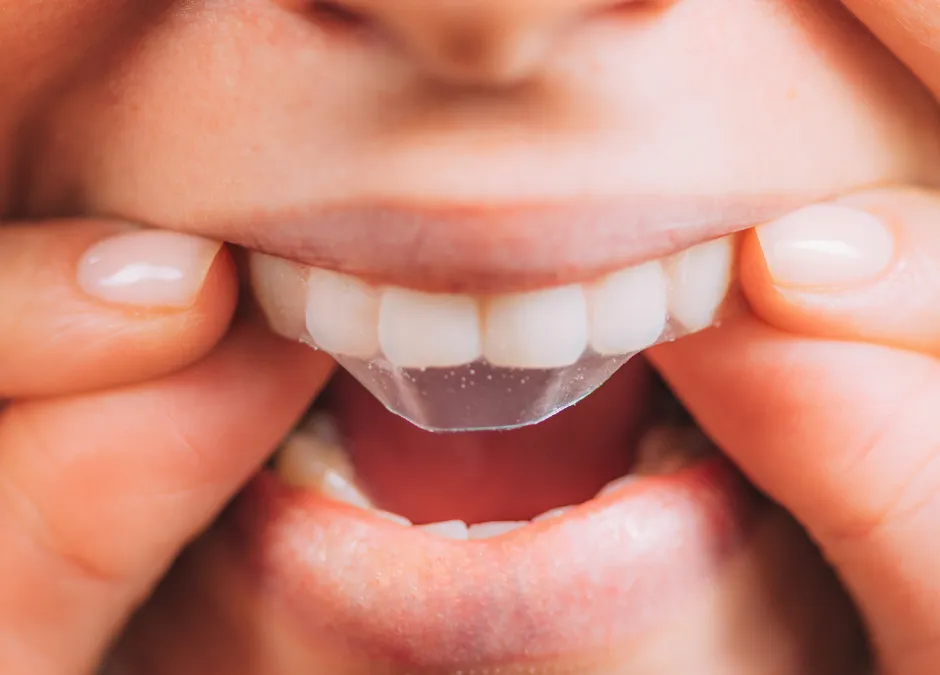
The Science Behind Teeth Whitening Strips
Teeth whitening strips have revolutionized the way people approach cosmetic dental care. They offer a convenient and relatively inexpensive way to brighten smiles. But how do these seemingly simple strips actually work? The science behind them involves understanding the composition of the strips, the active ingredients they contain, and the chemical processes that occur when they come into contact with your teeth. This article delves into the mechanisms that make teeth whitening strips an effective solution for a brighter and more confident smile. The goal is to provide a clear and comprehensive overview of how these strips work, from the chemical reactions involved to the factors that influence their effectiveness. This knowledge will empower you to make informed decisions about your oral care and achieve the smile you desire.
The Composition of Whitening Strips
Whitening strips are composed of several key elements working together to achieve a brighter smile. The core of the strip is a flexible, thin plastic material that adheres to the teeth. This material provides a base for the active ingredients. The active ingredients are the chemicals that perform the whitening action. They are typically a form of peroxide, either hydrogen peroxide or carbamide peroxide. These compounds are responsible for breaking down the stains that discolor the teeth. In addition to the active ingredients, the strips contain a gel that ensures close contact with the tooth surface, allowing the active ingredients to effectively penetrate the enamel. Other components such as stabilizers and binding agents are also included to maintain the strip’s structure and ensure the even distribution of the active ingredients. Understanding the composition of whitening strips is crucial for understanding how they interact with your teeth to produce the desired whitening effect.
Active Ingredients

The primary active ingredients in teeth whitening strips are hydrogen peroxide and carbamide peroxide. These peroxides are powerful oxidizing agents, meaning they can release oxygen molecules that break down stain molecules. The choice between hydrogen peroxide and carbamide peroxide often depends on the concentration desired and the specific formulation of the strip. Hydrogen peroxide is the more potent of the two, but it can also lead to greater sensitivity. Carbamide peroxide is a gentler alternative that breaks down into hydrogen peroxide over time. Both ingredients are essential for the whitening process. They play a direct role in the chemical reactions that lighten the color of your teeth. The concentration of these active ingredients varies between different brands and product lines, which impacts the whitening power and potential for side effects. Careful consideration should be given when selecting a product based on its active ingredients and the desired level of whitening.
Hydrogen Peroxide and Its Role
Hydrogen peroxide is a key player in the teeth whitening process. As an oxidizing agent, it penetrates the porous enamel of the teeth and breaks down the complex organic molecules responsible for stains. These stains, which accumulate from foods, drinks, and habits like smoking, cause the teeth to appear discolored. When hydrogen peroxide comes into contact with these stain molecules, it triggers a chemical reaction. This reaction breaks the bonds that hold the stain molecules together. The broken-down molecules become less concentrated and thus reflect less light, leading to a brighter appearance. The effectiveness of hydrogen peroxide depends on its concentration and the duration of its contact with the teeth. High concentrations can provide faster results, but they also increase the risk of sensitivity. Understanding the role of hydrogen peroxide is critical to understanding how whitening strips achieve their brightening effects and how to use them safely and effectively.
Carbamide Peroxide as an Alternative
Carbamide peroxide is an alternative to hydrogen peroxide used in some whitening strips. It is a compound that breaks down into hydrogen peroxide and urea when it comes into contact with water or saliva. This slower release of hydrogen peroxide makes carbamide peroxide a gentler option. It is particularly suitable for people with sensitive teeth. Although carbamide peroxide has a lower concentration of active whitening agent at the time of application. It still offers effective whitening over time. The urea produced during the breakdown of carbamide peroxide can also help to buffer the effects of the hydrogen peroxide. This process further reduces the potential for sensitivity. The choice between hydrogen peroxide and carbamide peroxide often comes down to individual tolerance and the desired speed of the whitening process. Both ingredients are effective stain removers, ensuring a whiter and brighter smile.
How Whitening Strips Work

The process by which teeth whitening strips lighten teeth is multifaceted, involving chemical reactions and physical processes. These strips are designed to adhere closely to the surface of the teeth. This close contact allows the active ingredients to effectively penetrate the enamel and reach the source of discoloration. The whitening process itself is a chemical one. It relies on the oxidizing properties of the peroxide-based ingredients. This action breaks down the stain molecules, reducing their concentration and thereby lightening the overall shade of the teeth. Understanding these steps is critical to appreciate the science behind whitening strips. It helps to ensure their safe and effective use, ultimately delivering a brighter, more confident smile.
The Process of Stain Removal
Stain removal with whitening strips is a direct result of the active ingredients interacting with the discolored molecules within the tooth enamel. These stains can be categorized into two main types extrinsic and intrinsic. Extrinsic stains are on the surface of the teeth. They result from the consumption of foods, drinks, and habits like smoking. Intrinsic stains are within the tooth structure. They can be caused by factors such as aging, genetics, or certain medications. The active ingredients in whitening strips, hydrogen peroxide or carbamide peroxide, penetrate the porous enamel. They break down the complex organic molecules responsible for both extrinsic and intrinsic stains. The oxidation process changes the chemical structure of the stain molecules. This action results in them reflecting less light and becoming less visible. The result is a noticeably whiter smile. The effectiveness of this process depends on the type and severity of the stains and the consistency of use.
Penetration of Enamel
The ability of the active ingredients to penetrate the tooth enamel is critical for the whitening process. Enamel, the outermost layer of the tooth, is a highly mineralized tissue with a porous structure. This porous nature allows the whitening agents to seep through. Once the hydrogen peroxide or carbamide peroxide is applied, it starts to diffuse through the enamel. It reaches the discolored molecules within. The efficiency of this penetration depends on several factors. These factors include the concentration of the active ingredient, the duration of contact, and the individual’s tooth structure. The process of penetration is essential. It facilitates the chemical reactions that break down the stains, leading to a brighter and whiter smile. Products with different formulations and application methods vary in their penetration capabilities. Therefore, it is important to choose a whitening strip that ensures effective delivery of the active ingredients into the enamel.
Oxidation and Color Change

Oxidation is the core chemical reaction responsible for the color change in teeth whitening. The active ingredients in the whitening strips, hydrogen peroxide or carbamide peroxide, are oxidizing agents. When these agents come into contact with the stain molecules within the enamel, they trigger an oxidation process. This process breaks down the stain molecules into smaller, less pigmented compounds. As the stain molecules are broken down, they reflect less light. This results in a reduction in the intensity of the discoloration and a brightening of the teeth. The effectiveness of the oxidation process is influenced by the concentration of the active ingredient, the duration of the application, and the type of stain present. Consistent use of the whitening strips allows for the continued oxidation of stain molecules. This leads to a gradual and noticeable improvement in the whiteness of the teeth. The ultimate goal is to achieve a brighter, more attractive smile.
Factors Affecting Effectiveness
Several factors influence the effectiveness of teeth whitening strips. Understanding these factors can help you maximize the results and make informed decisions about your oral care. The type and severity of the stains, the consistency of use, and the proper application of the strips all play a significant role. Additionally, the individual’s oral health and tooth structure can also affect the outcome. By considering these factors, you can optimize your whitening experience and achieve the best possible results.
Types of Stains
The effectiveness of teeth whitening strips can vary based on the type of stains present on your teeth. There are two main categories of stains extrinsic and intrinsic. Extrinsic stains are those that appear on the surface of the teeth. They are often caused by the consumption of foods and drinks like coffee, tea, and red wine, as well as habits like smoking. These surface stains typically respond well to whitening strips. Intrinsic stains, on the other hand, are located within the tooth structure. They can be caused by factors such as aging, genetics, certain medications, or dental trauma. Intrinsic stains can be more challenging to remove. While whitening strips can still be effective. It might take longer to see results. The specific type of stain can influence the choice of whitening product and the expected outcome. Consulting with a dental professional can help you determine the type of stains you have and the best approach for achieving your desired results.
Severity of Stains

The severity of the stains on your teeth is a crucial factor in determining how effective teeth whitening strips will be. Lighter stains, such as those caused by occasional coffee or tea consumption, tend to respond well and quickly to whitening treatments. More severe stains, which may have developed over years of smoking or heavy consumption of staining foods and drinks, may require more prolonged treatment. The more severe the discoloration, the longer it may take to achieve the desired level of whitening. It is important to manage expectations based on the initial condition of your teeth. The duration of treatment may need to be adjusted. Regular dental check-ups can help assess the severity of the stains and guide you in selecting the right whitening approach. This will ensure that you get the best possible results.
Consistency of Use
Consistency is key to achieving optimal results when using teeth whitening strips. Following the instructions on the product packaging is crucial for maximizing effectiveness. This includes adhering to the recommended frequency and duration of use. Skipping applications or using the strips inconsistently can hinder the whitening process. Regular use of the strips allows the active ingredients to continuously interact with the stains. This action leads to gradual but noticeable improvement in the shade of your teeth. It is important to be patient and consistent with your treatment, as the results may not be immediate. The time it takes to see results can vary based on the severity of the stains and the individual’s tooth structure. Maintaining a consistent schedule ensures that you get the most out of your whitening strips and achieve a brighter, more radiant smile. Following the manufacturer’s guidelines will help you achieve your desired results safely and effectively.
Proper Application
Proper application of teeth whitening strips is essential for ensuring their effectiveness and minimizing the risk of side effects. Before applying the strips, it is advisable to brush your teeth gently, but avoid using toothpaste. This step removes any surface debris that could hinder the strip’s contact with your teeth. The strips should then be carefully applied. They should be aligned with the gum line, ensuring they cover the front surfaces of your teeth. Avoid touching your gums excessively, as this can lead to irritation. Follow the product instructions regarding the duration of application. Once the treatment time is complete, remove the strips and rinse your mouth with water. Ensuring correct application maximizes the exposure of the active ingredients to your teeth. This will facilitate effective stain removal. Proper technique also reduces the risk of sensitivity or irritation. Understanding and following the application guidelines ensures you receive the best possible results and maintains the health of your teeth and gums.
Step by Step Guide to Using Whitening Strips

Using teeth whitening strips effectively involves a series of steps. It ensures that you get the best results while minimizing potential side effects. The process begins with preparing your teeth. This involves brushing your teeth to remove any surface debris. You then apply the strips, paying close attention to their placement and ensuring they cover the front surfaces of your teeth. The duration of application is crucial. Follow the product instructions carefully regarding the timing and the aftercare steps that follow. By following these simple steps, you can maximize the effectiveness of the whitening strips and achieve a brighter, more confident smile. The key to success is diligence and adherence to the manufacturer’s guidelines. This will result in the best possible whitening experience.
Preparing Your Teeth
Preparing your teeth before applying whitening strips is an important step. Begin by gently brushing your teeth with a soft-bristled toothbrush to remove any food particles and surface debris. Avoid using toothpaste immediately before applying the strips. Toothpaste can create a barrier that prevents the whitening agents from effectively reaching the enamel. After brushing, rinse your mouth thoroughly with water. This will further clean your teeth and prepare them for the whitening process. Ensuring that your teeth are clean will allow the strips to adhere properly and the active ingredients to penetrate the enamel. Preparing your teeth can also help reduce the risk of sensitivity by removing any irritants. This will contribute to a more comfortable whitening experience and allow for the best possible outcome.
Applying the Strips
Applying the whitening strips correctly is a crucial step in the process. Peel the strips from their backing and apply them to your teeth, following the upper and lower teeth guidelines. Align the strips with your gum line, ensuring that they cover the front surfaces of your teeth without overlapping or touching your gums excessively. Gently press the strips to ensure good contact with the teeth. This is to remove any air bubbles. Any contact with the gums can cause irritation. The strips are designed to mold to your teeth. However, it’s important to avoid shifting or moving them once they are in place. Wash your hands after applying the strips to prevent any contact of the gel with eyes or other sensitive areas. Proper application maximizes the effectiveness of the whitening process. Following these guidelines will lead to a more comfortable experience and effective whitening.
Timing and Duration

The timing and duration of applying teeth whitening strips are critical factors. It influences the effectiveness of the treatment. Follow the manufacturer’s instructions for the recommended application time, as this varies depending on the product’s concentration of active ingredients. Typically, strips are applied for 30 minutes to an hour once or twice a day. It’s important not to exceed the recommended time. This can increase the risk of sensitivity or gum irritation. Set a timer to ensure you don’t leave the strips on for longer than instructed. Regular and consistent use within the recommended timeframe is important to achieve the desired results. Adjusting the duration of treatment based on the product guidelines will help to achieve the best results. This ensures a safe and effective whitening experience.
Aftercare
Aftercare following the use of teeth whitening strips is important for maintaining a healthy smile and ensuring the longevity of the results. Remove the strips and discard them properly. Rinse your mouth with water to remove any residual gel. Avoid eating or drinking anything, except water, for at least 30 minutes after the application. This allows the enamel to rehydrate and reduces the chances of staining. Be mindful of staining foods and drinks such as coffee, tea, and red wine, especially in the hours following the treatment. Brushing your teeth gently can also help to remove any remaining residue. Maintaining good oral hygiene, along with these aftercare practices, supports the whitening effects and enhances the overall health of your teeth. This will help you maintain your brighter, whiter smile for a longer period.
Potential Side Effects and Considerations
While teeth whitening strips are generally safe, it is important to be aware of potential side effects and other considerations. The most common side effects are tooth sensitivity and gum irritation. There are also factors that determine suitability for different individuals. Understanding these aspects will help you to use whitening strips safely and effectively. It will also help you manage any discomfort that may arise during the treatment process. The knowledge will help you make informed decisions about your oral care and achieve the desired results without compromising the health of your teeth and gums.
Sensitivity and Discomfort
Tooth sensitivity is a common side effect of using teeth whitening strips. This is usually a temporary issue, often caused by the peroxide penetrating the enamel and reaching the nerves in the teeth. Sensitivity can range from mild discomfort to more pronounced sensitivity to hot or cold foods and drinks. There are steps you can take to minimize sensitivity, such as using a toothpaste designed for sensitive teeth before, during, and after the whitening process. You can also reduce the frequency or duration of the whitening treatments. Avoiding acidic foods and drinks that can exacerbate sensitivity is also advisable. If the sensitivity is severe or prolonged, it is important to consult your dentist. They can recommend additional steps or alternative whitening methods. In most cases, the sensitivity subsides shortly after the whitening treatment is complete.
Gum Irritation
Gum irritation is another potential side effect of using teeth whitening strips. This can manifest as redness, soreness, or a burning sensation in the gums. It is often caused by the whitening gel coming into contact with the gum tissue. Gum irritation is generally due to improper application of the strips. To minimize irritation, make sure the strips are applied correctly. Make sure they do not overlap or touch your gums. If you experience gum irritation, discontinue using the strips until your gums have fully healed. Using a soft-bristled toothbrush and avoiding harsh mouthwashes can help the healing process. If the irritation is severe or persistent, consult your dentist, as they can provide further advice and treatment options. Proper technique and adherence to the product instructions will greatly reduce the risk of gum irritation.
Suitability and Alternatives
While teeth whitening strips are suitable for many people, they are not ideal for everyone. Certain conditions or circumstances may make them less effective or even unsuitable. There are also alternative whitening methods available that may be more appropriate for certain individuals. It is essential to consider your individual needs and consult with a dental professional. They can help determine the best approach for achieving the smile you desire. Considering these aspects will help you make informed decisions about your oral care and ensure the safety and effectiveness of your chosen treatment.
When Whitening Strips Might Not Be Suitable
There are several situations where teeth whitening strips might not be the best choice. Individuals with severe tooth sensitivity or gum disease may experience increased discomfort or irritation. Whitening strips may not be effective on crowns, veneers, or dental fillings, as these materials do not respond to the whitening agents. People with extremely dark or intrinsic stains may find that whitening strips provide only minimal results. Pregnant or breastfeeding women should consult with their dentist before using whitening strips. It is best to avoid the product if you have any existing oral health issues or if you have a history of allergic reactions to the ingredients. The best step is to consult with a dentist to determine if whitening strips are right for you. They can recommend alternative treatments if necessary. This is to ensure the safety and effectiveness of your chosen approach.
Alternative Whitening Methods
Several alternative teeth whitening methods are available. These alternatives may be more suitable for certain individuals or offer different levels of effectiveness. Over-the-counter whitening toothpastes and mouthwashes contain mild bleaching agents and can help to remove surface stains, but the results are usually less dramatic than with whitening strips. Whitening gels, applied with custom-fitted trays provided by your dentist, offer more control and can deliver stronger results. In-office whitening treatments performed by a dental professional involve the use of high-concentration bleaching agents activated by a special light. These treatments can provide the most significant whitening results in a short period. The best option depends on your individual needs, the degree of discoloration, and your desired outcomes. Consulting with a dentist will help you to determine the most appropriate and effective teeth whitening method for your specific needs.
Professional Whitening Options
Professional teeth whitening offers several advantages over over-the-counter options. Dental professionals have access to stronger bleaching agents and specialized techniques. They can achieve more dramatic and consistent results. In-office whitening treatments are performed under controlled conditions. They involve the use of high-concentration hydrogen peroxide or carbamide peroxide gels, often activated by a special light. This can significantly lighten teeth in a single visit. Custom-fitted trays for at-home whitening are also provided by dentists. These trays ensure the whitening gel is applied evenly and minimizes contact with gum tissue. Professional whitening options also include pre-treatment evaluations to assess your oral health and identify any potential issues. Consulting with a dentist can help you determine the best whitening option for your specific needs. This will ensure the safety and effectiveness of the treatment while maximizing your chances of achieving a brighter, more beautiful smile.