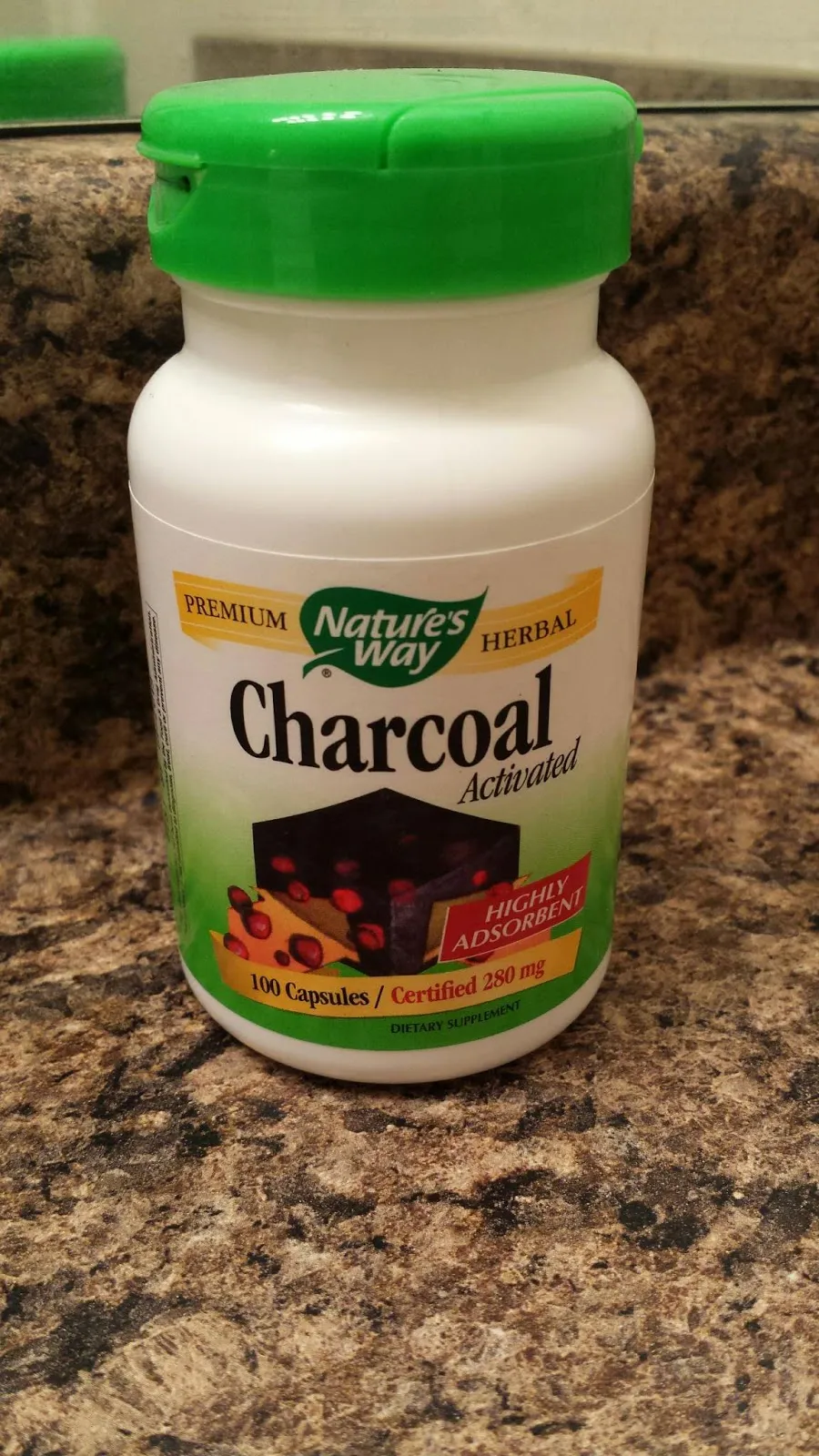
What is Activated Charcoal?
Activated charcoal has surged in popularity as a natural remedy, particularly for teeth whitening. But what exactly is it? Unlike the charcoal briquettes used for grilling, activated charcoal is a fine, black powder made from various sources, including coconut shells, wood, and other materials. These materials undergo a high-heat process and are then ‘activated’ with steam or chemicals. This process creates a porous structure that gives activated charcoal its unique ability to absorb substances. This absorption property is the key to many of its applications, from water filtration to, of course, teeth whitening. Its widespread availability and perceived natural origins have further fueled its adoption in the realm of oral care, making it a frequently discussed topic in the world of dental health.
The Science Behind Activated Charcoal
The science behind activated charcoal’s effectiveness in teeth whitening revolves around its adsorption properties. Adsorption, not absorption, is the critical mechanism here. The porous structure of activated charcoal allows it to attract and trap substances within its surface. In the context of teeth whitening, this means it can potentially bind to stain molecules on the surface of the teeth. These stains, often caused by coffee, tea, wine, and certain foods, can make teeth appear discolored. The activated charcoal then, theoretically, helps to lift these stains from the enamel. This is a purely physical process, not a chemical one, which is why it’s often considered a gentler approach compared to chemical whitening treatments. However, the scientific evidence supporting these claims varies, and understanding the nuances of the science is essential before incorporating activated charcoal into your oral hygiene routine.
How Activated Charcoal Works for Teeth Whitening

Activated charcoal’s role in teeth whitening is primarily attributed to its abrasive nature and its capacity to attract and remove surface stains. When used, the tiny particles of charcoal gently scrub the teeth. This action can help to dislodge stains that have accumulated on the enamel. The charcoal is then rinsed away, hopefully taking the stains with it. Proponents of this method suggest that it can lead to a brighter smile without the use of harsh chemicals. The adsorption process, as previously mentioned, also contributes by trapping staining compounds. It’s important to note that activated charcoal primarily targets surface stains. Deeper stains, those residing within the tooth’s structure, are generally not affected by this method. Therefore, the results can vary based on the type and severity of the stains present on your teeth.
Benefits of Using Activated Charcoal for Teeth
One of the primary perceived benefits of using activated charcoal for teeth is its ability to help whiten teeth naturally. Many people are drawn to its organic and chemical-free approach, appealing to those seeking natural oral care alternatives. Some users report noticeable improvements in the brightness of their smiles after consistent use. In addition to its whitening properties, activated charcoal is also believed to help freshen breath. It may help to absorb odor-causing compounds in the mouth, contributing to a cleaner and more refreshing oral environment. Furthermore, some people find that activated charcoal can help remove plaque and debris, promoting overall oral hygiene. These benefits have made it a popular choice for individuals looking for a natural addition to their daily dental routine.
Removing Surface Stains with Activated Charcoal
Activated charcoal is most effective at removing surface stains, which are often the result of dietary habits and daily wear and tear. These stains can accumulate on the enamel over time, leading to a dull or discolored appearance. By gently scrubbing the teeth with activated charcoal, these surface stains can be lifted. Coffee, tea, wine, and certain foods are common culprits. The abrasive nature of the charcoal helps to break down these stains, making it easier to remove them. Regular use can result in a brighter smile. This method offers a relatively gentle approach compared to some chemical whitening treatments. The extent of stain removal can vary depending on the type of stain and how long it has been present, making it a potentially effective option for maintaining a naturally white smile.
Addressing Stubborn Stains with Activated Charcoal

While activated charcoal is adept at tackling surface stains, its effectiveness on more stubborn stains can be limited. Deeply embedded stains, which have penetrated the enamel and reached the dentin layer, are generally more challenging to remove. These can be caused by factors such as aging, genetics, or long-term use of certain medications. For these types of stains, activated charcoal may provide minimal results. In some cases, persistent use of activated charcoal can lead to slight improvements. It might help to gradually lighten the overall appearance of the teeth over time. However, it’s important to manage expectations. If you are dealing with significant discoloration, other teeth whitening methods may be needed to achieve the desired result. Consulting with a dentist can provide you with the best solution.
Potential Risks and Side Effects
Despite its purported benefits, there are potential risks and side effects associated with using activated charcoal for teeth whitening. One of the primary concerns is its abrasive nature. Frequent or aggressive brushing with activated charcoal can potentially erode tooth enamel over time. Enamel erosion can lead to increased tooth sensitivity, a higher risk of cavities, and permanent damage to the tooth structure. There is also the risk of irritation to the gums. The gritty texture of the charcoal can cause abrasions or inflammation, particularly if used improperly. Furthermore, while rare, there is a possibility of activated charcoal staining the gums or dental work. Therefore, understanding these potential risks and using the product with caution and moderation is essential to avoid any negative consequences.
Enamel Erosion and Charcoal
Enamel erosion is a critical concern when considering the use of activated charcoal for teeth whitening. Tooth enamel is the hard, protective outer layer of your teeth. It does not regenerate. The abrasive properties of activated charcoal can wear away this enamel over time. This can lead to thinning of the enamel, making the teeth more susceptible to sensitivity, decay, and discoloration. Once enamel is lost, it cannot be replaced. The long-term effects of this abrasion can be significant. Therefore, it is crucial to use activated charcoal sparingly, if at all, and always with a gentle brushing technique. Monitoring for any signs of increased sensitivity or changes in the appearance of your teeth is also recommended, and consulting your dentist is essential if you have concerns.
Sensitivity and Charcoal Use

Increased tooth sensitivity can be a direct result of using activated charcoal. As the enamel thins due to abrasion, the underlying dentin, which contains tubules that lead to the tooth’s nerves, becomes exposed. This exposure can cause the teeth to become more sensitive to hot, cold, sweet, or acidic foods and drinks. If you experience increased sensitivity while using activated charcoal, it’s a sign that your enamel may be wearing down. This is an important signal to stop using the product immediately. Consider consulting your dentist. They can assess the extent of the damage and provide advice on how to manage the sensitivity, which may include using a desensitizing toothpaste or other treatments to protect your teeth.
Proper Application Techniques
Using the correct application techniques when brushing with activated charcoal is essential to minimize potential risks. Dampen your toothbrush, dip it into the activated charcoal powder, and gently brush your teeth. Avoid applying excessive pressure. Use circular motions instead of harsh, back-and-forth scrubbing. Focus on the surface of your teeth. Avoid vigorous brushing of the gums to prevent irritation. Brush for no more than two minutes. Rinse your mouth thoroughly with water after brushing. Ensure that all charcoal particles are removed. This will prevent any residue from remaining on your teeth or gums. It’s advisable to follow up with your regular toothpaste to provide additional cleaning and protection. Consistency and a careful approach are key to utilizing activated charcoal safely.
Brushing Technique with Activated Charcoal
The brushing technique you use with activated charcoal is of utmost importance. The key is gentleness. Use a soft-bristled toothbrush to minimize abrasion. Apply very light pressure. Instead of scrubbing, use small, circular motions. Be sure to reach all surfaces of your teeth. Focus on areas where staining is most visible. Avoid brushing your gums aggressively. Doing so can cause irritation or recession. Brush for a short amount of time, ideally two minutes. After brushing with charcoal, rinse your mouth thoroughly with water. Brush again with regular toothpaste to remove any residual charcoal. This approach can help to get the benefits of the charcoal while reducing potential harm to your teeth and gums. Remember, the goal is to be gentle and patient, not aggressive.
Frequency of Use for Optimal Results

The frequency of using activated charcoal for teeth whitening is a crucial factor in managing potential risks and achieving the best results. Most dental professionals recommend limiting the use of activated charcoal to no more than a few times per week, or even less frequently. Overuse increases the risk of enamel erosion and other adverse effects. It is generally not recommended to replace your regular toothpaste with activated charcoal. Instead, incorporate it as an occasional supplement to your routine. Monitor your teeth and gums for any signs of increased sensitivity or irritation. If you notice any such symptoms, reduce the frequency of use or discontinue using activated charcoal. Your oral health is paramount, and moderation is key to maintaining a healthy and bright smile.
Alternatives to Activated Charcoal for Whitening
There are several alternatives to activated charcoal for teeth whitening that may be safer and more effective. Over-the-counter whitening products, such as whitening toothpastes, strips, and gels, contain ingredients like hydrogen peroxide or carbamide peroxide. These chemicals effectively bleach stains and can produce noticeable results. Another option is to consult a dentist for professional whitening treatments. These may include in-office bleaching or custom-fitted trays for at-home use. Furthermore, improving your oral hygiene habits can also contribute to a brighter smile. Regular brushing with fluoride toothpaste, flossing, and professional cleanings can help prevent stains and maintain overall oral health. Exploring these alternatives can help you to choose the best and safest method for teeth whitening, avoiding some of the potential drawbacks associated with activated charcoal.
Other Teeth Whitening Methods
In addition to activated charcoal and over-the-counter options, there are several other methods for teeth whitening. Whitening toothpastes, which contain mild abrasives and sometimes small amounts of bleaching agents, can help to remove surface stains. Whitening strips are a convenient and accessible option. They contain a thin layer of hydrogen peroxide or a similar bleaching agent. For more dramatic results, professional teeth whitening, performed by a dentist, is available. This can involve in-office bleaching, where a high-concentration bleaching gel is applied to the teeth. Custom-fitted trays are provided for at-home use. These treatments often yield more significant and longer-lasting results. When exploring different methods, it’s wise to consult with your dentist. They can assess your specific needs. They can recommend the best approach for achieving a brighter, healthier smile.
Professional Whitening Options

Professional teeth whitening offers the most effective and reliable results. Dentists use professional-grade bleaching agents. These are much more potent than those found in over-the-counter products. In-office whitening involves applying a high-concentration bleaching gel to the teeth. This is then activated with a special light or laser. The entire procedure is completed in a single appointment. Custom-fitted trays for at-home use can also be prescribed by your dentist. These trays are designed to fit your teeth precisely. This ensures the bleaching agent is in close contact with the enamel. Professional whitening is often more effective at addressing stubborn stains. It offers predictable results. Your dentist will also be able to monitor your progress and address any potential sensitivity or other issues. If you are seeking the most effective way to whiten your teeth, a consultation with your dentist is recommended.
Making an Informed Choice
Deciding whether to use activated charcoal for teeth whitening involves careful consideration. You must weigh the potential benefits against the potential risks. While activated charcoal may offer some benefits, particularly in removing surface stains, it’s important to be aware of the potential for enamel erosion and increased sensitivity. It’s always best to consult with your dentist before beginning any new oral care routine. Your dentist can assess your oral health, discuss your goals, and recommend the most appropriate teeth whitening method for you. They can also advise you on proper techniques and precautions. By making an informed choice, you can prioritize the health and long-term well-being of your teeth. Your dentist can guide you toward achieving a brighter smile safely and effectively.