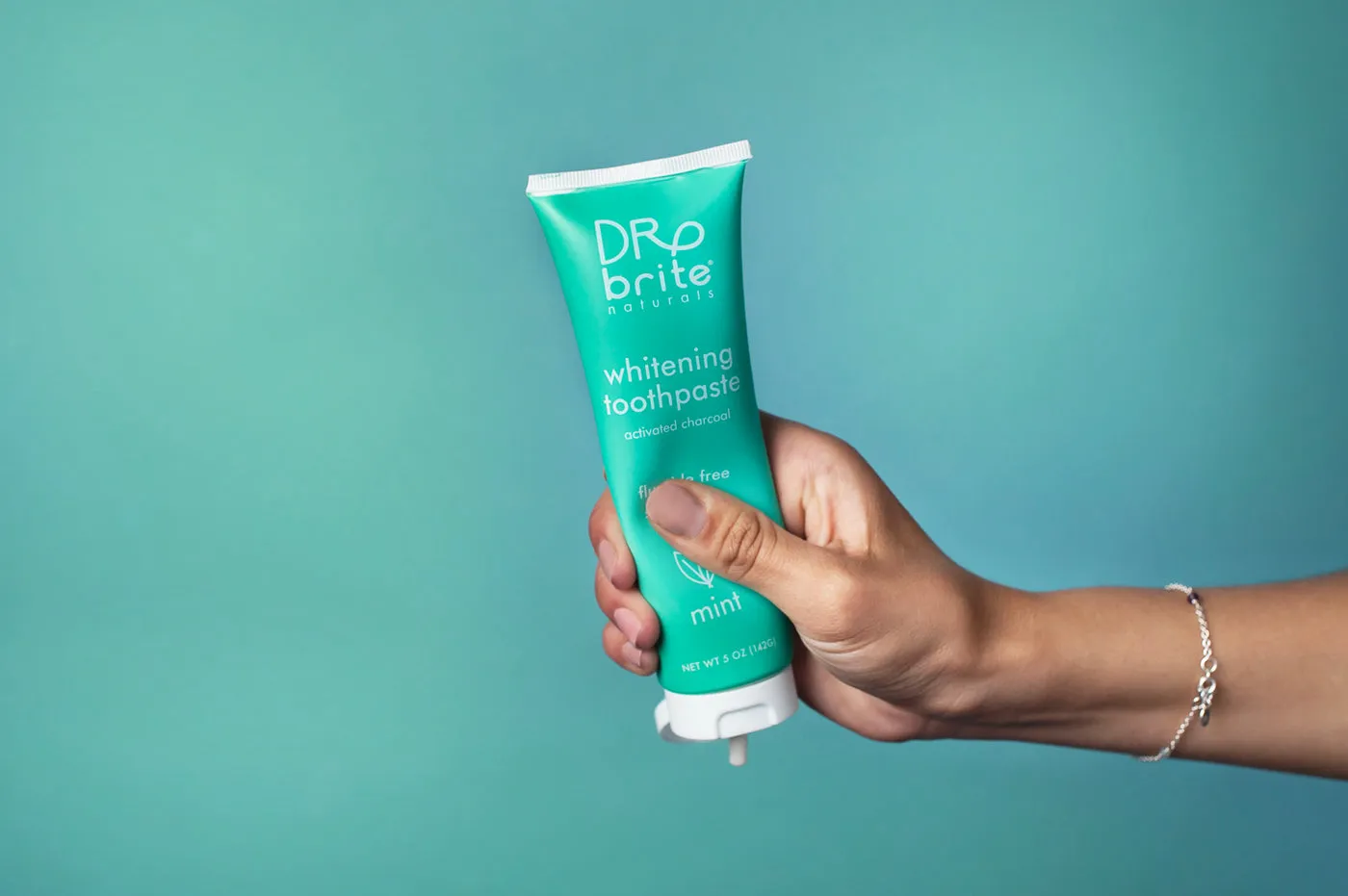
Top 5 Whitening Toothpastes for Dazzling Smiles
Are you dreaming of a brighter, more confident smile? Whitening toothpaste can be a great addition to your oral hygiene routine, helping you achieve a noticeable difference in the shade of your teeth. With so many options on the market, choosing the right one can feel overwhelming. This guide will explore some of the top whitening toothpastes available, helping you make an informed decision and take a step closer to that dazzling smile you desire. We’ll delve into the science behind whitening, the different types of toothpastes, and what to look for when choosing the best product for your needs. Remember, consistent use and good oral hygiene habits are key to achieving and maintaining a brighter smile.
Understanding Whitening Toothpaste
Whitening toothpastes are designed to help remove stains and brighten your teeth. They work differently than teeth whitening treatments performed by a dentist, which typically use stronger bleaching agents. Whitening toothpastes often contain ingredients that help remove surface stains caused by things like coffee, tea, wine, and tobacco. It’s important to manage expectations when using whitening toothpaste; while they can make a noticeable difference, the results may not be as dramatic as professional whitening. Consider your individual needs, like any sensitivity, when selecting a product. Consulting with your dentist is always a good idea before making changes to your oral care routine, especially if you have existing dental work.
How Whitening Toothpastes Work

Whitening toothpastes achieve their effects through a few primary mechanisms. Some contain mild abrasives that gently scrub away surface stains. Others utilize chemical agents to break down stains. The effectiveness of a whitening toothpaste depends on the specific ingredients and the type of staining you have. The consistent use of a whitening toothpaste will help to restore the natural color of your teeth. Some toothpastes will focus on stain removal only, while others will aim for teeth whitening. Understanding these differences will help you to determine what is best for you. The process is generally gradual and results can vary from person to person.
Types of Whitening Agents
Various ingredients are used in whitening toothpastes to achieve the desired effect. Common options include hydrogen peroxide, which acts as a bleaching agent, and abrasives like silica that physically remove stains. Some toothpastes also contain pyrophosphates, which can help prevent the build-up of new stains. The concentration and the type of whitening agents will vary depending on the product. Carefully review the ingredients list, especially if you have sensitive teeth or other oral health concerns. Before using a whitening toothpaste, a professional dental checkup is recommended.
Things to Consider
Before choosing a whitening toothpaste, consider your existing dental health and any specific needs. Sensitivity, for example, could be an issue, and you should select a product accordingly. Read reviews and consult with your dentist to determine if a particular toothpaste is suitable for your situation. Some toothpastes may be better at removing specific types of stains than others. By carefully assessing your needs and preferences, you can choose a product that will provide the best results while ensuring that your teeth and gums remain healthy.
Top 5 Whitening Toothpastes
Here are five of the top-rated whitening toothpastes, each with its own strengths and characteristics. Remember to consult your dentist about the best choice for you.
Toothpaste 1 Overview
This popular choice is known for its effective stain removal and pleasant taste. It generally contains a moderate level of abrasives and may include a mild bleaching agent. It’s readily available and often comes in various flavors.
Key Ingredients
Typically contains silica for abrasion, along with sodium fluoride for cavity protection. It may also include a small amount of hydrogen peroxide for whitening. Specific ingredients will be listed on the product packaging.
Pros and Cons

Pros: Effective stain removal, accessible, and offers cavity protection. Cons: May cause sensitivity in some individuals; whitening effects might be subtle.
Toothpaste 2 Overview
This toothpaste emphasizes a gentler approach to whitening, making it a good option for those with sensitive teeth. It often uses less abrasive agents and may include ingredients that help to soothe gums.
Key Ingredients
Usually contains a lower concentration of abrasives, along with potassium nitrate to help reduce sensitivity. It may also include fluoride for added protection against tooth decay.
Pros and Cons

Pros: Suitable for sensitive teeth, gentle on gums, still provides whitening effects. Cons: Whitening might be less aggressive than other options.
Toothpaste 3 Overview
Aimed at tackling stubborn stains from coffee, tea, or tobacco. This toothpaste will often contain more potent ingredients to help remove stains that are deeper set.
Key Ingredients
Often contains higher concentrations of abrasives such as silica, and sometimes includes ingredients like activated charcoal to absorb stains.
Pros and Cons

Pros: Effective in removing difficult stains. Cons: May be too abrasive for sensitive teeth. Always consult a dentist if unsure about the condition of your teeth.
Toothpaste 4 Overview
This whitening toothpaste generally focuses on using natural ingredients to help whiten teeth. It often has unique flavors and ingredients.
Key Ingredients
May include ingredients like baking soda, essential oils, and natural abrasives like hydrated silica. It often avoids sulfates and artificial sweeteners.
Pros and Cons
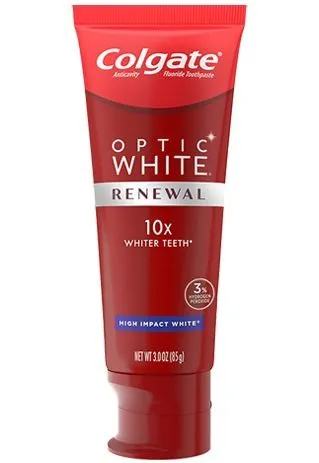
Pros: Natural ingredients, appealing flavors, and potentially good for those looking for chemical-free options. Cons: Whitening effects may be less pronounced; may not be suitable for those with certain allergies.
Toothpaste 5 Overview
This toothpaste will have a broad appeal in terms of stain removal and tooth whitening. It will generally provide a solid level of overall oral health.
Key Ingredients
Contains a mix of ingredients from the other categories, typically including mild abrasives, fluoride, and sometimes a low concentration of hydrogen peroxide.
Pros and Cons
Pros: Offers a balance of stain removal, whitening, and cavity protection. Cons: May not be as specialized as other options.
Choosing the Right Whitening Toothpaste
Selecting the right whitening toothpaste depends on your individual needs and preferences. Consider what is important to you: how sensitive are your teeth? What are your specific whitening goals? Do you want a budget-friendly choice, or do you have a preference for natural ingredients? By asking yourself these questions and evaluating the options available, you can determine which toothpaste will work best for you. The best way to get the right answer is to seek the help of your dentist.
Considerations for Sensitive Teeth
If you have sensitive teeth, it’s crucial to choose a whitening toothpaste that is specifically designed for sensitivity. These toothpastes often contain lower concentrations of abrasives and ingredients that help to soothe the gums. Always consult your dentist if you experience increased sensitivity. Consider using a toothpaste with potassium nitrate, which helps to block pain signals from the nerves in your teeth.
Consulting Your Dentist
Before switching to a whitening toothpaste, it’s highly recommended that you consult with your dentist. Your dentist can assess the condition of your teeth and gums, recommend the best type of toothpaste for your needs, and discuss realistic expectations for whitening. They can also identify any underlying oral health issues that might make whitening toothpastes unsuitable for you. Regular check-ups and professional cleanings are also essential for maintaining a healthy and bright smile. Your dentist will know what is best for your teeth and will be the best resource for your questions.