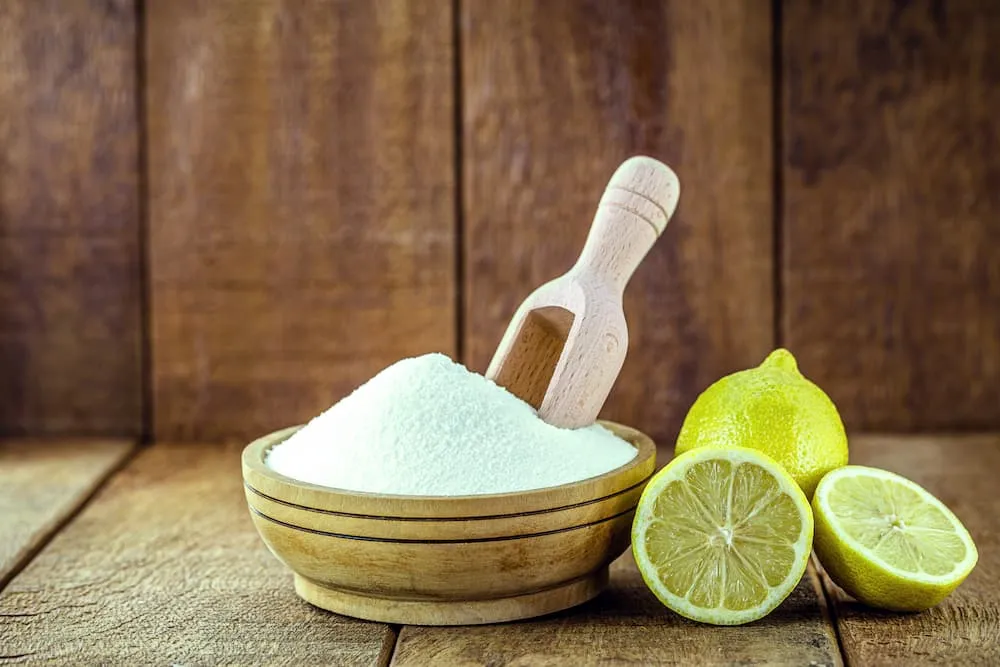
Baking Soda Skin Whitening Top 5 Tips
Are you looking for a natural way to brighten and whiten your skin? Baking soda, a common household item, might be the answer! Known for its versatility, baking soda offers a range of benefits for your skin, including gentle exfoliation, dark spot reduction, and overall skin tone improvement. This article will provide you with the top 5 tips on how to effectively use baking soda for skin whitening. We’ll delve into the science behind its effectiveness, guide you through safe application methods, and explore the precautions you need to take to ensure your skin remains healthy and radiant. Get ready to unlock the secrets of using baking soda to achieve a brighter, more even complexion. Discover how this simple ingredient can be a game-changer in your skincare routine, helping you achieve the glowing skin you’ve always dreamed of. With our top 5 tips, you’ll be well on your way to a more confident you!
Exfoliation Power of Baking Soda
One of the primary ways baking soda contributes to skin whitening is through its exfoliating properties. Exfoliation is the process of removing dead skin cells from the surface of your skin. These dead cells can make your skin appear dull, uneven, and can also contribute to the appearance of dark spots and hyperpigmentation. Baking soda acts as a gentle abrasive, effectively sloughing off these dead cells, revealing the fresh, brighter skin underneath. This process not only improves skin tone but also allows your skin to better absorb other skincare products, maximizing their benefits. Consistent exfoliation with baking soda, when done correctly, can significantly improve your skin’s texture and radiance, leading to a visibly brighter complexion. Always remember to use baking soda gently to avoid irritation.
How Baking Soda Works on Skin

Baking soda, or sodium bicarbonate, works on the skin through a combination of its chemical and physical properties. As a mild base, it can help balance the skin’s pH, which is crucial for maintaining healthy skin. When used as an exfoliant, its small granules physically remove dead skin cells. Furthermore, baking soda can help to unclog pores, reducing the likelihood of acne and breakouts. Its gentle abrasive action helps to even out skin texture, and its alkaline nature can help to neutralize acids on the skin. While it is effective, always be cautious to avoid overuse, which could lead to dryness or irritation. Understanding how baking soda interacts with your skin enables you to use it safely and effectively, helping you achieve the desired skin whitening effects.
Baking Soda for Skin Whitening Step by Step
Using baking soda for skin whitening requires a careful and methodical approach. Begin by cleansing your face with a gentle cleanser to remove any makeup or impurities. Next, mix a small amount of baking soda (about one teaspoon) with water to form a paste. Apply this paste to your face in gentle, circular motions, avoiding the sensitive eye area. Massage for about a minute, focusing on areas with dark spots or uneven skin tone. Rinse thoroughly with lukewarm water and pat your face dry with a soft towel. It’s crucial to moisturize your skin afterward to prevent dryness. Start with this process once or twice a week, observing how your skin reacts. Gradually increase the frequency if your skin tolerates it well. Always listen to your skin and discontinue use if you experience any irritation or discomfort.
Precautions to Take
While baking soda can be effective, it’s important to exercise caution when using it on your skin. Firstly, baking soda can be quite abrasive, so avoid scrubbing too hard. This can lead to irritation, redness, and even micro-tears in the skin. Always start with a small amount and test it on a small area of your skin, such as your inner arm, before applying it to your face. This helps you assess for any adverse reactions. Also, baking soda can disrupt the skin’s natural pH balance, which can cause dryness or sensitivity, so never leave the paste on your face for too long. If you have sensitive skin, eczema, or rosacea, use baking soda with extra caution, or consult with a dermatologist before use. Furthermore, always moisturize after use to rehydrate your skin. Discontinue use if you experience any adverse effects, such as redness, itching, or burning.
Whitening Mask with Baking Soda

Creating a whitening mask with baking soda is a fantastic way to enhance its benefits. One popular recipe involves mixing baking soda with water to form a paste. You can also add other beneficial ingredients to boost its effectiveness. Apply a thin layer of this mixture to your face, avoiding the eye area, and leave it on for about 10-15 minutes. During this time, the mask will gently exfoliate your skin and help to brighten your complexion. Once the time is up, rinse the mask thoroughly with lukewarm water and gently pat your skin dry. Follow with a hydrating moisturizer to keep your skin from drying out. This simple mask can be incorporated into your skincare routine once or twice a week, allowing you to experience the skin whitening benefits of baking soda.
Additional Ingredients for Mask
To enhance your baking soda mask, consider adding ingredients that complement its whitening effects. Lemon juice, known for its natural bleaching properties, can be added in small amounts, but be cautious as it can be acidic. Honey is another great addition, acting as a natural humectant that moisturizes and soothes the skin. Adding a few drops of tea tree oil can also help to reduce inflammation and combat acne. Yogurt or milk can also be used, as they contain lactic acid, a gentle exfoliant. When creating your mask, start with a base of baking soda and water, and then gradually add small amounts of the additional ingredients. Always do a patch test before applying the mask to your entire face, especially if you’re adding new ingredients. Customizing your mask allows you to cater to your specific skin needs, improving its overall effectiveness.
Baking Soda Benefits for Skin Tone
Beyond its exfoliating properties, baking soda offers several benefits for improving overall skin tone. It can help to reduce the appearance of dark spots, acne scars, and other forms of hyperpigmentation. The gentle exfoliation removes the top layer of dead skin cells, revealing the brighter, fresher skin underneath. Regular use can lead to a more even complexion and a reduction in the appearance of blemishes. Baking soda can also help to unclog pores, which reduces the likelihood of breakouts, leading to clearer, smoother skin. By balancing the skin’s pH levels, it creates an environment where skin can heal and regenerate more effectively. This helps to promote an overall healthier skin tone, resulting in a brighter and more radiant appearance. It’s a simple yet effective way to improve your skin’s texture and color.
Reducing Dark Spots with Baking Soda

Baking soda can be a useful ingredient in reducing the appearance of dark spots and hyperpigmentation. Its exfoliating action helps to slough off the pigmented cells that cause dark spots, gradually revealing a more even skin tone. By removing the dead skin cells, baking soda encourages the regeneration of new, unpigmented skin. However, patience and consistency are key. It may take several weeks or even months to see significant results. For best results, use a baking soda mask or scrub regularly, but do so gently to avoid irritation. Always protect your skin from the sun with sunscreen, as sun exposure can worsen dark spots. Consider combining baking soda with other skin-lightening ingredients like lemon juice or honey. Remember to moisturize thoroughly after each use to prevent dryness and promote skin healing. If dark spots are severe, consider consulting a dermatologist for professional advice and treatment options.
Other Benefits Baking Soda Offer
Apart from skin whitening, baking soda offers a range of other benefits for your skin. It can help to balance the skin’s pH, which is essential for maintaining a healthy skin barrier. Baking soda can also act as a gentle cleanser, removing impurities and excess oil, making it useful for treating acne. Its mild abrasive properties can help to unclog pores and reduce the appearance of blackheads and whiteheads. Furthermore, baking soda is known for its anti-inflammatory properties, which can help to soothe irritated skin and reduce redness. This makes it beneficial for those with conditions like eczema or mild acne. It can also be used as a natural deodorant, due to its ability to neutralize odors. Baking soda’s versatility makes it a valuable addition to any skincare routine, offering a simple and affordable way to improve skin health and appearance. Always remember to perform a patch test before incorporating baking soda into your routine.