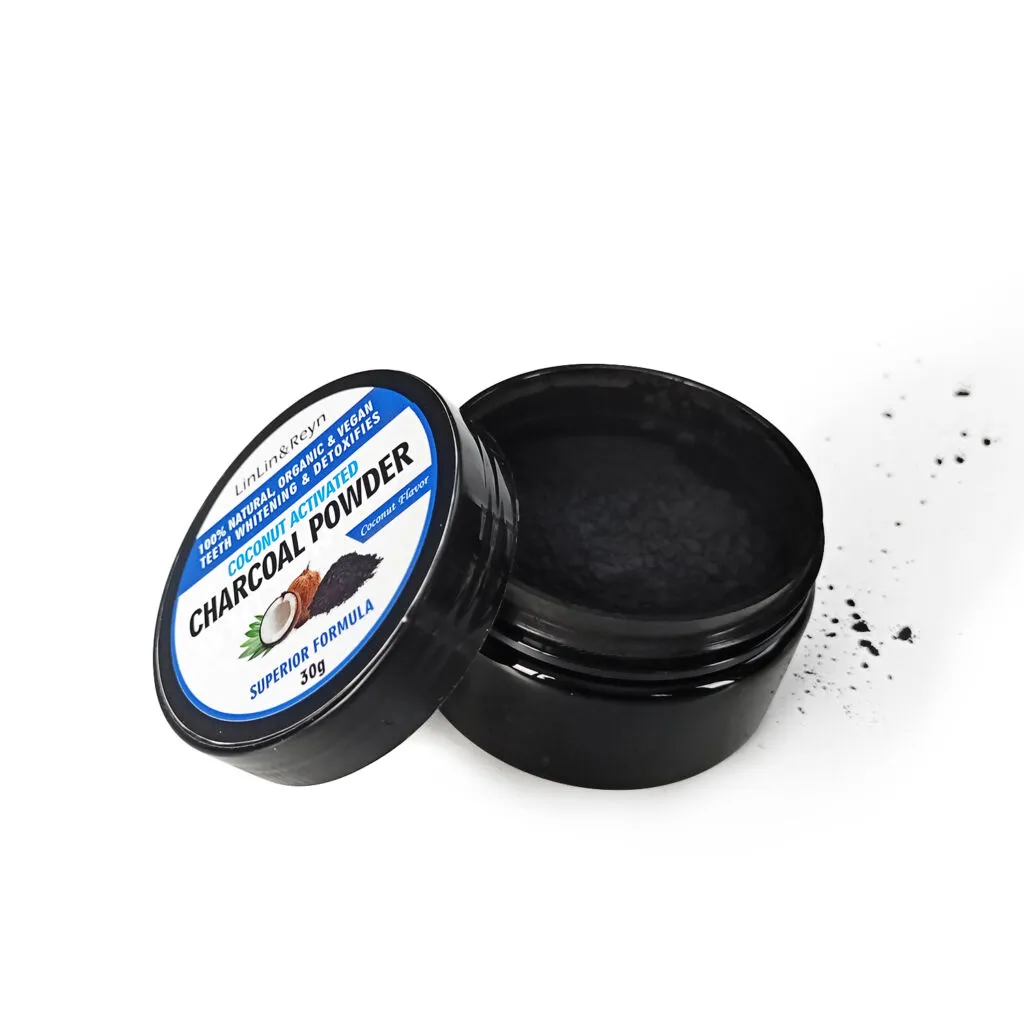
Why Use Activated Charcoal for Teeth Whitening
In the pursuit of a brighter, more confident smile, many individuals are turning to natural and alternative methods for teeth whitening. Among these, activated charcoal has emerged as a popular choice. This fine, black powder, derived from sources like coconut shells, has gained significant attention for its purported ability to remove stains and enhance oral hygiene. But why the hype? And more importantly, does it deliver on its promises? This article delves into the science, benefits, and practical applications of organic activated charcoal teeth whitening powder, providing a comprehensive guide to help you achieve a naturally radiant smile. We’ll explore its mechanisms, compare it to other whitening options, and offer essential tips for safe and effective use, ensuring you can make an informed decision about incorporating this trend into your oral care routine.
How Activated Charcoal Works
The Science Behind Activated Charcoal’s Whitening Power

Activated charcoal’s effectiveness in teeth whitening stems from its unique properties. It is a highly porous substance, meaning it has a large surface area capable of adsorbing various compounds. Unlike absorption, which involves a substance being taken up into another, adsorption is a surface phenomenon where molecules adhere to the surface of the adsorbent material. In the context of teeth whitening, activated charcoal acts like a magnet for stains, trapping them on its surface and preventing them from adhering to the enamel. This mechanism is particularly effective against stains caused by coffee, tea, wine, and other dietary culprits. The process is purely physical, with the charcoal attracting and binding to stain molecules, which are then removed when the charcoal is rinsed away. This natural approach offers a potentially less abrasive alternative to some chemical-based whitening products, making it a compelling option for those seeking a gentler method.
Benefits of Activated Charcoal for Teeth
Removing Surface Stains
The primary benefit of using activated charcoal is its ability to remove surface stains. The porous nature of the charcoal allows it to bind with stain-causing compounds found in foods and drinks. This adsorption process helps lift these stains from the enamel, leading to a visibly brighter smile. The effectiveness can vary depending on the type and severity of the stains. Consistent use, along with a proper oral hygiene routine, can yield noticeable results over time. It is important to note that activated charcoal primarily addresses surface stains and may not significantly alter the intrinsic color of your teeth, which is determined by the dentin layer beneath the enamel. For those with more deeply embedded discoloration, professional whitening treatments may be necessary. Nevertheless, activated charcoal can be a valuable tool in maintaining a clean and stain-free smile.
Freshening Breath

Beyond whitening, activated charcoal may also contribute to fresher breath. Its absorbent properties can help trap and remove bacteria and other microorganisms that contribute to bad breath. By eliminating these odor-causing agents, activated charcoal can improve the overall oral environment and leave your mouth feeling cleaner and more refreshed. While not a direct replacement for a comprehensive oral hygiene routine, including brushing and flossing, the use of activated charcoal can provide an extra layer of support in combating halitosis. It’s worth noting that the effects on breath freshness are often subtle and may vary depending on individual oral health and the underlying causes of bad breath. Regular use, however, can contribute to a cleaner mouth feel and a more pleasant breath.
Supporting Oral Health
Some proponents of activated charcoal suggest it can support overall oral health. By removing bacteria and toxins, it may help reduce the risk of cavities and gum disease. However, it’s crucial to emphasize that activated charcoal is not a substitute for professional dental care. Regular check-ups and cleanings are essential for maintaining optimal oral health. Furthermore, the abrasive nature of charcoal can potentially wear down enamel if used improperly or excessively. This highlights the importance of using the product correctly and consulting with a dentist for personalized advice. While activated charcoal can be a beneficial addition to your routine, it should be part of a holistic approach to oral hygiene that includes proper brushing, flossing, a balanced diet, and regular dental visits.
How to Use Activated Charcoal Powder
Choosing the Right Activated Charcoal Powder

Selecting a High-Quality Product
When selecting an activated charcoal powder, it’s crucial to choose a high-quality product specifically designed for oral use. Look for products made from natural sources, such as coconut shells, as they are generally considered safe and effective. Ensure the powder is finely milled to minimize abrasion and is free from additives or artificial flavors. Check for third-party certifications, such as those from reputable organizations, to verify purity and quality. Avoid products that contain sweeteners or other potentially harmful ingredients. The packaging should be airtight to preserve the powder’s efficacy. Reading customer reviews can also provide insights into the product’s performance and user experience. Prioritizing a well-vetted, high-quality activated charcoal powder will help ensure you get the best results and minimize potential risks.
Important Always Consult Your Dentist Before Use
Before incorporating activated charcoal into your oral hygiene routine, it is essential to consult with your dentist. They can assess your oral health, identify any potential risks, and provide personalized advice. Your dentist can determine if activated charcoal is suitable for your specific dental needs and inform you about any contraindications. For example, individuals with sensitive teeth, enamel erosion, or certain dental work (such as veneers or crowns) may need to exercise caution or avoid using activated charcoal altogether. A dental professional can also guide you on proper usage techniques to minimize the risk of damage to your teeth and gums. Consulting your dentist ensures that you make an informed decision and prioritize your oral health.
Step-by-Step Guide to Using Activated Charcoal

Brushing Technique
To use activated charcoal effectively, start by wetting your toothbrush and gently dipping it into the powder. Apply a small amount of charcoal to the brush; a little goes a long way. Brush your teeth using gentle, circular motions for about two minutes, paying attention to all surfaces. Avoid applying excessive pressure, as this can damage your enamel. After brushing, let the charcoal sit on your teeth for a couple of minutes to maximize its stain-removing effects. The key is to be patient and consistent. Regular use, combined with proper technique, will help you achieve the best results. Remember, a soft-bristled toothbrush is recommended to minimize any potential abrasion. Be mindful of where you brush, as activated charcoal can stain surfaces, so it’s best to do it over a sink that’s easy to clean.
Rinsing and Aftercare
After brushing with activated charcoal, thoroughly rinse your mouth with water until all traces of the black powder are gone. This may require several rinses. Be prepared for a bit of a mess, as the charcoal can easily stain sinks and countertops. You may find it helpful to rinse directly into the sink or use a separate container to minimize staining. After rinsing, brush your teeth again with regular toothpaste to remove any remaining charcoal particles and freshen your breath. This step is crucial to ensure that all residue is eliminated. Make sure to clean your toothbrush thoroughly after each use to prevent charcoal from lingering on the bristles. Following these rinsing and aftercare steps will help you to maximize the benefits of activated charcoal while maintaining proper oral hygiene.
Potential Risks and Side Effects

Enamel Erosion Concerns
One of the primary concerns associated with activated charcoal teeth whitening is the potential for enamel erosion. Enamel is the hard, protective outer layer of your teeth, and it is not regenerative. Activated charcoal, although gentle in some forms, can be abrasive, especially if used incorrectly or with excessive force. Over time, this abrasion can wear down the enamel, leading to increased tooth sensitivity and a higher risk of cavities. The degree of abrasiveness varies depending on the source and milling process of the charcoal. Using a soft-bristled toothbrush and avoiding excessive pressure are essential to mitigate this risk. Additionally, individuals with existing enamel erosion or tooth sensitivity should exercise extreme caution or avoid using activated charcoal altogether. Regular dental check-ups are important to monitor the condition of your enamel and detect any signs of damage.
Tooth Sensitivity
Tooth sensitivity is another potential side effect. As enamel is worn away, the underlying dentin becomes exposed. Dentin contains microscopic tubules that lead directly to the nerves of the teeth. When these tubules are exposed, they can lead to heightened sensitivity to hot, cold, sweet, or acidic foods and drinks. If you experience increased sensitivity while using activated charcoal, discontinue use immediately and consult your dentist. Your dentist may recommend desensitizing toothpaste or other treatments to help manage the sensitivity. It’s also possible that the charcoal is not the direct cause but has aggravated an underlying condition. Therefore, a dental examination is essential to determine the root cause of the sensitivity. Monitoring your teeth for any changes and being vigilant about dental hygiene are vital for minimizing the risk of developing tooth sensitivity from any teeth whitening procedure.
Proper Usage to Minimize Risks

To minimize the risks associated with activated charcoal teeth whitening, proper usage is crucial. Always consult your dentist before starting to ensure it’s safe for your teeth. Use a soft-bristled toothbrush and avoid applying excessive pressure while brushing. Limit the frequency of use; once or twice a week is often sufficient. Don’t use activated charcoal as a substitute for regular brushing with fluoride toothpaste. Rinse your mouth thoroughly after each use to remove any residual charcoal particles. Consider alternating between activated charcoal and fluoride toothpaste to benefit from both. If you experience any sensitivity or discomfort, discontinue use immediately and seek advice from your dentist. By adhering to these guidelines, you can maximize the potential benefits of activated charcoal while minimizing the risks to your oral health.
Comparing Activated Charcoal with Other Whitening Methods
Whitening Toothpastes
Whitening toothpastes are a common alternative to activated charcoal. These toothpastes typically contain mild abrasives or chemicals, such as hydrogen peroxide, to remove surface stains. They are generally safe for everyday use and can be found in various formulations, including those for sensitive teeth. While whitening toothpastes can effectively remove surface stains, they are often less potent than professional treatments. The results tend to be gradual and subtle. However, they are convenient, affordable, and readily available. The effectiveness of whitening toothpastes varies depending on the ingredients and the severity of the stains. Some may contain fluoride for added protection against cavities, offering additional benefits beyond whitening. They are a practical option for those seeking a simple and cost-effective approach to brighter teeth.
Professional Teeth Whitening

Professional teeth whitening, performed by a dentist, offers the most dramatic and effective results. These treatments use high-concentration bleaching agents, such as hydrogen peroxide or carbamide peroxide, to penetrate the enamel and lighten the intrinsic color of the teeth. Professional whitening can address deeper stains and discoloration that other methods may not be able to resolve. The process is typically completed in a single office visit or through take-home trays customized to fit your teeth. While professional whitening is the most expensive option, it provides the most significant and long-lasting results. It is also a safer option because the dentist can monitor the procedure and address any potential sensitivity or complications. For those seeking the most significant improvement in their smile’s appearance, professional teeth whitening remains the gold standard.
Making an Informed Decision
Choosing the right teeth whitening method depends on your individual needs, budget, and oral health. Consider the severity of the stains, your sensitivity level, and your desired results. If you are looking for a gentle, natural approach to remove surface stains, activated charcoal might be a suitable option. However, it is crucial to consult with your dentist before trying it. Whitening toothpastes are a practical choice for daily use and can provide gradual improvements. For more dramatic results, professional teeth whitening is the most effective but also the most expensive option. Weigh the pros and cons of each method, taking into account factors like cost, convenience, and potential risks. Make an informed decision that aligns with your oral health goals and ensures the longevity and health of your smile. Remember that no matter the method, maintaining good oral hygiene is essential.