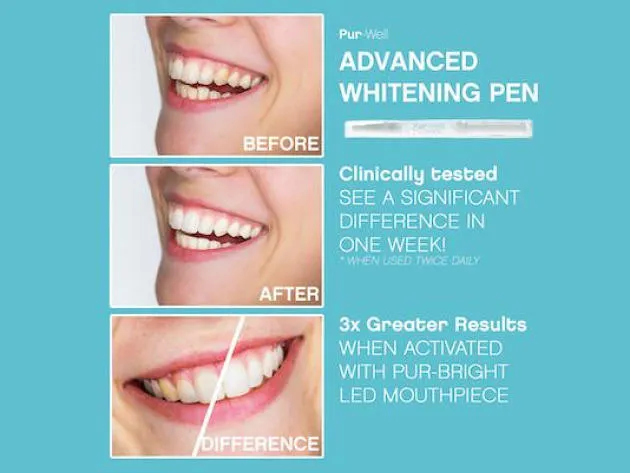
The Power of a Bright Smile
A radiant smile is a universal symbol of confidence, health, and vitality. It has the remarkable ability to light up a room and leave a lasting positive impression. The pursuit of a brighter smile has led to the growing popularity of teeth whitening treatments, offering a quick and effective way to enhance one’s appearance. The impact of a white smile extends beyond mere aesthetics; it can significantly boost self-esteem and influence social interactions. A study has shown that people with whiter teeth are often perceived as more successful, approachable, and attractive. The psychological benefits are undeniable, contributing to an overall sense of well-being and confidence in various aspects of life, both personal and professional.
Why Teeth Whitening Matters
In today’s image-conscious world, teeth whitening is more than just a cosmetic procedure; it’s a statement about self-care and attention to detail. Stained or discolored teeth can be caused by a variety of factors, including aging, genetics, dietary choices, and lifestyle habits. Coffee, tea, red wine, and certain foods are notorious for staining teeth, while smoking and tobacco use can lead to significant discoloration. Moreover, the natural aging process can also cause teeth to yellow as the enamel wears down. Therefore, teeth whitening has become a sought-after solution for those looking to restore the natural brightness of their smile. By addressing these common issues, teeth whitening helps individuals achieve a more youthful and vibrant appearance, contributing to greater self-assurance and improved social interactions. The process is now easier and more accessible than ever, with a range of options available to suit various needs and budgets.
Understanding Pur White Teeth Whitening

Pur White Teeth Whitening encompasses a range of methods designed to remove stains and discoloration from teeth, resulting in a noticeably brighter smile. These treatments work by using bleaching agents, typically hydrogen peroxide or carbamide peroxide, which penetrate the enamel and break down stain molecules. The effectiveness of teeth whitening depends on the type and concentration of the bleaching agent, as well as the duration of application. The goal is to restore the natural color of the teeth or to achieve a shade that is lighter than the original. There are two main categories of teeth whitening: professional treatments performed by a dentist and over-the-counter products available for home use. The choice of method often depends on factors such as the degree of staining, the individual’s sensitivity, and budget considerations. Consulting with a dental professional is always recommended to determine the most appropriate and safe approach.
Top 7 Whitening Secrets for Pur White Teeth
Achieving a brighter, whiter smile doesn’t have to be a complex undertaking. Several proven methods can significantly enhance the appearance of your teeth. From professional treatments to simple lifestyle adjustments, a combination of strategies can yield the best results. By incorporating these seven secrets into your daily routine, you can effectively combat stains, boost your confidence, and maintain a healthy, radiant smile. It is essential to note that consistency and patience are key, as visible improvements may take time. Let’s explore these effective strategies that will help you achieve a dazzling smile.
Secret 1 Professional Whitening Treatments
Professional teeth whitening offers the most dramatic and immediate results. Dentists use high-concentration bleaching agents that are not available over the counter. The process typically involves a thorough cleaning of the teeth, followed by the application of the whitening gel. A special light or laser is often used to accelerate the bleaching process. The entire procedure usually takes about an hour, and patients can see significant improvements in their tooth color in a single session. Professional whitening is ideal for those who want immediate results or have significant staining. However, it’s important to be aware of potential side effects, such as temporary tooth sensitivity. The dentist will monitor the process and offer guidance to minimize any discomfort. Following the treatment, the dentist may recommend a maintenance plan to preserve the results, which could include home whitening kits or lifestyle adjustments.
Secret 2 Over-the-Counter Whitening Products

For those seeking a more budget-friendly or convenient option, over-the-counter whitening products offer a viable solution. These include whitening strips, trays, toothpastes, and mouthwashes. Whitening strips are one of the most popular choices, as they are easy to use and readily available. They typically contain a lower concentration of bleaching agent than professional treatments. Whitening toothpastes and mouthwashes contain mild abrasives or chemicals that help remove surface stains. While these products may not provide the same dramatic results as professional treatments, they can effectively lighten teeth over time and are a good option for maintaining brightness. It is crucial to follow the product instructions carefully to avoid any potential side effects, such as gum irritation. Consulting with a dentist before using these products is always recommended to ensure they are appropriate for your specific needs.
Secret 3 Whitening Toothpastes and Rinses
Whitening toothpastes and mouthwashes are designed to remove surface stains and can contribute to a brighter smile. They often contain mild abrasives that gently polish the teeth, removing stains caused by coffee, tea, and other dietary factors. Some also include chemical agents that help to break down stain molecules. These products are generally safe for daily use, but it’s important to choose products that are not overly abrasive, as excessive abrasion can damage the enamel. Whitening toothpastes and rinses are an excellent way to maintain a white smile, but they are less effective at whitening teeth significantly. For optimal results, they should be used as part of a comprehensive oral hygiene routine, including regular brushing and flossing. Look for products that are approved by dental associations and contain fluoride to protect against cavities.
Secret 4 The Role of Diet in Whitening
Your diet plays a significant role in the brightness of your teeth. Certain foods and beverages can stain teeth, while others can contribute to a whiter smile. Making informed dietary choices can help prevent stains and enhance the effectiveness of whitening treatments. By adopting a teeth-friendly diet, you can actively maintain your smile’s radiance. This means reducing the consumption of staining foods and drinks and incorporating those that promote dental health. The focus should be on a well-balanced diet that benefits your overall health and your teeth.
Foods to Avoid for a Whiter Smile

Certain foods and drinks are notorious for staining teeth. Coffee, tea, red wine, and dark-colored sodas contain pigments that can adhere to the enamel and cause discoloration. Highly pigmented fruits and vegetables, such as berries, beets, and tomatoes, can also stain teeth. Additionally, acidic foods and drinks, such as citrus fruits and vinegar, can erode the enamel, making teeth more susceptible to stains. Smoking and chewing tobacco are major contributors to tooth discoloration and should be avoided. Limiting the consumption of these staining agents can significantly reduce the likelihood of tooth discoloration and improve the effectiveness of whitening treatments. Brushing your teeth shortly after consuming these items can also help to minimize staining.
Foods That Can Help Whiten Teeth
Incorporating certain foods into your diet can help promote a brighter smile. Crunchy fruits and vegetables, such as apples, celery, and carrots, act as natural abrasives and can help remove surface stains. Dairy products, such as milk, cheese, and yogurt, contain calcium and phosphates, which strengthen the enamel and protect against stains. Strawberries contain malic acid, which acts as a natural whitener. Drinking plenty of water helps to wash away food particles and prevent stains. Maintaining a balanced diet with these teeth-friendly foods can support your whitening efforts and help maintain a healthy, radiant smile. Proper nutrition plays a vital role in overall oral health.
Secret 5 Maintaining Oral Hygiene
A consistent oral hygiene routine is essential for maintaining a bright and healthy smile. This includes brushing your teeth at least twice a day, flossing daily, and using mouthwash. Regular brushing removes food particles and plaque, while flossing removes plaque and debris from between teeth, where a toothbrush cannot reach. Using a fluoride toothpaste helps strengthen the enamel and protect against cavities. Consistent oral hygiene is important for overall health and helps maximize the effectiveness of any whitening efforts. Incorporating these practices into your daily routine creates a strong foundation for a bright, healthy smile. The importance of oral hygiene extends far beyond mere aesthetics.
Brushing and Flossing Techniques

Proper brushing and flossing techniques are crucial for effective oral hygiene. Brush your teeth for two minutes each time, using gentle, circular motions, and making sure to reach all surfaces of your teeth. Use a soft-bristled toothbrush to avoid damaging the enamel. Angle the brush towards the gum line to remove plaque and bacteria. Floss daily, using a gentle sawing motion to remove plaque and debris from between your teeth. Ensure that you reach below the gum line to remove any accumulated plaque and food particles. These simple yet effective techniques can make a significant difference in maintaining a healthy, bright smile. Proper brushing and flossing are foundational elements of oral hygiene.
Secret 6 The Power of Natural Remedies
In addition to professional and over-the-counter methods, some natural remedies can help whiten teeth. These remedies should be used with caution and are not a replacement for professional dental care. Consult with your dentist before using any natural remedies to ensure they are suitable for your oral health.
Baking Soda and Hydrogen Peroxide
Baking soda and hydrogen peroxide are two popular natural remedies for teeth whitening. Baking soda is a mild abrasive that can help remove surface stains. Hydrogen peroxide has bleaching properties and can help lighten teeth. To use this remedy, mix a small amount of baking soda with hydrogen peroxide to form a paste. Brush your teeth with the paste for about two minutes, then rinse thoroughly. Use this mixture sparingly, as excessive use can damage the enamel. It is advisable to consult with your dentist before trying this remedy, particularly if you have sensitive teeth or gum problems. Natural remedies can be a gentle method, but safety is crucial.
Secret 7 Lifestyle Choices and Whitening

Lifestyle choices significantly impact the color of your teeth. Avoiding or limiting the consumption of staining foods and beverages can make a substantial difference. Quitting smoking and tobacco use can also prevent discoloration. Regular dental checkups and cleanings are also vital. Schedule visits to the dentist at least twice a year. Professional cleanings remove plaque and tartar, which can contribute to staining. Your dentist can also assess the overall health of your teeth and gums and recommend any necessary treatments. Combining these lifestyle choices with other whitening methods can result in a healthier, brighter smile.
The Importance of Regular Dental Checkups
Regular dental checkups are essential for maintaining oral health and maximizing the effectiveness of teeth whitening efforts. During a checkup, the dentist will clean your teeth, remove plaque and tartar, and assess your overall oral health. They can also identify any underlying issues, such as cavities or gum disease, that may affect the appearance of your teeth. Regular checkups can help maintain a healthy and bright smile. The dentist can provide professional cleaning and give personalized advice on oral hygiene. Addressing any issues promptly ensures long-term oral health. The investment in regular dental checkups is a significant investment in a healthy, radiant smile.