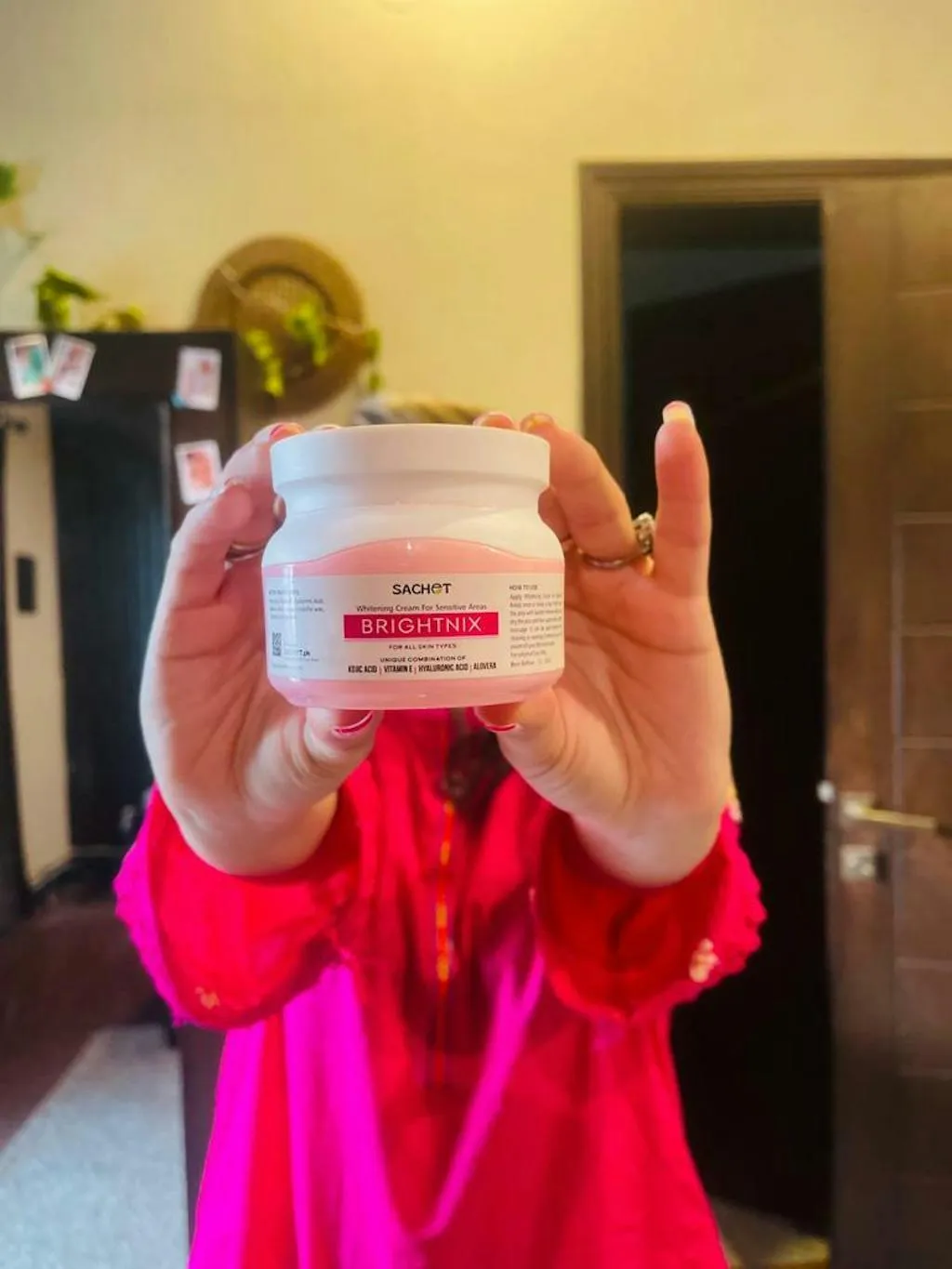
Understanding Hyperpigmentation in Sensitive Areas
Hyperpigmentation, the darkening of skin, is a common concern, particularly in sensitive areas such as the underarms, inner thighs, and bikini line. This discoloration occurs when an excess of melanin, the pigment responsible for skin color, is produced and deposited in the skin. Understanding the causes of hyperpigmentation is the first step towards effective treatment and management. These sensitive areas are prone to hyperpigmentation because of their unique characteristics, including thinner skin, increased friction, and exposure to various irritants. Addressing hyperpigmentation requires a careful approach, considering the sensitivity of these areas and selecting appropriate treatments like Asavea Whitening Cream to address these issues.
Causes of Hyperpigmentation
Several factors can contribute to hyperpigmentation in sensitive areas. It’s crucial to identify these triggers to prevent further darkening and tailor your skincare routine effectively. These causes range from internal body changes to external environmental factors. A holistic approach to skin care is essential to minimize these contributing factors, and effectively address the hyperpigmentation and prevent it from reoccurring, ensuring healthy skin.
Hormonal Changes

Hormonal fluctuations, such as those experienced during pregnancy, menstruation, or due to hormonal imbalances, can stimulate melanin production. These changes can lead to increased pigmentation in various areas, including sensitive skin zones. Pregnancy often brings on melasma, a type of hyperpigmentation, due to the surge of hormones. Addressing hormonal imbalances through medical consultation and adopting a gentle skincare routine can help manage and reduce this form of hyperpigmentation.
Skin Irritation and Inflammation
Inflammation and irritation, whether from shaving, waxing, harsh soaps, or other irritants, can trigger the skin to produce more melanin as a protective response. This post-inflammatory hyperpigmentation (PIH) is a common result of skin trauma. Minimizing irritation by using gentle products, opting for alternative hair removal methods, and avoiding harsh chemicals in skincare products can significantly reduce the risk of PIH and enhance the effectiveness of treatments.
Friction and Pressure
Repeated friction and pressure, such as that caused by tight clothing, exercise, or prolonged sitting, can cause hyperpigmentation. Areas that experience constant rubbing are more prone to developing darkened patches. Choosing loose-fitting clothing, avoiding activities that cause excessive friction, and maintaining proper hygiene are essential steps to prevent friction-induced hyperpigmentation and maintain skin health.
Sun Exposure

Sun exposure is a major factor in hyperpigmentation. Even in sensitive areas, exposure to UV rays can darken existing pigmentation and trigger new spots. Protecting these areas with sun-protective clothing or a broad-spectrum sunscreen is essential. Applying sunscreen, even in covered areas, helps prevent the worsening of hyperpigmentation and protects the skin from further damage.
Why Choose Asavea Whitening Cream?
Asavea Whitening Cream is formulated specifically for sensitive areas, making it a preferred choice for many. Unlike harsh products, Asavea focuses on gentle yet effective ingredients that work to lighten the skin while minimizing irritation. The cream is designed to address hyperpigmentation issues, providing users with a safer and more comfortable experience. Its formulation considers the delicate nature of sensitive skin, offering a solution that is both effective and gentle.
Key Ingredients and Their Benefits
Asavea Whitening Cream incorporates key ingredients known for their skin-lightening and soothing properties. These ingredients work synergistically to reduce hyperpigmentation and improve overall skin health. Understanding the benefits of each component helps users appreciate the cream’s effectiveness and how it contributes to achieving desired results without causing irritation.
Effective Ingredients

Asavea often includes ingredients like kojic acid, arbutin, niacinamide, and various plant extracts known for their skin-lightening properties. Kojic acid and arbutin inhibit melanin production, reducing the appearance of dark spots. Niacinamide improves skin tone and texture, while plant extracts, such as licorice root, have anti-inflammatory and antioxidant benefits. These ingredients are carefully selected to offer a comprehensive approach to skin lightening.
Gentle Formulation
The formulation of Asavea Whitening Cream prioritizes gentleness, making it suitable for sensitive skin. It often avoids harsh chemicals, fragrances, and dyes that can cause irritation. Instead, the cream includes soothing ingredients like aloe vera and chamomile, ensuring the skin remains calm and hydrated. This gentle approach minimizes the risk of adverse reactions and promotes a comfortable user experience, while also providing effective lightening.
How to Use Asavea Whitening Cream Safely
Using Asavea Whitening Cream safely involves following specific guidelines to maximize its effectiveness while minimizing the risk of irritation or side effects. Proper usage includes performing a patch test, using the cream correctly, and understanding how often to apply it. Following these steps ensures you can safely incorporate the cream into your skincare routine to achieve desired results.
Patch Test Procedure

Before applying Asavea Whitening Cream to a large area, a patch test is essential to check for potential allergic reactions or sensitivities. Apply a small amount of the cream to a discreet area of skin, such as the inner arm, and wait 24-48 hours. If no irritation, redness, or itching occurs, the cream is likely safe to use on sensitive areas. This step helps identify any adverse reactions early on and prevents widespread issues.
Application Technique
Apply Asavea Whitening Cream to clean, dry skin in a thin, even layer. Gently massage the cream into the affected area until it is fully absorbed. Avoid applying excessive amounts, which can lead to irritation, and make sure the cream is spread evenly to cover the area. It is crucial to apply the cream in a clean environment and to wash hands after application to prevent contamination and promote effective treatment.
Frequency of Use
Follow the product instructions, but typically, Asavea Whitening Cream is used once or twice daily. Consistency is key to achieving desired results. Regular use allows the active ingredients to work effectively, gradually lightening the skin. Do not exceed the recommended frequency, as over-application can lead to irritation. Always monitor your skin’s response and adjust the frequency as needed, and in the event of any adverse reactions, consider reducing the number of applications.
Realistic Expectations and Results

Managing expectations and understanding what results to anticipate is essential when using Asavea Whitening Cream. The journey to lighter skin involves several factors, and knowing how these influence results will help you maintain patience and follow the regimen consistently. While Asavea can significantly reduce hyperpigmentation, it is important to know the time frame and additional factors that influence its effectiveness.
Factors Affecting Results
The speed and extent of skin lightening can vary depending on the individual’s skin type, the severity of hyperpigmentation, and the consistency of use. The type of hyperpigmentation and lifestyle factors, such as sun exposure, also play a significant role. Results typically become visible over several weeks or months of consistent use, and it’s important to remain patient and maintain a regular skincare routine. Avoiding sun exposure and following a consistent skin care regimen improves and quickens the results.
Maintaining Results
After achieving the desired skin lightening, maintaining results requires continued care and preventive measures. This includes regular use of sunscreen to protect against sun exposure, which can worsen hyperpigmentation, and using the whitening cream as directed to keep the skin tone even. Avoiding harsh treatments, using gentle skincare products, and practicing good hygiene in sensitive areas will help maintain and extend the results. Regular checkups with a dermatologist can also help to assess progress and provide recommendations.
Precautions and Side Effects
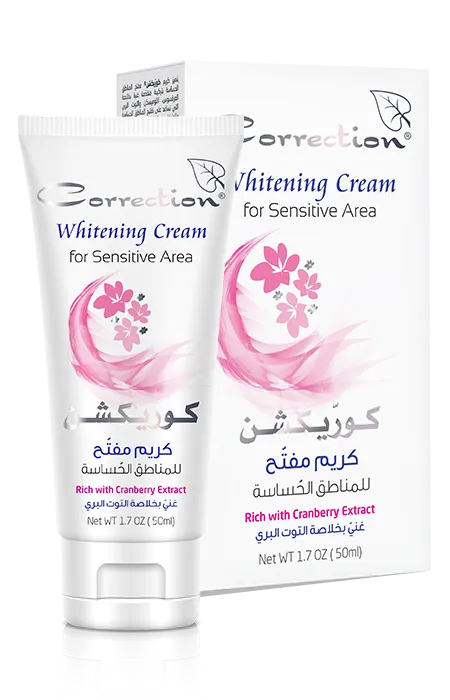
Being aware of potential side effects and taking appropriate precautions is crucial when using any skin-lightening product. While Asavea Whitening Cream is formulated for sensitive areas, understanding the potential risks and how to manage them ensures a safe and comfortable experience. Always prioritize skin health while striving to achieve the desired skin tone and appearance.
Who Should Avoid Whitening Creams
Certain individuals should avoid using skin-lightening creams, particularly those with known allergies to any of the ingredients. Pregnant or breastfeeding women should consult a doctor before use, as some ingredients may not be safe. Individuals with pre-existing skin conditions or those who have very sensitive skin should also exercise caution. Consulting a dermatologist will help determine whether skin-lightening creams are suitable for your skin condition and any potential risks associated with usage.
Potential Side Effects and How to Manage Them
Common side effects include mild irritation, redness, or itching. If irritation occurs, reduce the frequency of use or discontinue the cream and consult with a dermatologist. More severe side effects are rare, but can include increased sensitivity to the sun. Always wear sunscreen, and seek medical advice immediately if you notice any adverse reactions. Proper management and prompt action will help to mitigate adverse side effects.
Alternatives to Whitening Creams

If you cannot use whitening creams, there are alternative treatments for hyperpigmentation. These include chemical peels, laser treatments, and microdermabrasion, which can remove the top layers of skin and reduce discoloration. Other options include home remedies using natural ingredients, such as lemon juice and aloe vera, though these may not be as effective. Consult with a dermatologist to find an effective alternative to whitening creams.
In conclusion, addressing hyperpigmentation in sensitive areas requires a comprehensive approach that includes understanding the causes, using appropriate products like Asavea Whitening Cream, and practicing good skincare habits. By following the guidelines, you can safely and effectively lighten the skin and achieve a more even skin tone. Remember to be patient, consistent, and prioritize the health of your skin throughout the process. If any concerns arise, consult a dermatologist to ensure the best outcome.