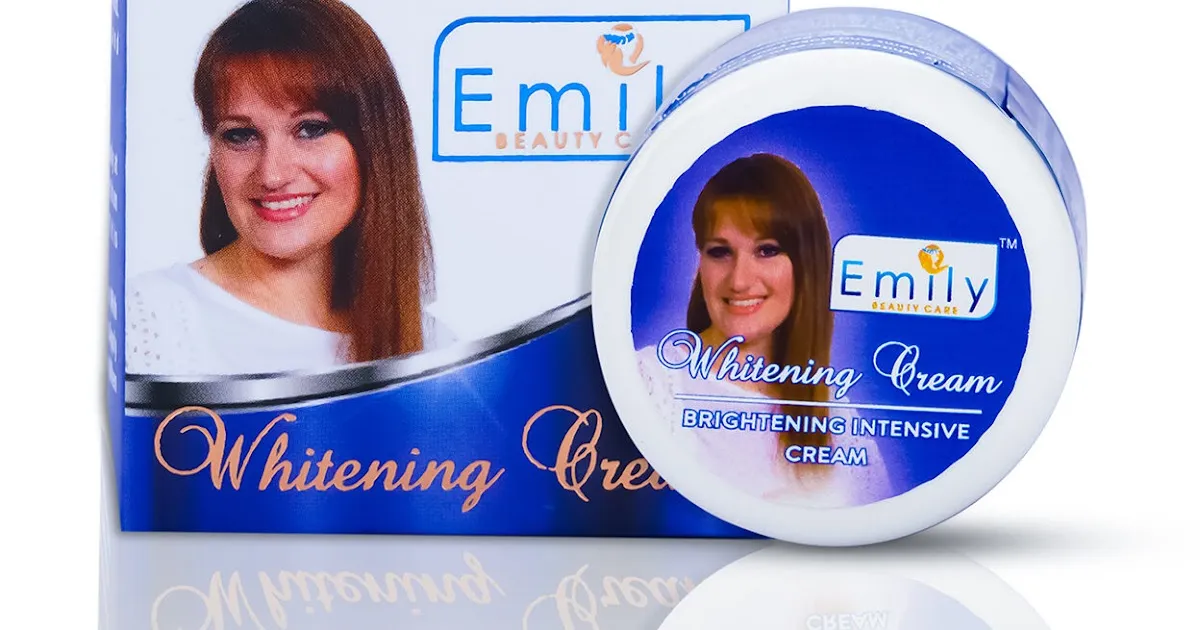
What is Whitening Cream?
Whitening creams, often marketed as brightening or lightening creams, are skincare products designed to reduce the appearance of dark spots, hyperpigmentation, and uneven skin tone. They work by inhibiting melanin production, the pigment responsible for the color of our skin. The ultimate goal is to achieve a more even and radiant complexion. These creams are not intended to completely change your natural skin color but rather to address specific concerns like sunspots, age spots, acne scars, and other forms of discoloration. The effectiveness of these creams depends on several factors, including the active ingredients, the concentration of those ingredients, and the individual’s skin type and condition. It’s important to understand how these products work and what to expect before incorporating them into your skincare routine to ensure safe and effective use, leading to the desired glowing skin.
Understanding the Ingredients
The effectiveness of a whitening cream largely depends on its active ingredients. These ingredients work in different ways to target melanin production, the pigment that gives skin its color. Some common ingredients include hydroquinone, retinoids, vitamin C, and arbutin. Each ingredient has a unique mechanism of action and varying levels of effectiveness. Some ingredients work by blocking the enzyme tyrosinase, which is crucial for melanin production, while others promote skin cell turnover to shed pigmented cells. It is essential to understand the role of each ingredient and how it benefits the skin. Considering that different formulations may suit different skin types, a well-informed choice can improve the benefits while mitigating potential side effects. The appropriate choice of active ingredients should be based on individual needs, preferences, and skin condition, to ensure the best possible results.
Hydroquinone

Hydroquinone is a potent skin-lightening agent that works by inhibiting the enzyme tyrosinase, which is essential for melanin production. It is often considered one of the most effective ingredients for treating hyperpigmentation, such as age spots, sunspots, and melasma. However, due to its strength, hydroquinone can also cause side effects like skin irritation, redness, and, in rare cases, ochronosis (a permanent darkening of the skin). Regulations regarding hydroquinone vary by country, with some regions restricting its concentration or requiring a prescription. When using hydroquinone, it’s crucial to follow the instructions carefully and use it under the guidance of a dermatologist. Proper use includes starting with a low concentration, gradually increasing as tolerated, and incorporating sun protection to prevent further skin damage. It is an effective option for treating pigmentation, but should be approached with caution and care.
Retinoids
Retinoids, derived from vitamin A, are another valuable component of many whitening creams. Retinoids work by promoting cell turnover, which helps to shed pigmented skin cells and reveal fresher, brighter skin underneath. They also boost collagen production, which can improve the overall texture and appearance of the skin. Common types of retinoids include retinol, retinaldehyde, and tretinoin, with tretinoin being the strongest and available by prescription. Retinoids are effective in treating acne, reducing fine lines and wrinkles, and addressing uneven skin tone. However, retinoids can cause side effects like dryness, redness, and sensitivity to sunlight, particularly when starting. It’s essential to gradually incorporate retinoids into your skincare routine, starting with a low concentration and increasing frequency as tolerated. Sunscreen is crucial when using retinoids, as they increase your skin’s sensitivity to the sun. The combination of retinoids and sun protection can significantly improve skin brightness and reduce hyperpigmentation.
Vitamin C
Vitamin C is a powerful antioxidant that plays a significant role in skin brightening and protection. It helps to lighten dark spots and even out skin tone by inhibiting melanin production. Furthermore, vitamin C protects the skin from free radical damage caused by environmental factors such as UV rays and pollution. The antioxidant properties of vitamin C contribute to anti-aging effects by promoting collagen synthesis and reducing the appearance of fine lines and wrinkles. Vitamin C comes in various forms, such as ascorbic acid, magnesium ascorbyl phosphate, and sodium ascorbyl phosphate, with different levels of stability and effectiveness. It is typically used in serums or creams, and best applied in the morning before sun exposure. Using vitamin C regularly can lead to brighter, more radiant skin and a more youthful appearance. It should be combined with other ingredients, like sunscreen, to fully maximize its benefits.
Arbutin

Arbutin is a natural skin-brightening agent derived from plants like bearberry. It works by inhibiting tyrosinase, an enzyme essential for melanin production, similar to hydroquinone, but often with fewer side effects. Arbutin is gentler on the skin, making it suitable for people with sensitive skin or those who cannot tolerate hydroquinone. There are two main forms of arbutin alpha-arbutin and beta-arbutin, with alpha-arbutin generally considered more effective. Alpha-arbutin is more stable and offers better results than the beta variant. Arbutin can be effective in treating age spots, acne scars, and uneven skin tone, leading to a brighter complexion. It is often found in serums, creams, and lotions and can be combined with other skin-brightening ingredients like vitamin C for enhanced results. When using arbutin, consistency is crucial. Regular application over several weeks is often necessary to see visible improvements in skin tone and radiance. It is a good option for those looking for a less aggressive approach to skin lightening.
How Whitening Cream Works
Whitening creams work by targeting melanin production, the pigment responsible for skin color. Melanin is produced by melanocytes, specialized cells in the skin, and the process is stimulated by factors like sun exposure, hormonal changes, and inflammation. The active ingredients in whitening creams interfere with this process in several ways. Some ingredients, like hydroquinone and arbutin, inhibit the enzyme tyrosinase, which is essential for melanin synthesis. Others, like vitamin C, act as antioxidants, protecting the skin from free radicals that can trigger melanin production and promoting even skin tone. Retinoids work by increasing cell turnover, helping to shed pigmented cells from the skin’s surface. All of these mechanisms contribute to lightening existing dark spots and preventing the formation of new ones, ultimately leading to a brighter and more even complexion. It is crucial to understand how each ingredient works to manage expectations and choose products that match your specific skin concerns.
The Science Behind Skin Whitening
Skin whitening is a complex process that is deeply rooted in the science of melanin production. Melanin synthesis, or melanogenesis, is influenced by various factors, including genetics, sun exposure, and inflammation. The process begins when melanocytes produce melanin, the pigment responsible for skin color. Tyrosinase is the key enzyme that catalyzes the formation of melanin from the amino acid tyrosine. Whitening creams aim to interfere with this process at various stages. Some inhibit tyrosinase, reducing melanin production directly. Others, such as antioxidants, protect melanocytes from damage, thus reducing the stimulation to produce melanin. Still others, such as retinoids, promote cell turnover, helping to eliminate pigmented skin cells. These interventions work synergistically to create a lighter and more even complexion. The science behind skin whitening is constantly evolving, with new ingredients and methods being developed to improve efficacy and minimize side effects. Understanding the underlying scientific principles allows for more informed choices and better management of skincare routines.
Targeting Melanin Production

The primary goal of most whitening creams is to control melanin production. This involves targeting various stages of melanogenesis, the process by which melanin is created. Ingredients like hydroquinone and arbutin directly inhibit tyrosinase, the enzyme responsible for the conversion of tyrosine to melanin. This reduces the amount of pigment produced, leading to lighter skin. Other ingredients, such as vitamin C, help by reducing the formation of free radicals and protecting melanocytes from damage. This minimizes the stimulation to produce more melanin. Retinoids work by accelerating the natural shedding of skin cells, helping to remove existing melanin from the surface. Moreover, certain ingredients may reduce inflammation, which can trigger increased melanin production. Effective skin whitening strategies involve a multifaceted approach that targets melanin production at several points. This reduces the intensity of dark spots, promotes overall skin lightening, and contributes to an even skin tone. Consistent use, combined with sun protection, yields the best and most enduring results.
Types of Whitening Creams
Whitening creams are available in various formulations, each with unique advantages and intended uses. The most common types include creams, serums, and lotions. Creams are often thicker and richer, providing enhanced hydration and are suitable for drier skin types. Serums are generally lightweight and formulated with a high concentration of active ingredients, making them ideal for targeted treatments. Lotions, which are lighter than creams but richer than serums, offer a balance of hydration and treatment. The choice of product depends on the individual’s skin type, the specific concerns being addressed, and personal preferences. Understanding the differences between the types of whitening creams can help in choosing the best option. Proper selection makes it easier to create an effective and enjoyable skincare routine, improving skin brightness and achieving the desired outcome.
Creams vs. Serums
The primary distinction between creams and serums lies in their texture, formulation, and intended use. Creams usually have a thicker consistency, offering enhanced hydration and often containing emollients that lock in moisture. Creams are beneficial for drier skin, providing a protective barrier and a sustained release of active ingredients. Serums, on the other hand, are typically lightweight and have a high concentration of active ingredients. They are absorbed quickly and can penetrate the skin more deeply, making them ideal for targeted treatments. Serums work best on oily or acne-prone skin, as they tend to be non-comedogenic. The choice between a cream and a serum will depend on skin type and desired outcome. If your skin needs more hydration, a cream may be the better choice. If you want to address specific concerns like dark spots or uneven tone, a serum may be more effective. Many people use both, layering the serum under the cream to get the advantages of both formulations.
Day Creams vs. Night Creams

Whitening creams are also classified by their intended use: day creams and night creams. Day creams often include ingredients that offer protection against environmental stressors, such as antioxidants and SPF. They are designed to be lightweight, fast-absorbing, and suitable for applying makeup. The formulation helps defend the skin against free radicals and UV radiation, which can worsen hyperpigmentation. Night creams, however, typically contain higher concentrations of active ingredients, such as retinoids and AHAs, as they are designed for repair and rejuvenation. During the night, the skin’s repair mechanisms are most active, and these ingredients can work more effectively. Night creams may be thicker and richer to help restore the skin’s natural moisture balance. Choosing the right type of cream is essential for building an effective routine. Using a day cream with sun protection and a night cream with concentrated treatments optimizes skin brightening efforts while keeping skin healthy and protected.
How to Choose the Right Whitening Cream
Choosing the right whitening cream is crucial for achieving the desired results safely and effectively. Consider your skin type, the specific concerns you want to address, and the ingredients in the product. Understanding your skin type will help you avoid irritation and ensure the cream’s effectiveness. For example, if you have sensitive skin, choose products with gentler ingredients like arbutin and vitamin C, and avoid harsh ones like hydroquinone. Always read reviews and recommendations to get insights from other users. The experiences of other users can provide valuable information about the product’s effectiveness, potential side effects, and user experience. Before using a new product, it’s wise to perform a patch test by applying a small amount to an inconspicuous area, like the inner arm, to check for any adverse reactions. This step is very important to minimize potential risks. Selecting the right whitening cream involves careful consideration and proper testing.
Consider Your Skin Type
Your skin type plays a significant role in determining which whitening cream is most appropriate for you. If you have oily skin, choose lightweight, non-comedogenic products that won’t clog pores. Serums and lotions are better options compared to rich creams. For dry skin, select thicker, hydrating creams that contain emollients to lock in moisture and ingredients like hyaluronic acid to boost hydration. Sensitive skin requires extra care, with gentle formulations and ingredients like arbutin and vitamin C, avoiding harsh ingredients like hydroquinone and high concentrations of retinoids. If you have combination skin, use different products for different areas, or look for balanced formulations that cater to both oily and dry zones. Understanding your skin type will help you choose the right ingredients, avoid potential irritants, and ensure that the whitening cream effectively addresses your specific needs. This approach will help you to achieve the best possible outcomes and enjoy healthier, glowing skin.
Read Reviews and Recommendations

Reading reviews and recommendations from other users is an essential step in selecting a whitening cream. Online reviews can provide valuable insights into a product’s effectiveness, potential side effects, and user experience. Look for reviews that discuss the product’s performance on various skin types and concerns similar to yours. Be aware that some reviews may be biased, so it’s important to consider information from multiple sources. Recommendations from dermatologists or skincare experts can be very helpful, as they can offer professional insights and guide you towards suitable products. When evaluating reviews, pay attention to the long-term results reported by other users. Also, be mindful of any common complaints, such as skin irritation or lack of effectiveness. Gathering a thorough understanding of user experiences will help you make an informed decision. This ensures that you choose a whitening cream that has the best chance of providing satisfying results while minimizing potential risks.
Tips for Using Whitening Cream Effectively
To maximize the effectiveness of a whitening cream, proper application and integration into your skincare routine are essential. Follow the product instructions carefully, paying attention to the recommended amount, frequency, and application techniques. Apply the cream to clean, dry skin, preferably after cleansing and toning. Consistency is critical; use the cream regularly as directed to see the best results. Sun protection is non-negotiable. Always use a broad-spectrum sunscreen with an SPF of 30 or higher to prevent further damage and protect your skin from the sun. It’s also vital to understand potential side effects and take precautions to manage them. Always perform a patch test to check for irritation. If you experience any adverse reactions, stop use and consult a dermatologist. By following these tips, you can enhance the benefits of your whitening cream and work toward achieving a radiant complexion.
Application Techniques
Proper application techniques will significantly improve the effectiveness of your whitening cream. Start by cleansing and toning your skin to prepare it for the product. Gently pat your skin dry. Apply a small amount of the cream to the affected areas, typically the face, neck, or hands. Use your fingertips to gently massage the cream into the skin in upward, circular motions. This helps with absorption and stimulates circulation. Avoid rubbing the cream vigorously, as this can irritate the skin. For serums, use a dropper or applicator to apply a few drops to your fingertips and gently pat them onto your skin. If you’re using multiple products, apply the thinnest consistency first, followed by thicker creams. During the day, always apply sunscreen as the final step in your skincare routine. Consistent application is necessary to achieve the best results. Following these techniques will maximize the benefits of your whitening cream and boost your overall skin health.
Integrating Whitening Cream into Your Routine

Integrating a whitening cream into your skincare routine requires careful planning to ensure its effectiveness. Start with a gentle cleanser to remove impurities. Follow this with a toner to balance your skin’s pH levels. Apply the whitening cream as directed, typically before your moisturizer. In the morning, always apply a broad-spectrum sunscreen with an SPF of 30 or higher after the whitening cream. If you use other skincare products, apply them in order from thinnest to thickest consistency. For example, a serum would go before the whitening cream, and a moisturizer would follow. When introducing a new product, do a patch test to ensure there are no adverse reactions. Be patient and consistent. Results may take several weeks or months to become visible. Consider your skin’s needs and adjust the routine accordingly. Adding a whitening cream to your skincare routine helps to enhance brightness, even out skin tone, and give you radiant skin.
Potential Side Effects and Precautions
Whitening creams, while effective, can have potential side effects. Some of the common side effects include skin irritation, redness, dryness, and peeling. More serious side effects can include contact dermatitis and, in rare cases, ochronosis, a permanent darkening of the skin. It’s essential to be aware of these risks before incorporating a whitening cream into your skincare routine. Always perform a patch test on a small area of skin before applying the product to your entire face or body. If you experience any irritation, discontinue use immediately and consult a dermatologist. When using hydroquinone, be especially cautious and follow instructions strictly, as overuse or misuse can lead to serious side effects. Pregnant or breastfeeding women should consult a doctor before using any whitening cream, as some ingredients may not be safe. Using the product correctly and seeking expert help if any problems occur can help to minimize potential risks.
Managing Irritation
Skin irritation is a common side effect of whitening creams, especially those containing potent ingredients. If you experience irritation, reduce the frequency of application or try using a lower concentration of the active ingredient. Always incorporate a gentle, hydrating moisturizer to soothe and protect your skin. If the irritation persists or worsens, consult a dermatologist. They may recommend a different product or advise you on how to manage your skin condition. Avoid using other harsh products or exfoliants while your skin is irritated, as this can worsen the situation. If your skin becomes very sensitive, consider taking a break from the whitening cream and focus on repairing the skin barrier with hydrating and soothing products. To help prevent irritation, always introduce new products gradually and perform a patch test before using them. By managing irritation, you can minimize discomfort and help your skin tolerate whitening creams effectively.
Sun Protection is Essential

Sun protection is not optional; it is absolutely essential when using whitening creams. The active ingredients in whitening creams, particularly retinoids and hydroquinone, can make your skin more sensitive to the sun. Exposure to UV rays can worsen hyperpigmentation and cause further skin damage. Always apply a broad-spectrum sunscreen with an SPF of 30 or higher every morning, even on cloudy days. Reapply sunscreen every two hours, especially if you are spending time outdoors. Use protective clothing, such as hats and sunglasses, to further shield your skin from the sun. Avoid direct sun exposure during peak hours, typically between 10 a.m. and 4 p.m. Without proper sun protection, whitening creams can become less effective or even lead to more pigmentation. Making sun protection a non-negotiable part of your skincare routine ensures that you protect your skin and maximize the benefits of your whitening cream, leading to glowing, healthy skin.
Whitening Cream and Other Treatments
Whitening creams can be combined with other skincare treatments to enhance their effectiveness and achieve better results. Exfoliation can help to remove dead skin cells, allowing the whitening cream to penetrate more effectively. Professional treatments, like chemical peels and laser therapy, can address deeper layers of pigmentation. However, when combining treatments, it’s important to be cautious and consult a dermatologist. Combining multiple treatments can increase the risk of irritation and other side effects. Always follow the instructions carefully and introduce new treatments gradually. Sun protection is crucial, especially when combining treatments. Always use a broad-spectrum sunscreen to protect your skin from UV damage. By combining whitening creams with complementary treatments, you can create a comprehensive skincare routine that effectively targets hyperpigmentation and reveals a brighter, more even complexion.
Combining with Exfoliation
Combining a whitening cream with exfoliation can significantly improve its effectiveness. Exfoliation removes dead skin cells from the skin’s surface, allowing the whitening cream to penetrate more deeply and work more efficiently. There are several forms of exfoliation, including chemical exfoliants, such as AHAs and BHAs, and physical exfoliants, like scrubs and brushes. Chemical exfoliants dissolve dead skin cells, while physical exfoliants manually remove them. Incorporate exfoliation into your routine one to three times a week, depending on your skin’s sensitivity. Be careful not to over-exfoliate, as this can lead to irritation and damage your skin barrier. If you’re using a whitening cream with a retinoid, you might already be getting some exfoliation, so monitor your skin’s response and adjust accordingly. By combining exfoliation with whitening cream, you can boost cell turnover and accelerate the lightening process, which leads to improved results and a brighter complexion.
Professional Treatments to Consider
If you are not getting desired results from over-the-counter whitening creams, consider professional treatments. Dermatologists offer a range of procedures, like chemical peels, microdermabrasion, and laser therapy, to address hyperpigmentation and improve skin tone. Chemical peels use chemical solutions to exfoliate the skin and promote cell turnover. Microdermabrasion uses a special tool to gently sand away the top layer of skin. Laser therapy uses concentrated light to target and destroy excess melanin, which targets pigmented areas. These treatments can be more effective than topical creams, as they can penetrate deeper layers of the skin. Before undergoing professional treatments, consult with a dermatologist to determine the best option for your skin type and concerns. Professional treatments often provide faster and more visible results. They can be a useful option for individuals who want to improve their skin brightness and address stubborn areas of pigmentation, leading to glowing, healthy skin.