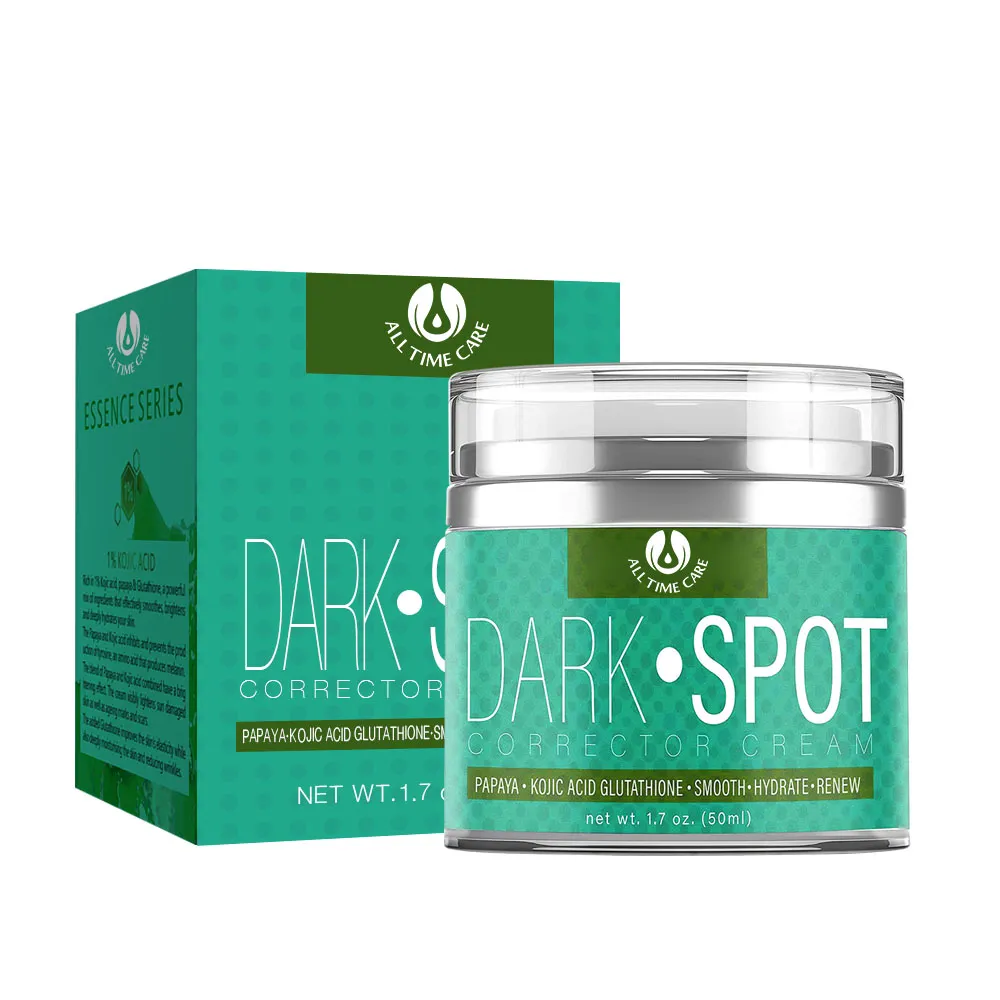
The Whitening Cream Overview
Whitening creams have become increasingly popular for their ability to address uneven skin tones, dark spots, and hyperpigmentation. These products work by targeting melanin, the pigment responsible for skin color. While the market offers a vast array of whitening creams, it’s essential to approach their use with informed caution. This article explores five key facts you should know about whitening creams, helping you make educated decisions regarding your skincare routine. We’ll delve into what these creams are, how they function, and their suitability for different skin types. Understanding the fundamentals is crucial before integrating any new product into your skincare regimen. Proper knowledge empowers you to achieve desired results while minimizing potential risks. This guide provides a comprehensive overview, ensuring you’re well-equipped to navigate the world of whitening creams.
Understanding Whitening Creams
Whitening creams, often referred to as bleaching creams or skin lightening creams, are designed to reduce the concentration of melanin in the skin. They aim to lighten dark spots, reduce hyperpigmentation, and even out skin tone. These products can contain various active ingredients that inhibit melanin production or accelerate the turnover of skin cells. It’s important to note that the terms ‘whitening,’ ’lightening,’ and ‘bleaching’ are often used interchangeably, but their effects and mechanisms can vary. Not all whitening creams are created equal; their effectiveness and suitability depend on the active ingredients, skin type, and specific skin concerns. The best approach involves selecting products with proven ingredients and consulting with a dermatologist to ensure they align with your individual needs and goals. Additionally, understanding the difference between these products and other skincare options is essential for setting realistic expectations and achieving desired results.
How Whitening Creams Work

The mechanism behind whitening creams centers around disrupting the production or transfer of melanin. Ingredients like hydroquinone, kojic acid, and vitamin C work in different ways to achieve this. Hydroquinone, a potent ingredient, inhibits tyrosinase, an enzyme crucial for melanin production. Kojic acid also inhibits tyrosinase, though it is generally considered milder. Vitamin C, a powerful antioxidant, not only lightens the skin but also protects it from free radical damage, which can contribute to hyperpigmentation. Some creams may also contain ingredients that promote cell turnover, helping to shed pigmented skin cells and reveal a lighter complexion. It’s essential to understand the specific ingredients in a product and how they interact with your skin. Regular and consistent use, as well as adherence to the manufacturer’s instructions, is key to seeing results, although it’s equally important to be patient and realistic about the outcomes.
Whitening Cream for All Skin Types
While whitening creams are available for various skin types, it’s crucial to choose products specifically formulated for your skin’s needs. Those with sensitive skin should opt for milder formulations and possibly consult a dermatologist before use. Oily skin types may benefit from lighter, non-comedogenic creams that won’t clog pores. Dry skin types should look for products with moisturizing ingredients to prevent dryness and irritation. For all skin types, patch testing a new cream is highly recommended to check for adverse reactions. Regardless of your skin type, the goal is to find a product that addresses your specific concerns while maintaining skin health. Always prioritize gentle formulations and gradually introduce new products to your skincare routine. Paying close attention to how your skin reacts can help you tailor your approach and minimize any potential side effects.
Top 5 Whitening Cream Facts
Fact 1 Benefits of Whitening Cream

Whitening creams offer several potential benefits beyond simply lightening the skin. They can effectively reduce the appearance of dark spots caused by sun damage, acne scars, and hormonal changes. Many of these creams also help even out skin tone, resulting in a more uniform complexion. Some formulations include ingredients that provide antioxidant protection, fighting against free radicals and preventing further damage. The use of whitening creams can also boost overall skin radiance and improve texture. Ultimately, the benefits depend on the specific ingredients, the consistency of use, and the individual’s skin type and concerns. Results can range from subtle improvements to more dramatic transformations, depending on these factors. However, it is crucial to be realistic about the expected outcomes and to maintain a comprehensive skincare regimen that includes sun protection and proper hydration.
Fact 2 Ingredients to Look For
When choosing a whitening cream, it’s essential to be aware of the active ingredients. Hydroquinone is one of the most effective, but it requires careful use and can cause side effects. Kojic acid and arbutin are considered gentler alternatives. Vitamin C, niacinamide, and licorice extract are also popular ingredients known for their lightening and antioxidant properties. Always check the ingredient list and look for products with a concentration appropriate for your skin type. It’s advisable to avoid products with potentially harmful ingredients, such as high concentrations of mercury. It’s also important to be aware of the potential interactions between different ingredients. Consulting a dermatologist can provide personalized recommendations. Ingredients’ effectiveness can vary. Thorough research and professional guidance are critical for choosing a safe and effective product.
Fact 3 How to Use Whitening Cream
Proper application is key to maximizing the effectiveness of a whitening cream and minimizing side effects. Typically, these creams are applied to clean, dry skin once or twice daily, as directed by the product label or your dermatologist. It’s crucial to start with a small amount and gradually increase as tolerated. Always apply sunscreen during the day, as whitening creams can make your skin more sensitive to the sun. Consistent use is vital; results take time and patience. Avoid using excessive amounts, and do not apply the cream to broken skin or near the eyes. If you experience irritation or adverse reactions, discontinue use immediately and consult a healthcare professional. Following the manufacturer’s instructions and maintaining a consistent skincare routine will contribute to the best possible outcomes. Patience, combined with proper application, ensures optimal results.
Fact 4 Potential Risks and Side Effects

Whitening creams can cause side effects, ranging from mild to severe. Common side effects include skin irritation, redness, and dryness. Some people may experience allergic reactions or contact dermatitis. Hydroquinone can cause ochronosis, a permanent skin discoloration, if used improperly. It is important to be aware of these risks before starting any whitening cream. Always perform a patch test before applying the cream to a larger area. Stop using the product immediately if you experience any adverse reactions. Pregnant or breastfeeding women should consult their doctors before using whitening creams. Being informed and cautious is the best approach. Proper use and consultation with a healthcare professional will minimize potential risks and ensure safe application.
Fact 5 Finding the Right Product
Finding the right whitening cream involves several considerations. Begin by identifying your skin type and specific concerns. Research different brands and products, reading reviews and comparing ingredients. Look for products that are dermatologist-tested and formulated for your skin type. Consider the active ingredients and their concentrations. Don’t hesitate to consult with a dermatologist or skincare professional for personalized recommendations. They can assess your skin and suggest products that are suitable and effective for you. Always prioritize safety, and choose reputable brands with proven track records. When exploring, be prepared to try a few different products before finding the perfect match. Finding the right cream may take time and effort, but it’s essential for achieving the best results while maintaining your skin’s health. Combining this with a good skincare routine will give best outcomes.
Choosing the Right Whitening Cream
Identifying Your Skin Type

Identifying your skin type is the first crucial step in selecting the right whitening cream. Skin types generally fall into one of four categories normal, dry, oily, and combination. Understanding your skin’s characteristics helps you choose a product that is effective and minimizes the risk of irritation. If you have dry skin, you will want to seek out products that are gentle, hydrating, and contain moisturizing ingredients. Oily skin types benefit from lightweight, non-comedogenic creams. Combination skin requires a balance, addressing both dry and oily areas. If you’re unsure of your skin type, consult a dermatologist or a skincare professional who can provide a professional assessment. Taking the time to determine your skin type will greatly improve your chances of selecting a cream that aligns with your skin’s needs and leads to a positive outcome.
Reading Product Labels
Carefully reading product labels is vital for understanding what a whitening cream contains and how it functions. Pay attention to the active ingredients and their concentrations. Look for information about the product’s intended use, such as for lightening dark spots, evening skin tone, or reducing hyperpigmentation. Review the list of inactive ingredients to identify potential allergens or irritants. Check the directions for use, including how often and when to apply the cream, and any warnings or precautions. Be wary of products with vague claims or ingredients that you are unfamiliar with. If you have any questions about a product’s ingredients or use, don’t hesitate to consult a dermatologist or a skincare professional. Thoroughly reading the label is an essential step in ensuring you select a product that is safe and suitable for your needs.
Seeking Professional Advice
Consulting with a dermatologist or a skincare professional offers valuable guidance in selecting a whitening cream. A professional can assess your skin type, identify specific concerns, and recommend suitable products based on your individual needs. They can provide insights into the effectiveness and potential risks of different ingredients, helping you avoid products that may cause irritation or adverse reactions. Moreover, dermatologists can provide customized advice for your skincare routine, which may include using other products and techniques. Seeking professional advice is particularly beneficial if you have sensitive skin, underlying skin conditions, or any concerns about the ingredients. By consulting a professional, you can make informed decisions and ensure you are choosing a product that is safe, effective, and appropriate for your skin. It guarantees a tailored approach, which increases the chances of obtaining desired results while maintaining your skin’s health.
Maintaining Healthy Skin

Establishing a Skincare Routine
Establishing a comprehensive skincare routine is vital for maintaining healthy skin and maximizing the effectiveness of any whitening cream. A typical routine includes cleansing, toning, applying the cream, and moisturizing. Start with a gentle cleanser suitable for your skin type to remove impurities and prepare the skin for subsequent treatments. After cleansing, use a toner to balance the skin’s pH. Next, apply the whitening cream as directed, following the manufacturer’s instructions. In the morning, always apply a broad-spectrum sunscreen with an SPF of 30 or higher to protect your skin from sun damage. Finish with a moisturizer to hydrate the skin and seal in moisture. Consistent use of this routine, combined with regular exfoliation, will enhance the results of your whitening cream and promote overall skin health. Adapting your routine to match your skin’s changing needs ensures you can continually maintain healthy skin.
Additional Skincare Tips
In addition to your regular skincare routine, there are several other tips to support your skin health. Ensure you are drinking plenty of water to keep your skin hydrated and plump. Eat a balanced diet rich in vitamins, minerals, and antioxidants to nourish your skin from within. Avoid smoking and excessive alcohol consumption, as these can damage your skin. Manage stress through relaxation techniques, as stress can exacerbate skin problems. Get adequate sleep to allow your skin to repair and regenerate overnight. Consider using other skincare products that complement your whitening cream, such as serums containing vitamin C or hyaluronic acid. Schedule regular check-ups with a dermatologist to monitor your skin’s health and address any concerns. Implementing these extra steps will amplify the benefits of your whitening cream, resulting in healthier and more radiant skin.
Final Thoughts on Whitening Creams

Whitening creams can be valuable tools for addressing uneven skin tone and hyperpigmentation, but it’s essential to approach their use with caution and informed awareness. Understanding how these creams work, their potential benefits, and their associated risks is crucial for making the right choice. Choosing the right product, using it correctly, and maintaining a comprehensive skincare routine will greatly enhance your outcomes. Remember to prioritize skin health and seek professional advice when needed. Patience and consistency are key. With the correct approach, you can achieve your desired results while preserving the health and radiance of your skin. Whitening creams, when used thoughtfully, offer a powerful way to enhance your skin. Always focus on a holistic approach that combines skincare with healthy habits to achieve optimal and long-lasting results.