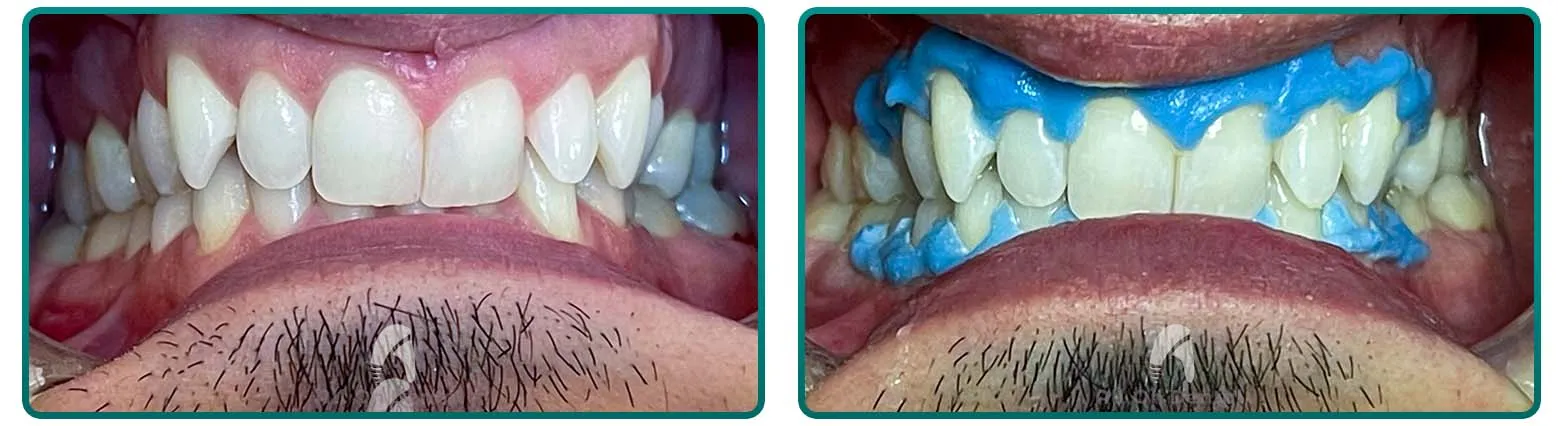
What are Whitening Moulds
Whitening moulds, also known as bleaching trays, are custom-fitted or pre-made trays designed to hold teeth whitening gel in close contact with your teeth. These moulds are a popular method for achieving a brighter, whiter smile, offering a convenient and often more affordable alternative to in-office whitening treatments. They work by allowing the bleaching agent, typically containing hydrogen peroxide or carbamide peroxide, to effectively penetrate the enamel and break down stains. Using whitening moulds at home can be a great option for those looking to improve their smile, but understanding how they work and how to use them safely is crucial for achieving the best results and avoiding any potential problems. This guide will help you understand the process of using whitening moulds and achieving a perfect smile.
Understanding the Basics
Before diving into the specifics, it’s important to grasp the fundamental principles behind whitening moulds. They are essentially a delivery system, designed to keep the whitening gel in place for the duration of the treatment, which can range from a few minutes to several hours depending on the concentration of the gel and the instructions provided by your dentist or the product’s manufacturer. The effectiveness of whitening moulds lies in their ability to provide uniform contact between the bleaching agent and the tooth surfaces, ensuring even whitening across the entire smile. The fit of the mould is key; it needs to be snug enough to hold the gel without leaking, but not so tight that it causes discomfort or excessive pressure on your gums. Knowing the basics ensures you are prepared for the best whitening experience.
How Whitening Moulds Work

The science behind whitening moulds is fairly straightforward. The active ingredients in the whitening gel, usually hydrogen peroxide or carbamide peroxide, break down into oxygen molecules that penetrate the enamel. These oxygen molecules then react with the stain molecules embedded in the enamel, effectively breaking them down and making them less visible. The process doesn’t actually remove any tooth structure; instead, it alters the way light reflects off the tooth’s surface, making it appear whiter. The longer the gel is in contact with the teeth and the higher the concentration of the active ingredient, the more pronounced the whitening effect will be. However, it’s important to follow the instructions carefully and not to exceed the recommended treatment duration to avoid potential side effects like tooth sensitivity or gum irritation. Whitening moulds offer a controlled and effective way to achieve a brighter smile.
Types of Whitening Moulds Available
When it comes to whitening moulds, you have a couple of main options to choose from, each with its own set of advantages and considerations. These options cater to different needs and budgets, so you can select the type that best suits your personal circumstances and oral health goals. The primary distinction lies in how the moulds are created and the level of customization they offer. It’s important to understand the pros and cons of each type to make an informed decision that ensures both the effectiveness of the whitening treatment and the safety of your teeth and gums. The choice between custom-made and pre-made moulds can significantly influence your overall whitening experience and the final results.
Custom-Made vs. Pre-Made Moulds
Custom-made whitening moulds are created by a dentist specifically for your mouth. The dentist will take an impression of your teeth, and a dental lab will then fabricate a mould that fits your teeth precisely. This custom fit is a significant advantage, as it ensures even distribution of the whitening gel and minimizes the risk of the gel leaking out and irritating your gums. Custom moulds are typically more comfortable and effective than pre-made options, but they also tend to be more expensive. Pre-made moulds, on the other hand, are readily available over the counter and come in various sizes and shapes. They are more affordable, making them a popular choice for budget-conscious consumers. However, because they are not custom-fitted, pre-made moulds may not fit as snugly, potentially leading to uneven whitening and a higher risk of gum irritation. They also may not reach all areas of the teeth effectively.
Choosing the Right Moulds for Your Needs

The best choice for you depends on your individual needs, budget, and the condition of your teeth. If you’re looking for the most effective and comfortable option and are willing to invest a bit more, custom-made moulds from a dentist are generally the best choice. They offer the best fit, minimizing the risk of side effects and maximizing the effectiveness of the whitening treatment. If you’re on a tight budget and are willing to accept some compromises, pre-made moulds can be a viable option. However, it’s essential to choose a product that fits your teeth reasonably well and to follow all instructions carefully to minimize the risk of gum irritation and uneven whitening. It’s always a good idea to consult with your dentist before starting any teeth whitening treatment, regardless of the type of mould you choose.
Preparing Your Whitening Moulds
Preparing your whitening moulds correctly is crucial for a safe and effective whitening experience. Before you even consider applying the whitening gel, there are a few steps you should take to ensure everything goes smoothly. The preparation phase involves inspecting the moulds for any damage, ensuring they are clean and ready to hold the gel. Taking the time to prepare your moulds properly can significantly enhance the outcome of your whitening treatment and minimize the likelihood of any issues. Always follow the manufacturer’s instructions carefully, as specific procedures may vary depending on the type of mould and the whitening gel you are using. Careful preparation lays the foundation for a successful and satisfying teeth whitening journey.
Cleaning and Sanitizing Your Moulds
Before each use, it’s essential to clean and sanitize your whitening moulds. Start by thoroughly rinsing them with lukewarm water to remove any residue from previous use. Then, gently scrub the moulds with a soft toothbrush and mild soap. Avoid using abrasive cleaners, as these can scratch the surface of the moulds and make them less effective. After cleaning, rinse the moulds thoroughly to remove all traces of soap. To sanitize them, you can either soak them in a denture cleaner solution or use a special whitening tray cleaner recommended by your dentist or the product manufacturer. Always make sure the moulds are completely dry before applying the whitening gel. Proper cleaning and sanitizing not only ensure the effectiveness of the whitening process but also help maintain good oral hygiene and prevent any potential infections.
Applying Whitening Gel Correctly
The application of the whitening gel is a critical step in the teeth whitening process. Start by dispensing a small amount of gel into each tray of your whitening mould, following the manufacturer’s instructions. Typically, a small bead of gel is all that’s needed for each tooth. Be careful not to overfill the trays, as this can cause the gel to spill out and irritate your gums. Once the gel is in place, carefully insert the moulds into your mouth, ensuring they fit snugly over your teeth. Avoid any excessive pressure, as this can cause discomfort. The gel should be in direct contact with the teeth surfaces. If any gel does leak out, wipe it away immediately with a clean tissue or cotton swab. Then, wear the moulds for the recommended amount of time, usually between 30 minutes to several hours. When you are finished, remove the moulds and rinse your mouth and the moulds thoroughly with water.
Tips for Optimal Whitening Results
Achieving the best possible results from your teeth whitening treatment requires more than just using whitening moulds. Several lifestyle habits and additional practices can significantly enhance the effectiveness of the process. Things such as dietary choices and oral hygiene play a significant role. Adhering to these tips can help you maximize the whitening effect, maintain your results for a longer period, and ultimately, boost your confidence in your newly brightened smile. This goes beyond just using the whitening moulds. Following these guidelines will provide you with the best opportunity for a brilliant, long-lasting smile.
Maintaining a Healthy Smile
Maintaining a healthy smile is paramount to the overall success of your teeth whitening journey. This involves a commitment to consistent oral hygiene practices and mindful lifestyle choices. Brushing your teeth at least twice a day with fluoride toothpaste is essential for removing plaque and preventing tooth decay. Flossing daily is equally important, as it helps to remove food particles and plaque from between your teeth, where a toothbrush can’t reach. Regular dental check-ups and professional cleanings are also critical, as your dentist can identify and address any potential problems early on. Avoiding sugary and acidic foods and drinks is also a good practice. By integrating these habits into your daily routine, you not only enhance your teeth whitening results but also promote long-term oral health, ensuring you maintain a beautiful and healthy smile for years to come.
Preventing Tooth Sensitivity

Tooth sensitivity is a common side effect of teeth whitening. You can take proactive steps to minimize discomfort. Using a toothpaste designed for sensitive teeth both before and during the whitening process is highly recommended, as these toothpastes contain ingredients that help to block the tubules in your teeth, reducing sensitivity. Avoid very hot or cold foods and drinks, as they can exacerbate any existing sensitivity. Your dentist might also recommend using a fluoride treatment or a desensitizing agent, such as a potassium nitrate gel. If sensitivity becomes severe, take a break from the whitening treatment and consult your dentist. Patience and proper care can help you manage sensitivity and continue your whitening journey. Monitoring how your teeth feel and adjusting your approach as needed will contribute to a more comfortable and successful experience.
Potential Risks and Side Effects
While teeth whitening with moulds is generally safe, it’s important to be aware of the potential risks and side effects. Recognizing these issues and knowing how to address them can help you make informed decisions. Common side effects include tooth sensitivity and gum irritation. These usually subside within a few days of stopping or reducing the frequency of the whitening treatment. Other less common side effects can include mild discomfort, such as a sore throat or temporary changes in the color of dental fillings. It’s important to consult with your dentist before you begin the whitening process, especially if you have pre-existing dental conditions. Being prepared for potential problems will help ensure a smoother, more comfortable teeth whitening experience, as well as reduce any unnecessary anxiety.
Who Should Avoid Whitening Moulds
Not everyone is a good candidate for teeth whitening with moulds. There are certain conditions and situations where whitening treatments may not be appropriate or could potentially cause harm. Women who are pregnant or breastfeeding should avoid teeth whitening treatments, as the effects of the whitening agents on the fetus or infant are not fully understood. People with sensitive teeth or gum disease should also exercise caution and consult with their dentist before starting any whitening treatments, as these conditions can make the process more uncomfortable or lead to further complications. Individuals with dental restorations, such as crowns, bridges, or veneers, should also be aware that the whitening gel will not change the color of these restorations, which could result in uneven whitening. Those with severely stained teeth caused by medications or other internal factors may not achieve satisfactory results with whitening moulds alone. Your dentist can help determine if you’re a suitable candidate and suggest alternative whitening methods if necessary.
When to Consult a Dentist

While using whitening moulds at home can be safe and effective, there are times when you should consult with your dentist. If you experience any significant tooth sensitivity or gum irritation, it is essential to seek professional advice. Your dentist can assess the cause of the problem and recommend appropriate treatments, such as a desensitizing toothpaste or a fluoride treatment. If your teeth are not whitening as expected or if you notice any unusual changes in your mouth, such as new spots or discoloration, you should also schedule an appointment. Your dentist can determine if there are any underlying dental issues affecting the whitening process and provide solutions. If you have existing dental work, like fillings or crowns, a consultation with your dentist is crucial to understanding how these restorations might affect your whitening results. They can advise you on the most appropriate whitening method. Remember, your dentist is your best resource for achieving and maintaining a healthy and beautiful smile, so don’t hesitate to seek their guidance.
Achieving and Maintaining Your Perfect Smile
Achieving a perfect, radiant smile involves more than just whitening your teeth with moulds. It’s a comprehensive approach that combines effective whitening techniques with diligent oral hygiene practices and healthy lifestyle choices. By integrating these strategies into your daily routine, you can not only achieve your desired level of whiteness but also maintain those results for years to come. The journey to a perfect smile is a long-term commitment. It requires consistent effort and attention, but the rewards, including increased self-confidence and a healthier mouth, are well worth the investment. You’ll also enjoy the peace of mind that comes with a clean and bright smile. It’s a commitment to your overall health and happiness. Following these guidelines will provide you with the best opportunity for a brilliant, long-lasting smile.
Long-Term Oral Hygiene Practices
The key to maintaining your beautifully whitened smile lies in consistent oral hygiene practices. This involves more than just brushing and flossing. Brushing your teeth twice a day with fluoride toothpaste is essential for removing plaque and preventing stains from forming. Make sure you are using the correct technique. Flossing daily is equally important, as it helps to remove food particles and plaque from between your teeth, where a toothbrush can’t reach. Consider using an antiseptic mouthwash after brushing and flossing to further reduce bacteria and freshen your breath. Regular dental check-ups and professional cleanings are crucial, as your dentist can identify and address any potential problems early on. By integrating these habits into your daily routine, you can not only enhance your teeth whitening results but also promote long-term oral health.
Regular Dental Check-ups

Regular dental check-ups are an indispensable part of maintaining a healthy and radiant smile. These visits are crucial for ensuring the longevity of your teeth whitening results. Your dentist will perform a thorough examination, looking for any signs of decay, gum disease, or other oral health issues. They will also professionally clean your teeth, removing plaque and tartar build-up that can dull your smile and lead to various dental problems. During your check-up, your dentist can also assess the effectiveness of your teeth whitening treatment and recommend any necessary adjustments to your oral hygiene routine. They can also provide valuable advice on maintaining your results and preventing future staining. Make sure you schedule your check-ups as recommended by your dentist. Regular dental check-ups can help you maintain a healthy smile and address any issues early on, potentially saving you from more extensive and costly treatments in the future.