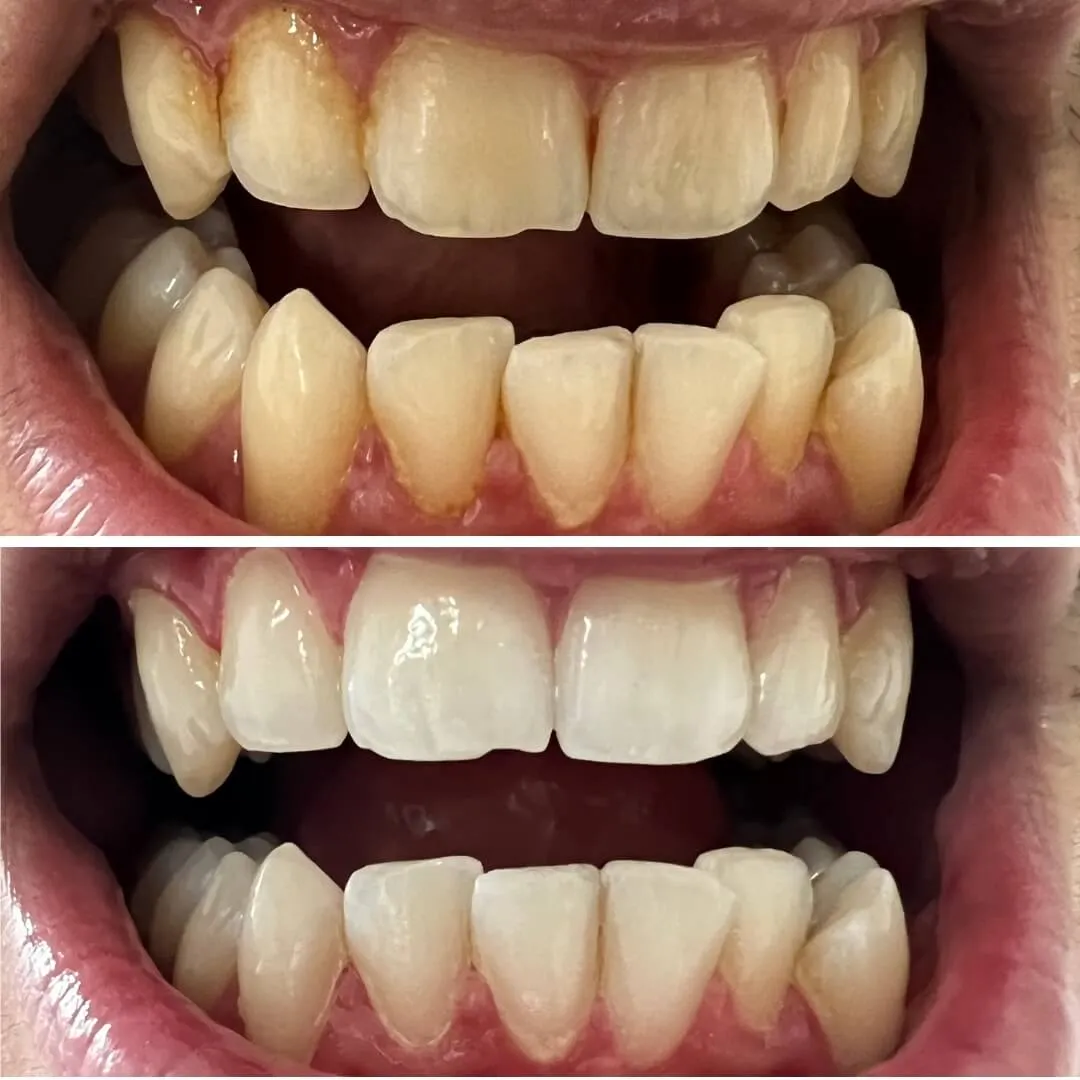
What is Teeth Whitening Powder?
Teeth whitening powder is a popular oral hygiene product designed to help remove stains and brighten the appearance of your teeth. Unlike traditional toothpaste, which often comes in a paste form, whitening powders typically have a fine, abrasive texture. They are used in conjunction with a toothbrush to gently scrub the surface of the teeth. The primary goal of using whitening powder is to eliminate surface stains caused by various factors such as coffee, tea, red wine, and smoking, thereby enhancing the overall brightness of your smile. While it can be a cost-effective alternative to professional treatments, it’s essential to understand its ingredients, effectiveness, and potential risks before incorporating it into your dental care routine.
Ingredients in Whitening Powders
The composition of teeth whitening powder varies, but several ingredients are commonly found in these products. These ingredients work together to achieve the desired whitening effect, though their effectiveness and impact can differ. Understanding the role each ingredient plays is crucial for making an informed choice and ensuring you use a product that aligns with your oral health needs.
Common Ingredients

Common ingredients often include abrasives such as activated charcoal, baking soda (sodium bicarbonate), and hydrated silica. Activated charcoal is a popular ingredient known for its ability to absorb stains. Baking soda has mild abrasive properties and can help to remove surface stains. Hydrated silica acts as a gentle abrasive to polish the teeth. These ingredients work by physically removing stains from the tooth surface, contributing to a brighter smile. Other common components include flavoring agents like peppermint or spearmint and sweeteners such as stevia, which enhance the taste and make the product more appealing for daily use.
Less Common Ingredients
Less common ingredients might include hydrogen peroxide or other peroxide-based compounds for their bleaching properties. Some powders incorporate calcium carbonate to enhance the polishing effect and strengthen enamel. Certain formulations may also include ingredients like bentonite clay, which is believed to have detoxifying properties and can help to draw out impurities. The inclusion of these ingredients is designed to boost the whitening power. However, these ingredients should be used cautiously, as they can sometimes be more abrasive or have stronger effects.
How Whitening Powder Works
Whitening powders function primarily through physical and chemical actions. Abrasives, such as activated charcoal and baking soda, gently scrub away surface stains caused by food, drinks, and other substances. This abrasive action polishes the teeth, making them appear brighter. Some powders contain ingredients like hydrogen peroxide or other bleaching agents that can penetrate deeper into the enamel to lighten the color of the teeth themselves. The combination of these mechanisms helps to remove discoloration and improve the overall appearance of the smile. It is essential to apply the powder correctly to avoid damage to your teeth and gums.
Effectiveness of Whitening Powder

The effectiveness of teeth whitening powder varies based on several factors, including the type of stains present, the ingredients in the powder, and individual oral health conditions. Whitening powders are most effective at removing surface stains. They will typically be able to remove stains caused by coffee, tea, tobacco, and certain foods. However, they may not be as effective on intrinsic stains, which originate from within the tooth structure. The results also depend on the product’s formulation. Powders with stronger abrasives or bleaching agents might yield more noticeable results. The effectiveness will vary from person to person, and it’s essential to manage expectations and consult with a dental professional about your specific needs.
Factors Affecting Whitening Powder Results
Multiple factors influence the outcomes you achieve with whitening powder. The type of stains you have plays a crucial role. Surface stains, like those from coffee or smoking, respond better to whitening powders than intrinsic stains, which can be caused by medications, genetics, or trauma. The ingredients in the powder also affect its effectiveness. Abrasives like activated charcoal and baking soda remove surface stains, while bleaching agents such as hydrogen peroxide can provide more noticeable whitening. The frequency and consistency of use are also critical. Using the powder as directed and maintaining a regular oral hygiene routine enhances results. Individual oral health, including enamel thickness and existing dental work, further influences the outcome. Those with sensitive teeth or existing dental issues may need to use caution and seek advice from a dentist before use.
Teeth Sensitivity and Whitening Powder
Teeth sensitivity is a common concern associated with using whitening products, including whitening powder. The abrasive nature of some powders can wear down enamel, making teeth more susceptible to sensitivity. Ingredients like hydrogen peroxide can also irritate the gums and cause discomfort. If you experience sensitivity, it’s important to reduce the frequency of use or switch to a less abrasive product. Consulting a dentist can help identify the cause of sensitivity and recommend appropriate solutions. They might suggest using a toothpaste formulated for sensitive teeth or recommend alternative whitening methods that are gentler on the enamel. It’s essential to prioritize oral health and address any sensitivity issues promptly.
Benefits of Using Whitening Powder

Whitening powders offer several potential benefits for those seeking a brighter smile, including cost-effectiveness and convenience. However, it’s important to weigh these advantages against potential risks and individual oral health factors. Understanding both the pros and cons ensures you can make an informed decision aligned with your specific needs and goals.
Cost-Effectiveness
One of the significant benefits of using whitening powder is its cost-effectiveness. Compared to professional teeth whitening treatments or some over-the-counter options, whitening powders are relatively inexpensive. This affordability makes them accessible to a broader range of consumers. The cost of a single container of whitening powder is typically low, and it lasts a considerable amount of time, providing an affordable solution for maintaining a brighter smile. This makes whitening powder an attractive option for those looking to improve the appearance of their teeth without breaking the bank.
Convenience of Use
Whitening powders are convenient to use as they integrate seamlessly into your existing oral hygiene routine. They are easy to incorporate into your daily brushing habits. Simply dip your toothbrush into the powder and brush your teeth as usual. This simplicity makes it easy to maintain a consistent whitening regimen without adding significant time or effort to your day. The ease of use makes whitening powder a practical choice for busy individuals who want to enhance their smile without complicated procedures.
Potential Risks and Side Effects

While whitening powders can provide cosmetic benefits, it’s crucial to be aware of potential risks and side effects. Excessive use or improper application can lead to issues like enamel erosion and gum irritation, which can compromise overall oral health. Understanding these potential drawbacks is essential for making informed decisions and taking necessary precautions to protect your teeth and gums.
Enamel Erosion
Enamel erosion is a significant concern with whitening powders. The abrasive nature of certain powders can wear down the enamel over time, making teeth more susceptible to decay, sensitivity, and discoloration. Using a powder that is too abrasive or brushing too vigorously can exacerbate this problem. The loss of enamel is irreversible. It’s important to choose a product that is gentle and follow recommended brushing techniques to minimize the risk of enamel damage. If you experience any signs of enamel erosion, such as increased sensitivity or a change in tooth appearance, it’s essential to consult a dentist immediately.
Gum Irritation
Gum irritation is another potential side effect of using whitening powders. The abrasive particles in the powder can irritate the gums, especially if the product is used improperly or too frequently. Symptoms of gum irritation include redness, swelling, and tenderness. Some ingredients, such as hydrogen peroxide, can further exacerbate gum sensitivity. To mitigate this risk, it’s essential to brush gently, avoid harsh products, and rinse thoroughly after each use. If you experience persistent gum irritation, you should discontinue use and consult your dentist to determine the cause and receive appropriate treatment.
How to Use Whitening Powder Safely

Using teeth whitening powder safely involves adopting the correct brushing technique and controlling the frequency of use. Following these guidelines helps to maximize the benefits while minimizing potential risks to your oral health. Prioritizing safe practices ensures that you can achieve a brighter smile without compromising the integrity of your teeth and gums.
Proper Brushing Technique
The correct brushing technique is critical to minimize the risk of enamel erosion and gum irritation. Use gentle, circular motions instead of aggressive back-and-forth scrubbing. Apply light pressure to avoid damaging the enamel and gums. Ensure that you reach all areas of your teeth, including the back surfaces, to remove stains effectively. It’s also advisable to use a soft-bristled toothbrush to reduce abrasion. Brushing for two minutes, twice a day, is the recommended duration for effective cleaning and whitening. Rinse your mouth thoroughly after brushing to remove any residual powder.
Frequency of Use
The frequency of using whitening powder significantly impacts its safety and effectiveness. It is generally recommended to use whitening powder no more than once or twice a week to minimize the risk of enamel erosion and gum irritation. Overuse can lead to increased sensitivity and damage. It’s important to alternate between your regular toothpaste and the whitening powder. You can monitor your teeth’s response to the product and adjust the frequency accordingly. If you experience any signs of sensitivity or irritation, reduce usage or stop using the powder altogether. Consulting with your dentist will help determine the appropriate frequency based on your oral health needs.
Alternatives to Whitening Powder

If whitening powder isn’t the right fit for your needs, several alternatives are available to help you achieve a brighter smile. Depending on your budget, oral health conditions, and desired results, exploring these options can help you choose the most suitable method for your smile enhancement goals.
Professional Whitening Treatments
Professional teeth whitening treatments, performed by a dentist, offer the most effective and safest way to whiten your teeth. These treatments use high-concentration peroxide gels. The dentist can control the process to minimize the risk of sensitivity and ensure even whitening. In-office whitening provides immediate and dramatic results. Another option is professional take-home kits that your dentist customizes for your teeth. While more expensive than over-the-counter products, professional treatments are recommended as they’re tailored to your specific needs and are performed under expert supervision.
Over-the-Counter Whitening Products
Over-the-counter whitening products, such as whitening strips, toothpastes, and gels, provide a convenient and budget-friendly alternative to professional treatments. Whitening strips are easy to use and apply a thin layer of peroxide to the teeth. Whitening toothpastes typically contain mild abrasives or peroxide to remove surface stains. Whitening gels are applied to the teeth using a tray. When choosing over-the-counter products, select those approved by dental organizations like the American Dental Association. These products can offer noticeable improvements in tooth brightness. However, they may not be as effective as professional treatments, and it’s essential to follow the instructions carefully to minimize the risk of side effects.
Conclusion
Teeth whitening powder can be a useful addition to your oral hygiene routine, especially for removing surface stains and enhancing the appearance of your smile. However, it’s important to approach its use with caution, understanding its ingredients, effectiveness, and potential risks. While the cost-effectiveness and convenience of whitening powders are appealing, it’s crucial to prioritize your oral health. By using the product correctly, you can achieve a brighter smile. You should consider alternatives like professional whitening or over-the-counter products. Consulting with a dentist will help you make the best choice for your individual needs and ensure you maintain a healthy, radiant smile.