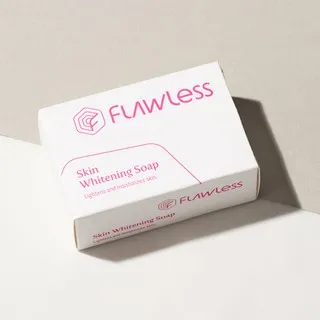
Whitening Soap Review Top 5 Amazing Results
In the vast landscape of skincare, whitening soaps have emerged as popular solutions for those seeking a brighter, more even complexion. These soaps promise to reduce dark spots, even out skin tone, and enhance overall skin radiance. This review delves into the world of whitening soaps, exploring their benefits, how they work, and most importantly, the amazing results you can achieve. Whether you’re battling hyperpigmentation, uneven skin tone, or simply striving for a more luminous glow, this guide will provide valuable insights to help you navigate the options and make informed choices.
Understanding Whitening Soap Basics
Before diving into the remarkable results, it’s crucial to grasp the fundamentals of whitening soaps. These products typically contain ingredients that work to lighten the skin by reducing the production of melanin, the pigment responsible for skin color. It is essential to understand the mechanism behind these soaps before incorporating them into your skincare routine. The effectiveness and safety of a whitening soap depend heavily on its formulation and the ingredients it contains.
How Whitening Soaps Work

Whitening soaps work through various mechanisms, primarily targeting melanin production. Some ingredients, like kojic acid and arbutin, inhibit tyrosinase, an enzyme crucial for melanin synthesis. Other ingredients, such as vitamin C, act as antioxidants, protecting the skin from damage and promoting a brighter complexion. When using these soaps, the active ingredients penetrate the skin’s surface, interacting with the melanocytes to decrease melanin production. The continuous use of these soaps is key to achieving and maintaining the desired effects, with noticeable changes typically appearing over time.
Ingredients to Look For
When choosing a whitening soap, pay close attention to the ingredients list. Effective formulations often include kojic acid, known for its melanin-inhibiting properties, and arbutin, a natural skin-lightening agent. Vitamin C is another excellent choice, as it brightens the skin and offers antioxidant protection. Niacinamide, a form of vitamin B3, can help improve skin tone and reduce the appearance of dark spots. Always opt for soaps with gentle, non-irritating ingredients to avoid potential adverse reactions. Look for natural extracts like licorice root or bearberry extract, which have skin-lightening capabilities.
The Science Behind Skin Whitening
The science behind skin whitening revolves around understanding and controlling melanin production. Melanin is synthesized by melanocytes, specialized cells in the skin. Various factors, including sun exposure, hormonal changes, and inflammation, can trigger increased melanin production, leading to hyperpigmentation. Whitening soaps interfere with this process by either inhibiting tyrosinase, the enzyme crucial for melanin synthesis, or by providing antioxidants that protect against damage. Ingredients are formulated to penetrate the skin layers and interact with the melanocytes. The effectiveness of a whitening soap is thus largely dependent on its ability to target melanin production effectively and safely.
Top 5 Whitening Soap Amazing Results

Result 1 Reduced Hyperpigmentation
One of the most significant benefits of using whitening soaps is the reduction of hyperpigmentation. This condition, characterized by dark patches on the skin, can be caused by sun damage, acne scars, or hormonal changes. Effective whitening soaps contain ingredients that target melanin production, gradually fading these dark spots and restoring a more even skin tone. Regular and consistent use of the soap is key to achieving noticeable results. The efficacy of a soap in reducing hyperpigmentation often depends on the concentration of active ingredients and the overall formulation of the product.
How Whitening Soap Helps
Whitening soaps help combat hyperpigmentation by inhibiting the enzyme tyrosinase, which is essential for melanin production. By reducing the amount of melanin synthesized, these soaps help lighten existing dark spots and prevent the formation of new ones. Ingredients like kojic acid and arbutin are specifically designed to target melanin. Furthermore, some soaps incorporate antioxidants that protect the skin from environmental damage, preventing further hyperpigmentation. The combined effect of these ingredients helps to reduce the appearance of uneven skin tone, leading to a more uniform complexion.
Expected Timeline

The timeline for seeing results from a whitening soap varies depending on the individual’s skin type, the severity of hyperpigmentation, and the specific ingredients in the soap. Typically, you might start to notice improvements after a few weeks of consistent use. Significant changes, such as a noticeable reduction in dark spots and an improved skin tone, often become apparent within one to three months. It’s essential to be patient and consistent with your skincare routine and to protect your skin from sun exposure to maximize the soap’s effectiveness. Factors like the concentration of active ingredients and the regularity of use also play a crucial role in the speed of results.
Result 2 Even Skin Tone
Achieving an even skin tone is a primary goal for many users of whitening soaps. These products help to reduce the appearance of uneven pigmentation, leading to a more uniform complexion. The active ingredients in these soaps work to regulate melanin production, ensuring that the skin tone is consistent across different areas of the face and body. Regular use can help to diminish the contrast between lighter and darker areas, resulting in a balanced, more aesthetically pleasing skin tone. This benefit not only enhances the skin’s appearance but also boosts overall confidence.
Addressing Uneven Pigmentation
Whitening soaps address uneven pigmentation by targeting the root causes of discoloration. They contain ingredients that inhibit melanin production in areas where there is excess pigment. These ingredients help to lighten darker spots and patches, gradually evening out the skin tone. It is important to choose soaps with ingredients that are known for their efficacy in reducing pigmentation. Consistent and prolonged use is typically required to address significant unevenness, with visible improvements often appearing after several weeks or months of regular application.
Maintaining Skin Tone

Once you’ve achieved an even skin tone, it’s crucial to maintain it. Whitening soaps can be used as part of a continuous skincare routine, although you may adjust the frequency of use based on your skin’s response. Protecting your skin from sun exposure is paramount, as UV rays can trigger increased melanin production, leading to uneven pigmentation. Using sunscreen daily is an essential step. Incorporating gentle exfoliants can also help to remove dead skin cells, promoting an even skin tone. Regular moisturizing is important to keep the skin healthy and hydrated. A consistent and comprehensive skincare regimen is the best way to preserve your results.
Result 3 Improved Skin Brightness
One of the most sought-after benefits of whitening soaps is improved skin brightness. These soaps help to reveal a more luminous and radiant complexion by reducing dullness and promoting a healthy glow. Ingredients like vitamin C act as antioxidants and skin brighteners. This enhanced brightness makes the skin appear more vibrant and youthful. Regular use of whitening soaps can make a significant difference in achieving a brighter and healthier look, which enhances your overall appearance and boosts self-esteem.
The Glow Factor
The ‘glow factor’ refers to the radiant and healthy appearance that whitening soaps can help achieve. This is often due to the soaps’ ability to even out skin tone and reduce the appearance of dullness. The active ingredients work to exfoliate dead skin cells, revealing the brighter skin underneath. Ingredients with antioxidant properties help combat free radicals, protecting the skin from damage and promoting a youthful glow. The cumulative effect of these factors is a noticeable improvement in skin brightness, leading to a more luminous and radiant complexion.
Boosting Skin Radiance

Boosting skin radiance involves more than just lightening the skin; it also includes improving overall skin health. Whitening soaps often contain ingredients that hydrate and nourish the skin, improving its texture and appearance. By reducing dullness and evening out skin tone, these soaps create a brighter, more youthful complexion. Regular use, combined with a good skincare routine, can significantly boost skin radiance. Consistent use and protection from environmental stressors like sun exposure are key to maintaining a radiant complexion.
Result 4 Fading of Dark Spots
Whitening soaps are particularly effective in fading dark spots, a common skin concern. These spots, also known as age spots or sunspots, can result from sun damage, acne scars, or hormonal changes. The active ingredients in whitening soaps target the overproduction of melanin, which causes these dark spots. By inhibiting melanin synthesis, the soaps gradually lighten the spots, leading to a more even skin tone. Consistent and long-term use is crucial for seeing significant improvements, with results often becoming apparent after several weeks or months of regular application.
Causes of Dark Spots
Dark spots are primarily caused by an overproduction of melanin, triggered by various factors. Sun exposure is a leading cause, as UV rays stimulate melanin production to protect the skin. Acne scars can also lead to post-inflammatory hyperpigmentation, resulting in dark spots. Hormonal changes, such as those during pregnancy or due to certain medications, can also contribute to uneven skin pigmentation. Understanding these causes helps you choose the right whitening soap and adopt additional preventative measures like sun protection. The effectiveness of a whitening soap depends on addressing these underlying causes.
How Soap Helps Fade Spots

Whitening soaps help fade dark spots by targeting the mechanisms responsible for melanin production. They contain ingredients that inhibit tyrosinase, the enzyme that catalyzes melanin synthesis. These ingredients work to lighten the existing dark spots and prevent new ones from forming. Regular use leads to a gradual fading of the spots, resulting in a more even skin tone. The specific ingredients and concentrations within the soap play a significant role in its effectiveness. Combining the use of a whitening soap with a good sunscreen can further accelerate the fading process and protect against future damage.
Result 5 Enhanced Skin Texture
Beyond skin lightening, whitening soaps can also enhance skin texture. By exfoliating dead skin cells and promoting cell turnover, these soaps can improve the smoothness and overall feel of the skin. Ingredients like alpha-hydroxy acids (AHAs) and beta-hydroxy acids (BHAs) can contribute to this effect, leading to a softer and more refined complexion. The improved texture not only enhances the skin’s appearance but also allows other skincare products to penetrate more effectively, maximizing their benefits.
Benefits of Improved Texture
Improved skin texture offers numerous benefits, including a smoother, more refined complexion. Whitening soaps often contain ingredients that promote exfoliation, removing dead skin cells and revealing the healthier skin underneath. This process can help to reduce the appearance of fine lines, wrinkles, and blemishes, resulting in a more youthful look. The improved texture also enhances the skin’s ability to absorb other skincare products, making them more effective. Consistent use can lead to a noticeable difference in the skin’s overall feel and appearance.
Achieving Smoother Skin

Achieving smoother skin involves using whitening soaps that contain exfoliating ingredients. These ingredients gently remove dead skin cells, promoting cell turnover and revealing fresh, healthy skin. Regular use of a whitening soap can help reduce the appearance of rough patches, uneven texture, and minor imperfections. Incorporating additional skincare steps, such as using a gentle scrub or a chemical exfoliant, can further enhance the results. Choosing a soap that suits your skin type and following a consistent skincare routine is key to achieving the desired smooth texture.
Factors to Consider When Choosing a Whitening Soap
Skin Type
Choosing the right whitening soap depends heavily on your skin type. If you have sensitive skin, opt for gentle formulations with soothing ingredients like aloe vera or chamomile. For oily skin, look for soaps that help control excess oil production without being overly drying. Dry skin benefits from moisturizing ingredients like glycerin or shea butter. Combination skin requires a balance of both, with soaps that address different needs in various areas. Always test a small area of skin before using a new soap to check for any adverse reactions. Consider the specific needs of your skin type to ensure the soap is effective and safe.
Sensitivity Level
Assessing your skin’s sensitivity level is critical before using a whitening soap. If your skin is prone to irritation or redness, start with a soap that has a low concentration of active ingredients. Avoid soaps with harsh chemicals or strong fragrances. Always perform a patch test on a small area of your skin before applying the soap to your entire face or body. If you experience any signs of irritation, such as redness, itching, or burning, discontinue use immediately. Choosing a soap suitable for your sensitivity level ensures a more comfortable and effective experience.
Ingredients to Avoid
When choosing a whitening soap, it’s essential to know which ingredients to avoid. Steer clear of soaps that contain harsh chemicals, artificial fragrances, and excessive amounts of sulfates, which can irritate the skin. Ingredients like hydroquinone are controversial and may have potential side effects. Always check the ingredient list for any known allergens or irritants. Opt for soaps with natural, gentle ingredients and avoid those with potentially harmful additives. Being informed about the ingredients can help you make safer and more effective choices for your skin.
Application and Usage
How to Use Whitening Soap Correctly
Using whitening soap correctly is key to achieving the best results while minimizing potential risks. Wet your skin thoroughly with lukewarm water before applying the soap. Create a lather with your hands and gently massage it onto your skin in circular motions. Avoid scrubbing too hard, as this can irritate the skin. Rinse thoroughly with lukewarm water, ensuring that all traces of the soap are removed. Pat your skin dry with a soft towel and follow with a moisturizer to hydrate the skin. Applying the soap as directed helps ensure effective cleansing and promotes optimal skin health.
Frequency of Use
The frequency of using whitening soap depends on your skin type and the strength of the soap. Start by using the soap once a day, preferably in the evening, to assess how your skin reacts. If your skin tolerates it well without any irritation, you can gradually increase the frequency to twice a day. However, if you notice any dryness, redness, or sensitivity, reduce the frequency or switch to a gentler soap. Overuse can strip the skin of its natural oils, so finding the right balance is essential. Listen to your skin and adjust the frequency accordingly.
Additional Skincare Tips
In addition to using a whitening soap, certain skincare tips can enhance your results. Always protect your skin from the sun by using sunscreen with a high SPF every day. Exfoliate your skin regularly to remove dead skin cells and improve the absorption of skincare products. Stay hydrated by drinking plenty of water, which helps to keep your skin healthy and radiant. Incorporate a moisturizer into your routine to hydrate your skin and maintain its natural barrier. A consistent and comprehensive skincare regimen helps maximize the benefits of your whitening soap and promotes overall skin health.
Potential Side Effects and Precautions
Common Side Effects
Whitening soaps, while beneficial, can sometimes cause side effects. Common side effects include dryness, redness, itching, and irritation, particularly in sensitive skin. Some individuals might experience peeling or flaking. If you notice any adverse reactions, discontinue use immediately or reduce the frequency. It is important to choose soaps with gentle formulations and to perform a patch test before widespread application. Consulting with a dermatologist can provide further guidance and help you manage any side effects effectively. Be aware of your skin’s reaction and adjust your routine accordingly.
When to Consult a Dermatologist
Consulting a dermatologist is advisable if you experience persistent or severe side effects from using whitening soaps. Seek professional advice if you develop a rash, significant irritation, or changes in skin pigmentation. A dermatologist can assess your skin’s condition, determine the cause of any adverse reactions, and recommend appropriate treatments. They can also guide you on the safest and most effective skincare products for your specific needs. Regular check-ups with a dermatologist can help maintain skin health and address any concerns related to skin whitening or any other skincare issues.
Conclusion Amazing Results with Whitening Soap
Whitening soaps offer a promising path towards achieving a brighter, more even complexion. By understanding the basics, selecting the right ingredients, and following a consistent skincare routine, you can potentially experience amazing results. From reducing hyperpigmentation to enhancing skin brightness and improving texture, these soaps can significantly impact your skin’s appearance and your overall confidence. However, it’s essential to choose products wisely, consider your skin type, and be mindful of potential side effects. Always prioritize your skin’s health and consult with a dermatologist if you have any concerns. With the right approach, whitening soaps can be a valuable addition to your skincare regimen, helping you achieve the radiant skin you desire.