The Perils of Overuse Why Whitening Strips Matter
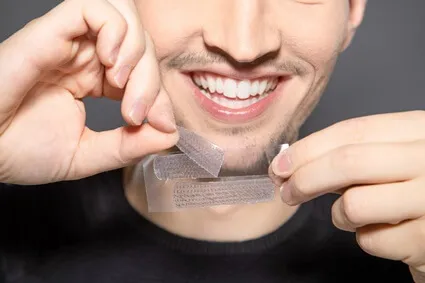
Teeth whitening strips have become a popular method for achieving a brighter smile, offering convenience and affordability. However, improper use, particularly leaving whitening strips on too long or using them too frequently, can lead to a host of adverse effects. Understanding these risks is crucial for anyone considering using whitening strips. This guide will explore the top 5 risks associated with the misuse of whitening strips, emphasizing the importance of following instructions and practicing caution to protect your oral health. The allure of a dazzling smile often overshadows the potential dangers, making it essential to be well-informed before starting any teeth whitening regimen. Remember, the goal is a healthier, brighter smile, not one that compromises your oral health.
Tooth Sensitivity A Common Side Effect
One of the most frequently reported side effects of using whitening strips is tooth sensitivity. This can range from a mild discomfort to a sharp, shooting pain, especially when consuming hot, cold, sweet, or acidic foods and drinks. The active ingredients in whitening strips, typically hydrogen peroxide or carbamide peroxide, penetrate the enamel and dentin, the layers of the tooth. This process can temporarily irritate the nerves within the teeth, leading to sensitivity. While some sensitivity is normal, excessive or prolonged sensitivity is a sign that the strips may be causing more harm than good. Overuse or leaving the strips on longer than recommended exacerbates this issue, making the teeth more vulnerable to external stimuli and potentially leading to other problems.
Causes of Tooth Sensitivity

Tooth sensitivity arises primarily from the bleaching agents in whitening strips, which dehydrate the teeth and open up the dentinal tubules the tiny channels that lead to the tooth’s nerve. This exposure allows external stimuli, such as temperature changes or acidic foods, to directly impact the nerve, causing discomfort. Overuse of whitening strips intensifies this effect by further weakening the enamel and increasing the permeability of the dentin. Other factors, such as pre-existing dental conditions like cavities, receding gums, or thin enamel, can also make teeth more susceptible to sensitivity. When these factors combine with improper whitening strip use, the risk of experiencing severe sensitivity increases dramatically.
Managing Tooth Sensitivity
If you experience tooth sensitivity from using whitening strips, several strategies can help manage the discomfort. Switching to a toothpaste designed for sensitive teeth, which contains ingredients like potassium nitrate, can help block the nerve signals and reduce pain. Avoiding extremely hot or cold foods and drinks can also provide relief. It’s also advisable to take a break from using whitening strips until the sensitivity subsides. If the sensitivity is severe or persistent, consult with a dentist. They can evaluate your condition and recommend appropriate treatments, such as fluoride treatments to strengthen the enamel or desensitizing agents applied directly to the teeth. Proper care and a sensible approach to teeth whitening are key to minimizing sensitivity.
Gum Irritation and Damage Explained
Another significant risk associated with the misuse of whitening strips is gum irritation and damage. The bleaching agents in the strips are not only potent on teeth but can also irritate the delicate gum tissues. If the strips come into contact with the gums, or if they are left on for too long, they can cause inflammation, redness, and even chemical burns. This irritation is more likely to occur if the strips are poorly fitted or if the user has sensitive gums. Furthermore, repeated exposure to the bleaching agents can weaken the gum tissues, making them more susceptible to infection and recession. The health of your gums is just as important as the brightness of your teeth, and neglecting gum health can lead to more severe oral health problems.
Signs of Gum Damage

Recognizing the signs of gum damage is crucial to preventing long-term problems. Common symptoms include redness, swelling, and tenderness of the gums. You may also notice white patches or blisters where the whitening strips have come into contact with your gums. In severe cases, the gums might bleed easily when brushing or flossing. If you experience any of these signs, it is important to stop using the whitening strips immediately and consult a dentist. Ignoring these symptoms can lead to gum recession, increased risk of cavities, and even tooth loss in the long run. Early detection and intervention are essential to protect the health and integrity of your gums.
Treating and Preventing Gum Damage
Treating gum damage involves several steps, depending on the severity of the condition. In mild cases, simply stopping the use of whitening strips and practicing good oral hygiene may be sufficient to allow the gums to heal. Rinsing with warm salt water can help reduce inflammation and promote healing. In more severe cases, a dentist may recommend professional cleaning to remove any plaque or bacteria that could be exacerbating the damage. They may also prescribe medicated mouthwashes or topical treatments to reduce inflammation and promote healing. To prevent gum damage, always follow the manufacturer’s instructions for using whitening strips. Make sure the strips fit properly and avoid contact with your gums. If you have sensitive gums, consider consulting your dentist before using whitening strips to determine if they are suitable for you.
Enamel Erosion The Long-Term Threat
Enamel erosion is a significant long-term risk associated with the overuse of whitening strips. Enamel is the hard, protective outer layer of the teeth, and it is responsible for shielding the underlying dentin and pulp from damage. The bleaching agents in whitening strips can weaken and erode the enamel over time, making the teeth more susceptible to decay, sensitivity, and discoloration. Once enamel is eroded, it cannot be fully restored, making this a serious concern. The degree of enamel erosion depends on factors such as the concentration of the bleaching agent, the frequency and duration of use, and the individual’s oral hygiene habits. Understanding the role of enamel and the potential for erosion is crucial to making informed decisions about teeth whitening.
The Role of Enamel in Tooth Protection

Enamel plays a vital role in protecting your teeth. It is the hardest substance in the human body, acting as a barrier against bacteria, acids, and physical damage. Enamel also helps regulate the temperature inside the tooth and provides a smooth surface for chewing. When enamel is healthy and intact, it effectively shields the underlying dentin and pulp, preventing sensitivity and decay. Erosion of the enamel compromises this protective function, increasing the risk of cavities, sensitivity, and other dental problems. Maintaining the integrity of your enamel is essential for long-term oral health, making any treatments that could damage it, like excessive whitening strip use, a concern.
How Whitening Strips Contribute to Enamel Erosion
Whitening strips contribute to enamel erosion primarily through the action of the bleaching agents, such as hydrogen peroxide or carbamide peroxide. These chemicals break down stains and discoloration by oxidizing the organic molecules within the tooth enamel. However, this process can also weaken the enamel structure. Overuse of whitening strips or leaving them on for too long increases the exposure of the enamel to these chemicals, accelerating the erosion process. The abrasive nature of some whitening strips can also contribute to enamel loss. Moreover, the dehydration caused by the bleaching agents can make the enamel more porous and vulnerable. This is why following the manufacturer’s instructions and avoiding overuse is crucial.
Reversing Enamel Erosion Is It Possible?
Unfortunately, once enamel is eroded, it cannot be fully restored. The human body does not regenerate enamel. However, there are treatments available that can help manage and protect teeth with eroded enamel. Fluoride treatments can strengthen the remaining enamel and make it more resistant to acid attacks. Dental bonding or veneers can be used to restore the appearance of the teeth and protect them from further damage. In some cases, crowns may be necessary. The best approach is prevention. Limiting the use of whitening strips, following instructions carefully, and maintaining good oral hygiene can help minimize enamel erosion. Regular dental checkups are essential for monitoring your enamel health and receiving appropriate treatment if erosion is detected. Prevention and early intervention are critical in managing enamel erosion.
Incorrect Application and Uneven Whitening

Incorrect application of whitening strips can lead to uneven whitening results. This occurs when the strips do not make consistent contact with all surfaces of the teeth or when the bleaching agent is not distributed evenly. This can result in some areas of the teeth appearing brighter than others, creating an aesthetically undesirable outcome. Uneven whitening is often caused by improper placement of the strips, failure to press the strips firmly against the teeth, or not ensuring the strips cover the entire surface of the teeth. This aesthetic issue underscores the importance of precise application techniques and attention to detail when using whitening strips. Furthermore, uneven results highlight the need to follow instructions carefully and avoid shortcuts.
Proper Application Techniques
To ensure even whitening, proper application techniques are crucial. Before applying the strips, brush and floss your teeth to remove any plaque or debris that could interfere with the whitening process. Carefully peel the strips from their backing and apply them to your teeth, ensuring they cover the entire surface of the teeth you wish to whiten. Press the strips firmly against your teeth, paying particular attention to the edges to ensure they adhere well. Avoid touching your gums as much as possible. Follow the manufacturer’s instructions regarding the duration the strips should remain in place. After removing the strips, rinse your mouth to remove any remaining residue. Consistent and careful application will help you achieve a more uniform and aesthetically pleasing whitening result.
What to Do About Uneven Whitening
If you experience uneven whitening after using whitening strips, there are several steps you can take. First, reassess your application technique and ensure you are following the instructions correctly. You may want to try another round of whitening, paying particular attention to ensuring the strips make full contact with the teeth. However, allow a period of time for your teeth and gums to recover if any sensitivity or irritation is present. If the unevenness persists or is significant, consider consulting a dentist. They can assess the situation and recommend professional whitening treatments, such as in-office bleaching, which offer more control and can often achieve more even results. They can also address any underlying dental issues that might be contributing to the unevenness. Sometimes, professional intervention is necessary to achieve the desired outcome.
Risk of Chemical Burns and Tissue Damage

Leaving whitening strips on too long increases the risk of chemical burns and tissue damage. The bleaching agents in the strips are potent chemicals, and prolonged exposure can cause irritation and damage to the soft tissues in the mouth, including the gums, cheeks, and tongue. Chemical burns can manifest as white or blistered patches, pain, and inflammation. In severe cases, they can lead to more serious complications. This risk is heightened if the strips are not applied correctly, if they come into contact with the gums, or if the user has sensitive oral tissues. Preventing chemical burns involves strict adherence to the manufacturer’s instructions, proper application techniques, and an awareness of the potential risks. If you suspect you have a chemical burn, it is crucial to seek professional dental care immediately.
Recognizing Chemical Burns
Recognizing the signs of chemical burns is important for prompt intervention. The most common symptoms include white or blistered patches on the gums, cheeks, tongue, or other soft tissues in the mouth. The affected areas may also be red, inflamed, and painful. You might experience a burning sensation, tingling, or altered taste. In severe cases, chemical burns can lead to ulceration or even tissue necrosis. If you notice any of these signs after using whitening strips, it is essential to stop using the product immediately and seek professional dental care. Early detection and treatment can help minimize the damage and prevent long-term complications. Do not ignore any unusual symptoms, as prompt action is crucial to protect your oral health.
Seeking Professional Help for Burns
If you suspect you have a chemical burn from whitening strips, consult a dentist immediately. They can assess the extent of the damage and recommend appropriate treatment. Treatment may involve rinsing your mouth with water or a mild saline solution to remove any remaining chemicals. The dentist may also prescribe a topical medication or oral rinse to reduce inflammation and promote healing. In some cases, they may apply a protective barrier to the affected tissues. Avoid using any other oral products, such as mouthwashes or toothpastes, that could further irritate the area. Follow your dentist’s instructions carefully and attend any follow-up appointments. It is crucial to seek professional help to ensure proper healing and to prevent potential complications. The dentist will also provide guidance on safe teeth whitening practices to prevent future incidents.