Whitening Strips on Caps Overview
Are you considering using whitening strips and have dental caps? This is a common concern, and understanding how whitening strips interact with dental caps is crucial. This article will explore the effectiveness of whitening strips on caps, potential risks, and alternative solutions. We’ll delve into the science behind teeth whitening, the composition of dental caps, and what you need to know to maintain a bright, healthy smile. It is essential to have realistic expectations and to consult with your dentist before starting any whitening treatment, especially if you have dental work like caps or crowns. This guide provides valuable insights to help you make informed decisions about your oral health.
Do Whitening Strips Whiten Caps?
The simple answer is no. Whitening strips are designed to work on natural tooth enamel. Dental caps, such as porcelain or zirconia, are made of different materials that do not respond to the bleaching agents in whitening strips in the same way. Therefore, using whitening strips on caps will not change their color. This is a critical point to understand if you’re hoping to brighten your smile with existing dental work. Whitening strips rely on chemicals like hydrogen peroxide or carbamide peroxide to penetrate the enamel and break down stain molecules. Since caps are non-porous and stain-resistant, the whitening agents are ineffective.
The Composition of Dental Caps

Dental caps, also known as crowns, are typically made from various materials designed to mimic the appearance and function of natural teeth. Understanding these materials is key to understanding why whitening strips don’t work on them. The most common types include porcelain, zirconia, and sometimes, composite resin or metal alloys. Each material has unique properties that affect how it interacts with whitening treatments and its overall durability.
Porcelain Caps
Porcelain caps are a popular choice due to their aesthetic appeal. They closely resemble natural teeth in terms of color and translucency. However, porcelain is a ceramic material and is generally stain-resistant. While it can pick up surface stains over time from food and drinks, it doesn’t bleach the same way as natural enamel. Whitening strips are ineffective on porcelain caps, and their color will remain unchanged.
Zirconia Caps
Zirconia is another common material used for dental caps. It is known for its strength and durability. While zirconia is also resistant to stains and discoloration, it does not respond to whitening treatments. The material’s dense structure prevents the bleaching agents from penetrating and changing its color. Thus, whitening strips won’t have any effect on zirconia caps.
Other Cap Materials

Less frequently, caps might be made from composite resin or metal alloys. Composite resin caps, while more porous than porcelain or zirconia, still don’t whiten effectively with strips. Metal alloys, of course, don’t change color with whitening strips because they are not designed to be bleached. The best approach is to consult with your dentist on the best way to clean and care for your particular dental cap material to maintain its appearance.
How Whitening Strips Work on Natural Teeth
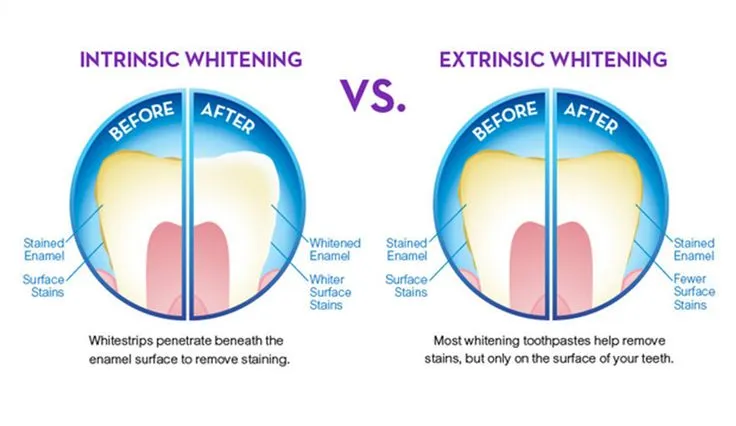
Whitening strips contain bleaching agents, usually hydrogen peroxide or carbamide peroxide, that penetrate the enamel of natural teeth. These agents break down the stain molecules, which are responsible for discoloration. The effectiveness of whitening strips depends on several factors, including the concentration of the bleaching agent, the duration of application, and the type and severity of the stains. However, this process doesn’t apply to caps, as their composition prevents the bleaching agents from affecting their color.
The Role of Bleaching Agents
The active ingredient in most whitening strips is hydrogen peroxide, which oxidizes the stain molecules within the tooth enamel. This process essentially breaks down the bonds that hold the stains together, making the teeth appear whiter. Carbamide peroxide is another common agent, which breaks down into hydrogen peroxide. The effectiveness of these agents is limited to natural tooth structure; they do not work on the materials used in dental caps.
Surface Staining vs. Internal Discoloration

Whitening strips primarily target surface stains and some mild internal discoloration on natural teeth. Surface stains, caused by things like coffee, tea, and tobacco, are easier to remove. Internal discoloration, which can be caused by aging, certain medications, or trauma, might require more potent treatments or professional procedures. The mechanism is wholly ineffective on the surface or internal structure of dental caps.
Fact 1 Whitening Strips Don’t Change Cap Color
This is the most important fact. Whitening strips will not alter the color of your dental caps. Caps are designed to be resistant to stains and discoloration from food and drinks. The bleaching agents in whitening strips do not affect the materials used to make caps. You will not see any whitening effect on your caps when using whitening strips. They are simply not designed to work on that material.
Cap Material and Stain Resistance
The materials used in dental caps, particularly porcelain and zirconia, are chosen for their durability and stain resistance. They are designed to maintain their color and appearance over time, even with exposure to common staining agents. This resistance is why caps can last for many years without significant discoloration, making them a good option in the first place.
Understanding Cap Porosity

Porosity refers to the small pores or spaces within a material. While porcelain and zirconia caps are generally less porous than natural enamel, they still have a certain degree of porosity. However, the pores are so small that they don’t allow the whitening agents to penetrate and change the color. Surface stains can develop on some caps, but the bleaching agents from whitening strips are unable to access the internal structure to make a color change.
Fact 2 Potential for Uneven Whitening
A significant concern is the potential for uneven whitening if you use whitening strips and have dental caps. While your natural teeth may become whiter, your caps will remain the same color. This creates a contrast, making the caps appear more yellow or less bright than your natural teeth. The difference can be very noticeable and affect the overall aesthetic of your smile. This outcome is often undesirable and can lead to dissatisfaction with the whitening treatment.
Whitening of Adjacent Teeth
When you use whitening strips, the adjacent natural teeth will likely become whiter. This is because the whitening agents are designed to penetrate and bleach the enamel of natural teeth. The contrast between the newly whitened teeth and the non-whitening caps becomes more apparent, thus creating the uneven appearance.
The Contrast Issue

The contrast can make the caps stand out, and not in a good way. The goal of whitening treatments is a brighter, more uniform smile, but with caps, you might achieve the opposite. This contrast can be especially noticeable if the caps were initially matched to your existing tooth color. The change in color of your natural teeth can make the caps look more yellow, and potentially require them to be replaced for a better match.
Fact 3 Risks of Whitening Strips with Caps
Beyond the aesthetic concerns, there are potential risks associated with using whitening strips if you have dental caps. These risks are usually related to the interaction of the whitening agents with the surrounding gums and the potential impact on the bond between the cap and the underlying tooth structure. It is crucial to consider these risks before proceeding with any whitening treatment.
Gum Irritation and Sensitivity
Whitening strips can cause gum irritation and tooth sensitivity. The bleaching agents can come into contact with the gums, leading to inflammation, redness, and discomfort. If you have caps, the irritation might be exacerbated because the caps can sometimes trap the whitening agents, increasing contact time and sensitivity. You should always follow the manufacturer’s instructions to minimize these risks.
Damage to Cap Bonding
Although less common, there’s a slight risk that prolonged exposure to whitening agents could affect the bonding material used to attach the caps to your teeth. The bond is strong, but in theory, the chemicals could cause some degradation over time. Consult your dentist if you’re concerned. Usually, any effect would be minimal, but it’s something to consider.
Fact 4 Maintaining Cap Appearance
Since whitening strips aren’t effective on caps, it’s crucial to focus on maintaining the appearance of your caps through other means. This includes regular dental check-ups, proper oral hygiene, and avoiding substances that can stain your teeth and caps. Proper care will help to preserve the look and longevity of your caps.
Professional Cleaning
Regular professional cleaning by a dentist or hygienist is a great way to remove surface stains from caps. They use special tools and polishing techniques that can help to restore the original brightness of your caps. These cleanings also ensure that any plaque or tartar is removed, promoting good oral health. Make sure to schedule regular appointments, as recommended by your dentist, to keep your smile looking its best.
Avoiding Staining Foods and Drinks
Certain foods and drinks can stain both your natural teeth and your caps. Coffee, tea, red wine, and heavily pigmented foods like berries can contribute to discoloration. While caps are generally stain-resistant, they can still develop surface stains over time. Minimizing your consumption of these items or rinsing your mouth with water after consuming them can help prevent staining. If you smoke or use tobacco products, you should consider quitting, as these also contribute to staining and other oral health problems.
Fact 5 Alternatives to Whiten Caps
If you want to change the color of your caps, you have a few options. These options usually involve professional dental procedures. These can either brighten the adjacent natural teeth to match the caps, or can involve replacing the caps altogether. It’s best to discuss your options with your dentist, as they can provide the best recommendation based on your individual needs and goals.
Professional Teeth Whitening
Professional teeth whitening is one option if you want to brighten the appearance of your smile. This procedure can whiten your natural teeth, and create a better aesthetic match with your caps. Your dentist can use stronger bleaching agents and techniques than those available in at-home kits. This treatment can effectively lighten the shade of your natural teeth, minimizing the contrast between your teeth and caps. Before doing so, they will evaluate your overall oral health and discuss your expectations.
Cap Replacement
Another alternative is to replace your existing caps. If your caps have become discolored or if you want to change their shade to match your whitened natural teeth, replacing them is a permanent solution. Your dentist can create new caps that better match your desired tooth shade, ensuring a more uniform and natural-looking smile. This can be a more costly option but offers the best results.
Conclusion
In conclusion, whitening strips are ineffective for whitening dental caps because the caps are made of materials that do not react to the bleaching agents in the same way that natural enamel does. If you have caps, you should manage your expectations regarding whitening strips and be aware of the potential for uneven results. You should also consider the possible risks of gum irritation and sensitivity. The best approach is to consult with your dentist for alternatives, like professional teeth whitening or cap replacement, to achieve a brighter, more uniform smile. Remember that maintaining good oral hygiene, avoiding staining foods and drinks, and getting regular dental check-ups are crucial for preserving the appearance and health of your caps and your overall smile.