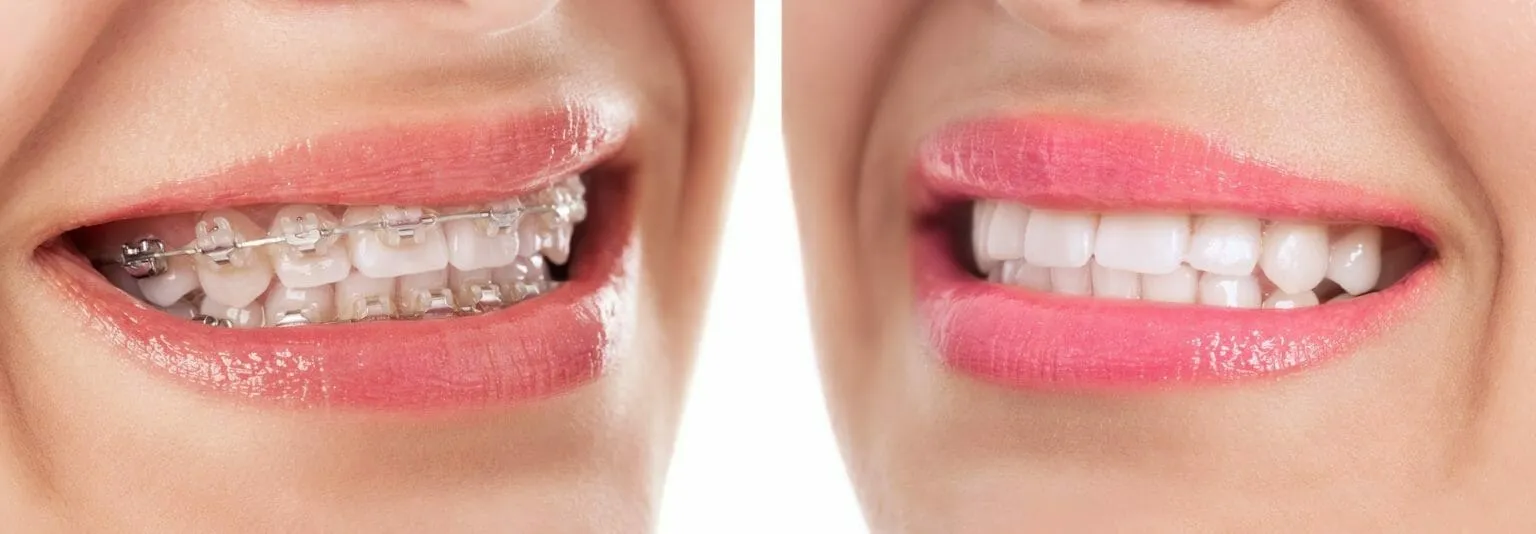
Understanding the Challenges of Whitening Teeth with Braces
Achieving a bright, white smile is a common goal, but when you have braces, the process becomes more complex. The presence of brackets and wires creates unique challenges. Understanding these challenges is the first step in finding effective solutions. The primary difficulty stems from the fact that braces cover a significant portion of the tooth surface, preventing whitening agents from reaching the entire enamel evenly. This can result in uneven whitening, where the areas covered by brackets remain darker than the exposed portions. This means you need to employ methods that are more targeted, consistent, and safe to achieve desired results without compromising your orthodontic treatment. Additionally, the process takes more time and often requires a combination of techniques to ensure an even and effective outcome, which will be covered in detail below.
Why Whitening Is Tricky with Braces
Braces, while effective at straightening teeth, create obstacles when it comes to whitening. The brackets, bonded to the teeth, act as physical barriers. They prevent whitening agents from uniformly contacting the tooth’s surface. This can lead to a spotty appearance, where the areas around the brackets are noticeably whiter than the areas they cover. Furthermore, food and plaque can accumulate more easily around brackets and wires. If not thoroughly removed, these can cause discoloration and staining, further complicating the whitening process. The extended time braces are in place also allows for stains to build up gradually, making it harder to achieve a uniformly white result without professional help. Proper oral hygiene and specialized whitening techniques are essential to overcoming these hurdles.
How Braces Affect Whitening

Braces impact teeth whitening in several key ways. Firstly, they create uneven coverage, preventing whitening agents from reaching all surfaces of the teeth. Secondly, the presence of brackets makes it difficult to maintain optimal oral hygiene. Food particles can become trapped, leading to increased staining and discoloration. Finally, the materials used in braces and the adhesives can also react with whitening agents, potentially affecting their efficacy. Therefore, choosing the right whitening methods and maintaining a dedicated oral hygiene routine are critical to achieving a brighter, whiter smile while wearing braces. The goal is to ensure that the teeth whiten as evenly as possible, and that the results are as effective as possible, given the circumstances.
The Top 5 Effective Methods for Whitening Teeth with Braces
While whitening teeth with braces presents unique challenges, several effective methods can help you achieve a brighter smile. These methods range from simple at-home techniques to professional treatments. The key is to choose methods that are safe for your braces, effective in reaching the tooth surfaces, and compatible with your overall oral health plan. It’s always a good idea to consult your orthodontist or dentist before beginning any whitening treatment, especially when you have braces. They can provide personalized recommendations based on your specific needs and the type of braces you have, ensuring the best possible outcome and avoiding any potential damage to your teeth or braces.
Method 1 Whitening Toothpaste
Whitening toothpaste is a convenient and accessible option for those with braces. These toothpastes contain mild abrasives or chemical agents that help remove surface stains. While they can’t dramatically change the color of your teeth, they can help maintain brightness and prevent new stains from forming. For individuals with braces, whitening toothpaste serves as a supplementary tool for oral hygiene. It is essential to understand how these toothpastes work and use them effectively to ensure they complement your overall teeth whitening strategy. It is not a replacement for professional treatments, but can contribute to a cleaner and brighter smile over time.
How Whitening Toothpaste Works

Whitening toothpastes achieve their effects through several mechanisms. Some contain mild abrasives, like silica, which gently polish the tooth surface, removing surface stains. Others include chemical agents, such as hydrogen peroxide or carbamide peroxide, which help to break down deeper stains. While the concentration of these agents is lower in toothpaste compared to professional treatments, regular use can contribute to a gradual whitening effect. It is important to note that whitening toothpaste only works on surface stains and cannot change the intrinsic color of your teeth. It’s a preventative measure to remove stains before they set in and a supporting method to complement other whitening techniques.
Best Practices for Using Whitening Toothpaste
To maximize the benefits of whitening toothpaste, follow these best practices. First, brush your teeth thoroughly for at least two minutes, twice a day. Ensure you brush around the brackets and wires of your braces to remove food particles and plaque effectively. Use a soft-bristled toothbrush to avoid damaging your enamel. Combine whitening toothpaste with proper flossing and mouthwash for complete oral hygiene. Consult your dentist or orthodontist regarding the best type of toothpaste for your specific needs. They can recommend brands and formulations that are safe for your braces and teeth. Be patient. Consistent use over several weeks is needed to see noticeable results.
Method 2 Over-the-Counter Whitening Strips
Over-the-counter whitening strips offer another approach to whitening teeth with braces. These strips contain a thin layer of hydrogen peroxide or carbamide peroxide. They are applied directly to the teeth and left in place for a specific time. While they can be effective, using them with braces requires careful consideration and attention to detail. Whitening strips are a convenient option, but they may not always provide uniform results due to the presence of brackets and wires. Therefore, understanding the limitations and following the instructions meticulously is important to achieve the best outcome without complications.
How Whitening Strips Work with Braces

Whitening strips work by delivering a whitening agent, typically hydrogen peroxide or carbamide peroxide, directly to the tooth surface. The peroxide penetrates the enamel and breaks down the stain molecules, resulting in a brighter appearance. When used with braces, the effectiveness can be reduced because the brackets block the strips from reaching the entire tooth surface. This may lead to uneven whitening, with the areas covered by brackets remaining darker than the exposed areas. It is often necessary to trim the strips to fit around the brackets, ensuring as much contact as possible with the tooth surface. Proper application and duration are vital to maximize the effect and minimize potential side effects.
Precautions When Using Whitening Strips
When using whitening strips with braces, several precautions should be taken. First, consult your orthodontist or dentist before starting any treatment. They can provide guidance on the best type of strips and the safest way to use them with your braces. Avoid placing the strips directly on the brackets or wires, as this can cause irritation or damage. Trim the strips carefully to fit around your braces, ensuring maximum contact with the tooth surface. Follow the instructions precisely, including the duration of application. Be prepared for potential side effects such as tooth sensitivity or gum irritation. If sensitivity occurs, discontinue use and consult your dentist. Maintain good oral hygiene, including regular brushing and flossing, to remove any residual whitening gel and prevent further staining.
Method 3 Professional Whitening Treatments
Professional teeth whitening treatments performed by a dentist offer the most effective and controlled way to whiten teeth, especially with braces. Dentists use stronger whitening agents than those available over the counter, and they can apply them in a way that ensures more even coverage. Professional treatments often involve using custom-fitted trays or applying the whitening agent directly to the teeth. This helps to mitigate the issues that can arise from uneven whitening around braces. The added expertise and supervision provided by a dental professional ensure both effectiveness and safety. Considering professional whitening treatment is a solid plan for anyone with braces seeking a noticeably whiter smile.
The Benefits of Professional Whitening

Professional whitening treatments have several advantages. First, they use higher concentrations of whitening agents, resulting in faster and more significant results. Dentists can also customize the treatment to suit the specific needs of the patient and the type of braces they have. Professional whitening is performed under controlled conditions. This minimizes the risk of gum irritation and tooth sensitivity. Dentists can also monitor the progress of the whitening and make adjustments as needed. Another benefit is that the dentist can address any existing dental issues, such as cavities or gum disease, before starting the whitening process. The overall outcome is typically a brighter, more uniform smile, and peace of mind knowing that the process is being handled safely and effectively.
When to Get Professional Whitening
The timing of professional whitening treatments is crucial, particularly when you have braces. Ideally, it’s best to consult your dentist about whitening options before getting braces. This allows for a baseline assessment of your teeth and a discussion of potential whitening strategies. If you are already wearing braces, your dentist can advise on the best time to whiten. This often involves waiting until the end of your orthodontic treatment to ensure that the brackets are removed, and the teeth are cleaned and prepared. However, some dentists offer in-office whitening treatments for patients with braces, using specialized techniques. Always discuss the timing with your dentist, considering factors such as the type of braces, the extent of staining, and your overall oral health. It’s essential to follow your dentist’s recommendations to achieve the best and safest results.
Method 4 Whitening Mouthwashes
Whitening mouthwashes are another option for those with braces, offering a convenient addition to your oral hygiene routine. These mouthwashes contain ingredients like hydrogen peroxide or other stain-removing agents that help to maintain the brightness of your teeth. While they are not as effective as professional treatments or whitening strips, they can play a supporting role in a comprehensive teeth-whitening strategy. Consistency is key when using whitening mouthwashes. Regular use can help prevent new stains from forming, and they provide additional benefits such as freshening breath and combating bacteria. Consider whitening mouthwashes as one more tool to help you achieve and maintain a whiter smile during your orthodontic treatment.
How Whitening Mouthwashes Work

Whitening mouthwashes work by delivering active ingredients directly to the teeth, helping to remove surface stains and prevent new ones from forming. Many whitening mouthwashes contain hydrogen peroxide, a common bleaching agent that helps to break down stain molecules. When used consistently, these mouthwashes can contribute to a gradual whitening effect. The effectiveness of whitening mouthwashes is often limited compared to other methods due to the lower concentration of active ingredients and shorter contact time. However, as a part of a holistic oral care routine, they can help maintain a brighter smile. Proper use involves rinsing the mouthwash for the recommended time, typically 30 to 60 seconds, after brushing and flossing.
Choosing the Right Whitening Mouthwash
When choosing a whitening mouthwash, consider several factors. First, check the ingredients and ensure it contains a whitening agent such as hydrogen peroxide or other stain-removing agents. Look for products that also contain fluoride, which helps to strengthen your enamel and protect against cavities. Choose a mouthwash that is alcohol-free, as alcohol can dry out the mouth and potentially irritate the gums. Read reviews and consult your dentist for recommendations. It is always a good idea to select a mouthwash designed to be used with braces. Follow the instructions carefully and use the mouthwash as part of your regular oral hygiene routine. Consistency is key to achieving the best results, and it is important to combine mouthwash use with brushing and flossing for optimal oral health.
Method 5 Maintaining Oral Hygiene
Regardless of which whitening methods you choose, maintaining excellent oral hygiene is essential for achieving and preserving a whiter smile with braces. Good oral hygiene helps to remove surface stains, prevent new ones, and ensure the overall health of your teeth and gums. This involves a combination of thorough brushing, flossing, and regular dental checkups. By practicing consistent oral hygiene, you improve the effectiveness of your whitening efforts and minimize potential issues related to braces. Comprehensive oral hygiene can promote a healthier and brighter smile throughout your orthodontic treatment. It is a fundamental part of maintaining oral health and enhancing the results of any teeth-whitening method.
Brushing and Flossing Techniques

Proper brushing and flossing techniques are vital for maintaining good oral hygiene with braces. Brush your teeth for at least two minutes, twice a day, using a soft-bristled toothbrush. Angle the brush to reach the areas around the brackets and wires. Consider using an electric toothbrush, as it can be more effective at removing plaque and food particles. Flossing is equally important. Use floss threaders or interdental brushes to navigate around the wires and brackets, ensuring that you clean between each tooth thoroughly. If you cannot floss after every meal, rinse your mouth with water to dislodge any food particles. A thorough cleaning routine helps to prevent staining and keeps your teeth as clean as possible throughout your orthodontic treatment.
Importance of Regular Dental Checkups
Regular dental checkups are crucial for maintaining oral health while wearing braces. Your dentist can provide professional cleanings to remove plaque and tartar that brushing and flossing may miss. During checkups, your dentist can also assess the health of your gums and teeth and identify any potential issues early. Regular visits help to prevent cavities, gum disease, and other oral health problems. Make sure to schedule appointments with your dentist at least every six months, or more frequently if your dentist recommends it. They can offer valuable advice and guidance on how to best care for your teeth and braces throughout your orthodontic treatment. The combination of diligent home care and professional dental care is the key to a healthy, bright smile.
Conclusion Achieving a Whiter Smile with Braces
Whitening your teeth with braces is achievable with the right approach. By understanding the challenges, employing effective methods, and maintaining diligent oral hygiene, you can improve your smile’s brightness. Consider methods like whitening toothpaste, whitening strips, professional treatments, and whitening mouthwashes. Combine these with consistent brushing, flossing, and regular dental checkups for optimal results. Always consult your orthodontist or dentist for personalized recommendations. With patience and dedication, you can look forward to a whiter, more confident smile, even while undergoing orthodontic treatment. Remember that the journey to a brighter smile is a marathon, not a sprint, so embrace the process and celebrate your progress.