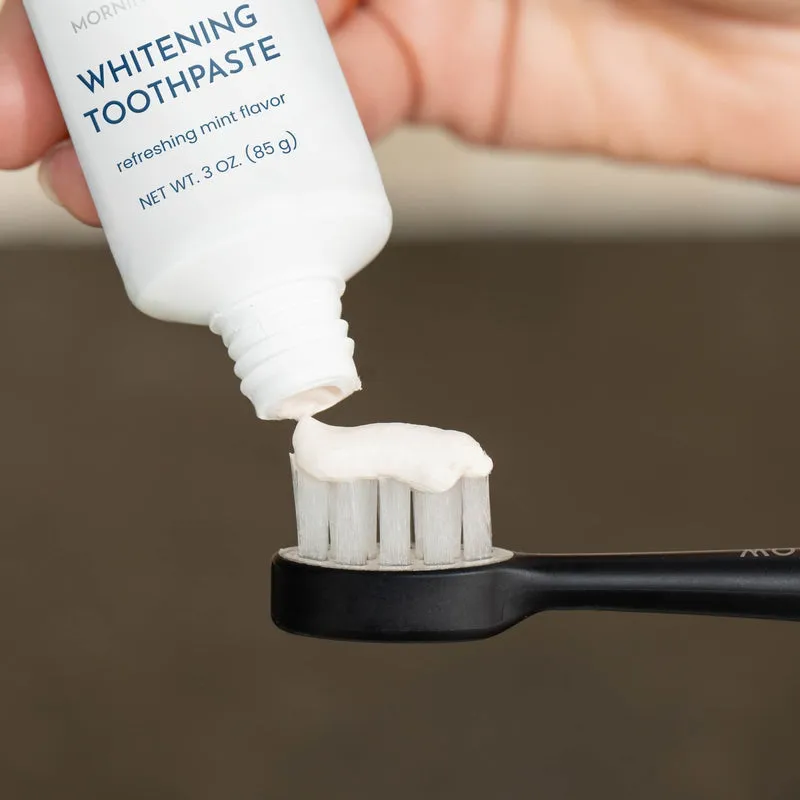
What is Whitening Toothpaste?
Whitening toothpaste is a specialized type of toothpaste designed to improve the brightness of your teeth. Unlike regular toothpaste that primarily focuses on cleaning and preventing cavities, whitening toothpaste uses specific ingredients to remove surface stains and, in some cases, provide a slight bleaching effect. It is a popular choice for those seeking a brighter smile without undergoing professional dental procedures. Understanding how whitening toothpaste works, its various types, and how to choose the best one for your needs is crucial for achieving optimal results and maintaining good oral health. This guide explores the key aspects of whitening toothpaste, providing valuable insights to help you make informed decisions.
Understanding the Different Types of Whitening Toothpaste
Whitening toothpaste comes in various formulations, each utilizing different active ingredients and mechanisms to achieve a brighter smile. The most common types include those with abrasive agents, chemical bleaching agents, and those that combine both. Abrasive toothpastes physically scrub away surface stains, while chemical agents work to break down the stain molecules. Knowing the differences between these types allows you to select a product that aligns with your desired level of whitening and your sensitivity to certain ingredients. Always consider your overall oral health and consult with a dentist for personalized advice. Remember, no matter the type, consistency is key to seeing visible results, and proper usage is crucial to prevent any potential damage to your teeth and gums.
Whitening Toothpaste Ingredients

Several key ingredients contribute to the whitening effect of these toothpastes. These ingredients work through different mechanisms, from physically removing stains to chemically breaking them down. Understanding these ingredients is important for making informed choices and ensuring the product you select meets your needs and preferences. Always consult your dentist if you have specific concerns or sensitivities to particular ingredients. The effectiveness and safety of the toothpaste often depend on the concentrations and combinations of these active components. Using a product with the right combination of ingredients can significantly enhance your smile’s brightness while keeping your oral health in good shape.
Hydrogen Peroxide
Hydrogen peroxide is a common bleaching agent found in many whitening toothpastes. It works by oxidizing the stain molecules on the tooth’s surface, breaking them down and making them less visible. The concentration of hydrogen peroxide in toothpaste is typically lower than in professional whitening treatments, resulting in a gradual whitening effect over time. While effective, higher concentrations of hydrogen peroxide can potentially increase tooth sensitivity. For those with sensitive teeth, it is advisable to start with lower concentrations or consult with a dentist to determine the most suitable product for your needs. Regular use, as directed, can lead to noticeable improvements in tooth brightness.
Activated Charcoal
Activated charcoal is another popular ingredient used in whitening toothpastes. Unlike hydrogen peroxide, activated charcoal does not bleach the teeth. Instead, it works by acting as an abrasive agent that helps to remove surface stains. It has a porous structure that allows it to bind to stains, effectively lifting them from the enamel. The effectiveness of charcoal toothpaste varies, and it’s primarily suited for removing stains caused by coffee, tea, and other food and beverages. It is important to note that excessive use of activated charcoal can potentially damage the enamel due to its abrasive nature. Choose toothpastes with activated charcoal in moderation, and consult a dentist about the appropriateness for your specific needs.
Baking Soda

Baking soda, or sodium bicarbonate, is another abrasive ingredient often found in whitening toothpastes. It acts as a mild abrasive, helping to scrub away surface stains. Baking soda also has natural cleaning and neutralizing properties that help to maintain a balanced oral environment. While generally safe, excessive use of baking soda-based toothpaste can potentially erode tooth enamel over time. This is particularly true if you brush too aggressively. The concentration of baking soda is crucial, and it is usually included in formulas with other agents to balance its abrasiveness. Moderation and proper brushing techniques are essential when using baking soda whitening toothpaste to ensure both effective whitening and tooth health.
Evaluating Your Needs and Goals
Before choosing a whitening toothpaste, it is crucial to evaluate your personal needs and goals. The ideal product for one person may not be the best for another, as individual circumstances vary widely. Several factors should be considered to ensure you select a product that meets your specific requirements and helps you achieve your desired results. By carefully assessing your current oral health, understanding your whitening goals, and addressing any existing sensitivities, you can make an informed decision and maximize your chances of achieving a brighter, healthier smile. This evaluation process helps you to choose products that are not only effective but also safe and suitable for your long-term oral care.
Assessing Your Current Dental Health
Before starting to use whitening toothpaste, assess your current dental health. Addressing any underlying issues such as cavities or gum disease is important before introducing a new product into your oral care routine. If you have sensitive teeth, certain whitening ingredients might exacerbate the problem. Consulting a dentist for a check-up is a valuable step to ensure your teeth and gums are healthy enough to withstand whitening treatments. They can also provide personalized advice on the best whitening toothpaste for your specific condition. This proactive approach can help you avoid potential complications and achieve a better outcome, ensuring both aesthetic improvement and overall oral health.
Considerations for Sensitive Teeth

If you have sensitive teeth, you must choose a whitening toothpaste that is specifically designed for sensitivity. These toothpastes typically contain lower concentrations of abrasive or bleaching agents and often include ingredients like potassium nitrate or stannous fluoride, which help reduce sensitivity by blocking pain signals to the nerves in your teeth. It is equally important to avoid toothpastes that contain harsh abrasives or high levels of hydrogen peroxide. Consulting with your dentist is essential, as they can recommend the most suitable products and offer other treatment options if necessary. Taking these precautions will help you to achieve a brighter smile without experiencing increased discomfort.
Determining Your Whitening Goals
Define your whitening goals before selecting a whitening toothpaste. Consider how much brighter you want your teeth to be and the speed at which you want to see results. If you are seeking a significant change, a whitening toothpaste might not be enough; other options such as professional treatments may be more effective. Be realistic about the potential of toothpaste, as the results can be subtle. On the other hand, if your goal is to maintain a brighter smile or to remove surface stains, whitening toothpaste can be a practical choice. Understanding your expectations and aligning them with the capabilities of different products will help you select the best whitening toothpaste for your needs. Setting achievable goals contributes to a satisfactory outcome and avoids any disappointment.
Factors to Consider Before Choosing
Several factors influence the effectiveness and safety of whitening toothpaste, and understanding these can help you make the right choice. Evaluating a toothpaste involves looking beyond the marketing claims to consider its ingredients, certifications, and your overall dental health. Your choice should align with your personal preferences, sensitivity levels, and the desired outcome. Taking these factors into account enables you to select a product that works well for you and contributes to both oral health and aesthetic appeal. By doing this, you ensure that your choice supports your smile goals without compromising your dental well-being.
ADA Seal of Acceptance

Look for the American Dental Association (ADA) Seal of Acceptance when choosing a whitening toothpaste. This seal indicates that the product has been evaluated by the ADA and meets specific safety and effectiveness standards. It signifies that the toothpaste has been tested and proven to safely whiten teeth and is free of any harmful ingredients. Products with the ADA seal undergo rigorous testing, giving you confidence in the product’s quality. This seal provides an added layer of assurance that you’re using a reliable and effective product. Choosing a toothpaste with the ADA seal is a great way to ensure you are investing in a product that has been verified by dental professionals and supports your oral health.
Cost and Budget
Set a budget for whitening toothpaste as prices can vary widely. While more expensive products might include additional features or higher concentrations of active ingredients, they do not always guarantee better results. Compare prices and consider your budget alongside other factors like the ingredients, ADA seal, and your dentist’s recommendations. Remember, consistency of use is key, so the best toothpaste for you is one that you can afford and will use regularly. Balancing cost and effectiveness will ensure that you achieve a brighter smile without overspending. The most cost-effective solution is the one that fits your budget and still meets your whitening goals.
Taste and Preference
The taste and your personal preference play a significant role in your overall experience. Whitening toothpastes come in various flavors, including mint, citrus, and herbal blends. Choosing a flavor you enjoy will make brushing a more pleasant experience, encouraging you to maintain a consistent oral care routine. If you dislike the taste of a particular toothpaste, you are less likely to use it regularly, which may affect the desired whitening results. Consider trying different flavors to find one that suits your taste buds. Selecting a toothpaste that you enjoy can contribute to improved oral hygiene, making the process of whitening your teeth more sustainable and enjoyable.
How to Effectively Use Whitening Toothpaste

To maximize the effectiveness of whitening toothpaste, proper usage is key. Following the recommended brushing techniques, maintaining consistency, and integrating these practices with other aspects of dental care will yield the best results. Regular and correct usage of the product will contribute to a brighter, healthier smile. Inconsistent or improper use may diminish results and potentially cause adverse effects. These essential practices ensure that you are getting the most out of your whitening toothpaste, allowing you to achieve your desired level of brightness and maintain the health of your teeth and gums.
Proper Brushing Techniques
Adopt and maintain proper brushing techniques to get the best out of your whitening toothpaste. Brush your teeth for at least two minutes, twice a day, using gentle, circular motions to avoid damaging enamel and irritating gums. Ensure that you reach all areas of your mouth, including the back teeth and along the gum line, to remove plaque and surface stains effectively. Using a soft-bristled toothbrush is recommended to prevent enamel erosion, especially with abrasive whitening toothpastes. Proper technique includes correct angle and pressure, which are crucial to maximizing effectiveness. These techniques help to improve the performance of the toothpaste, ensuring optimal cleaning and whitening while protecting your teeth and gums.
Consistency and Duration of Use
Be consistent and use the whitening toothpaste regularly. Follow the product instructions, and do not expect overnight results. Most whitening toothpastes require consistent use for several weeks before noticeable improvements are apparent. Avoid excessive brushing or overuse, as this could potentially harm your enamel and gums. Combining consistent brushing with the right technique will help to optimize the results of whitening toothpaste. Regular use helps you maintain a brighter smile and supports your oral health over time. Consistent use is important to obtain and sustain the desired effects.
Complementary Dental Care Practices

Complement your use of whitening toothpaste with other dental care practices. Floss daily to remove plaque and food particles from between your teeth, where the toothbrush cannot reach. Consider using an antibacterial mouthwash to reduce bacteria, fight bad breath, and keep your gums healthy. Maintain a balanced diet and limit your consumption of stain-causing foods and drinks, like coffee, tea, and red wine. Regular dental checkups and professional cleanings are also essential, as dentists can remove deeper stains and assess your overall oral health. Incorporating these practices will promote a healthier mouth. These practices, alongside whitening toothpaste, enhance its effectiveness and your overall oral health.
Potential Side Effects and Risks
While whitening toothpaste is generally safe, it is important to be aware of potential side effects and risks. Overuse or improper use could lead to these effects, so it’s vital to use these products cautiously and seek professional advice when needed. Being informed of the potential side effects will help you make informed choices. The goal is to achieve a brighter smile safely while maintaining good oral health. If you experience any adverse effects, stop using the product and consult with your dentist immediately.
Tooth Sensitivity
Tooth sensitivity is one of the most common side effects of whitening toothpaste. The active ingredients, especially peroxide-based compounds, can temporarily make your teeth more sensitive to temperature changes and certain foods. This sensitivity usually subsides once you stop using the toothpaste or switch to a desensitizing toothpaste. Avoid using harsh brushing techniques and opt for a soft-bristled toothbrush. If the sensitivity persists or becomes severe, consult your dentist, who can recommend desensitizing treatments or alternative products. Using whitening toothpaste may require some adjustments to manage potential sensitivity. Be patient and give your teeth the time they need to adapt.
Gum Irritation
Gum irritation is another potential side effect associated with whitening toothpaste. The abrasive ingredients can sometimes irritate or inflame gum tissue, especially if you brush too vigorously. The bleaching agents present in some toothpastes can also cause irritation. If you experience gum irritation, stop using the product immediately. Ensure you are using a soft-bristled toothbrush and employing gentle brushing techniques. Rinse your mouth thoroughly with water after brushing. If the irritation persists, seek advice from your dentist, who can assess the cause and recommend suitable treatments, such as a soothing mouthwash. This approach prevents irritation and supports overall gum health.
Enamel Erosion
Enamel erosion is a more serious risk associated with the overuse of abrasive whitening toothpastes. Excessive abrasion can wear down the enamel, making your teeth more susceptible to sensitivity, cavities, and discoloration. It is essential to avoid brushing too hard and limit the use of abrasive toothpastes. Choosing a toothpaste with a low abrasiveness rating and consulting with your dentist for personalized advice can minimize the risk. Using the correct brushing technique and choosing a product with the right formulation are important for safeguarding the enamel. Proper care and awareness can help maintain your enamel’s strength, preserving your oral health and the aesthetic appearance of your smile.
Alternatives to Whitening Toothpaste
While whitening toothpaste is a convenient option, other effective alternatives are available to achieve a brighter smile. These methods may offer more significant and faster results, and can be particularly useful for those who do not see the desired effects from toothpaste alone. Consulting a dentist can help you explore the best methods according to your needs. There is no one-size-fits-all solution, so understanding and exploring different choices helps you achieve optimal dental health. Whether you are looking for a quick boost or a long-term whitening strategy, alternative treatments offer different approaches.
Professional Teeth Whitening
Professional teeth whitening performed by a dentist is the most effective way to achieve dramatic and rapid results. Dentists use stronger bleaching agents than those found in over-the-counter products. This process involves applying a high-concentration peroxide solution to the teeth, often combined with a special light or laser to accelerate the whitening process. Professional whitening is safer and more effective because it is done under the supervision of a dental professional, minimizing the risk of sensitivity and other side effects. The results are usually significantly more noticeable and long-lasting than those achieved with whitening toothpaste alone. Consider this option for a comprehensive approach to enhance your smile.
Whitening Strips and Gels
Whitening strips and gels are popular over-the-counter options that can be used at home. These products typically contain a lower concentration of hydrogen peroxide and are applied directly to the teeth. Whitening strips are thin, flexible strips coated with a whitening agent that you apply to your teeth for a set period. Whitening gels are applied using a tray or brush. These options offer a more concentrated whitening treatment than toothpaste and can provide visible results within a few weeks. While generally safe when used as directed, it is crucial to follow the instructions carefully. These products represent a convenient and more intensive alternative to toothpaste.
Conclusion
Choosing the best whitening toothpaste involves understanding the different types, the ingredients, and evaluating your own needs and goals. Consider factors like your current dental health, potential sensitivity, and your desired whitening outcome. Always consult with your dentist for personalized advice and recommendations. Use your chosen toothpaste effectively by following proper brushing techniques and integrating it with other dental care practices. Be aware of potential side effects, and take action if any problems arise. If you want a more dramatic effect, there are alternatives like professional whitening and whitening strips. By following these guidelines, you can confidently choose the right whitening toothpaste and effectively brighten your smile.