
The Power of Whitening Toothpaste
Whitening toothpaste has become a staple in many people’s oral hygiene routines, and for good reason. These toothpastes offer a convenient and accessible way to brighten your smile from the comfort of your own home. Unlike professional teeth whitening treatments, whitening toothpastes are typically gentler and more affordable, making them a popular choice for those looking to enhance their pearly whites. The effectiveness of whitening toothpaste can vary, but with consistent use and the right approach, significant improvements in tooth brightness can often be achieved. Choosing the right product and incorporating it into a comprehensive oral care regimen is key to maximizing its benefits. The market is flooded with options, each promising a dazzling smile, so understanding how these products work and what to look for is essential to make an informed decision.
How Whitening Toothpaste Works
Whitening toothpaste achieves its effects through various mechanisms, primarily by removing surface stains from the teeth. These stains can be caused by a variety of factors, including the consumption of staining foods and drinks such as coffee, tea, and red wine, as well as lifestyle habits like smoking. The active ingredients in whitening toothpastes work to break down these stains, revealing the natural color of your teeth underneath. Some toothpastes contain mild abrasives that gently polish the tooth surface, physically removing stains. Others utilize chemical agents, such as hydrogen peroxide, to penetrate the enamel and lighten the teeth from within. The level of whitening achieved depends on the type of toothpaste, the concentration of active ingredients, and the individual’s tooth structure and staining levels. Regular use is crucial, as it helps maintain a brighter smile over time by preventing the buildup of new stains.
Key Ingredients to Look For

When selecting a whitening toothpaste, it’s essential to understand the key ingredients that contribute to its effectiveness. These ingredients work in different ways to achieve a brighter smile, and knowing their roles can help you choose a product that best suits your needs. Look for toothpastes that contain the following ingredients, taking into consideration your sensitivity levels and the specific goals you have for your teeth whitening journey. The combination and concentration of these ingredients will influence the toothpaste’s ability to remove stains and brighten your teeth.
Hydrogen Peroxide
Hydrogen peroxide is a common and effective ingredient found in many whitening toothpastes. It works as a bleaching agent, penetrating the enamel to lighten the tooth’s color. The concentration of hydrogen peroxide in toothpaste is typically lower than in professional whitening treatments, making it gentler for daily use. While hydrogen peroxide is effective, it can sometimes cause temporary tooth sensitivity in some individuals. If you experience sensitivity, consider using a toothpaste with a lower concentration or alternating with a toothpaste designed for sensitive teeth. Regular use can lead to noticeable improvements in tooth brightness, making it a popular choice for many.
Baking Soda
Baking soda, also known as sodium bicarbonate, acts as a mild abrasive that helps to polish the teeth’s surface. It gently removes surface stains and plaque, contributing to a cleaner and brighter smile. Baking soda has natural whitening properties, and it can help neutralize acids in the mouth, which can erode enamel over time. Toothpastes containing baking soda are generally considered safe for daily use, but excessive brushing with abrasive toothpastes can potentially wear down enamel. The key is to use the product as directed and to choose a toothpaste with a balance of effective ingredients and gentle action. Many people find baking soda-based toothpastes to be a cost-effective option for teeth whitening.
Activated Charcoal
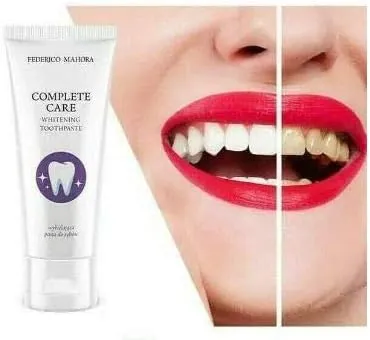
Activated charcoal has gained popularity as a teeth whitening agent. It’s known for its ability to absorb stains and impurities from the teeth. The porous nature of activated charcoal allows it to bind to stain molecules, lifting them away from the tooth surface. While some people find activated charcoal effective, scientific evidence supporting its whitening abilities is limited. Also, the abrasive nature of charcoal can potentially damage enamel if used aggressively. It’s important to choose a toothpaste with a balanced formula and to brush gently to avoid any harm. Some people notice a difference in the brightness of their teeth after using activated charcoal toothpaste, but it’s crucial to be mindful of its potential drawbacks and to consult with a dentist if you have concerns.
7 Ways to Achieve a Brighter Smile
While whitening toothpaste plays a significant role in enhancing your smile, it is most effective when combined with other healthy habits. A comprehensive approach that includes proper oral hygiene, a balanced diet, and regular dental checkups will ensure you get the best results from your whitening efforts. Here are seven ways to maximize the effectiveness of whitening toothpaste and to achieve a dazzling smile.
Proper Brushing Technique
The way you brush your teeth has a significant impact on your overall oral health and the effectiveness of your whitening efforts. Brush your teeth for at least two minutes, twice a day, using gentle, circular motions. Avoid applying excessive pressure, as this can damage the enamel and lead to sensitivity. Make sure to brush all surfaces of your teeth, including the front, back, and chewing surfaces. Using a soft-bristled toothbrush can help prevent damage. Consider using an electric toothbrush, as it can be more effective at removing plaque and stains. Consistent, proper brushing is the foundation of good oral hygiene and will amplify the benefits of your whitening toothpaste.
Choosing the Right Toothpaste

With so many whitening toothpastes on the market, selecting the right one can be challenging. Look for a toothpaste that contains effective whitening ingredients, such as hydrogen peroxide, baking soda, or activated charcoal. Consider the concentration of these ingredients and whether the toothpaste is suitable for sensitive teeth. Check for the American Dental Association (ADA) Seal of Acceptance, which indicates that the product has been evaluated for safety and effectiveness. Read reviews and consult with your dentist to find a toothpaste that meets your needs. Additionally, consider the flavor and texture to ensure you enjoy the brushing experience, which will encourage consistency in your oral hygiene routine.
Maintaining a Consistent Routine
Consistency is key to achieving a brighter smile. Brush your teeth with whitening toothpaste at least twice a day, preferably after meals and before bed. Make it a habit, and don’t skip brushing sessions. Place your toothbrush and toothpaste in a visible spot, such as on the bathroom counter, to remind yourself to brush regularly. If you’re traveling, bring your whitening toothpaste with you to maintain your routine. By making brushing a non-negotiable part of your daily routine, you’ll maximize the benefits of whitening toothpaste and see more noticeable results over time.
Dietary Considerations
Your diet plays a crucial role in the brightness of your teeth. Some foods and drinks can stain your teeth, undoing the effects of your whitening toothpaste. Being mindful of what you eat and drink can significantly enhance the results of your whitening efforts. Consider limiting or avoiding foods and drinks that are known to stain teeth, and make sure to rinse your mouth with water after consuming them. This simple habit can help prevent staining and maintain a brighter smile.
Avoiding Staining Foods

Certain foods are notorious for staining teeth. These include berries (such as blueberries, raspberries, and blackberries), soy sauce, curry, and tomato-based sauces. While it is not necessary to eliminate these foods completely, consuming them in moderation and rinsing your mouth afterward can help minimize staining. If you do eat these foods, brushing your teeth shortly after can also help remove any staining particles before they have a chance to set. Be mindful of what you eat and how it can affect your teeth whitening goals.
Limiting Coffee & Tea
Coffee and tea are major culprits when it comes to tooth staining. The tannins in these beverages can easily stain the enamel, leading to discoloration. If you’re a regular consumer of coffee and tea, consider reducing your intake or drinking them through a straw to minimize contact with your teeth. Rinsing your mouth with water after consuming these beverages can also help reduce staining. Another option is to switch to herbal teas, which typically have fewer staining properties.
Regular Dental Checkups
Regular dental checkups are essential for maintaining good oral health and optimizing teeth whitening results. Professional cleanings remove plaque and tartar, providing a clean surface for your whitening toothpaste to work effectively. During your checkup, your dentist can assess your oral health and address any underlying issues that may affect your smile. They can also provide professional teeth whitening treatments, if desired, to complement your at-home efforts. Following your dentist’s recommendations for oral hygiene will help you achieve and maintain a brighter smile.
The Role of Professional Cleanings

Professional dental cleanings are more thorough than your regular brushing and flossing routine. Dentists and hygienists use specialized tools to remove plaque and tartar, which can accumulate even with diligent home care. Removing these deposits helps to improve the overall health of your teeth and gums and creates a cleaner surface for your whitening toothpaste to work effectively. Professional cleanings can also remove surface stains that brushing alone may not be able to address. Scheduling regular cleanings, typically every six months, is a crucial part of your overall oral health strategy.
Using Whitening Mouthwash
Using a whitening mouthwash can complement the effects of your whitening toothpaste. Whitening mouthwashes often contain ingredients such as hydrogen peroxide or other mild bleaching agents that can further lighten your teeth. They also help to rinse away any remaining food particles and bacteria, contributing to fresher breath and improved oral hygiene. However, be sure to choose a mouthwash that is suitable for your sensitivity level and follow the instructions carefully. Avoid swallowing the mouthwash, and don’t rinse with water immediately after use to allow the active ingredients to work effectively. Consistency is key, and incorporating whitening mouthwash into your routine can enhance your results over time.
Whitening Toothpaste and Sensitivity
Tooth sensitivity is a common side effect of using whitening toothpaste, especially those with higher concentrations of active ingredients. The bleaching agents in these toothpastes can sometimes irritate the nerve endings in your teeth, causing temporary discomfort. If you experience sensitivity, it’s important to adjust your approach. Consider using a toothpaste specifically designed for sensitive teeth, which often contains ingredients that help to block the nerve signals. You can also try alternating between your whitening toothpaste and a sensitivity toothpaste. Brush gently and avoid brushing too aggressively, which can wear down the enamel and exacerbate sensitivity. Consult with your dentist if the sensitivity persists or worsens; they can provide additional recommendations and help you find a solution that works for you.
In conclusion, achieving a brighter smile with whitening toothpaste requires understanding how it works, selecting the right product, and incorporating it into a comprehensive oral hygiene routine. By following the tips outlined in this guide, you can maximize the effectiveness of your whitening efforts and enjoy a more confident, dazzling smile. Remember to be consistent with your brushing, pay attention to your diet, and schedule regular dental checkups to maintain your results and keep your teeth healthy.